Age gap relationships, typically defined as partnerships with an age difference of ten or more years, succeed when couples prioritize transparent communication, align their long-term life goals, and proactively address the unique challenges of differing life stages. Success depends more on emotional maturity and shared values than the chronological number between partners.
While societal norms around dating and partnership have evolved significantly by 2026, age gap relationships—often referred to as "May-December" romances—continue to spark both curiosity and scrutiny. Whether the gap is ten years or thirty, these unions face a specific set of psychological, social, and practical hurdles. However, with the right strategies, they can be as stable and fulfilling as peer-level relationships.
Defining the Dynamics of Age Gap Relationships
In the context of 2026, an age gap relationship is generally categorized by a chronological disparity that places the two individuals in different developmental or generational cohorts. While the "half-your-age-plus-seven" rule remains a popular cultural shorthand for determining the social acceptability of an age difference, modern psychology focuses more on the "Power-Distance" dynamic and "Life Stage Alignment."
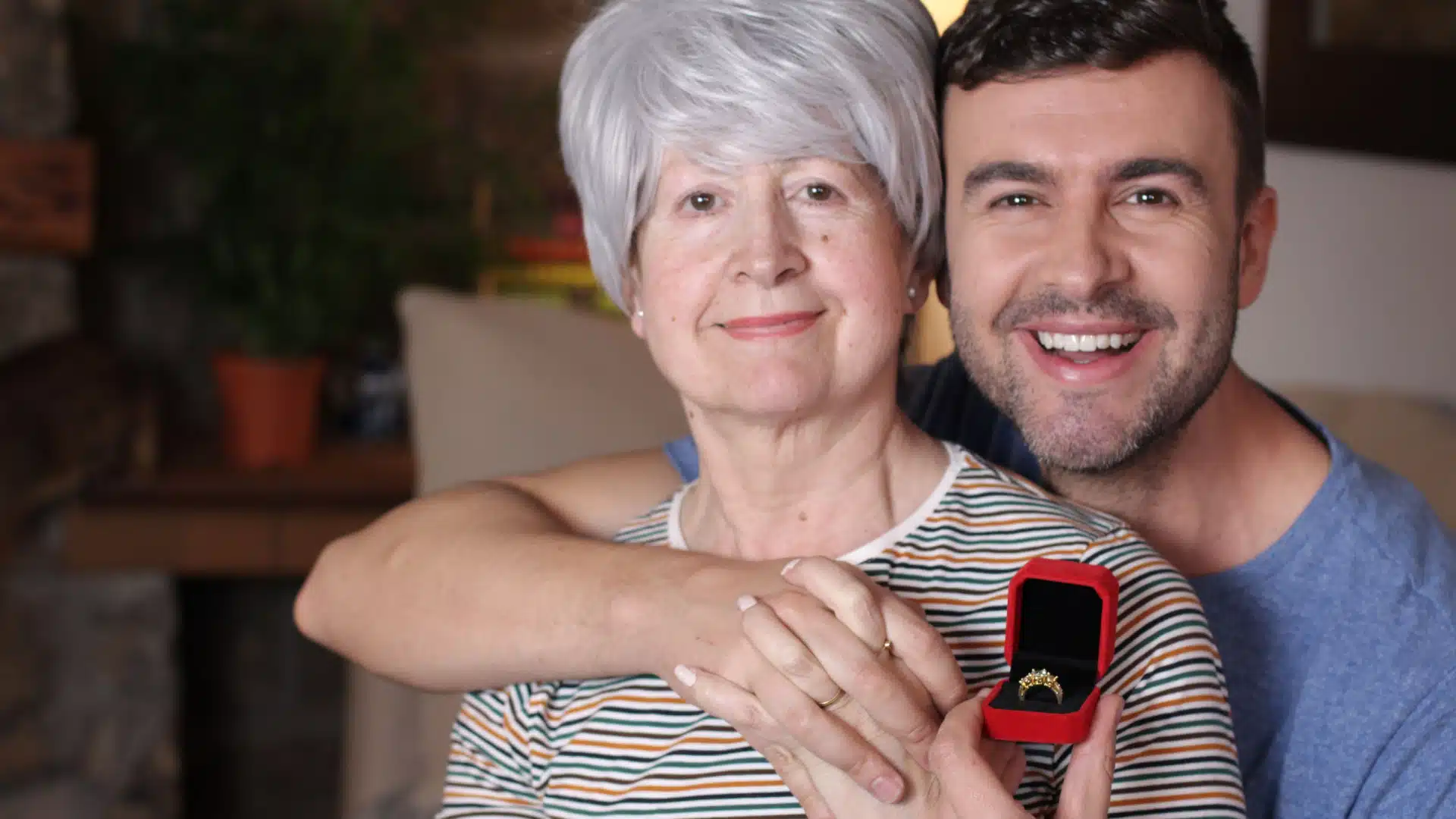
Statistically, the most common age gap involves an older man and a younger woman, though the prevalence of older-woman/younger-man relationships (often termed "age-gap reversals") and same-sex age-gap pairings has seen a marked increase in visibility and acceptance over the last decade. The core of these relationships is not merely the difference in birth years but the difference in "social clock" placement—the societal expectations of what one should be doing at a certain age, such as building a career, raising children, or preparing for retirement.
Understanding these dynamics requires looking past the surface-level attraction. Research into evolutionary psychology often suggests that these pairings occur because of complementary resources: younger partners may offer vitality and reproductive potential, while older partners may offer stability, experience, and resources. However, in 2026, social exchange theory offers a more nuanced view, suggesting that partners are often drawn to the different perspectives and emotional "anchoring" that a different-aged partner provides.
Navigating Life Stages and Future Planning
The most significant practical challenge in an age gap relationship is the inevitable collision of different life stages. When one partner is in their "building" phase (establishing a career or wanting young children) and the other is in their "legacy" or "harvesting" phase (preparing for retirement or seeking peace), friction is natural.
Career and Financial Syncing
Disparities in professional standing can lead to an unintentional power imbalance. The older partner is often more financially established, which can lead to the younger partner feeling like a "dependent" rather than an equal. To mitigate this, couples in 2026 are increasingly using "Proactive Financial Mapping." This involves:
- Transparent Budgeting: Ensuring both partners contribute proportionally to their income rather than 50/50, to maintain a sense of fairness.
- Career Support: The older partner using their experience to mentor (without patronizing) the younger partner's professional growth.
- Retirement Timing: Discussing how the younger partner will manage their career when the older partner stops working.
Family and Fertility
For many couples, the decision to have children is the "make or break" point. If a 30-year-old woman is with a 55-year-old man, the biological window for the woman clashes with the man’s potential desire to be an "empty nester." In 2026, reproductive technologies have expanded options, but the emotional decision remains heavy. Couples must have "The Talk" regarding children early—ideally within the first few months of serious dating—to ensure they are not moving toward a fundamental incompatibility.
Addressing Social Stigma and External Pressure
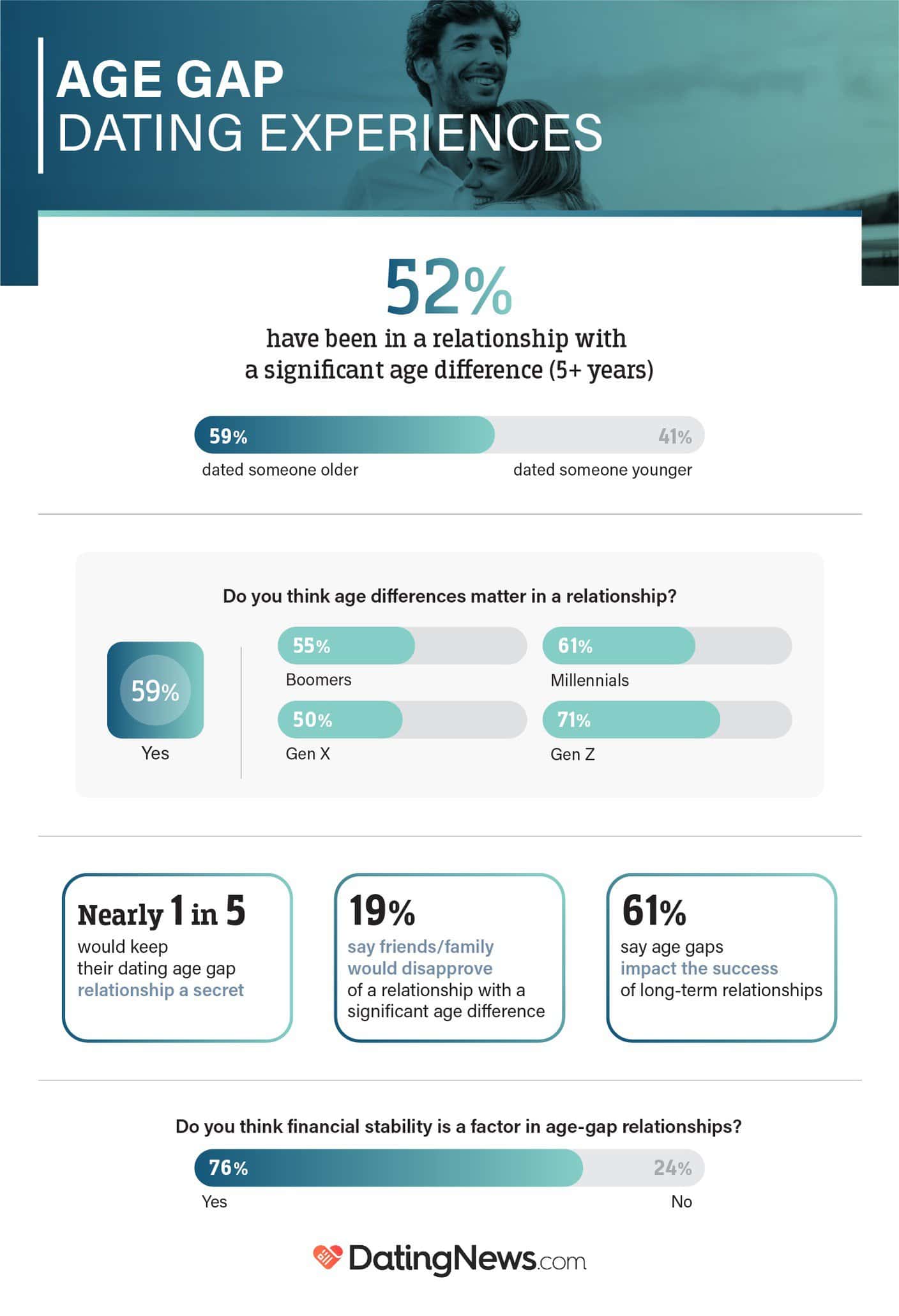
Despite the increasing globalization and liberalization of social values, age gap couples still face "stigma-by-association." Friends, family, and even strangers may project motives onto the relationship, such as assuming the younger partner is a "gold digger" or the older partner is having a "mid-life crisis."
According to a study published in the Journal of Social and Personal Relationships, couples who experience higher levels of social disapproval often report lower relationship satisfaction, not because of internal problems, but because of the stress of external judgment. Navigating this requires a "United Front" strategy.
- Identify the Source: Distinguish between genuine concern from loved ones and baseless prejudice from outsiders.
- Set Boundaries: Firmly inform family members that while their perspective is valued, the choice of partner is a private decision that is not up for debate.
- Find Community: Seek out other age gap couples. Peer support is vital in normalizing the relationship and sharing coping mechanisms for social scrutiny.
Communication Strategies for Long-Term Success
In any relationship, communication is the foundation, but for age gap couples, it must be more granular and forward-looking. Because the partners do not share the same cultural touchstones (e.g., growing up with different technologies or political events), they must work harder to bridge the "cultural gap."
Active Listening and Cultural Exchange: Instead of viewing the age difference as a barrier, successful couples view it as an opportunity for mutual learning. The younger partner can offer fresh perspectives and technical fluency, while the older partner offers historical context and emotional regulation.
Health and Caregiving Conversations: It is a biological reality that the older partner will likely face health declines first. Ignoring this is a common mistake. In 2026, "Relationship Longevity Planning" includes discussing:
- Long-term Care Preferences: What does the older partner want for their care in 20 or 30 years?
- End-of-Life Wishes: While difficult, discussing these early prevents trauma during a crisis.
- Widowhood Preparation: Ensuring the younger partner is legally and financially protected if the older partner passes away.
Comparison of Potential Conflict Points by Age Gap Size
| Age Gap Size | Primary Focus Area | Potential Friction Point | Growth Opportunity |
|---|---|---|---|
| 5–10 Years | Career Synchronization | Differing levels of professional seniority. | Shared ambition and mutual networking. |
| 10–20 Years | Family Planning | One partner wanting children; the other feeling "done." | Diverse parenting styles and maturity. |
| 20+ Years | Health & Retirement | Rapidly diverging energy levels and health needs. | Deep emotional intimacy and legacy building. |
| 30+ Years | Social Integration | Significant differences in social circles and interests. | Completely unique perspectives on life. |
Psychological Perspectives: Power Dynamics and Equality
A frequent criticism of age gap relationships is the potential for an inherent power imbalance. The older partner often possesses more "life capital"—money, experience, social status, and emotional resilience. If not managed carefully, this can lead to a "parent-child" dynamic rather than a "partner-partner" dynamic.
Psychologists suggest that the younger partner must maintain their autonomy to keep the relationship healthy. This means having their own hobbies, their own friends, and their own financial goals. Conversely, the older partner must consciously avoid "gatekeeping" or making decisions on behalf of the younger partner under the guise of "knowing better."
The concept of "Relational Equality" in 2026 emphasizes that while the partners are not identical in their experiences, they must be identical in their agency. If the younger partner feels they cannot voice a disagreement because of the older partner's status, the relationship is moving into toxic territory.
Common Mistakes and How to Avoid Them
Even with the best intentions, age gap couples often fall into predictable traps. Recognizing these early can save the relationship from unnecessary strain.
- Treating the Partner Like a Project: The older partner should not try to "mold" the younger partner into a more mature version of themselves. Growth should be organic, not directed.
- Overcompensating for Age: The older partner trying to "act young" (over-partying, dressing inappropriately for their comfort) or the younger partner trying to "act old" can lead to an identity crisis. Authenticity is more attractive than mimicry.
- Ignoring the Gap: Some couples pretend the age difference doesn't exist. This is a mistake. Acknowledging the gap allows you to plan for the unique challenges it brings. You cannot solve a problem you refuse to name.
FAQ
Is a 15-year age gap too much?
A 15-year age gap is not inherently "too much," but it does introduce significant life-stage differences. For instance, if one partner is 25 and the other is 40, they are in completely different phases regarding career stability and personal identity. However, if the partners are 45 and 60, the gap is often less pronounced as both are established adults. Success depends on shared values and the ability to navigate the social and physical differences that will arise over the decades.
How do age gap relationships handle aging and health?
Healthy age gap couples handle aging through proactive transparency and legal preparation. This includes discussing long-term care insurance, creating living wills, and having honest conversations about what happens if one partner becomes a caregiver for the other. By 2026, many couples utilize "Caregiving Contracts" or specific trusts to ensure that the younger partner is not financially or emotionally overwhelmed by the older partner's health needs.
Do age gap relationships last?
Studies, including those from Pew Research Center, suggest that while age gap relationships can face more external stress, their longevity is comparable to peer relationships when controlled for factors like commitment level and shared interests. Some data even suggests that age gap couples report higher levels of satisfaction because they tend to be more intentional about their communication and "choose" their partner with more deliberation than those who follow traditional societal patterns.
Why does society judge age gap relationships?
Society often judges these relationships due to "normative bias"—the idea that people should stay within their own age cohort to ensure equality. There are also historical concerns regarding the protection of younger individuals from exploitation. While these concerns are valid in cases of extreme power imbalance or lack of consent, in 2026, the focus has shifted toward "Informed Consent" and the recognition that two consenting adults have the right to define their own partnership.
What are the "red flags" in an age gap relationship?
Red flags include the older partner isolating the younger partner from their peers, the older partner making all the financial decisions, or either partner using age as a weapon during arguments (e.g., "You're too young to understand" or "You're too old to change"). If the relationship feels more like a teacher-student or parent-child dynamic than a partnership of equals, it requires immediate re-evaluation or professional counseling.
Recommendations for Moving Forward
If you are currently in or considering an age gap relationship in 2026, your next steps should focus on radical honesty and structural planning. Begin by conducting a "Values Alignment Audit." Sit down with your partner and discuss your five-year, ten-year, and twenty-year goals. If your visions for the future are compatible—despite the years between you—the relationship has a strong foundation.
Furthermore, ensure your legal and financial house is in order. Consult with a professional to discuss estate planning and healthcare proxies early on. This is not a "morbid" task; it is an act of love that provides security for both partners. Finally, prioritize your internal bond over external opinions. If the two of you are happy, respectful, and growing together, the number on your birth certificates is the least important part of your story.