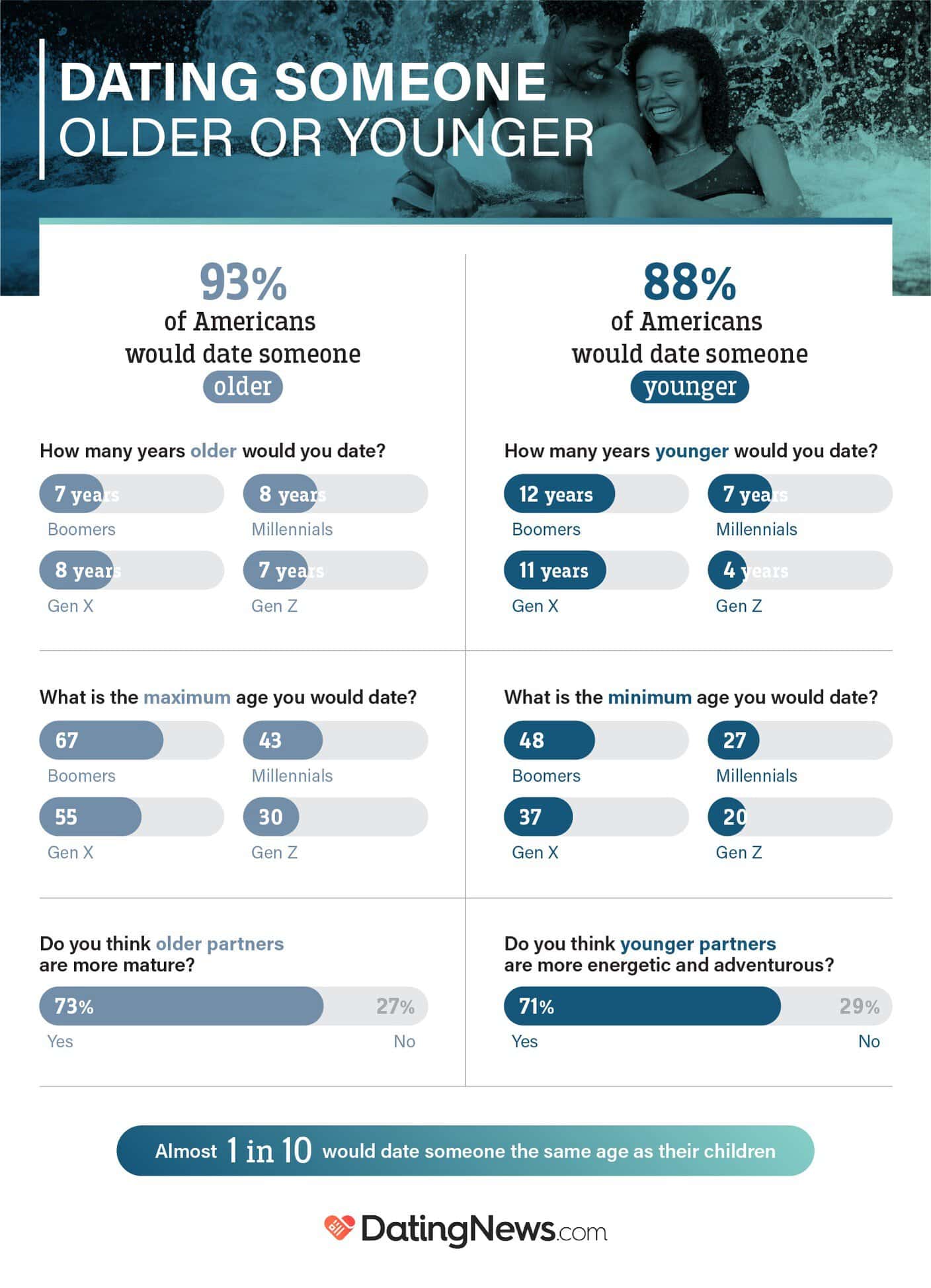
A 30-year age gap relationship involves partners from distinct generations, requiring a unique approach to communication, life planning, and social navigation. Success in these partnerships depends on bridging disparate life stages—such as one partner entering retirement while the other is in their career prime—through emotional maturity, proactive financial planning, and shared core values.
Age gap love, particularly when the difference spans three decades, is often met with a mixture of fascination and skepticism. While society in 2026 has become increasingly accustomed to diverse relationship structures, a 30-year gap remains one of the more significant "frontiers" of dating. Whether the couple consists of a 25-year-old and a 55-year-old or a 45-year-old and a 75-year-old, the psychological, biological, and logistical implications are profound. Navigating these relationships requires more than just romantic chemistry; it demands a strategic approach to a life that will inevitably be lived on two different timelines.
Understanding the Psychological Dynamics of a 30-Year Gap
The psychological foundation of a significant age gap often rests on "complementarity" rather than "similarity." While many couples seek a mirror of themselves, age-gap couples often find harmony in the different perspectives each partner brings. The younger partner may offer vitality, a fresh outlook on modern trends, and a sense of technological or social fluidity. Conversely, the older partner frequently provides emotional stability, a wealth of life experience, and a more established sense of self.
In 2026, psychologists often point to the "Maturity-Stability Model" when analyzing these unions. This model suggests that if both individuals have high levels of emotional intelligence, the age gap becomes secondary to their shared psychological age. However, problems arise when the gap is used to facilitate a power imbalance. A healthy 30-year gap relationship must be a partnership of equals where the older partner does not adopt a parental role and the younger partner does not adopt a dependent one. Maintaining this equilibrium requires constant self-awareness and open dialogue about the "why" behind the attraction.
Navigating Disparate Life Stages and Milestones
One of the most tangible challenges for couples with a 30-year difference is the "Life Stage Mismatch." In a standard relationship, partners usually experience career growth, child-rearing, and retirement roughly at the same time. In a 30-year gap, these milestones are often asynchronous.
Career vs. Retirement
By 2026, the concept of retirement has shifted, but the physical and financial realities remain. A 60-year-old partner may be looking toward a slower pace of life, while their 30-year-old partner is in the heat of professional ambition. This can lead to conflict regarding how time and money are spent. The older partner may want to travel and relax, while the younger partner needs to focus on networking and long hours at the office. Successful couples mitigate this by creating "interlocking schedules" that respect the professional needs of the younger partner while honoring the leisure needs of the older one.
The Question of Children
The decision to have children is perhaps the most complex hurdle. If the younger partner wants biological children, the older partner must consider the realities of "late-stage parenting." This includes the biological ability to conceive and the energy levels required to raise a child into their 70s or 80s. Research from the American Society for Reproductive Medicine indicates that while male fertility declines more slowly than female fertility, age-related risks still exist for both. Couples must have "The Talk" early, discussing not just the desire for children, but the logistical reality of who will be the primary caregiver as the older partner continues to age.
Addressing Health and Longevity Concerns
In any 30-year gap relationship, the "Caregiver Transition" is an inevitable reality. Statistically, one partner will face significant health challenges or end-of-life care decades before the other. This discrepancy can create a sense of "anticipatory grief" for the younger partner.
Couples must be proactive about health and wellness. This isn't just about diet and exercise; it’s about a shared commitment to maintaining the older partner’s mobility and cognitive health for as long as possible. In 2026, advancements in preventative medicine and "longevity protocols" have made it easier for older adults to remain active, but the fundamental biological gap remains. Discussing how the younger partner feels about potentially becoming a caregiver in their 50s for a partner in their 80s is a necessary, albeit difficult, conversation for long-term sustainability.
Financial and Legal Planning for Age-Gap Couples
Because the partners will likely have different timelines for Social Security, pension draws, and healthcare needs, financial planning cannot be "one size fits all." Legal protections are also more critical in these relationships to ensure the younger partner is protected from potential challenges by the older partner’s extended family or adult children.
| Feature | Standard Relationship (2-5 Year Gap) | Significant Age Gap (30+ Year Gap) |
|---|---|---|
| Retirement Planning | Synchronized; joint target dates. | Bifurcated; one partner draws while other contributes. |
| Estate Planning | Often simple; spouse-to-spouse transfer. | Complex; requires trusts to prevent family litigation. |
| Health Insurance | Usually shared via employer plans. | Transition to Medicare for one while other stays on private. |
| Social Security | Benefits often claimed around the same time. | Survivor benefits are a critical long-term factor. |
| Power of Attorney | Often deferred until later in life. | Essential to establish immediately regardless of age. |
Establishing a Revocable Living Trust is often recommended by estate attorneys to ensure that assets are distributed according to the partner's wishes without the public and often contentious process of probate. Additionally, long-term care insurance should be prioritized for the older partner to alleviate the future financial and physical burden on the younger partner.
Managing Social Stigma and Family Dynamics
Despite the progress made by 2026, "the gaze" of the public remains a factor for 30-year gap couples. Social stigma often manifests as assumptions about the "true" motivations of the relationship—money for the younger partner or a "mid-life crisis" for the older one.
Dealing with Adult Children
One of the most sensitive areas is the relationship with the older partner's children, who may be the same age as or older than the new partner. This can create a "generation skip" dynamic that feels threatening to the children’s inheritance or their perception of their parent's legacy. To manage this, transparency is vital. The older partner should lead the communication, reassuring their children that the relationship is built on mutual respect and that their own place in the family (and the will) remains secure.
The "Peer Group" Gap
Couples often find that their social circles do not overlap easily. The younger partner’s friends may be focused on nightlife or early-career struggles, while the older partner’s friends may be focused on grandparenthood or health issues. Successful couples often cultivate a "third circle" of friends—other age-gap couples or individuals who are "generationally fluid" and value personality over birth year.
Communication Strategies for a 30-Year Difference
Effective communication in these relationships requires "Generational Translation." A partner born in 1965 grew up with different cultural touchstones, communication styles, and workplace norms than a partner born in 1995.
- Acknowledge Cultural Blind Spots: Don't get frustrated if your partner doesn't understand a slang term or a 20th-century pop culture reference. Treat these as opportunities for "cultural exchange."
- Discuss the Future Often: Because the future is more "front-loaded" with health and estate concerns for the older partner, these shouldn't be taboo subjects. Normalizing discussions about aging reduces the anxiety surrounding them.
- Address Power Imbalances: If the older partner is significantly wealthier or more established, they must go out of their way to ensure the younger partner has an equal say in major life decisions, such as where to live or how to invest.
The Unique Benefits of Age Gap Love
While the challenges are significant, the rewards can be equally profound. Many in 30-year gap relationships report a level of depth and stability that they couldn't find with their peers.
The younger partner often benefits from the "calming effect" of a partner who has already navigated life’s major stressors and isn't easily rattled by career setbacks or social drama. The older partner, in turn, is often "rejuvenated" by the younger partner's energy and curiosity, which can lead to a more active and engaged lifestyle than they might have had with a peer. This cross-pollination of energy and wisdom creates a unique bond that is often more resilient than traditional relationships because the couple has had to be more intentional about their choice to be together.
FAQs About 30-Year Age Gap Relationships
Is a 30-year age gap too much for a successful relationship?
No, a 30-year gap is not inherently "too much," but it requires more logistical and emotional preparation than smaller gaps. Success depends on shared values, emotional maturity, and the ability to navigate different life stages simultaneously. Many couples thrive by focusing on their unique bond rather than societal expectations.
How do we handle the inevitable health decline of the older partner?
Preparation is the key to handling health declines without destroying the relationship. This involves open conversations about long-term care, securing appropriate health and long-term care insurance, and ensuring the younger partner has a support system outside the relationship. It is about shifting the perspective from "burden" to "part of the shared life journey."
What do we do if my family doesn't approve of the age difference?
Family disapproval is common and often stems from a place of protection or misunderstanding. The best approach is "consistent presence." By demonstrating the health and happiness of the relationship over time, most families eventually soften. However, it is also important to set boundaries to protect the relationship from toxic external influence.
How can we bridge the gap in our cultural and social interests?
Bridge the gap through curiosity rather than judgment. Make it a point to engage in each other's interests; the younger partner might introduce the older one to new technology or music, while the older partner shares classic cinema or historical perspectives. Finding "neutral ground" hobbies that neither has tried before can also help build a shared culture.
Will the older partner's adult children accept the relationship?
Acceptance from adult children is not guaranteed and often takes time. It helps if the older partner is clear about their intentions and ensures that the children do not feel their inheritance or family position is at risk. Building a 1-on-1 relationship with the children, without trying to be a "stepparent" figure, is usually the most effective strategy.
Building a Sustainable Future Together
To ensure a 30-year age gap relationship survives and thrives into the late 2020s and beyond, couples must move past the "honeymoon phase" and into the "planning phase" as quickly as possible. This does not mean the romance is dead; rather, it means the romance is protected by a framework of reality.
The next step for any couple in this position is to conduct a "Life Audit." This includes a meeting with a financial planner who understands non-traditional households, a frank discussion about health and longevity, and a commitment to maintaining individual identities. By embracing the gap rather than ignoring it, couples can turn their generational differences into a source of strength, creating a life that is enriched by two different eras of experience.