Age diversity refers to the presence of multiple generations working within a single organization, encompassing a workforce that spans early-career professionals, mid-career specialists, and seasoned experts. By fostering an environment where individuals of different ages interact, collaborate, and share knowledge, companies can leverage varied perspectives, mitigate cognitive biases, and drive innovation through cross-generational mentorship and experience exchange.
The Dynamics of a Multi-Generational Workforce
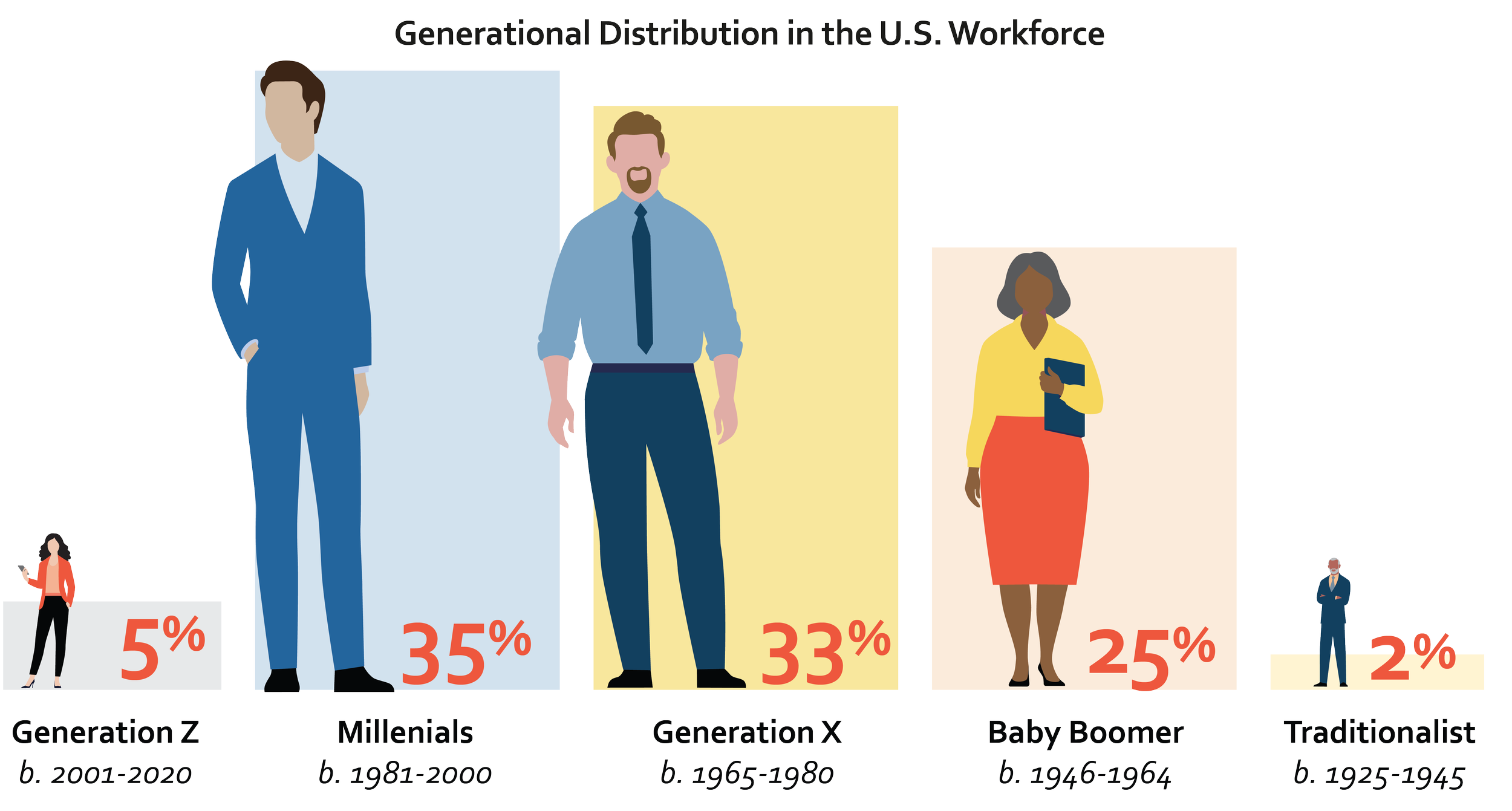
As of 2026, the modern professional environment is characterized by an unprecedented demographic overlap. It is common to find four or even five generations operating within the same organizational hierarchy, from Generation Z entrants to Boomer-generation executives. This stratification is not merely a social observation but a significant operational variable that influences communication styles, professional expectations, and problem-solving methodologies.
True age diversity requires more than simply hiring individuals across the age spectrum. It demands the removal of systemic barriers—often implicit—that categorize talent based on tenure or life stage rather than contribution and potential. Organizations that effectively harness age diversity recognize that professional value is not linear; the agility and digital fluency of younger cohorts often complement the institutional memory and crisis-management capabilities of older employees.
Prerequisites for an Age-Inclusive Culture
Cultivating an inclusive environment requires a proactive assessment of existing corporate policies. Before an organization can claim to be age-diverse, it must ensure that its foundational processes do not inadvertently penalize specific demographics. This involves reviewing recruitment language for coded bias, ensuring professional development programs are accessible to employees at every career stage, and auditing benefits packages to ensure they appeal to diverse needs, such as student loan repayment support versus elder-care assistance.
- Policy Audit: Reviewing internal documents to identify language that favors specific life stages, such as references to "digital natives" or "high-energy" environments, which can signal exclusionary intent.
- Inclusive Recruitment: Utilizing blind recruitment techniques where birth dates or graduation years are removed from initial screenings to focus on skill-based competency.
- Training Interventions: Implementing unconscious bias training that specifically addresses ageism, which is frequently overlooked compared to other protected characteristics.
Operational Benefits and Challenges
The primary benefit of a mixed-age workforce is the phenomenon of cognitive diversity. When a team approaches a business challenge from different generational viewpoints, they are more likely to identify blind spots that a homogenous group would miss. Research indicates that mixed-age teams often demonstrate higher collective intelligence because they synthesize different historical experiences with current market realities.
However, the challenge lies in managing the friction that occurs when these different work styles collide. For example, expectations regarding remote work, real-time communication versus deep-focus work, and hierarchies can vary wildly between cohorts. Management must act as a mediator, establishing clear communication protocols that transcend generational preferences to ensure that project objectives remain the priority.
| Feature | Early-Career Perspective | Mid-to-Late-Career Perspective |
|---|---|---|
| Primary Driver | Skill acquisition & growth | Stability & mentorship |
| Communication | Asynchronous, instant messaging | Structured meetings, email |
| Risk Tolerance | High, focus on innovation | Balanced, focus on sustainability |
| Professional Goal | Personal brand building | Legacy & knowledge transfer |
Strategies for Implementing Age-Inclusive Management
To move beyond policy and into practice, organizations must prioritize cross-generational collaboration. Mentorship programs are the most effective tool in this effort, provided they are structured as reciprocal "reverse-mentoring" models. In such setups, a younger employee might help a senior leader navigate new software platforms or social trends, while the senior leader provides career navigation, stakeholder management advice, and institutional context.
Furthermore, management should focus on output-based performance metrics. When evaluations are based on verified deliverables rather than "visibility" or office attendance, the inherent biases regarding when or how work should be completed begin to diminish. This approach creates a meritocracy where the age of the contributor becomes irrelevant to the quality of the output.
Addressing Age-Related Bias in Professional Development
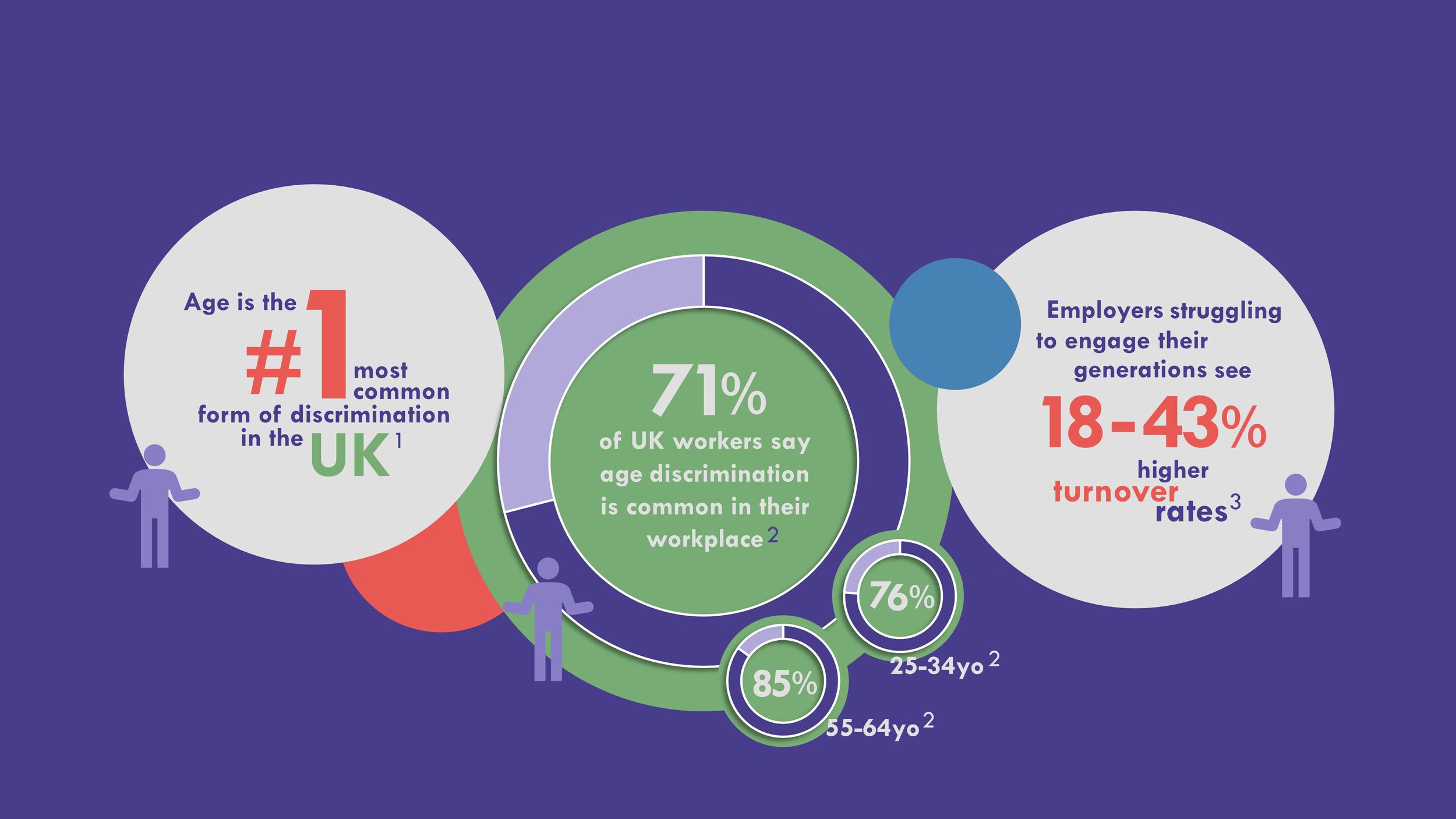
Professional development is often where ageism manifests most aggressively. There is a persistent, erroneous assumption that older workers are less interested in or less capable of mastering new technologies, leading to lower investment in their reskilling. Conversely, younger employees are often viewed as "job hoppers" and are excluded from long-term leadership tracks.
To mitigate this, organizations should implement individualized development plans that are based on an employee's career goals rather than their age bracket. A 55-year-old developer may have a deep interest in artificial intelligence, while a 22-year-old analyst may prioritize leadership and management training. By decoupling development tracks from age, firms ensure that they are not under-utilizing the potential of their human capital.
Resolving Conflicts in a Multi-Generational Team
When conflict arises, it is rarely due to age alone; it is usually a manifestation of differing values regarding professional behavior. To troubleshoot these issues, managers should:
- Define Shared Goals: Reframe the conflict by linking the disagreement to a shared project outcome rather than individual preferences.
- Encourage Direct Dialogue: Use structured mediation to help team members understand the "why" behind a colleague’s approach, rather than just the "what."
- Standardize Expectations: Clearly document expectations for communication—such as response times or preferred platforms—so that individuals do not have to guess the norms of their colleagues.
Next Steps for Building Diversity Initiatives
To begin the process of diversifying the age range of your workforce or improving inclusivity, conduct an internal audit of your current demographics and employee sentiment. Use internal surveys to identify whether employees of different generations feel equally supported in their career progression. If the data reveals a gap, prioritize the creation of a cross-generational committee tasked with reviewing current hiring and promotion practices.
Focus on identifying where your current pipeline of talent is leaking. If you are losing experienced staff, investigate whether your "off-boarding" or retirement policies are overly rigid or if there are flexible transition roles available, such as part-time consulting or advisory positions. If you are struggling to retain younger staff, audit your management training programs to ensure leaders are equipped to provide the frequent feedback and clear purpose that younger cohorts often prioritize.
Frequently Asked Questions
What is the difference between generational diversity and age diversity?
While often used interchangeably, age diversity refers to the specific chronological age of individuals, whereas generational diversity refers to the shared cultural and historical context of cohorts. Age diversity is the operational focus, as it accounts for the actual life stages and career needs of employees regardless of their specific generation labels.
Is age diversity protected by law?
In many jurisdictions, such as the United States under the Age Discrimination in Employment Act (ADEA), individuals over the age of 40 are protected from employment discrimination. However, age diversity initiatives go beyond legal compliance by actively promoting a culture that avoids bias against younger employees and maximizes the value of all age groups.
How does reverse mentoring work?
Reverse mentoring is a professional development strategy where a younger, less-tenured employee mentors a senior executive. This is particularly effective for transferring knowledge about emerging digital technologies, consumer habits, and modern workplace trends from the younger generation to the older, while the executive provides guidance on navigating organizational complexities.
How can I measure the success of age diversity initiatives?
Success should be measured through a combination of quantitative and qualitative data. Track the distribution of age ranges across different departments and seniority levels to identify imbalances. Supplement this with engagement surveys that specifically ask employees if they feel their perspectives are valued regardless of their career stage or age.
Should I tailor my management style to a person's age?
No, you should tailor your management style to the individual's needs, motivations, and learning preferences. While generational trends exist, assuming that a person will act a certain way based on their birth year is a form of stereotyping. Focus on understanding the specific employee’s goals and preferred work methods through direct communication.