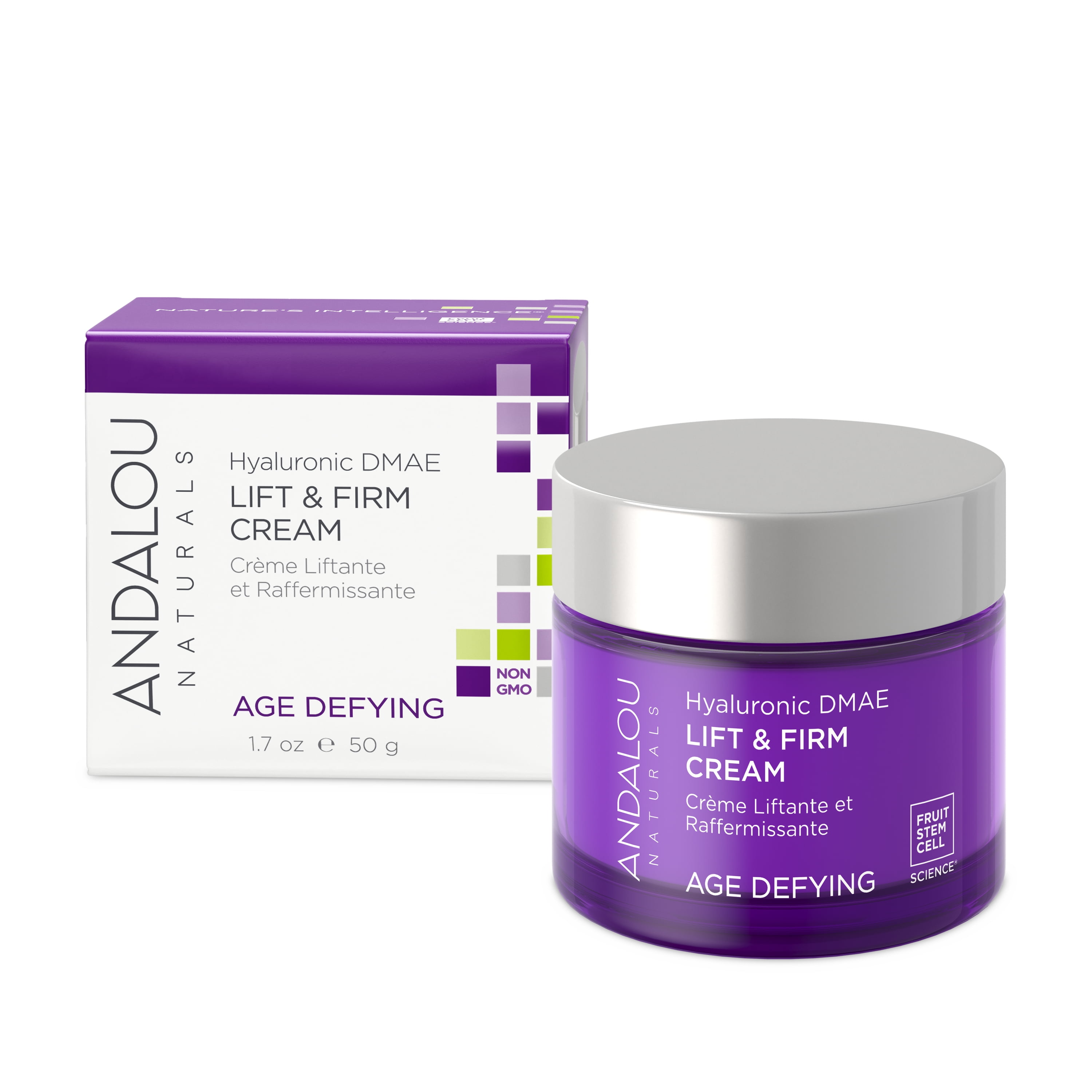
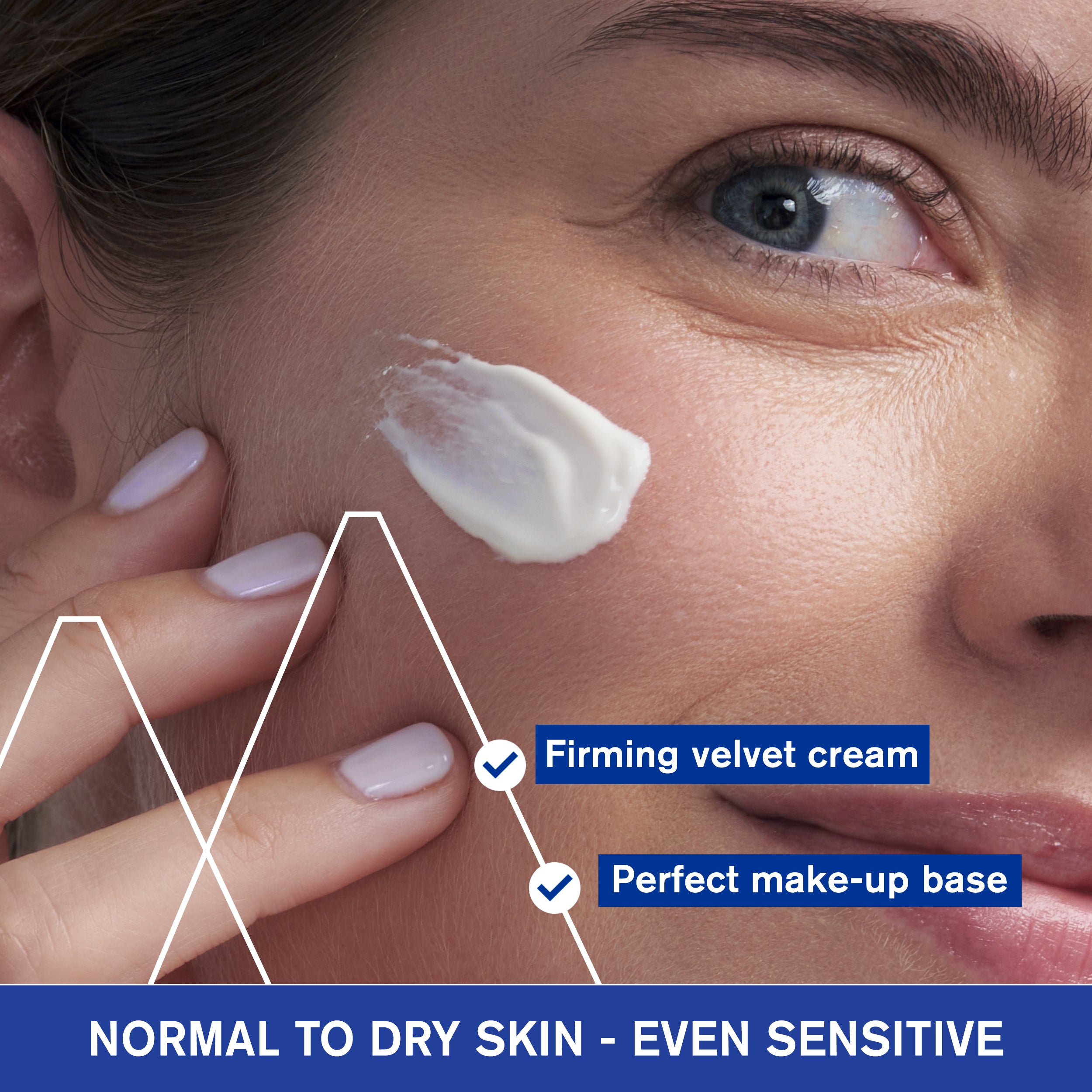
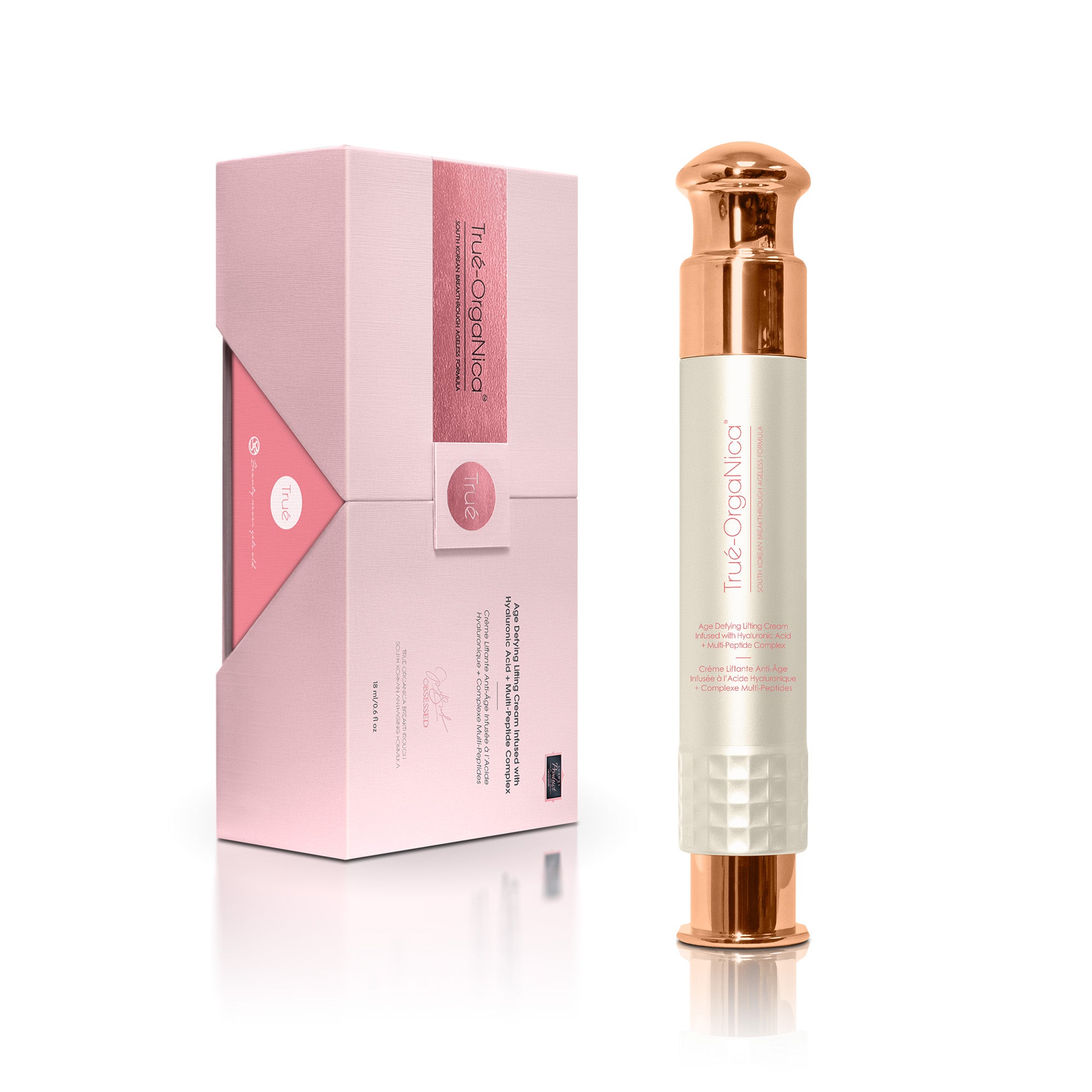
Age-defying lift and firm creams are topical skincare formulations engineered to improve the appearance of skin elasticity, facial contour definition, and surface texture. These products typically employ a blend of humectants, film-forming polymers, and specialized active ingredients designed to temporarily tighten the skin’s surface and support long-term hydration, resulting in a more sculpted and radiant appearance.
The Science of Topical Skin Firming and Sculpting
When discussing products designed to "sculpt" and "lift" the skin, it is essential to distinguish between immediate cosmetic effects and long-term biological improvements. The appearance of sagging skin is often a result of the depletion of collagen and elastin fibers within the dermis, combined with the loss of subcutaneous fat volume. While a topical cream cannot biologically reconstruct these deep structural layers, it can significantly alter the skin's surface dynamics.
Most high-quality firming creams utilize a dual-action approach. First, they incorporate film-forming agents—such as synthetic polymers or natural proteins—that dry into a thin, invisible layer on the surface of the skin. As these polymers dry, they exert a mild mechanical tension, which provides a physical "lifting" sensation and smoothing effect that can diminish the visibility of fine lines. Second, they utilize moisture-binding humectants like hyaluronic acid or glycerin to pull water into the epidermis, causing the skin to swell slightly, which plumps out wrinkles and creates a more radiant, light-reflective surface.
Core Ingredients and Their Functional Roles
Understanding the ingredient list is the most effective way to evaluate the potential efficacy of a firming treatment. Not all "age-defying" products are formulated equally; the concentration and bioavailability of the ingredients dictate whether a product will offer a noticeable improvement in skin firmness.
- Peptides: These are chains of amino acids that act as building blocks for proteins like collagen. While they do not provide a "lift" in the surgical sense, consistent use of certain signal peptides can encourage the skin’s natural support systems, leading to a firmer feel over time.
- Retinoids (Vitamin A derivatives): These remain the gold standard for long-term skin texture refinement. By accelerating cell turnover, retinoids help to improve skin density and thicken the epidermis, which can indirectly assist in a more sculpted appearance.
- Antioxidants (Vitamin C, Niacinamide, Ferulic Acid): These protect the skin from oxidative stress caused by environmental factors, which prevents the further breakdown of elastin. A healthy, protected skin barrier is inherently more radiant and resilient.
- Film-Forming Polymers: Ingredients such as pullulan or specialized silicones are responsible for the immediate "tightening" effect. These are usually found in products marketed specifically for instant sculpting.
Evaluating Product Performance and Suitability
Selecting the right cream requires an assessment of your specific skin type and the nature of your concerns. A product designed for someone with severe laxity will likely be too heavy for someone concerned primarily with early-onset fine lines. The following table provides a comparison of how different product categories approach the goal of achieving youthful skin.
| Feature | Instant Sculpting Creams | Long-Term Firming Treatments | Hydrating/Radiance Creams |
|---|---|---|---|
| Primary Mechanism | Surface film-forming polymers | Peptide and retinol complexes | Humectant-rich moisture barriers |
| Immediate Effect | Visible tightening/lifting | Subtle smoothing | Plumping via hydration |
| Long-Term Benefit | Minimal | Improved dermal density | Enhanced skin barrier health |
| Ideal User | Special event prep | Maintenance and prevention | Dry or dull skin types |
The Role of Application Techniques in Sculpting
The physical application of a lift and firm cream is as critical as the formulation itself. When applying these products, the goal is to counteract the effects of gravity and promote lymphatic drainage, which can reduce puffiness and emphasize the natural contours of the jawline and cheekbones.
Experts often recommend an upward, outward massage technique. Starting at the center of the face, use gentle upward strokes to move the product toward the hairline. For the jawline, use a firmer, lifting motion starting from the chin and moving toward the ears. This manual massage does not change the bone structure, but it does improve microcirculation, which contributes to a temporary, healthy glow and a slightly more defined appearance of the facial muscles. Consistency is key; applying these products twice daily, once in the morning and once at night, ensures that the skin remains hydrated and protected throughout the 24-hour cycle.
Managing Expectations and Realistic Outcomes
It is important to approach the market for age-defying products with a clear understanding of limitations. No topical cream can replace the physiological effects of professional dermatological procedures such as fillers, chemical peels, or surgical lifts. The "lift" achieved by a cream is essentially a cosmetic enhancement of the skin's surface.
Furthermore, factors such as sun exposure, diet, sleep, and genetics play a far larger role in the aging of the skin than any single product can address. A firming cream works best as part of a comprehensive routine that includes broad-spectrum sunscreen (SPF 30 or higher) every single day. UV radiation is the primary external driver of collagen degradation; without sun protection, the use of firming creams is largely an exercise in damage control rather than anti-aging.
Common Mistakes in Anti-Aging Routines
The most common error users make is the "layering paradox," where too many active ingredients are applied simultaneously, leading to irritation rather than rejuvenation. If you are using a potent retinoid for long-term firming, you should not necessarily pair it with harsh acids or excessive exfoliation, as this can weaken the skin barrier, leading to increased sensitivity and a loss of natural radiance.
Another mistake is failing to allow for a "settling" period. Instant-lift creams often contain polymers that require a few minutes to set. If you apply heavy makeup immediately after applying a lifting serum, the mechanical tension of the film can be compromised, causing the product to flake or "pill." Always wait for the product to feel fully absorbed before proceeding to the next step in your routine.
Frequently Asked Questions
Can a cream actually change the shape of my face?
No. Topical creams cannot change facial bone structure or muscle placement. They function by improving the elasticity and hydration of the skin's surface, which can lead to a firmer appearance and more defined contours, but these changes are superficial and temporary.
How long does it take to see results from firming creams?
For products focusing on instant aesthetic effects, results are visible within minutes of application. For products focused on long-term structural support, such as those containing peptides or retinoids, it typically takes 8 to 12 weeks of consistent daily use to observe a measurable improvement in skin firmness and texture.
Should I use firming creams on my neck and décolletage?
Yes, the skin on the neck and chest is often thinner and more prone to showing signs of aging than the face. Many formulas designed for the face are suitable for the neck, but ensure the product is non-comedogenic if you are prone to breakouts.
Are there side effects to using lift and firm creams?
The most common side effect is localized irritation, particularly if the cream contains active ingredients like retinol or certain preservatives. Always perform a patch test on the inner forearm 24 hours before applying a new product to your face, especially if you have sensitive skin.
Do I still need a moisturizer if I use a firming cream?
This depends on the formula. Many modern firming creams are designed as all-in-one treatments that include significant hydrating agents. If your skin feels tight or dehydrated after application, adding a separate moisturizer is appropriate.
Can men benefit from these formulations?
Yes. Skin physiology does not differ significantly regarding the necessity for hydration, sun protection, and collagen support. Products labeled "age-defying" or "firming" are generally suitable for all skin types, regardless of gender.
Establishing Your Next Actions
To successfully integrate a lift and firm cream into your regimen, begin by auditing your current products. If your existing routine lacks a sunscreen, acquire one before investing in high-priced anti-aging creams. Once you have a protective base, select a firming product that aligns with your specific skin type—choose lightweight gels for oily skin and richer, lipid-dense creams for dry or mature skin. Monitor your skin's reaction over a 30-day period. If you do not observe an improvement in radiance or texture by the end of this trial, consider consulting a dermatologist to determine if your skin concerns require clinical-grade interventions rather than over-the-counter solutions.