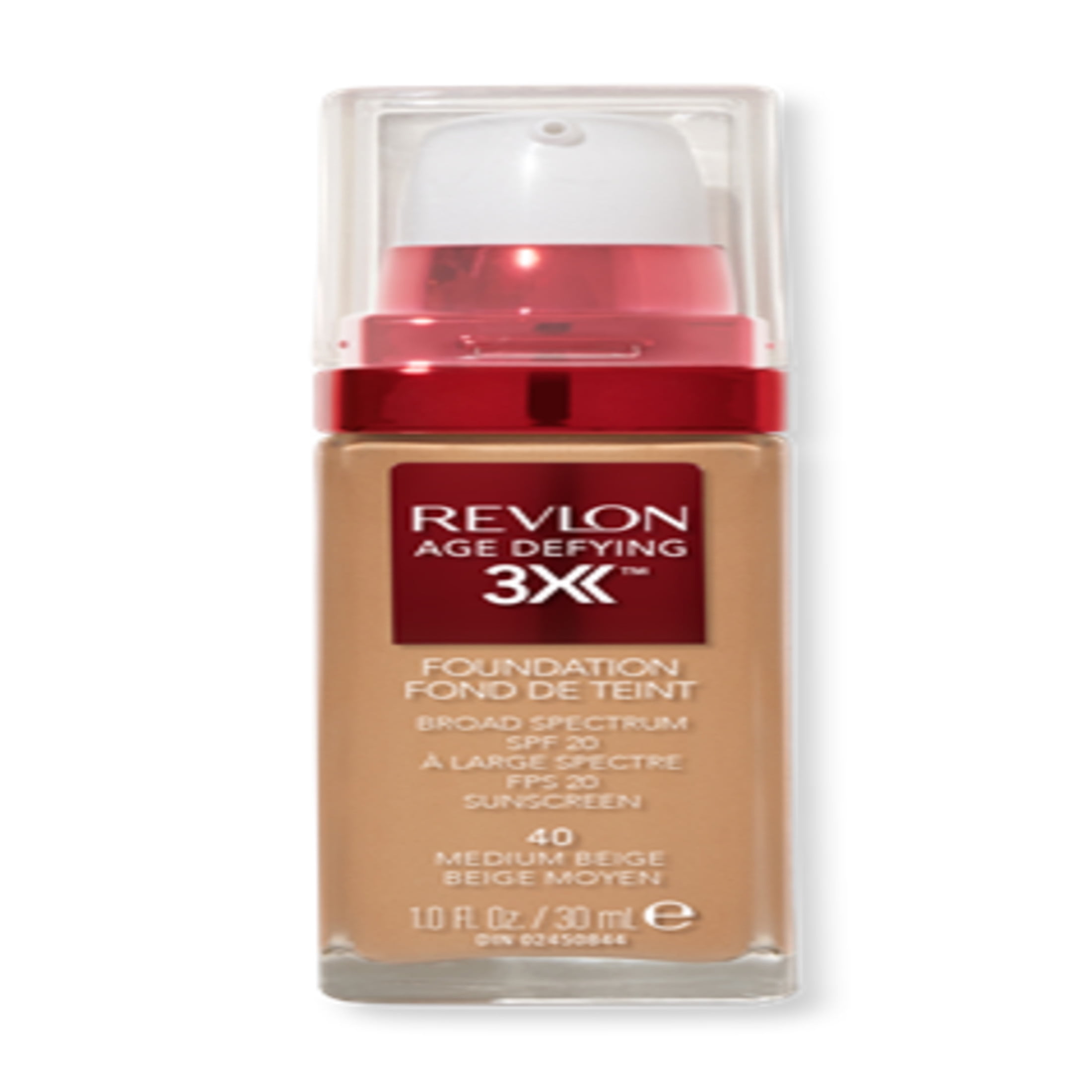
Achieving a flawless complexion as you mature requires a strategic shift from covering imperfections to enhancing skin texture and luminosity. Selecting an age-defying foundation involves prioritizing hydrating formulas, light-reflecting pigments, and buildable coverage that avoids settling into fine lines or accentuating skin dehydration, ultimately creating a natural, radiant finish.
Understanding the Needs of Mature Skin
As the skin matures, it undergoes physiological changes that directly affect how cosmetic products perform on the surface. Collagen and elastin production slows, leading to a decrease in structural firmness, while the lipid barrier often becomes less efficient at retaining moisture. This results in drier, thinner skin that is more susceptible to texture changes, such as fine lines, deeper wrinkles, and uneven pigmentation.
Traditional high-coverage foundations, which were often formulated for oil control or heavy matte finishes, can inadvertently highlight these shifts. When a heavy, powder-dense formula is applied, it tends to "migrate" into creases and emphasize dry patches. Therefore, the search for a flawless finish at any age begins with understanding that texture and hydration are more important than opaque coverage. A product designed to be age-defying typically functions as an extension of your skincare routine, offering nourishment alongside color correction.
Key Ingredients to Look For
When evaluating foundation labels, prioritize humectants and emollients that actively support the skin’s moisture barrier. Ingredients like hyaluronic acid, glycerin, and ceramides are gold standards in modern formulations. These components help plump the skin, effectively smoothing the appearance of fine lines by providing a hydration reservoir that remains stable throughout the day.
Look for "luminous" or "satin" finishes rather than "matte." Luminous foundations often incorporate light-reflecting particles—such as mica or pearl pigments—that diffuse light away from textured areas. This optical effect softens the appearance of shadows in wrinkles, creating a more uniform appearance. Additionally, many foundations now include antioxidants like Vitamin C or Vitamin E, which provide a defensive layer against environmental stressors while wearing the product.
The Role of Coverage and Texture
A common misconception is that more coverage equals a more flawless look. In reality, heavy-duty foundations can mask the skin’s natural translucency, leading to a "caked" look that looks out of place in daylight. For most, a light-to-medium, buildable formula is superior.
Buildable coverage allows you to apply more product only where it is strictly necessary—such as areas with redness or hyperpigmentation—while keeping the rest of the face looking sheer and natural. This technique ensures that the foundation remains flexible. If a formula is too rigid, it will crack as you make facial expressions, defeating the purpose of an age-defying product.
Comparison of Foundation Types for Mature Skin
Choosing the right format depends largely on your specific skin type, which may shift toward dryness as you age.
| Foundation Type | Benefits for Mature Skin | Potential Drawback |
|---|---|---|
| Serum Foundation | High hydration; extremely lightweight; provides a dewy, youthful glow. | Very light coverage; may not mask deep spots without concealer. |
| Cream Foundation | Excellent emollient properties; provides comfort; helps smooth texture. | Can feel heavy if applied in thick layers; requires careful blending. |
| Liquid Foundation | Most versatile; offers buildable coverage; wide range of finishes. | Must ensure it is non-comedogenic and free of drying alcohols. |
| Tinted Moisturizer | Easiest to apply; hydrates while providing a sheer wash of color. | Minimal coverage for significant discoloration or dark spots. |
Application Techniques for a Flawless Result
Even the most expensive foundation will perform poorly if applied incorrectly. For mature skin, the application tool is as important as the formula itself.
- Preparation: Ensure your skin is thoroughly exfoliated and moisturized before application. Use a silicone-free primer if you have concerns about large pores or uneven texture.
- Tool Selection: A damp beauty sponge is often superior to a brush for mature skin. The sponge presses the product into the skin rather than sitting on top of it, creating a seamless, "second-skin" finish.
- Targeted Application: Start at the center of the face and blend outward. Use minimal product on the perimeter, as buildup there often draws attention to the hairline and jawline.
- Setting: Skip the heavy translucent powder over the entire face. If you must set, use a finely milled powder only on the T-zone, and use a setting spray to lock the makeup in place without compromising the dewy finish.
Addressing Common Challenges
Many users find that their foundation changes color or texture by midday. This is often an oxidation issue or a reaction to the oils on the skin. To troubleshoot this, verify if your foundation is water-based or silicone-based; your primer should share the same base to prevent separation. If the foundation looks patchy by 3:00 PM, consider switching to a slightly richer moisturizer underneath to ensure the skin remains hydrated.
Furthermore, color matching is vital. As we age, our skin tone can become more muted or develop different undertones due to sun exposure. Re-evaluating your shade every six months is a practical step, as your winter and summer shades may shift differently than they did in younger years. Always test shades in natural light, ideally along the jawline, to ensure the match is seamless with your neck.
Essential Next Steps for Your Makeup Routine
To achieve the best results, treat your foundation as the final step of your skincare rather than the first step of your makeup. Begin by auditing your current products to ensure they are not causing unnecessary dryness. If you find your skin is particularly dull, look for foundations that contain "illuminating" properties, which can help restore the natural vitality that may have faded.
If you struggle with specific areas like dark circles or age spots, do not try to cover them with more foundation. Instead, use a high-pigment, creamy concealer specifically on those spots after applying a lighter layer of foundation. This keeps the bulk of your face looking natural and radiant while ensuring problem areas are appropriately neutralized. Moving forward, prioritize products that prioritize the long-term health of your moisture barrier, as healthy skin is the ultimate foundation for a flawless look.