Determining age and birth year requires straightforward arithmetic, yet managing these figures accurately is critical across legal, financial, medical, and administrative domains. Calculating a person's exact age depends on both their birth date and the current reference date, accounting for whether their birthday has occurred yet within the calendar year.
The Mathematical Relationship Between Age and Birth Year
At its core, calculating age from a birth year relies on linear time subtraction, though it requires specific parameters to yield an accurate result. To determine a person's age in any given calendar year, you must subtract their birth year from the current year. However, this preliminary figure represents only the maximum possible age an individual will reach during that calendar year.
To find the exact current age, you must also compare the month and day of birth against the current month and day. If the current date has not yet reached the individual's birthday for the year, you must subtract one from the preliminary calculation. This distinction prevents common errors in chronological record-keeping, ensuring that age verification systems, government registries, and medical histories remain precise.
Understanding this mathematical relationship also allows reverse calculations. If you know an individual's exact age and the current calendar date, you can determine their birth year by subtracting their age from the current year, adjusted further depending on whether their birthday has passed.
Chronological Factors in Age Verification
Verifying an individual's age for official purposes demands strict adherence to chronological milestones rather than generalized approximations. Official identification documents—such as passports, driver's licenses, and birth certificates—rely on exact birth dates to establish legal majority, retirement eligibility, and age-restricted permissions.
| Verification Context | Standard Document Required | Primary Purpose | Key Chronological Consideration |
|---|---|---|---|
| Employment and Labor | Government-issued ID / Tax Form | Compliance with labor laws | Verification of minimum working age |
| Financial Services | Passport / National Identity Card | Account opening and KYC compliance | Determining legal adulthood for contracts |
| Healthcare and Pediatrics | Birth Certificate / Medical Record | Dosage calculation and developmental staging | Exact age tracked in months for infants |
| Regulated Commerce | Driver's License / State ID | Age-restricted product sales | Exact day and month confirmation |
Organizations must account for leap years and varying month lengths when calculating precise ages for legal and medical applications. For instance, pediatric medicine often measures infant and toddler age in exact months and weeks rather than years, because developmental milestones change rapidly during early childhood.
Practical Methods for Calculating Age and Birth Year
Executing accurate age and birth year calculations manually or programmatically requires standardized approaches. When building digital systems or performing manual audits, professionals use established formulas to eliminate human error.
- Identify the Reference Date: Establish the exact current year, month, and day. In temporal reference frameworks, this is often set to the current date of evaluation.
- Retrieve the Birth Date: Obtain the verified birth year, month, and day from an official source document.
- Subtract the Years: Subtract the birth year from the reference year to get the base age.
- Evaluate the Month and Day: Compare the reference month and day to the birth month and day.
- Apply the Adjustment: If the reference month and day precede the birth month and day, subtract one year from the base age. Otherwise, retain the base age.
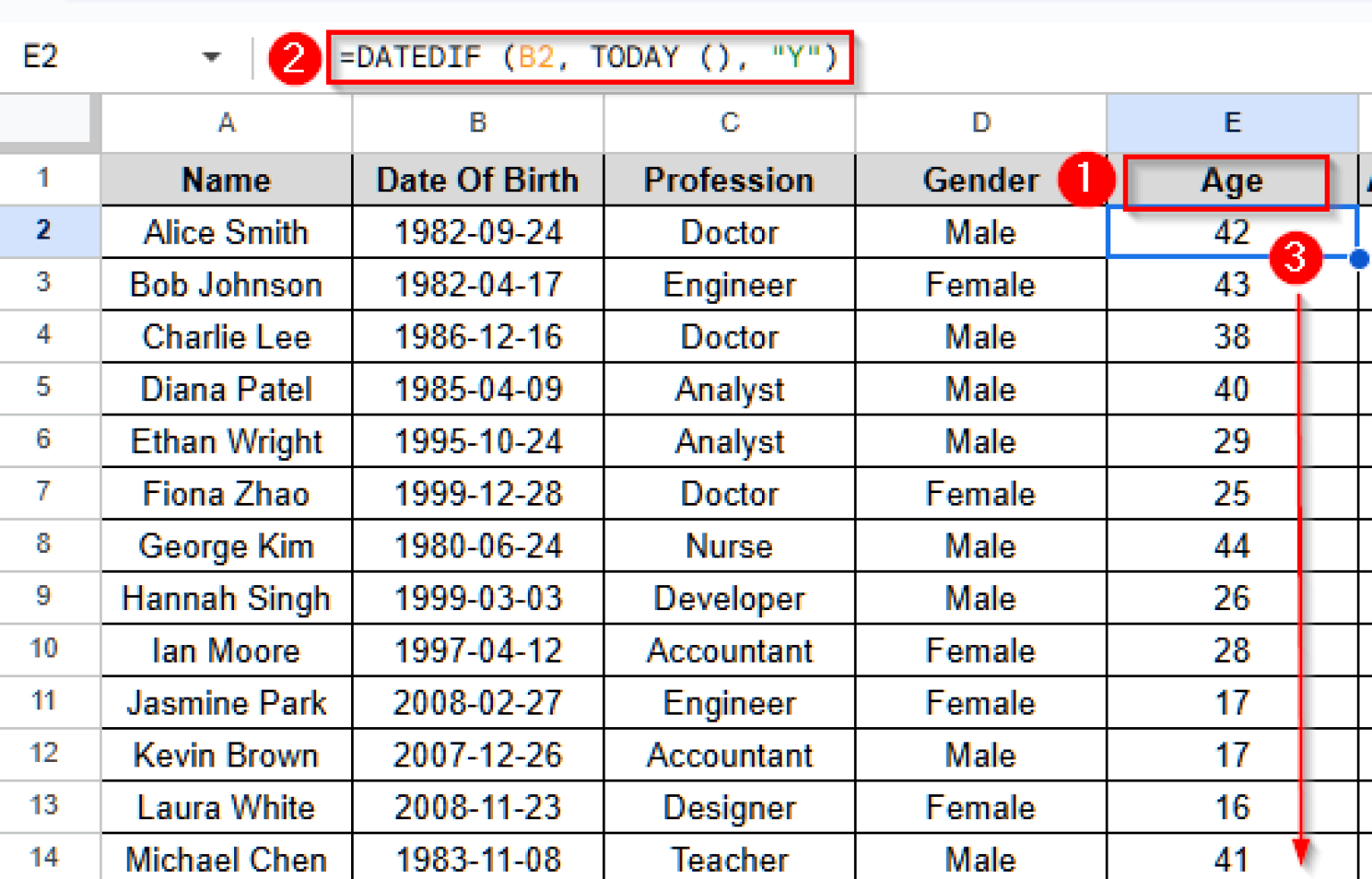
Programmatically, modern software environments handle these calculations using datetime libraries that natively account for leap years, variable month lengths, and time zones. Relying on built-in date functions prevents errors that manual integer subtraction often introduces when crossing calendar boundaries.
Common Errors and Edge Cases in Age Tracking
Several common discrepancies arise when tracking age and birth year across different cultural, legal, and systemic frameworks. Recognizing these edge cases prevents administrative failures and regulatory non-compliance.
- Leap Day Birthdays: Individuals born on February 29 present a unique edge case during non-leap years. Legal jurisdictions and automated systems establish specific rules—often recognizing either February 28 or March 1—as the official date of aging for non-leap years.
- Cultural Age Systems: Certain traditional systems, such as the historical East Asian age reckoning, calculate age differently by assigning an age of one at birth and incrementing age at the Lunar New Year rather than the individual's actual birthday. Global digital systems must normalize these figures to Western calendar standards for international consistency.
- Time Zone Variations: When age verification occurs across international borders, time zone differences can shift the current date, occasionally altering the calculated age if a verification request lands precisely at midnight.
Why Accurate Birth Year Records Matter in Compliance
Maintaining precise birth year data is paramount for institutional compliance, data security, and identity management. Financial institutions, insurance providers, and educational organizations must adhere to strict regulatory frameworks that mandate exact age verification. For example, regulations such as the Children's Online Privacy Protection Act (COPPA) require digital platforms to verify birth years to restrict data collection from minors under a specific threshold.
In the insurance and actuarial sectors, birth years dictate risk assessment models, premium calculations, and policy eligibility. A single digit error in a birth year can misalign risk profiles, leading to incorrect underwriting, coverage disputes, or regulatory penalties. Consequently, organizations implement multi-factor identity verification protocols that cross-reference user-submitted birth years against authoritative government databases.
Frequently Asked Questions About Age and Birth Year
How do you calculate age if you only know the birth year?
If you only know the birth year, you can calculate the approximate age by subtracting the birth year from the current year. However, this calculation yields a range of two possible ages depending on whether the individual's birthday has occurred yet in the current calendar year. To find the exact age, the specific month and day of birth are required.
Why do some legal systems require exact dates instead of just birth years?
Legal systems require exact dates because rights, responsibilities, and eligibility often hinge on specific calendar days rather than calendar years. For instance, voting rights, driving privileges, and legal majority take effect on a person's exact birthday, making year-only data insufficient for compliance.
How are ages calculated programmatically in software development?
Software developers calculate age by subtracting the birth date from the current date using native programming language datetime objects. These functions automatically handle complex chronological variables, including leap years, varying month lengths, and time zone adjustments.
What is the difference between chronological age and biological age?
Chronological age measures the exact time elapsed from an individual's birth year to the present date based on the calendar. Biological age, by contrast, estimates the physiological condition of a person's cells and tissues relative to population health standards, which can differ from their actual chronological age.
How do leap years affect age calculations?
Leap years add an extra day to the calendar on February 29 every four years. While this does not change the standard subtraction formula for age, it requires software and manual calculations to account for 366-day years to ensure exact day-count accuracy in specialized applications.
Verifying Chronological Data for Administrative Accuracy
Ensuring the integrity of age and birth year data requires utilizing verified documentation and standardized calculation methodologies. Whether managing human resources records, processing financial accounts, or complying with regulatory frameworks, organizations must rely on official identification documents and robust date-handling protocols. Maintaining precision in these records prevents legal liabilities, operational errors, and administrative delays across all professional sectors.