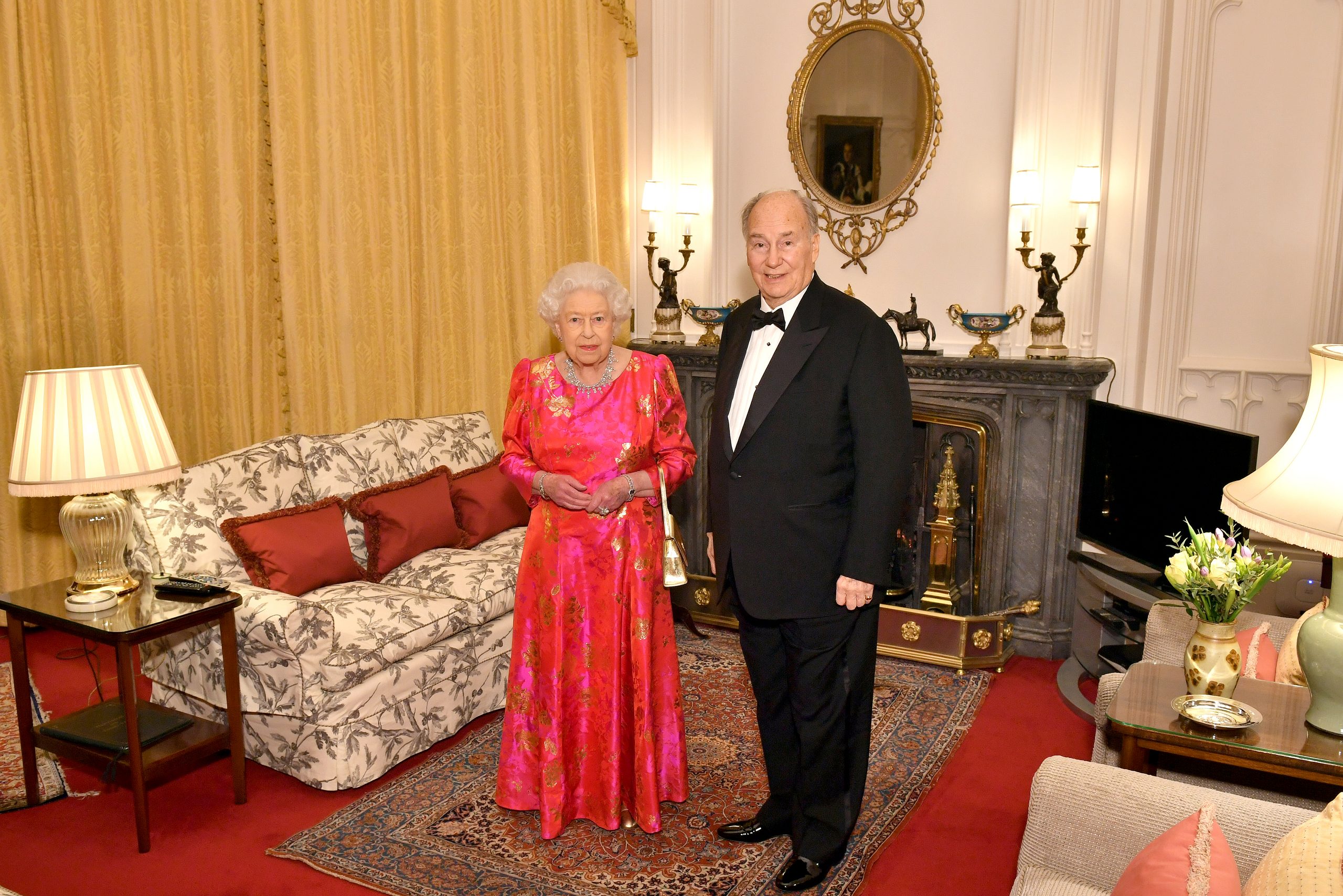
The net worth of Shah Karim al-Husseini, the Aga Khan IV, is frequently estimated by media outlets to range between $800 million and several billion dollars, though calculating an exact figure is exceptionally complex due to the unique religious, institutional, and communal nature of his assets. As the 49th hereditary Imam of the Shia Ismaili Muslims, the Aga Khan holds a distinct position where private personal wealth intersects with massive international development networks, institutional holdings, and philanthropic foundations. Understanding his true financial standing requires a clear examination of how Ismaili imamat assets are structured, distinguishing between personal wealth, community-held infrastructure, and the extensive global operations of the Aga Khan Development Network.
Evaluating the fortune of the leader of millions of Ismaili Muslims scattered across more than 25 countries involves peeling back layers of sovereign immunity, family trusts, and philanthropic endowments. While popular culture and financial journalism often label him as one of the world's wealthiest royal figures—frequently citing a billion-dollar baseline—rigorous financial analyses reveal a much more nuanced picture. This examination details the historical roots of his wealth, the structural separation between private assets and institutional holdings, the scope of his economic influence, and the practical realities of valuing a multi-faceted spiritual and temporal legacy.
The Unique Status and Heritage of the Imamat
To understand the financial standing of the Aga Khan, one must first recognize that the Imamat is a spiritual office rather than a traditional sovereign state. Unlike monarchs who derive wealth from national treasuries, state lands, or taxation, the Aga Khan’s historical financial foundation rests upon centuries of traditional tithes and offerings from the global Ismaili community. These contributions, known as dasond, are religious dues given voluntarily by followers to support the Imamat’s institutional, educational, and philanthropic initiatives.
The title of Aga Khan was granted in the 19th century by Persian monarch Fath-Ali Shah Qajar to Hasan Ali Shah, the 46th Imam. Subsequent leaders, including the current Aga Khan’s grandfather (Sir Sultan Mahomed Shah, Aga Khan III) and the present Aga Khan IV, expanded these resources into sophisticated networks of modern institutions. While early British colonial administrators and subsequent tax authorities often grappled with how to classify these funds, international law generally recognizes the Aga Khan as a unique religious leader holding specific status, though individual personal assets remain subject to national tax laws in countries where he maintains residences, such as France, Portugal, and the United Kingdom.
Distinguishing Personal Wealth from Institutional Assets
A primary source of confusion in estimating the Aga Khan's net worth stems from the conflation of personal private property with the vast assets of the Aga Khan Development Network (AKDN). Media publications frequently attribute the entire valuation of AKDN's economic, health, and cultural agencies to the personal balance sheet of the Imam. In reality, modern financial governance and Ismaili jurisprudence enforce a strict separation between the private estate of the individual holding the office and the assets dedicated to the welfare of the community and the public.
The AKDN operates as a contemporary development organization encompassing hundreds of legal entities, including hospitals, universities, tourism promotion services, and microfinance institutions across Asia and Africa. While the Aga Khan exercises ultimate authority over the governance and direction of these institutions, they do not constitute liquid personal wealth that can be liquidated for private use.
| Asset Category | Description | Ownership & Control |
|---|---|---|
| Personal Estate | Real estate holdings, private aircraft, yachts, and personal investments. | Owned privately by the Aga Khan family, subject to private estate management. |
| Ismaili Imamat Assets | Properties, administrative facilities, and historical holdings dedicated to the administration of the faith. | Held in trust for the spiritual and administrative needs of the Ismaili community. |
| AKDN Agencies | Aga Khan University, Aga Khan Fund for Economic Development (AKFED), and hospital networks. | Operated independently as non-profit or commercial entities under professional management boards. |
| Tenth (Dasond) Contributions | Voluntary financial contributions from global Ismaili adherents. | Channelled directly into community development, welfare, and institutional maintenance. |
Commercial Holdings and Economic Enterprises
Despite the strict separation between personal and institutional assets, the Aga Khan's private portfolio and the commercial arms of the Imamat include substantial business interests. The Aga Khan Fund for Economic Development (AKFED) acts as the economic development arm of the AKDN, investing in emerging markets to stimulate local economies. AKFED holds stakes in various commercial enterprises, including Serena Hotels, media groups, industrial projects, and financial institutions in East Africa and South Asia.
However, AKFED operates under a mandate where profits are systematically reinvested into further development activities rather than distributed as private dividends to the Imam. This reinvestment model distinguishes AKFED from traditional venture capital or private equity firms. On the private investment front, the Aga Khan family has historically held significant interests in thoroughbred horse breeding and racing operations, real estate in France and Switzerland, and private art collections, though many of these assets require substantial ongoing maintenance and operational expenditures rather than generating pure liquid wealth.
Philanthropic Scale and Global Impact
Assessing the financial footprint of the Aga Khan would be incomplete without examining the sheer scale of the philanthropic apparatus he directs. The AKDN spends hundreds of millions of dollars annually on social development, healthcare, education, and cultural restoration. Projects like the Aga Khan Trust for Culture have invested heavily in urban revitalization initiatives, such as the creation of public parks in Cairo, Kabul, and Delhi, and the restoration of historic Islamic architecture worldwide.
This philanthropic commitment shifts the analytical paradigm from asking how much the Aga Khan possesses to evaluating how effectively capital is mobilized for global development. By leveraging partnerships with international governments, multilateral agencies, and private donors, the Imamat acts as a catalytic financial force. Consequently, any static financial valuation of "net worth" fails to capture the dynamic flow of capital passing through these global development networks every fiscal year.
Evaluating the Billion-Dollar Estimates
Financial publications and wealth trackers frequently place the Aga Khan's personal net worth between $1 billion and $3 billion, occasionally leaning on outdated legacy assessments from the mid-20th century. These high-end estimates often extrapolate the total asset value of the industrial and commercial enterprises associated with the Imamat without accounting for liabilities, operational overhead, institutional trusts, and legal restrictions on asset alienation.
In practice, the liquid personal wealth available to Shah Karim al-Husseini is a fraction of the macroeconomic valuations often quoted in celebrity wealth lists. While he undoubtedly commands substantial lifestyle resources commensurate with his global diplomatic status and hereditary role, his financial reality is defined more by stewardship, fiduciary duty, and institutional administration than by personal accumulation of private capital.
Frequently Asked Questions
Is the Aga Khan considered a head of state?
The Aga Khan is not a head of state in the traditional political sense, as he does not govern a sovereign country with a defined geographic territory. However, he is accorded diplomatic rank, honors, and precedence by numerous nations and international organizations, reflecting his status as a spiritual leader to millions worldwide.
Where does the funding for the Aga Khan Development Network come from?
Funding for the AKDN is diversified and multi-sourced. It comes from voluntary contributions by the Ismaili community, returns on investments from commercial enterprises managed by AKFED, grants and partnerships with international governments and multilateral institutions, and private philanthropic donations.
How is the successor to the Aga Khan chosen?
According to Ismaili tradition, the Imam designates his successor from among his male descendants, either through direct lineage or through a specific appointment made by the reigning Imam during his lifetime, guided by the needs of the community and the spiritual authority of the office.
Does the Aga Khan pay taxes?
Like any private citizen, the Aga Khan is subject to taxation on his personal income and private assets in the countries where he holds legal residency and where his private properties are located, while the institutional entities and foundations of the AKDN operate under the specific legal and tax frameworks established for non-profit and development organizations.
What is the relationship between the Aga Khan and the Ismaili community?
The relationship is rooted in the spiritual authority of the Imamat. Ismailis look to the Aga Khan for guidance in both spiritual matters and the interpretation of the faith, while the Imamat establishes institutions that foster the social, economic, and cultural well-being of the community.