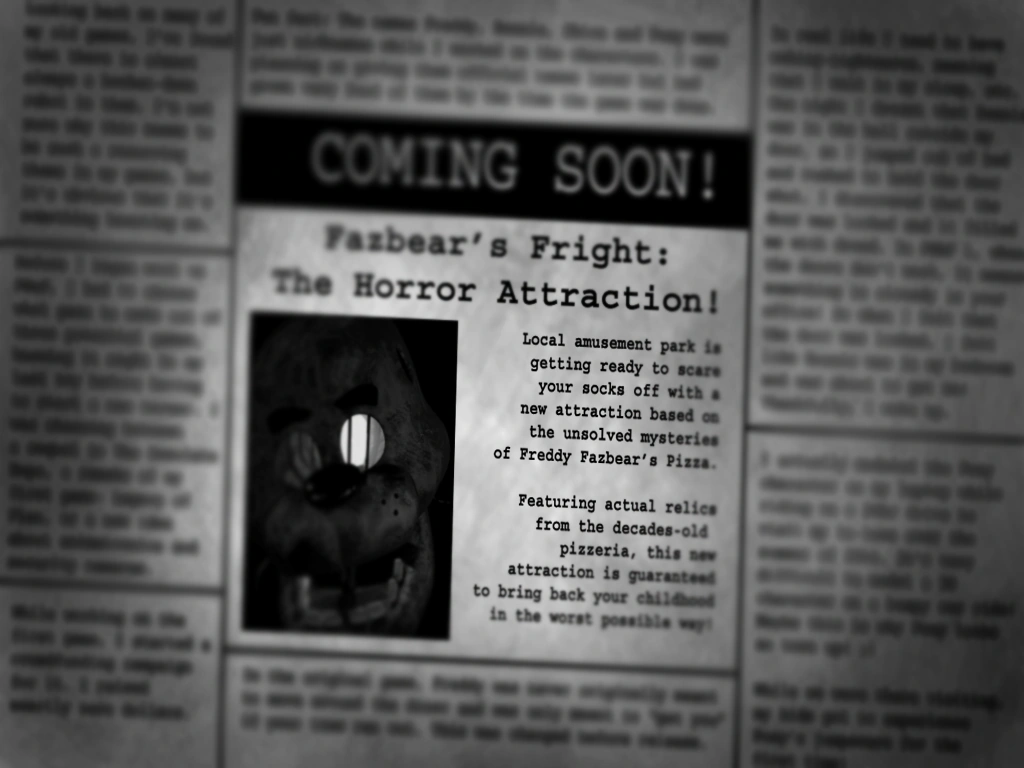
The sprawling lore of Scott Cawthon’s media franchise often blurs the line between speculative fiction and genuine historical trauma, prompting fans to explore whether afton s family in real life the truth behind the fazbear horror stems from actual events. While the supernatural animatronics and remnant-fueled machinery are pure fiction, the narrative foundation borrows heavily from real-world corporate negligence, 20th-century American family dynamics, and a notorious 1980s safety crisis in the family entertainment industry.
Deconstructing the Myth of the Real-Life Afton Family
To understand the cultural phenomenon surrounding William Afton and his doomed progeny, one must first separate narrative lore from investigative reality. Within the established fictional universe, the Afton family—comprising William, Michael, Elizabeth, and the Crying Child—serves as the tragic catalyst for decades of corporate bloodshed at Freddy Fazbear's Pizza. However, viral internet hoaxes frequently attempt to link the names William Afton and Michael Afton to real criminal investigations from the mid-to-late 20th century.
Investigative research into public records reveals no historical family bearing the surname Afton that operated a chain of animatronic pizza restaurants during the 1980s. The characters are literary constructions designed to embody specific archetypes of domestic failure and corporate malfeasance. Scott Cawthon drew broad inspiration from the golden age of family entertainment centers, such as ShowBiz Pizza Place and Chuck E. Cheese's, merging those nostalgic memories with urban legends and true crime documentaries popular in the American zeitgeist.
The Industrial Realities of 1980s Family Entertainment Centers
While the Afton family itself is fictional, the operational environment of Freddy Fazbear's Pizza mirrors the actual business landscape of 1980s arcade and pizzeria chains. During this era, rapid expansion outpaced federal safety standards for complex electromechanical machinery. Pneumatic actuators, heavy steel endoskeletons, and high-voltage wiring were often housed within flammable foam and fabric costumes, supervised by teenage or young adult staff with minimal technical training.
Real-world safety incidents involving early animatronic prototypes and arcade equipment provided a grim backdrop for the fictional horror. Though industrial accidents involving fatalities were exceedingly rare, mechanical malfunctions, unexpected startup cycles, and severe pinching hazards were genuine concerns for technicians working behind the scenes. The narrative tension of the franchise exploits these authentic workplace anxieties, transforming routine maintenance hazards into supernatural perils.
True Crime Parallels and the Origins of Missing Children Legends
The darkest element of the Fazbear horror—the disappearance of children within a family entertainment venue—draws undeniable thematic parallels to real-world tragedies that haunted American communities during the late 20th century. The most prominent historical touchstone influencing the psychological horror of the franchise is the wave of missing children cases and stranger-danger public safety campaigns of the 1970s and 1980s.
Furthermore, specific corporate negligence cases and industrial accidents heavily influenced public perception of safety in entertainment spaces. The table below outlines how specific fictional tropes map onto real-world historical and industrial phenomena from that era.
| Fictional Trope | Real-World Counterpart | Historical Context |
|---|---|---|
| Unregulated Animatronic Machinery | Early Arcade & Theme Park Engineering | 1980s pneumatic systems lacked modern fail-safe sensors and software interlocks. |
| The Disappearance Incidents | 1980s Stranger Danger & Missing Persons | Heightened societal anxieties regarding child safety in public commercial spaces. |
| Corporate Cover-Ups | 20th-Century Product Liability Cases | Prioritization of brand protection over transparent public safety disclosures. |
| Labyrinthine Backstage Areas | Commercial Kitchen & Utility Design | Maze-like employee-only zones in aging shopping malls and entertainment complexes. |
Psychological Motifs: Domestic Dysfunction and Parental Neglect
Beyond industrial hazards, the enduring resonance of the Afton family saga stems from its raw portrayal of profound domestic dysfunction. William Afton is depicted not merely as a supernatural monster, but as an emotionally detached patriarch whose obsession with technological immortality and corporate dominance destroys his household. Michael Afton’s arc explores severe survivor's guilt, familial obligation, and the desperate pursuit of redemption for paternal sins.
Psychologists and literary analysts frequently point to these dynamics as the true anchor of the narrative. By grounding a supernatural horror story in themes of child neglect, sibling rivalry, and the psychological burden of inherited trauma, the creator tapped into universal human fears. The horror does not arise solely from a possessed metal suit, but from the systemic failure of the adults entrusted with the protection of the innocent.
Separating Fact from Fiction in Internet Lore
In the digital age, fan communities on platforms like YouTube, TikTok, and Reddit have generated extensive speculative archives attempting to prove that the Afton family is based on real people. These theories often rely on manipulated photographs, misattributed newspaper clippings, and conflated true crime stories from unrelated jurisdictions.
| Investigation Category | Fictional Narrative | Verified Reality |
|---|---|---|
| Surnames & Genealogy | The Afton family lineage tied to 1980s Utah restaurateurs. | No historical record of a restaurateur named William Afton in Utah matching the lore. |
| Corporate Entities | Fazbear Entertainment as a publicly traded front for illicit activity. | Entirely fictional corporate entity created for narrative purposes. |
| Electromechanical Deaths | Children and technicians killed inside operational animatronics. | Zero documented historical fatalities caused by animatronic character entrapment in commercial pizzerias. |
Navigating the Legacy of Modern Folklore
The cultural impact of the Fazbear mythos demonstrates how contemporary folklore evolves in the internet era. When evaluating claims regarding afton s family in real life the truth behind the fazbear horror, researchers and enthusiasts must rely on documented historical archives rather than viral speculation. The true power of the narrative lies in its ability to synthesize real historical anxieties about industrial safety and domestic vulnerability into a compelling modern campfire story.
For readers seeking to understand the true history behind these stories, examining primary sources related to 1980s arcade culture, labor standards, and the evolution of amusement park safety regulations provides a clear and grounded perspective. The real horror of the era was never supernatural; it was the mundane vulnerability of children navigating inadequately regulated commercial spaces.
Frequently Asked Questions
Was William Afton based on a real serial killer?
No historical serial killer directly inspired William Afton. While the character embodies the archetype of a predatory figure operating within a trusted public space, he is a fictional composite created to drive the narrative of the franchise.
Did Freddy Fazbear's Pizza ever exist in real life?
Freddy Fazbear's Pizza is entirely fictional. However, its aesthetic, game tokens, ball pits, and animatronic stage shows were directly modeled after real 1980s family entertainment chains such as ShowBiz Pizza Place and Chuck E. Cheese's.
Why do people believe the Afton family is real?
Viral internet content, ARG (Alternate Reality Game) marketing campaigns, and elaborate fan theories often blur the boundaries between fiction and historical reality, leading casual observers to mistake manufactured lore for documented true crime.
Are modern animatronics dangerous like the ones in the story?
Modern entertainment animatronics operate under stringent international safety standards, utilizing computer-controlled sensors, low-pressure pneumatics, and emergency stop mechanisms that make physical entrapment or injury virtually impossible during normal operation.
What inspired the creation of the franchise's lore?
Scott Cawthon developed the original concept after his previous family-friendly video game received criticism for character designs that looked inadvertently creepy and stiff, prompting him to lean intentionally into the uncanny valley effect.
Practical Next Steps for Enthusiasts
Readers interested in exploring the historical and cultural roots of modern horror media should investigate the evolution of commercial amusement parks and arcade safety legislation during the late 20th century. By researching primary industry publications from the 1980s, you can gain an accurate understanding of how real entertainment venues operated before digital automation transformed the industry.