The October 1, 2017, mass shooting at the Route 91 Harvest music festival in Las Vegas left an indelible mark on American history, reshaping public safety protocols, emergency medical responses, and the long-term psychological recovery of thousands of survivors and community members. Examining this historic tragedy requires a close look at the systemic changes in trauma medicine, crisis response, and the lifelong journey of healing for those affected.
Historical Context and Scope of the Tragedy
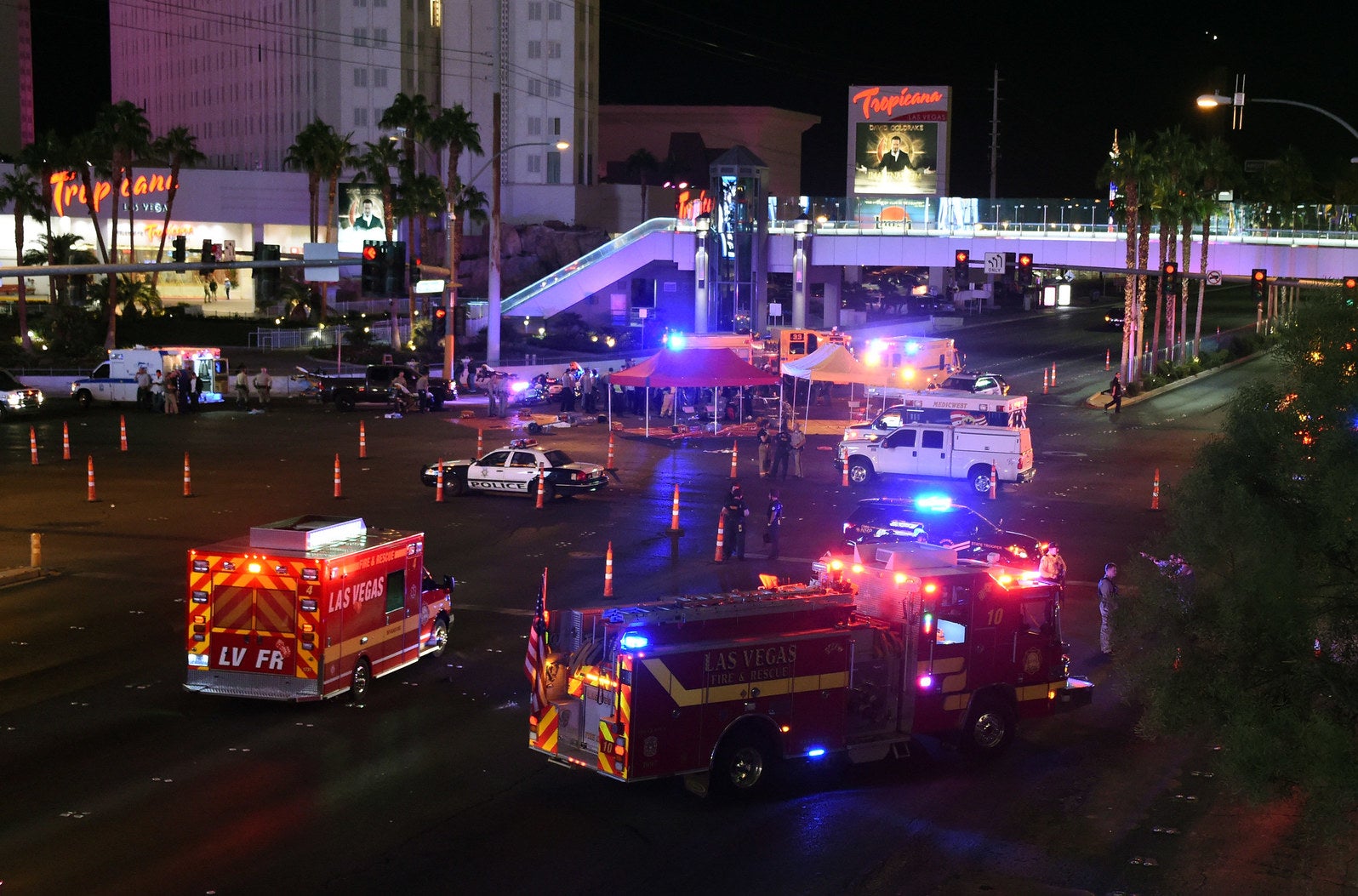
The Route 91 Harvest festival tragedy stands as one of the deadliest mass shootings by a lone gunman in modern United States history. Taking place on the Las Vegas Strip, the event brought together tens of thousands of country music fans in an open-air venue. The sheer scale of the casualty count—with 58 direct fatalities initially, hundreds of physical injuries from gunfire and stampedes, and thousands of attendees exposed to extreme violence—overwhelmed local emergency infrastructure within minutes.
Understanding the enduring impact of the incident necessitates looking beyond the immediate timeline of the evening. The event exposed critical vulnerabilities in open-air venue security, communications protocols among fragmented first-responder agencies, and the capacity of regional trauma centers to absorb a sudden mass-casualty surge. Government investigations, independent After-Action Reports (AARs), and academic studies subsequently transformed how emergency planners approach large-scale public gatherings. The findings catalyzed nationwide reviews of venue safety, credentialing, and emergency egress routes, ensuring that subsequent public events incorporated hard-learned lessons regarding hostile event mitigation.
Transformation of Pre-Hospital and Trauma Medical Care
One of the most consequential developments stemming from the aftermath of the Las Vegas shooting is the nationwide adoption and refinement of advanced tactical combat casualty care principles for civilian law enforcement and emergency medical services (EMS). During the incident, civilian bystanders, off-duty medical professionals, and police officers utilized improvised tourniquets and applied direct pressure to save numerous lives before professional paramedics could safely enter the hot zone.
This high-stress scenario accelerated the implementation of programs like "Stop the Bleed," an initiative designed to train laypeople in life-saving hemorrhage control techniques. Regional trauma systems also overhauled their internal disaster management protocols. Hospitals across the United States recognized that conventional triage procedures are insufficient during active shooter scenarios where hundreds of patients arrive simultaneously with penetrating trauma. Consequently, medical facilities instituted integrated communication channels with local dispatch centers, established rapid-mobilization surgical teams, and increased stockpiles of blood products to manage catastrophic hemorrhage events more effectively.
Psychological Trauma and Long-Term Behavioral Health
While physical wounds often heal within months, the psychological aftermath of the Vegas shooting persists across years for survivors, first responders, and the broader community. Mass violence exposure frequently triggers complex psychological conditions, including Post-Traumatic Stress Disorder (PTSD), acute stress disorder, major depressive disorder, and complicated grief.
Clinical research following the incident emphasized that recovery is not linear. Survivors often experience delayed-onset PTSD, wherein symptoms manifest months or even years after the traumatic event, frequently triggered by anniversaries, sensory reminders, or subsequent reports of mass violence. Behavioral health networks in Nevada and nationwide had to adapt to the specialized needs of trauma survivors, shifting from short-term crisis counseling to long-term, evidence-based modalities such as Cognitive Processing Therapy (CPT), Eye Movement Desensitization and Reprocessing (EMDR), and prolonged exposure therapy. Furthermore, the psychological toll on first responders—police officers, firefighters, dispatchers, and emergency medical personnel—brought institutional attention to the necessity of mandatory peer-support programs and culturally competent mental health services for public safety professionals.
| Aspect of Aftermath | Initial Phase (2017–2018) | Enduring Impact (Long-Term) |
|---|---|---|
| Emergency Response | Fragmented multi-agency radio channels; overwhelmed local triage centers. | Integrated communication protocols; specialized active shooter rescue task forces. |
| Medical Intervention | Rapid improvisation by bystanders and off-duty clinicians. | Institutionalization of "Stop the Bleed" training and massive transfusion protocols. |
| Mental Health Support | Acute crisis hotlines, family assistance centers, and temporary counseling. | Long-term specialized PTSD treatment networks and first responder resilience programs. |
| Venue Security | Standard bag checks and basic perimeter fencing. | Advanced architectural hardening, bag restrictions, and coordinated intelligence sharing. |
Evolution of Public Venue Security and Event Planning
The operational security paradigm for large public gatherings, concerts, and festivals underwent a fundamental transformation following the October 1 incident. Because the perpetrator fired from an elevated hotel room overlooking an open-air venue, event organizers and hospitality executives were forced to rethink perimeter security far beyond ground-level checkpoints.
Modern event planning incorporates multi-layered security strategies that evaluate overhead risks, line-of-sight vulnerabilities, and architectural choke points. Venue operators increasingly collaborate with local law enforcement and intelligence agencies to conduct comprehensive threat assessments prior to major public gatherings. Key security enhancements implemented across large-scale venues include:
- Deployment of advanced video surveillance analytics to detect anomalous behavior or restricted-access breaches in real time.
- Implementation of strict bag-size limitations and mandatory electronic screening protocols at all entry gates.
- Establishment of secure, dedicated command posts that integrate private venue security personnel with municipal police and fire departments.
- Enhanced training for hotel and hospitality staff regarding suspicious behaviors, weapons concealment, and rapid emergency notification procedures.
Legal, Financial, and Institutional Accountability
The aftermath also brought complex legal and financial challenges for victims, families, corporations, and municipal entities. Civil litigation involving the venue owner, the concert promoter, and the manufacturer of bump stocks—devices used to accelerate the rate of semi-automatic gunfire during the shooting—navigated unprecedented legal territory. Settlements involving victim compensation funds sought to provide financial relief for medical bills, lost wages, and long-term care without necessitating prolonged, re-traumatizing courtroom trials.
Concurrently, regulatory scrutiny intensified around firearm accessories and federal statutory definitions. The Bureau of Alcohol, Tobacco, Firearms and Explosives (ATF) subsequently reclassified bump-fire stocks, bringing them under the regulatory framework of the National Firearms Act. These legal and legislative battles highlighted the ongoing tension between public safety mandates and statutory interpretations of the Second Amendment, cementing the event as a focal point in contemporary American legal discourse regarding gun violence prevention.
Community Resilience and Memorialization
Beyond policy and clinical frameworks, the enduring impact of the tragedy is mirrored in the resilience and memorialization efforts of the Las Vegas community. The community response, characterized by blood donations, volunteer mobilization, and charitable fundraising through organizations like the Vegas Strong Resiliency Center, demonstrated the power of collective solidarity in the wake of mass trauma.
Permanent memorials and annual remembrance ceremonies provide structured spaces for mourning and reflection, acknowledging that the effects of such an event cannot be neatly resolved by time alone. These public commemorations serve a dual purpose: honoring those who lost their lives or sustained injuries, and reinforcing the public's commitment to continuous improvement in disaster preparedness, mental health infrastructure, and community safety.
Navigating Continued Recovery and Support Resources
For individuals navigating the lingering effects of trauma or seeking to understand the structural changes in public safety, engaging with verified resources is essential. Whether accessing specialized behavioral health networks or reviewing institutional safety guidelines, structured information aids ongoing recovery and preparedness.
Key Action Steps for Ongoing Awareness and Support:
- Identify Professional Support: Utilize evidence-based trauma-informed care providers specializing in PTSD and mass violence survival.
- Review Community Resources: Engage with established resiliency centers and peer-support networks designed for survivors and first responders.
- Promote Education: Support civilian emergency response training programs, such as hemorrhage control workshops, within local communities and workplaces.