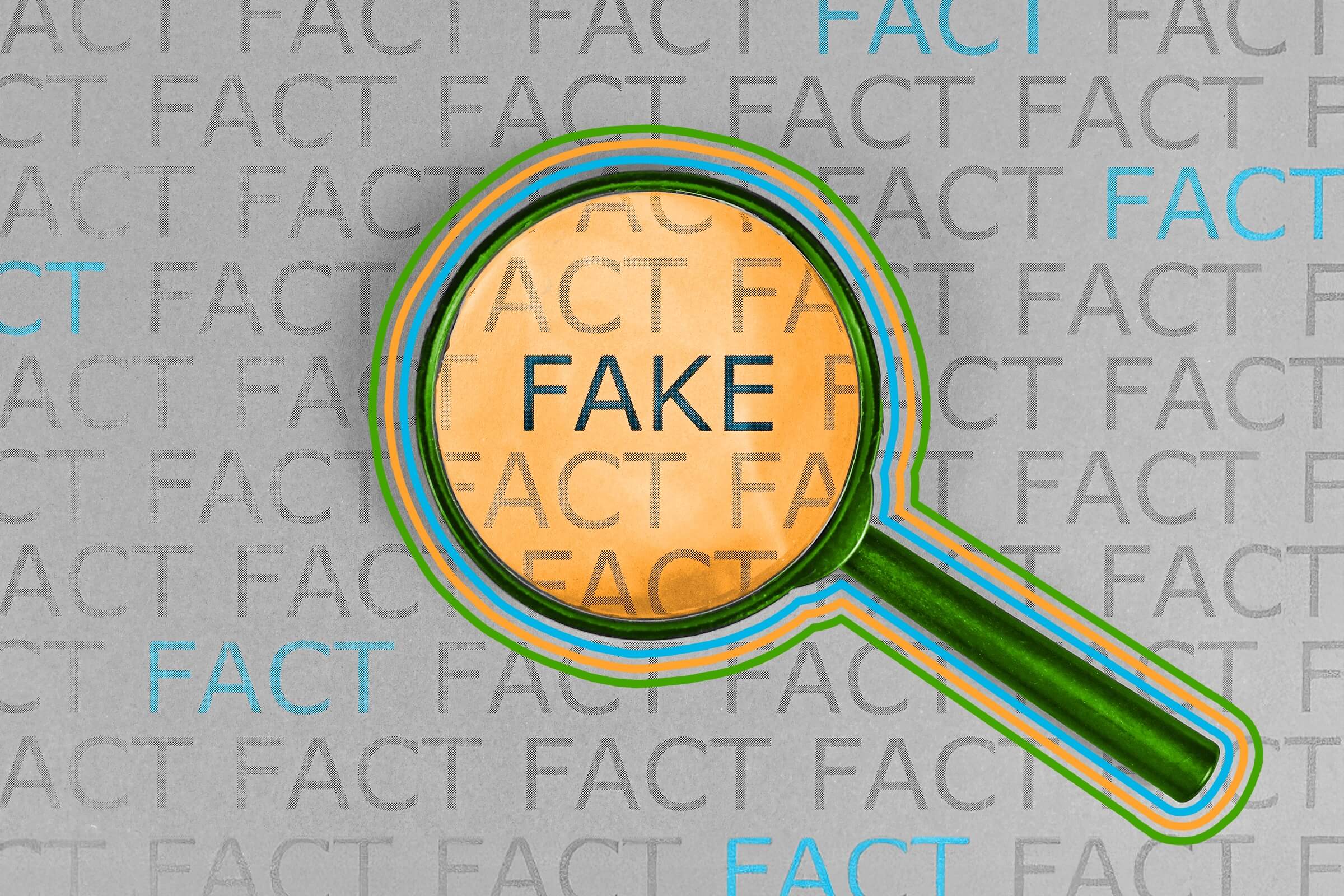
Conducting an after movie fact check involves systematically examining a film’s narrative, characters, and historical events to determine which elements represent true history, accurate journalism, or authentic scientific phenomena, and which have been altered, condensed, or entirely fabricated for dramatic effect.
The modern cinematic landscape is heavily populated by films adapted from real-life events, biographies, and investigative journalism. From historical war dramas and political thrillers to biopics about musicians, athletes, and corporate entities, movies routinely use the subtitle "based on a true story." However, the transition from historical reality to a three-act feature film requires significant narrative compression, structural adaptation, and creative license. For audiences, critics, and educators, performing an after movie fact check provides a vital bridge between passive entertainment and media literacy, allowing viewers to appreciate the artistry of filmmaking while understanding the factual baseline of the history being portrayed.
Understanding the Mechanics of Cinematic Adaptation
To evaluate a film's factual accuracy, one must first understand why movies deviate from actual events. Filmmakers face strict time constraints, typically limited to a standard runtime of 90 to 180 minutes. Consequently, complex historical timelines spanning decades must be drastically streamlined. This compression frequently involves composite characters—single individuals created by screenwriters to embody the traits, actions, or opposing viewpoints of multiple real people.
Furthermore, dramatic structure requires conflict, rising action, and a distinct emotional climax. Real life rarely adheres to this neat narrative arc. Historical figures often experience long periods of stagnation, incremental progress, or ambiguous moral outcomes that do not translate well into traditional Hollywood structures. By recognizing these constraints, researchers conducting an after movie fact check can differentiate between deliberate misrepresentations designed to deceive and necessary artistic compression designed to engage an audience emotionally.
Establishing a Reliable Verification Methodology
A rigorous after movie fact check relies on primary and secondary sources rather than relying on internet rumor mills or promotional materials. Establishing what actually happened requires a structured investigative approach that parallels historical research.
Step-by-Step Fact-Checking Workflow
- Identify the Source Material: Determine whether the film is based on a specific memoir, biography, investigative journalism piece, or general historical record.
- Consult Primary Documentation: Review official government records, court documents, contemporaneous news reports, personal diaries, and direct audio-visual archives.
- Examine Secondary Historical Analysis: Read peer-reviewed historical studies, academic biographies, and retrospective analyses by recognized experts in the specific subject matter.
- Distinguish Categories of Change: Categorize every identified discrepancy into distinct groups: timeline compression, character composites, dramatized dialogue, and outright fabrication.
- Evaluate the Narrative Impact: Assess whether a historical change distorts the core truth of the events or merely enhances the pacing and emotional resonance of the story.
| Adaptation Type | Definition | Common Cinematic Purpose | Factual Impact |
|---|---|---|---|
| Timeline Compression | Collapsing events occurring over years into weeks or months. | Maintaining narrative momentum and pacing. | Moderate; alters chronology but rarely alters outcomes. |
| Character Composite | Merging two or more real individuals into a single screen persona. | Reducing cast size and simplifying complex social dynamics. | High; creates fictionalized actions attributed to real archetypes. |
| Dramatized Dialogue | Inventing private conversations where no transcripts exist. | Creating emotional intimacy and psychological depth. | Variable; captures inferred intent but introduces speculation. |
| Complete Fabrication | Inventing scenes, villains, or threats that never occurred. | Heightening tension and manufacturing cinematic stakes. | Severe; distorts historical record for purely theatrical value. |
Common Pitfalls in Historical and Biopics Films
When executing an after movie fact check, certain recurring patterns of inaccuracy emerge across different genres. Biopics, in particular, are susceptible to the "hagiography" effect—the tendency to elevate the subject into an unblemished hero while demonizing their adversaries beyond historical justification. Conversely, some films employ "iconoclasm," stripping a historical figure of their genuine complexities to fit a modern ideological framework.
Another frequent pitfall involves the romanticization of complex interpersonal relationships. Romantic subplots are often artificially injected into stories where no such dynamic existed, or the nature of a partnership is simplified into a classic hero-and-sidekick dynamic. Recognizing these tropes helps researchers look past the emotional manipulation of the score and cinematography to assess the underlying factual reality.
The Role of Disclaimer Fine Print and Marketing
Audiences frequently misunderstand the legal and creative implications of disclaimers found at the beginning or end of feature films. Phrases such as "inspired by true events," "based on actual persons and events, but certain characters and events have been fictionalized," or "some characters have been composite figures" serve both creative and legal functions.
Legally, these statements protect production studios from defamation lawsuits, particularly when dealing with living individuals or the descendants of historical figures. However, from a consumer perspective, these disclaimers are often treated as mere legal boilerplate rather than a clear warning that significant portions of the narrative are fictionalized. A comprehensive after movie fact check looks past this marketing language to establish precisely where documented history ends and Hollywood mythmaking begins.
Frequently Asked Questions
How can I verify if a movie is historically accurate?
To verify a movie's accuracy, cross-reference its plot points with primary historical documents, biographies written by accredited historians, and specialized fact-checking websites. Consulting journalistic reviews published by reputable outlets upon the film's release often highlights notable deviations from the historical record.
Why do filmmakers change true stories for the screen?
Filmmakers alter true stories primarily to fit the constraints of a two-hour runtime, enhance dramatic tension, clarify complex narrative arcs, and appeal to broader audience sensibilities. Pure historical accuracy often involves dead ends, repetitive processes, and sprawling casts that disrupt cinematic pacing.
What is a composite character in a movie?
A composite character is a single fictionalized person created by screenwriters to represent multiple real-life individuals. This technique is used to streamline large organizations, military units, or social circles, making the narrative easier for viewers to follow without introducing dozens of minor characters.
Are documentaries more reliable than narrative feature films?
Documentaries generally offer a higher degree of factual reliability because they rely on archival footage, direct interviews, and historical evidence. However, documentaries can still present selective viewpoints through editing and narration, making critical media literacy essential regardless of the format.
Where can I find reliable sources to fact-check a film?
Reliable sources include university press publications, peer-reviewed journals, archives from reputable news organizations, and books written by professional historians who specialize in the era or subject depicted in the movie.
Next Actions for Media Literacy
To sharpen your analytical skills, adopt the habit of pausing after watching a biographical or historical film to consult independent historical reviews before forming definitive opinions on the events portrayed. Treat the cinematic version as a creative interpretation rather than a documentary record, and encourage open discussions about the boundary between entertainment and historical truth. By approaching cinema with a critical eye, you can enjoy the artistic achievements of filmmaking while preserving a rigorous commitment to historical facts.