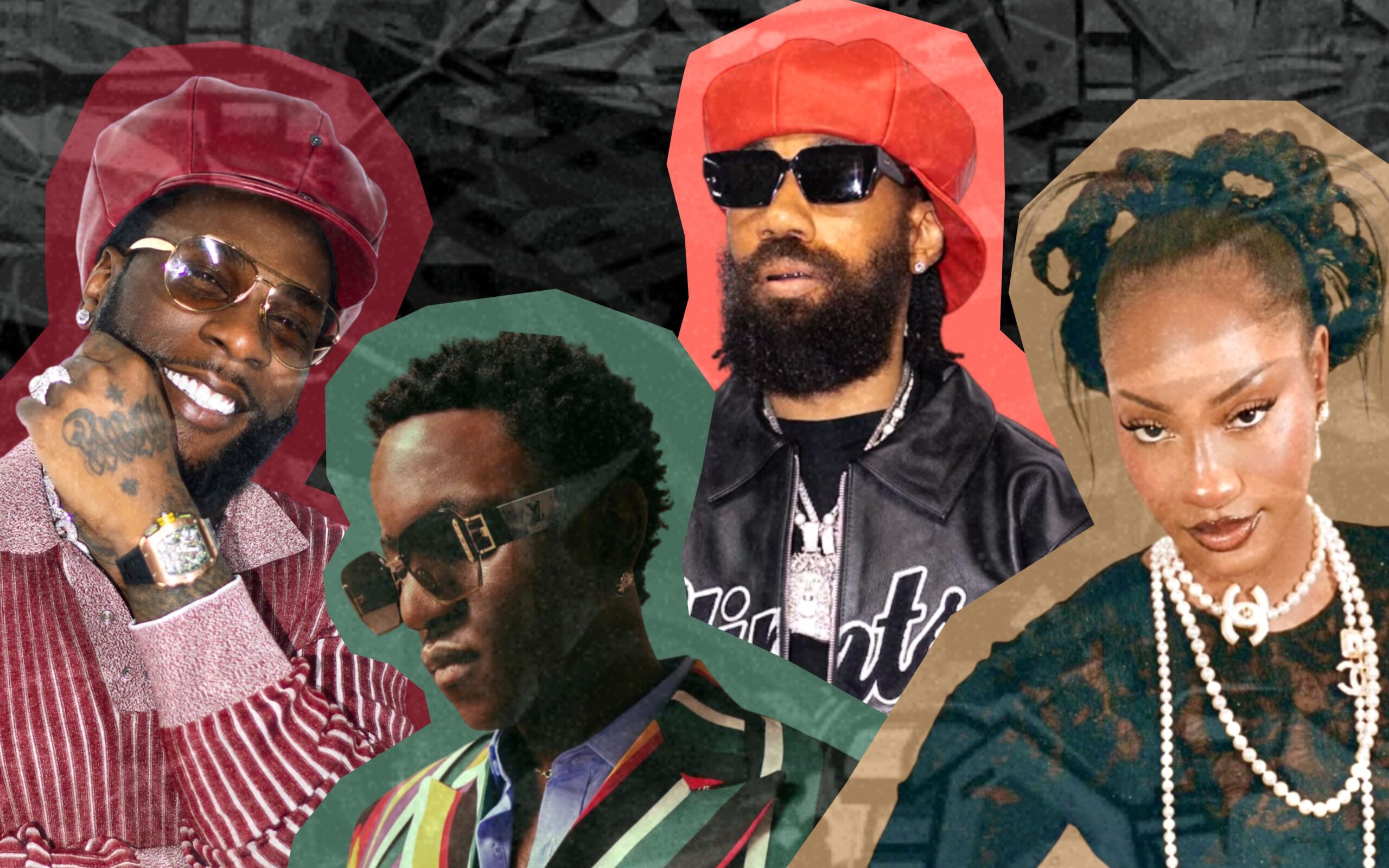
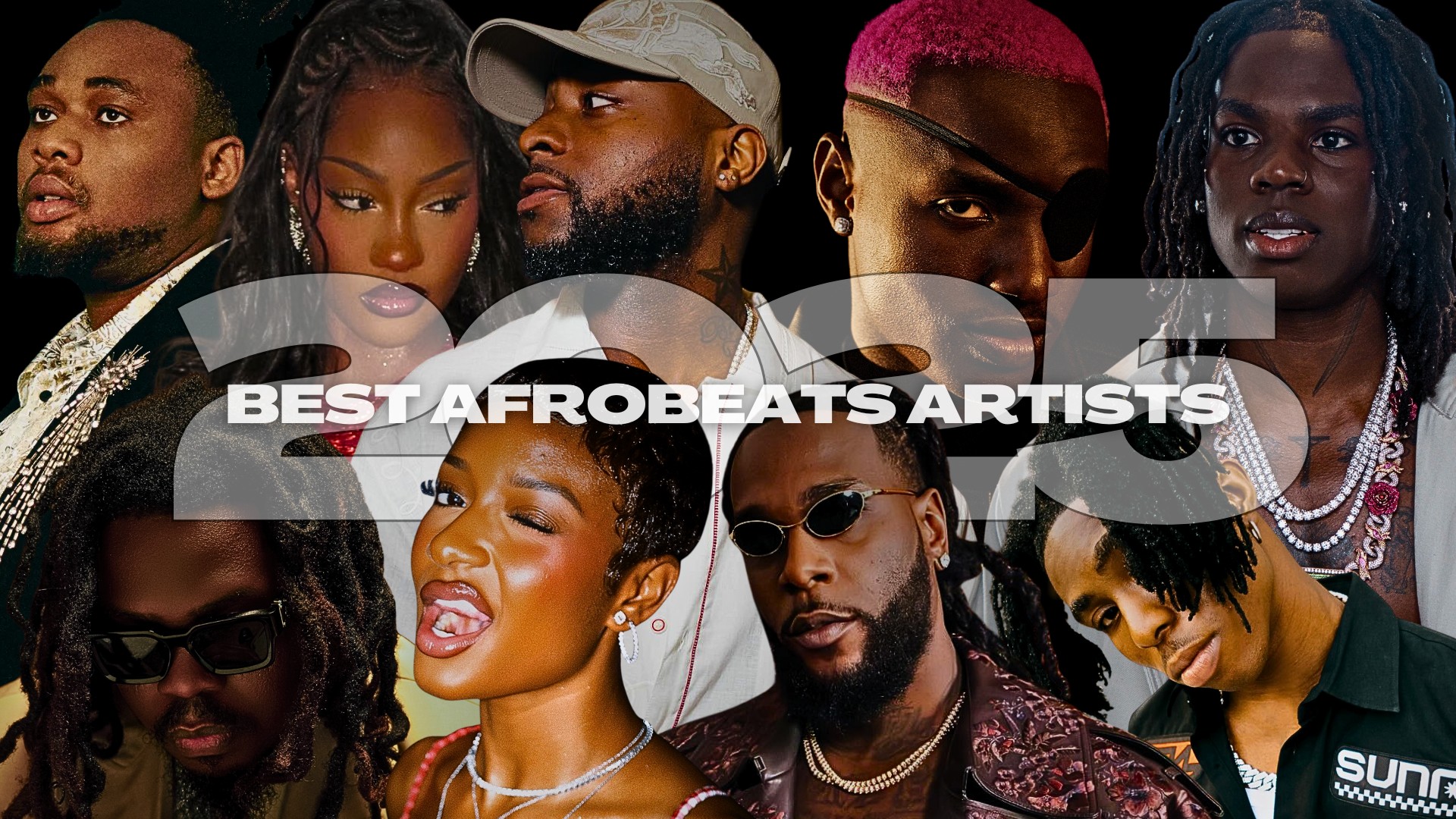
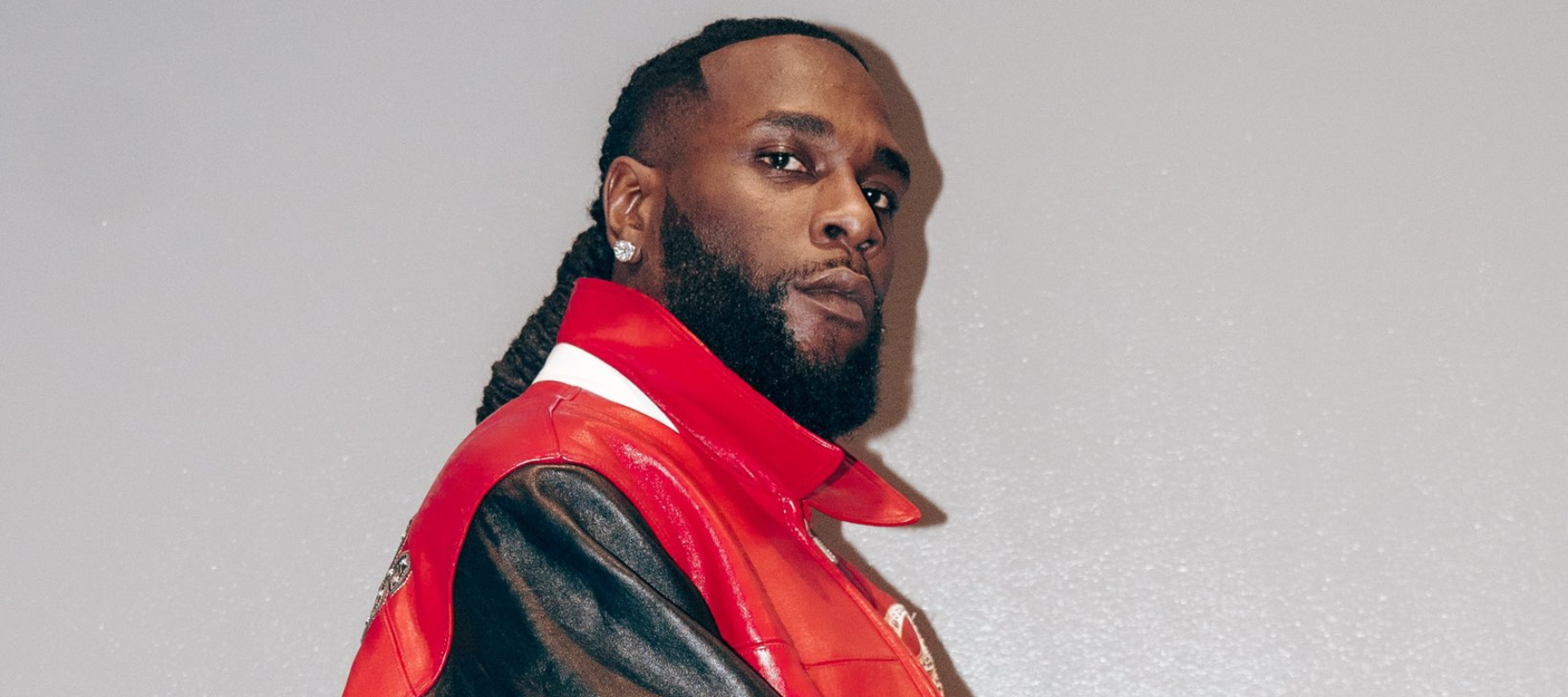
An afrobeats artist profile is a comprehensive digital and print-ready biography that showcases a musician's background, musical style, career milestones, and cultural impact to attract fans, media coverage, and industry booking agents.
Building a compelling professional identity in the modern music industry requires far more than dropping tracks on streaming platforms. As the global footprint of West African popular music continues to expand across international markets, curators, music supervisors, journalists, and booking agents rely on standardized profiles to understand an act's value proposition. A properly structured artist profile acts as an essential business card and a narrative anchor, bridging the gap between raw creative output and commercial viability. This guide explores the core components, strategic positioning, and technical specifications required to build a publication-ready afrobeats artist profile.
Defining the Core Purpose and Audience
Before drafting any biographical text, you must define who will read the profile and what action you want them to take. An afrobeats artist profile serves distinct audiences, ranging from festival programmers and playlist editors to sync licensing supervisors and music journalists. Each stakeholder searches for specific details: festival bookers look for stage presence, historical performance metrics, and crowd-pulling capacity; journalists seek unique origin stories, cultural context, and artistic evolution; while playlist curators want genre classifications, stylistic influences, and comparable mainstream acts.
Tailoring the narrative tone to these professional expectations prevents the common pitfall of writing an overly poetic biography that lacks concrete industry facts. While creative flair captures the essence of a vibrant genre rooted in West African percussion, highlife, and contemporary urban production, industry professionals demand clarity, accuracy, and quick access to verifiable data. Balancing artistic storytelling with structured professional credentials ensures the profile can be easily adapted for Electronic Press Kits (EPKs), streaming platform bios, and official press releases.
Essential Structural Components of an Artist Bio
A well-architected afrobeats artist profile follows a logical narrative arc, moving from an impactful hook to granular career achievements. Editors and industry professionals typically scan a biography in seconds, making structural hierarchy critical for information retention.
The Introductory Hook and Genre Positioning
The opening paragraph must immediately establish the artist's name, primary base of operations, signature sonic style, and breakout moment. In a crowded musical landscape, clearly defining your niche within the broader afrobeats ecosystem—whether that is Lagos-centric alté, UK-influenced afroswing, or highlife-infused contemporary pop—sets accurate expectations for listeners and industry gatekeepers. Avoid generic opening statements; instead, anchor the introduction in a defining characteristic, a signature vocal delivery, or a standout critical reception.
Career Evolution and Origin Story
The middle section details the artist's journey, tracing their path from early local recognition to regional or international prominence. This narrative should highlight key collaborations, independent releases, and signee milestones without reading like an exhaustive chronological diary. Focus on pivotal turning points, such as a breakout single that dominated regional charts, a strategic publishing deal, or a major festival performance that expanded the artist's touring demographic.
Musical Style, Influences, and Cultural Impact
Explaining the technical and cultural dimensions of the music adds depth and credibility to the profile. Detail the production elements that define the artist's sound—such as syncopated drum patterns, lush vocal harmonies, pidgin-English lyricism, or the fusion of traditional instrumentation with electronic synthesizers. Mentioning primary artistic inspirations or cultural touchstones helps critics and algorithms categorize the music accurately, improving discovery potential across digital service providers (DSPs).
Technical and Formatting Requirements for Industry Standards
Submitting a profile to major streaming platforms, DSPs, or high-tier music publications requires strict adherence to industry formatting guidelines. Professional biographies are typically delivered in modular tiers—short, medium, and long formats—to accommodate different layout constraints.
| Profile Format | Word Count | Primary Use Case | Key Focus Elements |
|---|---|---|---|
| Micro Bio | 50–75 words | Social media bios, Spotify artist pick, widget displays | One-sentence hook, primary genre, latest release |
| Short Bio | 150–250 words | Press releases, basic EPKs, festival lineup announcements | Origin story, breakout hit, core stylistic elements |
| Full Bio | 400–600 words | Official website, media kits, deep-dive journalism features | Detailed career arc, cultural impact, major collaborations, discography highlights |
When preparing text for digital submission, maintain plain-text versions alongside formatted rich text documents. Ensure all hyperlinked references—such as verified social media handles, official website URLs, and essential press mentions—are current and fully functional. Avoid hyperbolic adjectives like "the greatest" or "legendary," as industry gatekeepers favor verifiable milestones, streaming thresholds, and critical acclaim over unearned self-praise.
Integrating Quantitative Metrics and Milestones
Modern music promotion relies heavily on data validation. While subjective artistic merit remains paramount, an afrobeats artist profile gains significant commercial weight when supported by verified quantitative milestones. Integrating these metrics strategically demonstrates market traction and audience engagement to skeptical bookers and label executives.
- Streaming Milestones: Highlight aggregate stream counts across major DSPs (Spotify, Apple Music, Audiomack) or notable chart positions on regional Billboard charts, Apple Music top 100 lists, or Official UK Afrobeats Charts.
- Live Performance Data: Document venue capacities sold out, festival slots secured (such as Afronation, Glastonbury, or major domestic showcases), and supporting tour credentials with established headliners.
- Sync and Media Placements: List notable television, film, or video game soundtrack placements, alongside high-profile radio syncs on BBC Radio 1Xtra, Trace TV, or MTV Base.
Grounding the narrative in concrete numbers prevents the profile from feeling out of touch with the commercial realities of the contemporary music business. However, update these figures quarterly to ensure potential partners never encounter outdated performance data.
Best Practices for Multilingual and Cross-Cultural Context
Afrobeats is inherently global, drawing linguistic and cultural influences from Nigeria, Ghana, the UK, the United States, and across the African diaspora. When writing an artist profile, pay careful attention to the accurate spelling of names, traditional song titles, and local industry terminology.
- Linguistic Precision: If lyrics incorporate Nigerian Pidgin, Yoruba, Twi, or French, provide brief contextual translation or explanation in the surrounding text when writing for international markets.
- Cultural Respect: Avoid reducing complex West African musical traditions into monolithic generalizations. Acknowledge specific local roots, such as Lagos street culture, Accra highlife circuits, or London diaspora communities.
- Global Accessibility: Ensure the prose remains accessible to international readers who may be discovering the genre for the first time, balancing localized music journalism vernacular with universal industry terms.
Maintaining cultural authenticity while broadening the narrative scope ensures the artist resonates equally with domestic purists and international crossover audiences.
Frequently Asked Questions
What is the ideal length for an afrobeats artist profile?
The ideal length depends entirely on the application. Standard press kits require a 400-to-600-word long-form biography for deep media dives, alongside a concise 150-to-250-word short bio for rapid festival programming and press releases.
How often should an artist profile be updated?
An artist profile should be updated at least every three to six months, or immediately following major career milestones such as a new album release, a significant international tour announcement, or a major chart breakthrough.
Can I write my own artist biography?
While artists can write their own bios, doing so often results in overly emotional or informal phrasing. Hiring a professional music journalist or copywriter ensures the narrative maintains an objective, industry-standard tone that appeals directly to bookers and editors.
What should be avoided when writing an afrobeats artist profile?
Avoid unverified claims, excessive use of superlatives, outdated performance statistics, and overly dense paragraphs that obscure basic facts about the artist's musical style and career trajectory.
How do DSPs use artist biographies?
Digital service providers like Spotify and Apple Music pull artist profiles directly from distributor metadata or curated partner databases to populate artist overview tabs, helping listeners understand an act's background during playback.
Maintaining and Distributing Your Profile Material
Once your afrobeats artist profile is fully drafted and edited, compile it into a centralized, easily accessible digital asset folder. Include high-resolution press photographs, official logo files, lyric sheets, and verified social media links alongside your text documents. Providing media outlets and booking agents with a clean, well-organized electronic press kit streamlines communication and positions the artist as a consummate professional ready for global scale operations.