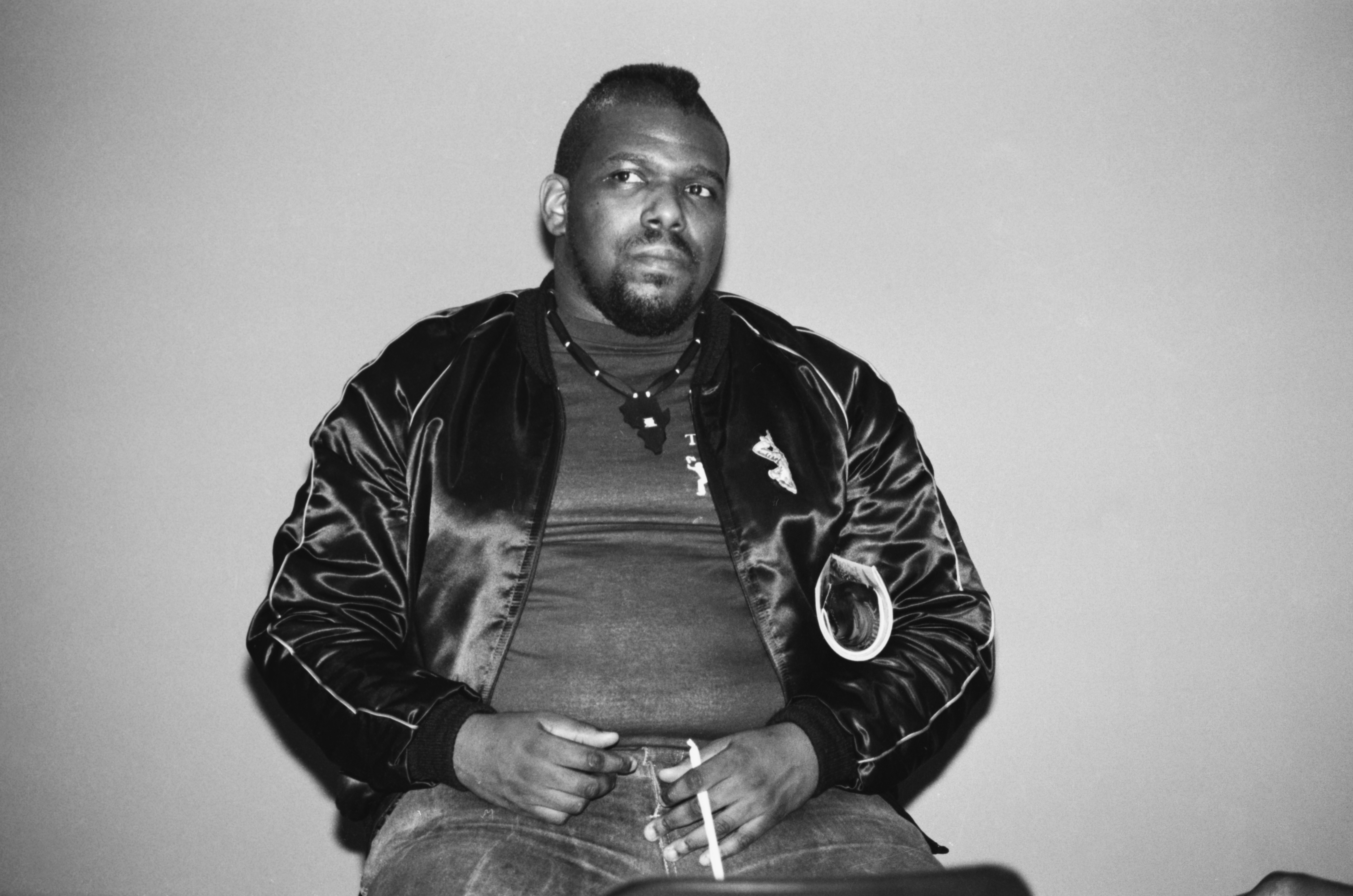
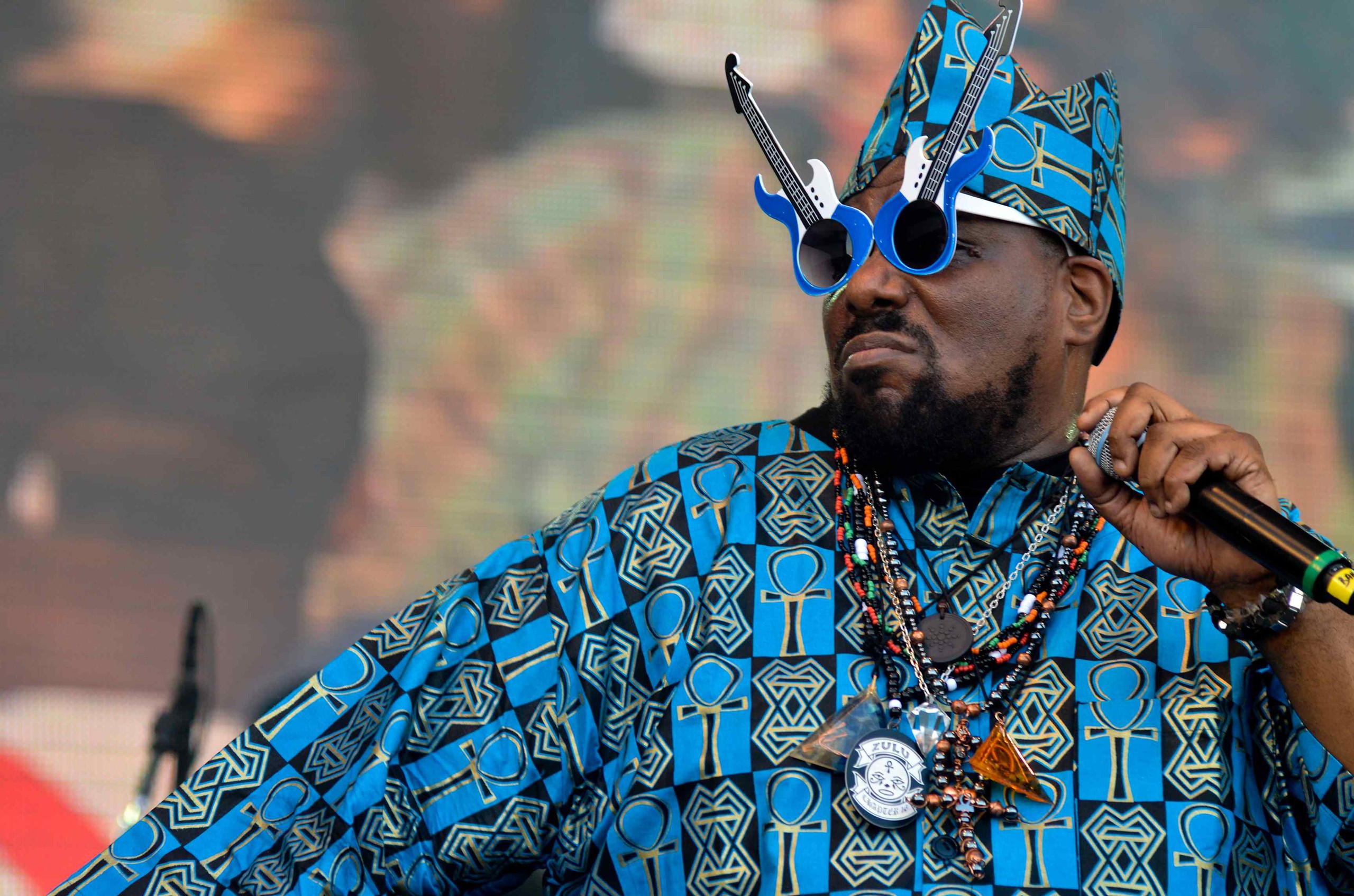
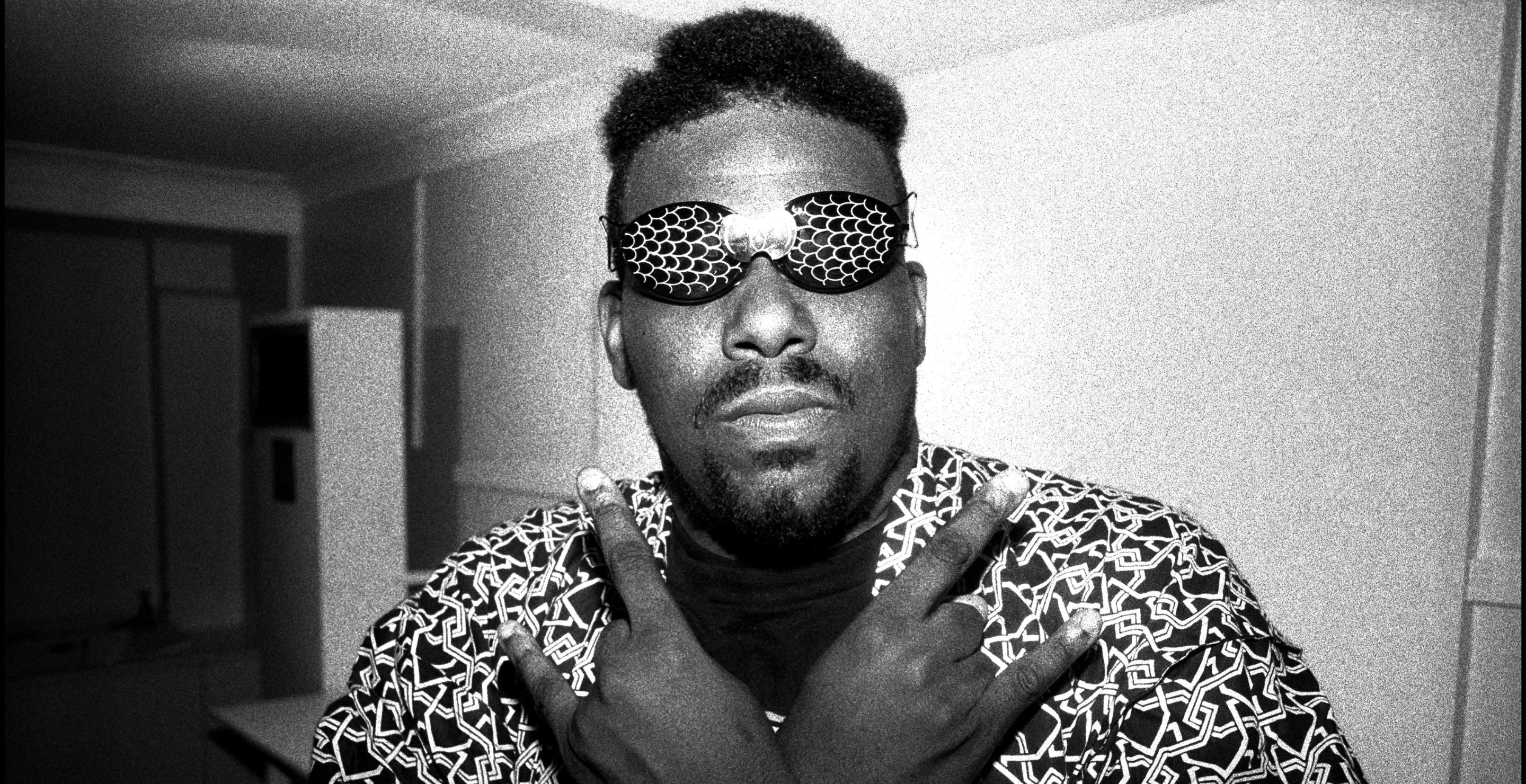
Examining the financial state of a foundational cultural pioneer involves looking past traditional corporate compensation and understanding the complexities of legacy assets, historical catalog values, and the shifting economics of early electronic and hip-hop music. During the mid-to-late 2010s, particularly around 2018, public interest surrounding the wealth, salary, and overall net worth of hip-hop architect Afrika Bambaataa persisted despite his retirement from public life and the Universal Zulu Nation following serious allegations made against him in 2016. Because foundational artists from the 1970s and 1980s operated under entirely different legal frameworks, recording contracts, and royalty structures than modern streaming-era artists, estimating an exact net worth requires looking at historical compensation models, publishing rights, and real-world economic realities.
Evaluating a historical figure's financial profile from a specific year like 2018 requires separating documented industry valuations from speculative internet estimations. While online celebrity net worth trackers frequently publish varying figures ranging from several hundred thousand to a few million dollars, these estimates rarely account for the legal disputes, loss of organizational affiliation, and the general lack of modern master ownership typical of early hip-hop pioneers. This analysis breaks down the economic realities of early hip-hop earnings, the structure of foundational publishing catalogs, and the impact of controversies on a legacy artist's residual income.
Understanding the Financial Landscape of Early Hip-Hop Pioneers
The economic ecosystem of the 1970s and 1980s hip-hop scene in New York City was built on live performances, park jams, and small independent record labels rather than multi-million-dollar corporate advances. When Afrika Bambaataa and Soulsonic Force released seminal tracks like "Planet Rock" in 1982 on Tommy Boy Records, the modern infrastructure for hip-hop publishing and royalty collection was still in its infancy. Artists frequently signed standard recording contracts that favored label owners regarding master recordings and long-term copyright ownership.
For pioneers like Bambaataa, primary earnings during active touring decades stemmed from live DJ appearances, international bookings, and modest mechanical royalties from physical vinyl sales and cassette tapes. Unlike contemporary artists who benefit from global streaming monetization, synchronized licensing for major film and television projects, and robust merchandise empires, early electro-funk and hip-hop creators often received flat fees or minimal percentages. By 2018, active touring revenue had dropped significantly due to the artist's withdrawal from the public sphere, leaving only residual publishing royalties and legacy catalog metrics to sustain any ongoing income.
Catalog Valuation and Publishing Rights for 1980s Electro-Funk
A significant portion of any legacy musician's net worth is tied to intellectual property, specifically publishing rights and songwriting credits. Afrika Bambaataa holds writer credits on tracks that defined the electro-funk and early hip-hop genres, which have been heavily sampled and interpolated by subsequent generations of artists.
| Asset Category | Description & Historical Context | 2018 Financial Impact |
|---|---|---|
| Master Recordings | Original studio recordings owned primarily by early independent labels like Tommy Boy. | Minimal direct master royalties for the artist compared to label payouts. |
| Publishing & Songwriting | Writer's share of composition royalties for tracks like "Planet Rock" and "Looking for the Perfect Beat." | Steady, though modest, performance and mechanical royalty streams collected via PROs (Performing Rights Organizations). |
| Live Performance & Appearance Fees | Income generated from DJ sets, club bookings, and international festival appearances. | Reduced to zero following the cessation of public touring and institutional distancing after 2016. |
| Mercantile & Brand Licensing | T-shirts, branded merchandise, and documentary or archival footage licensing. | Negligible, as independent merchandising operations dissolved alongside active public engagement. |
While songs like "Planet Rock" utilize samples (such as Kraftwerk's "Trans-Europe Express"), the underlying composition still generates performance royalties whenever played on terrestrial radio, broadcast television, or licensed for major motion pictures. However, the financial yield of these publishing assets depends entirely on ownership percentages and publishing administration deals negotiated decades prior.
The Impact of Institutional Disassociation and Legal Fallout
Evaluating net worth and earnings for any public figure requires examining how reputational events affect income streams. Following public allegations of sexual abuse brought against Afrika Bambaataa in 2016 by several former members of the Universal Zulu Nation, the cultural and institutional response was immediate and sweeping. Bambaataa stepped down as head of the Universal Zulu Nation, and public venues, academic institutions, and cultural organizations distanced themselves from his legacy.
From a financial perspective, this disassociation effectively eliminated live performance income—historically the most reliable revenue source for veteran DJs and musicians. Without festival bookings, university lecture fees, or sponsored guest appearances, earnings became entirely passive, relying solely on historical mechanical and performance royalties. Consequently, any estimated net worth from 2018 reflects a downward adjustment compared to the peak earning years of active global touring.
Comparing Foundational Hip-Hop Financial Models
To contextualize the financial reality of Afrika Bambaataa in 2018, it is helpful to compare the economic models of different eras within the hip-hop industry. The table below outlines how structural differences impact long-term wealth accumulation for artists from various decades.
| Feature / Era | Foundational Era (Late 1970s–1980s) | Golden Era & Commercial Boom (1990s–2000s) | Streaming Era (2010s–Present) |
|---|---|---|---|
| Primary Revenue Source | Live DJ sets, park jams, vinyl sales | Album sales, major label advances, merchandise | Digital streaming royalties, brand partnerships, equity stakes |
| Master Ownership | Rare; typically retained by indie labels | Negotiable for top-tier acts (360 deals common later) | Artist-driven distribution and independent ownership models |
| Publishing Control | Frequently split or signed away for upfront capital | Retained or monetized via heavy publishing administrators | Highly protected, direct-to-consumer monetization |
| Vulnerability to Controversy | Loss of live booking revenue; legacy archiving debates | Severe corporate scrubbing and immediate catalog shelving | Rapid digital de-platforming and streaming demonetization |
Frequently Asked Questions
What was Afrika Bambaataa’s estimated net worth in 2018?
Reliable, verified financial records for Afrika Bambaataa are not publicly available. Independent internet estimates from 2018 typically placed his net worth between $500,000 and $1.5 million, though these figures were speculative and generally failed to account for historical contract terms, legal disputes, and the loss of performance revenue.
Did Afrika Bambaataa receive royalties from the song "Planet Rock"?
Yes, as a co-writer of "Planet Rock," Bambaataa maintained a claim to songwriting and composition royalties. These performance and mechanical royalties are collected globally by performing rights organizations and distributed according to the original publishing agreements established with Tommy Boy Records and associated publishers.
How did the 2016 allegations affect his earnings?
The allegations and subsequent public scrutiny in 2016 led to his resignation from the Universal Zulu Nation and the end of all public bookings and live DJ appearances. This eliminated active performance income, leaving legacy publishing royalties as his primary remaining source of income by 2018.
Why do early hip-hop pioneers often have lower net worths than modern artists?
Early hip-hop artists operated during a time when genre economics were unproven, leading to unfavorable recording contracts, lack of master ownership, and minimal structural protections for creators. Furthermore, the streaming economy and global corporate sponsorships that generate modern multi-million-dollar fortunes did not exist during their peak creative years.
Who owns the master recordings of Afrika Bambaataa’s biggest hits?
The master recordings for foundational releases on Tommy Boy Records were historically controlled by the record label and its subsequent corporate acquirers. Ownership of these master catalogs has shifted through various corporate transactions over the decades, limiting the direct master-sale revenue returning to the original artists.
Navigating Financial Legacies in Music History
When examining the financial standing of historical figures in popular music, observers must look beyond sensationalized online net worth figures and focus on structural economic realities. For Afrika Bambaataa in 2018, wealth was defined not by corporate salaries or modern streaming empires, but by residual publishing shares, historical catalog agreements, and the long-term impact of a shifting cultural legacy. Understanding these financial dynamics provides a clearer, more realistic picture of how foundational artists navigate the intersection of art, commerce, and controversy.