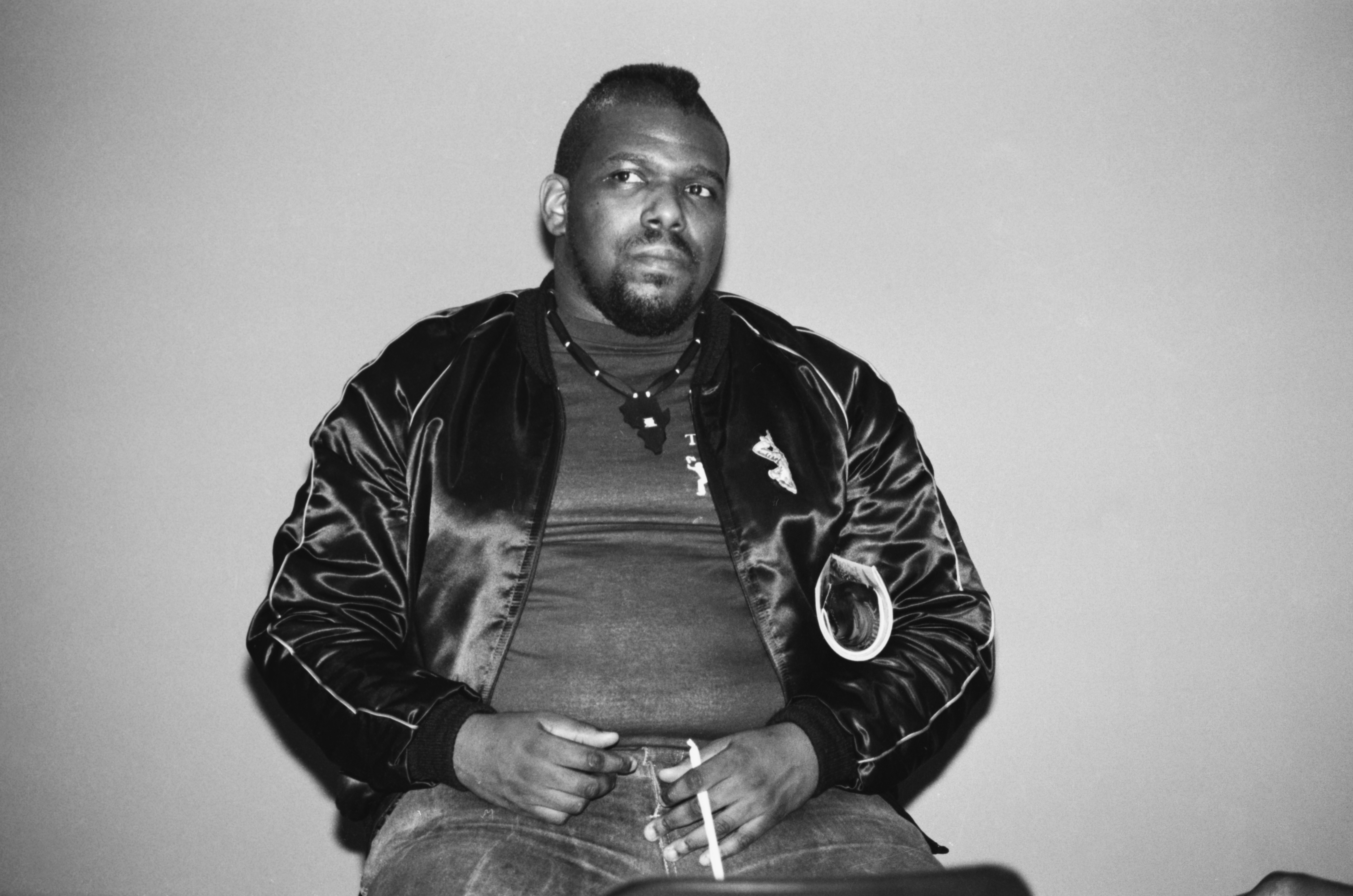
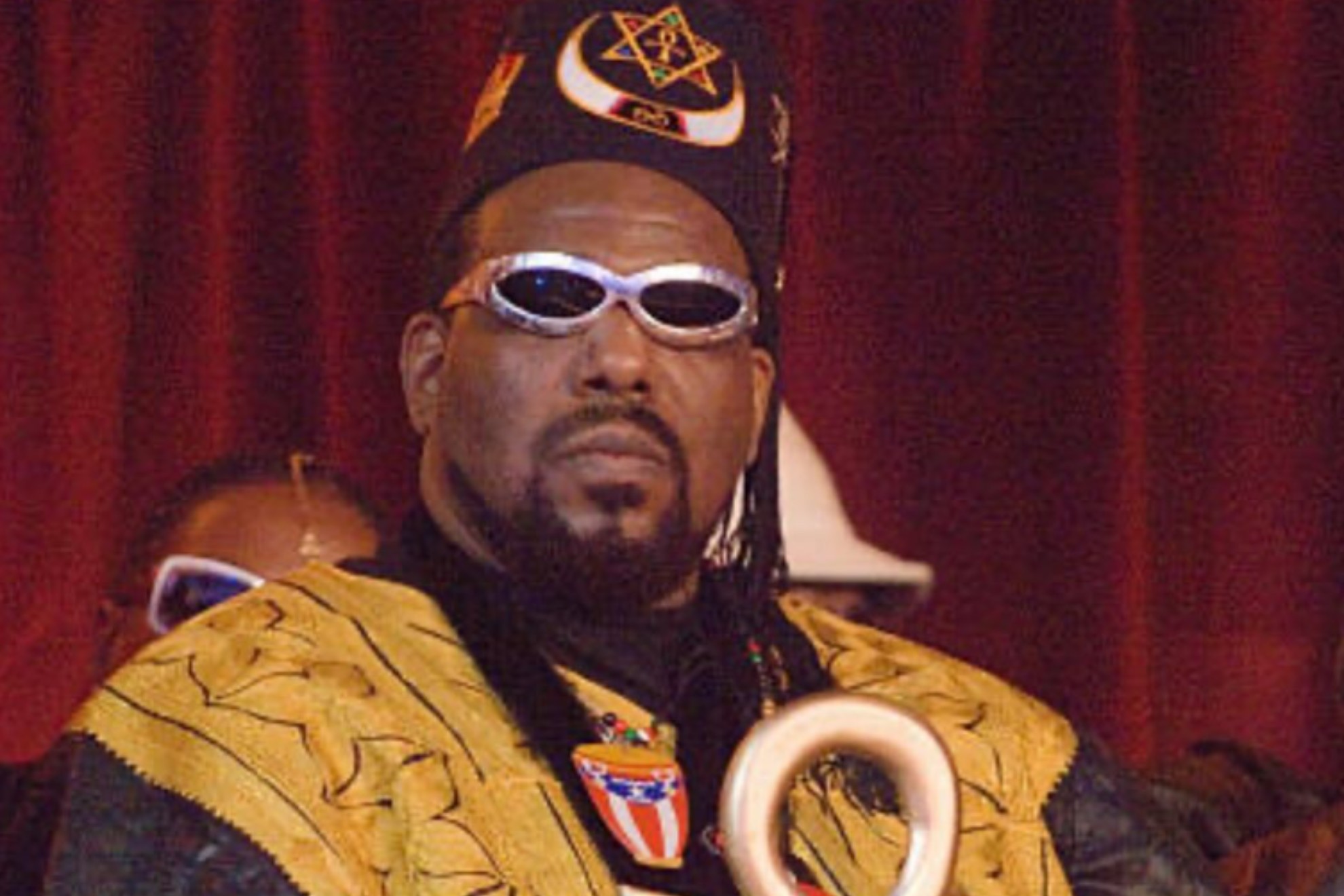
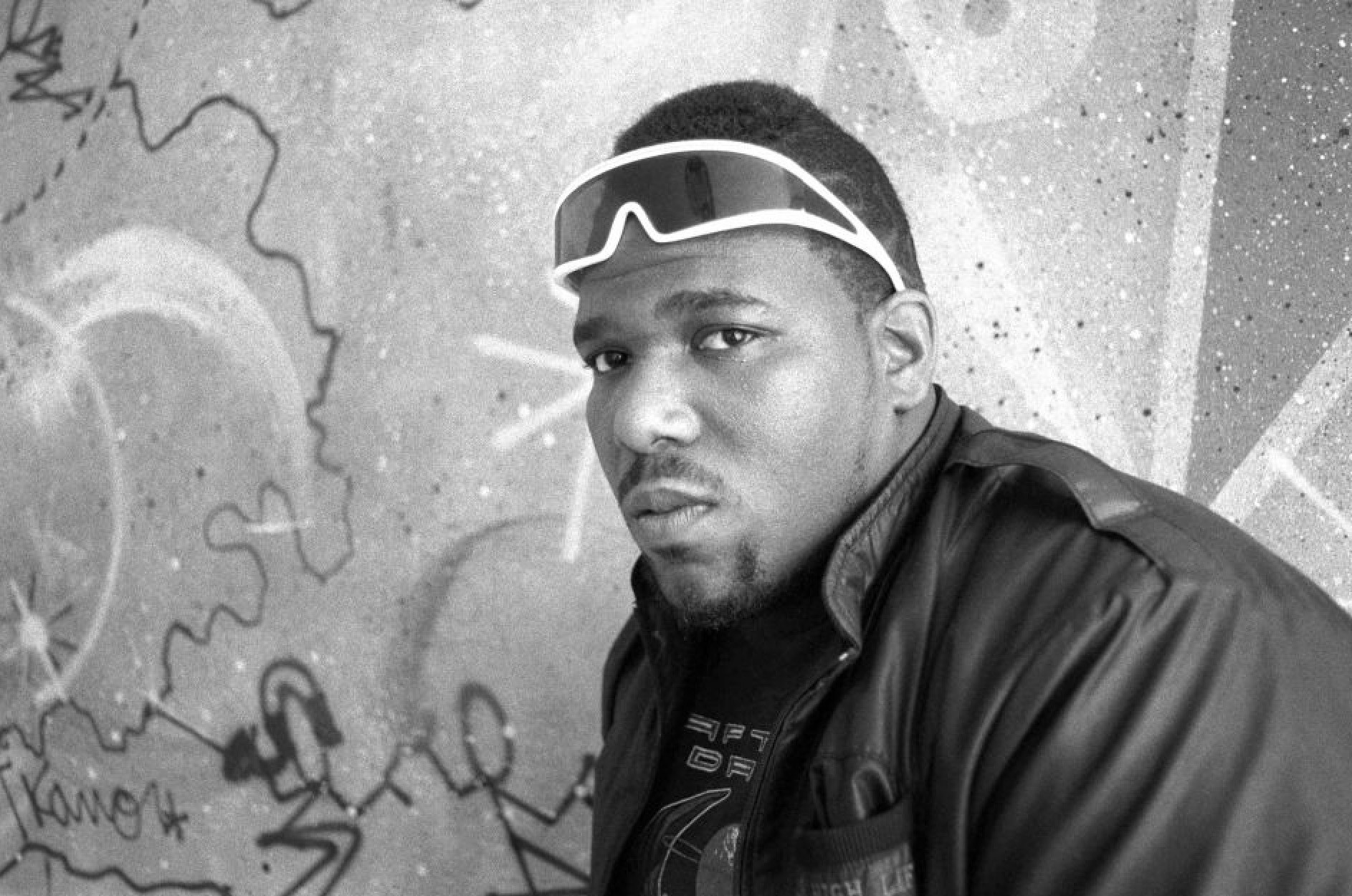
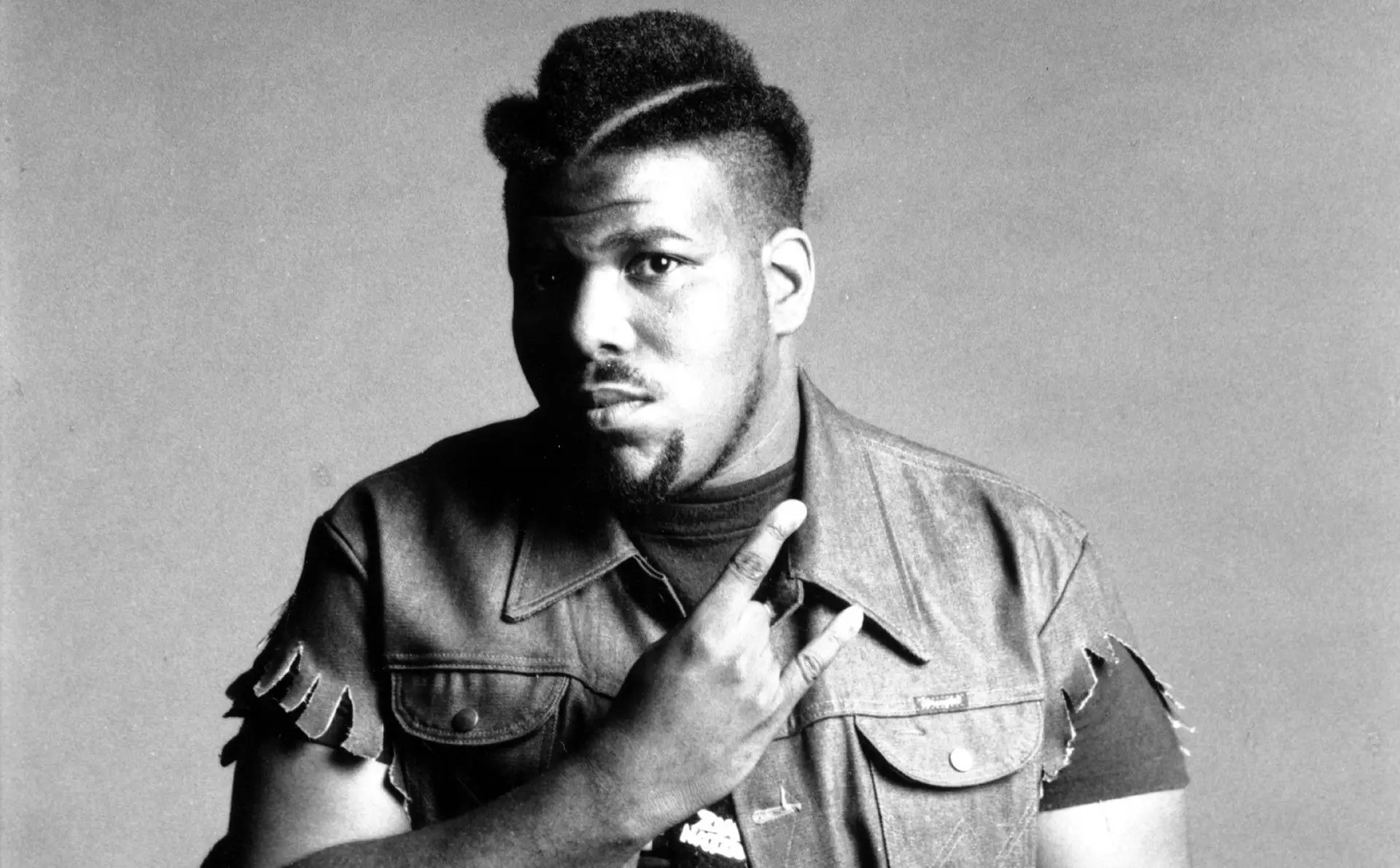
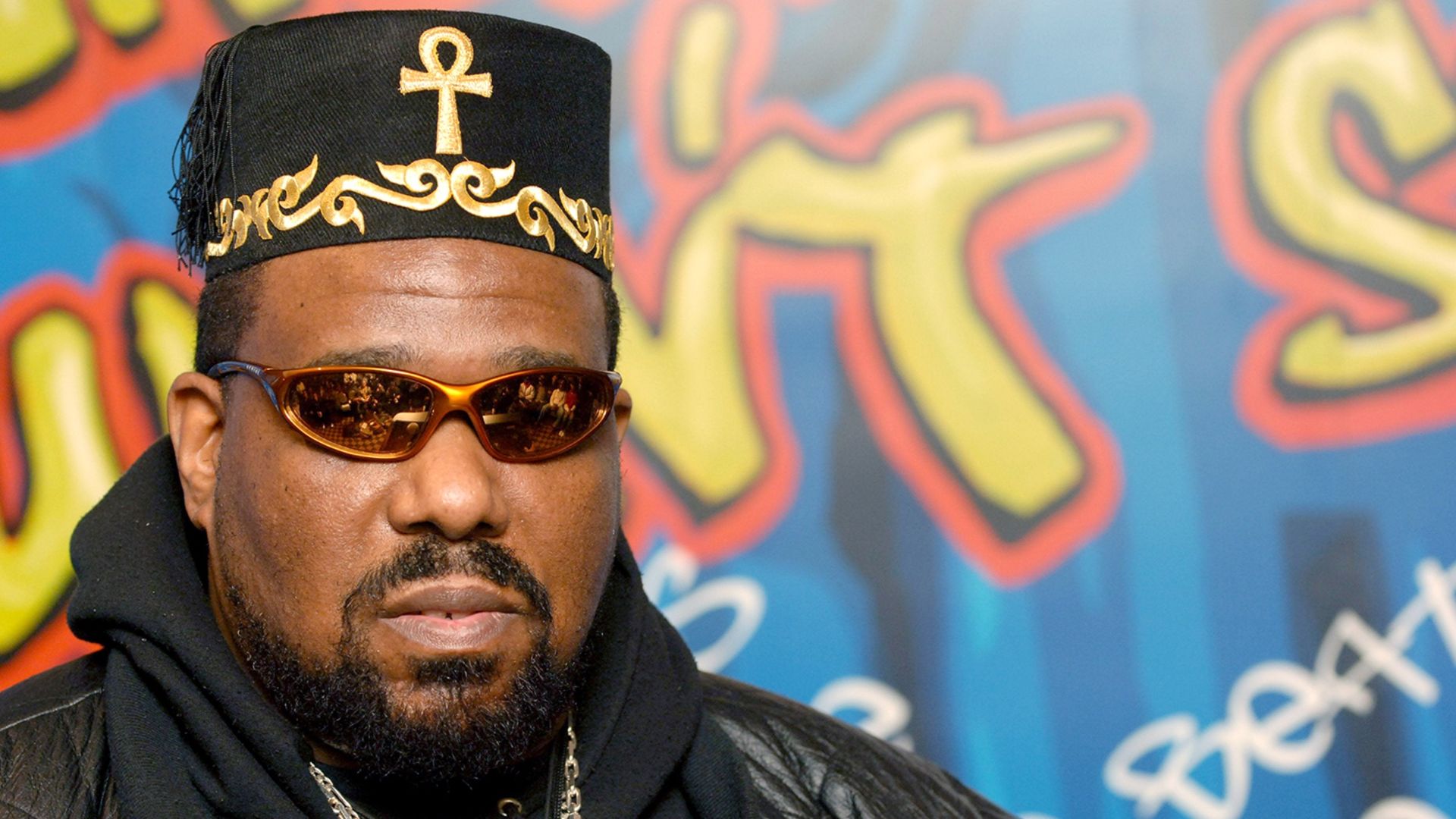
Afrika Bambaataa stands approximately 6 feet 2 inches tall (188 cm), a commanding physical presence that matched his outsized cultural impact as one of the foundational architects of hip-hop culture.
The measurement of a cultural icon often extends far beyond physical stature, yet public curiosity regarding the personal details of legendary figures remains a constant in entertainment history. When discussing Afrika Bambaataa height—frequently queried alongside searches about how tall is the godfather of hip hop—fans and cultural historians alike often seek to contextualize the man behind the myth. As a founding father of a global movement that revolutionized music, fashion, language, and art, Bambaataa’s physical presence in the early days of the Bronx party scene added to his formidable reputation as a community leader, DJ, and peace builder. Examining his height requires looking closely at how his towering frame, combined with his visionary artistic output, established him as a towering figure in modern cultural history.
The Cultural Significance of Afrika Bambaataa in Early Hip Hop
Understanding the persona of Afrika Bambaataa necessitates an examination of his roots in the South Bronx during the turbulent and creative 1970s. Born Lance Taylor, Bambaataa assumed his title—inspired by the historic Zulu chief Bhambatha—after witnessing the epic historical film Zulu and studying global liberation movements. His physical stature of 6 feet 2 inches gave him a natural vantage point in crowded community centers, park jams, and school gymnasiums where early hip-hop culture was forged.
In an era when street credibility, sound system dominance, and neighborhood leadership required both mental fortitude and physical presence, Bambaataa commanded attention. As the founder of the Universal Zulu Nation, he used his influence to steer youth away from gang violence and toward breakdancing, emceeing, DJing, and graffiti writing—the four core elements of hip hop. His towering height became a literal and symbolic pillar for a movement that sought to rise above systemic neglect and urban decay.
Physical Stature and Public Perception in Entertainment History
Height in the entertainment and music industries has long played an interesting role in public perception, often contributing to an artist's larger-than-life image. At 6 feet 2 inches, Afrika Bambaataa was noticeably taller than many of his peers and contemporaries in the nascent hip-hop scene, which helped him project authority during a time when sound system operators and crew leaders functioned as community protectors and cultural directors.
| Metric / Detail | Historical Record |
|---|---|
| Full Name | Lance Taylor (known professionally as Afrika Bambaataa) |
| Estimated Height | 6 feet 2 inches (188 cm) |
| Primary Era of Prominence | 1970s – 1980s |
| Key Cultural Role | Founder of the Universal Zulu Nation, Pioneer DJ |
| Major Musical Contribution | "Planet Rock" (1982) |
While artists like Kool Herc and Grandmaster Flash pioneered turntable techniques, Bambaataa brought an eclectic sonic vision that spanned from James Brown funk to German electronic music, specifically Kraftwerk. His physical stature complemented his expansive musical palette, reinforcing the impression of a pioneer who stood head and shoulders above conventional genre boundaries.
Comparing Afrika Bambaataa with Early Hip Hop Pioneers
To fully appreciate the physical and cultural footprint of the godfather of hip hop, it is helpful to examine how his stature compared to other foundational figures of the golden era. Early hip hop was defined by a diverse array of personalities who shaped the aesthetic of the culture through their style, presence, and performance delivery.
- Kool Herc (Clive Campbell): Widely recognized as the father of hip hop for initiating the breakbeat technique at a 1973 rec room party, Herc possessed an athletic and imposing build that commanded respect at West Bronx jams.
- Grandmaster Flash (Joseph Saddler): Known for his technical mastery of the turntables, Flash utilized precision and innovation rather than physical dominance to capture the attention of crowds.
- Afrika Bambaataa: Standing at 6 feet 2 inches, Bambaataa utilized both his physical presence and his regal, Afrocentric wardrobe—often featuring traditional African garments and royal regalia—to visually reinforce his status as a cultural chieftain.
This combination of height and distinctive sartorial choices allowed Bambaataa to project an aura of royalty that set a high standard for theatricality in hip-hop performance, influencing generations of artists who understood that visual presentation is just as vital as audio production.
The Evolution of the Godfather Title in Hip Hop Lore
The moniker "Godfather of Hip Hop" is bestowed upon very few individuals, typically reserved for those whose foundational contributions made the entire genre possible. While DJ Kool Herc laid down the rhythmic blueprint with the merry-go-round technique, and Afrika Bambaataa codified the culture globally through the Universal Zulu Nation and genre-blending tracks like "Planet Rock," the title reflects a shared lineage of pioneering greatness.
Bambaataa’s height and physical bearing often served as a metaphor for his foundational weight in the culture. When he organized parties or traveled internationally to spread the gospel of hip hop, his physical stature mirrored the monumental scale of his ambition. He envisioned hip hop not merely as party music, but as an international culture capable of uniting marginalized youth across racial and geographical divides.
Frequently Asked Questions About Afrika Bambaataa
How tall is Afrika Bambaataa?
Afrika Bambaataa is widely documented as being approximately 6 feet 2 inches tall (188 cm). This height placed him among the taller figures in the early New York hip-hop scene, contributing to his commanding presence as a DJ and community organizer.
Why is Afrika Bambaataa called the godfather of hip hop?
He earned the title due to his instrumental role in defining hip-hop culture beyond just DJing. By establishing the Universal Zulu Nation, merging different musical genres like electro and funk on tracks like "Planet Rock," and organizing early Bronx youth, he helped transform local block parties into a global cultural movement.
What are Afrika Bambaataa's most famous musical contributions?
His most legendary release is the 1982 track "Planet Rock," produced with Arthur Baker. The song sampled Kraftwerk's "Trans-Europe Express" and "Numbers," single-handedly launching the electro-funk genre and heavily influencing Miami bass, hip hop, and early techno music.
How did Afrika Bambaataa influence global hip hop culture?
Through the Universal Zulu Nation, Bambaataa traveled internationally to educate youth about the four elements of hip hop. He reframed street gang culture into a creative outlet centered on peace, unity, love, and having fun, which allowed hip hop to take root in Europe, Asia, and beyond.
What is the Universal Zulu Nation?
Originally formed out of Bronx street gangs like the Black Spades, the Universal Zulu Nation was organized by Bambaataa as an awareness-raising organization focused on positive cultural expression, self-respect, and community upliftment through hip-hop arts.
Preserving the Legacy of Early Hip Hop Architecture
Evaluating public interest in trivial details such as celebrity height reveals a broader human desire to connect with historical icons on a tangible level. While Afrika Bambaataa's 6-foot-2-inch frame is a minor footnote compared to his massive musical and cultural legacy, it remains part of the vivid imagery associated with the birth of hip hop. For researchers, music historians, and fans exploring the roots of modern urban music, understanding the physical and cultural dimensions of pioneers like Bambaataa ensures that the foundational history of the genre is preserved accurately and comprehensively.