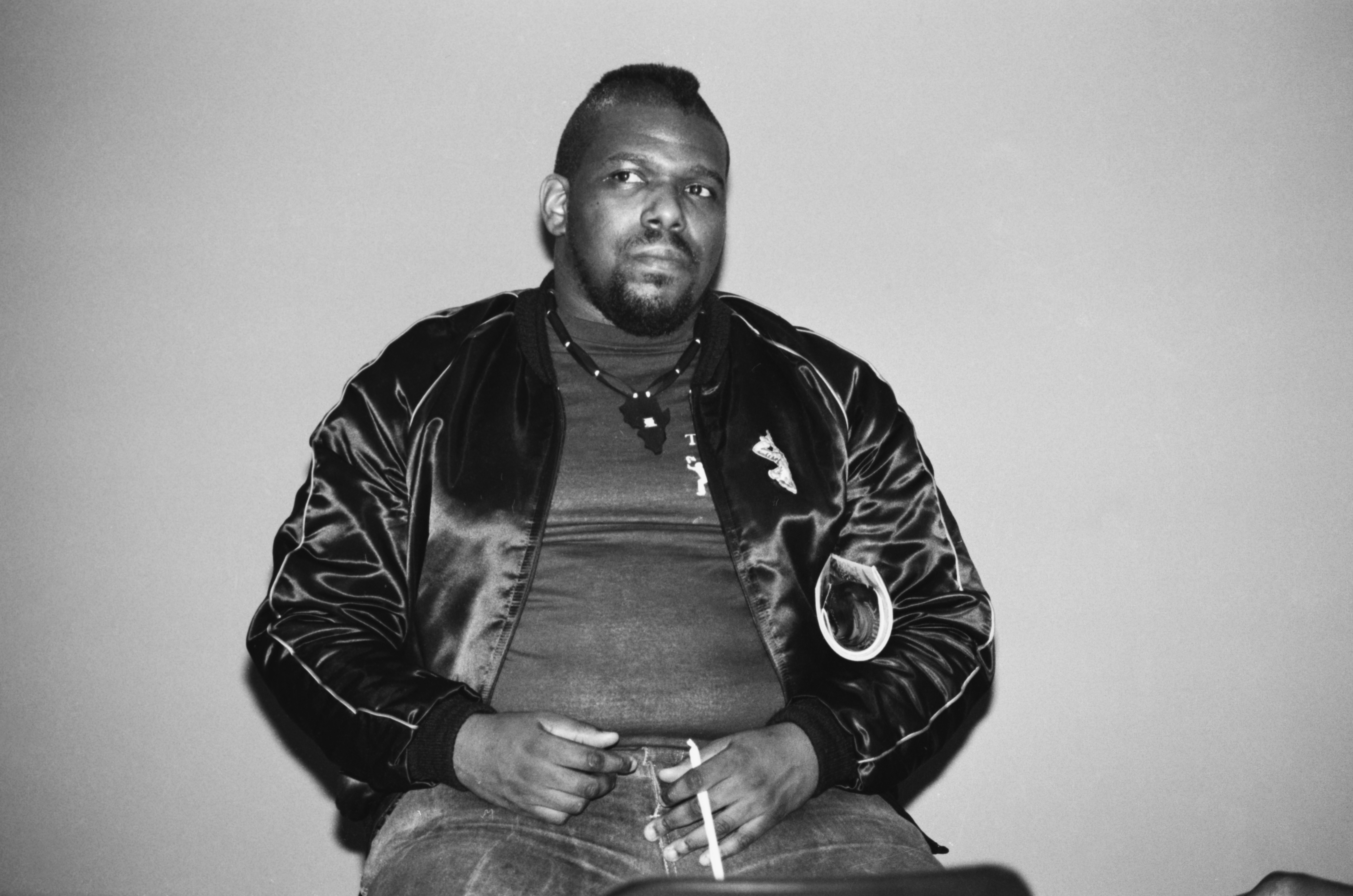
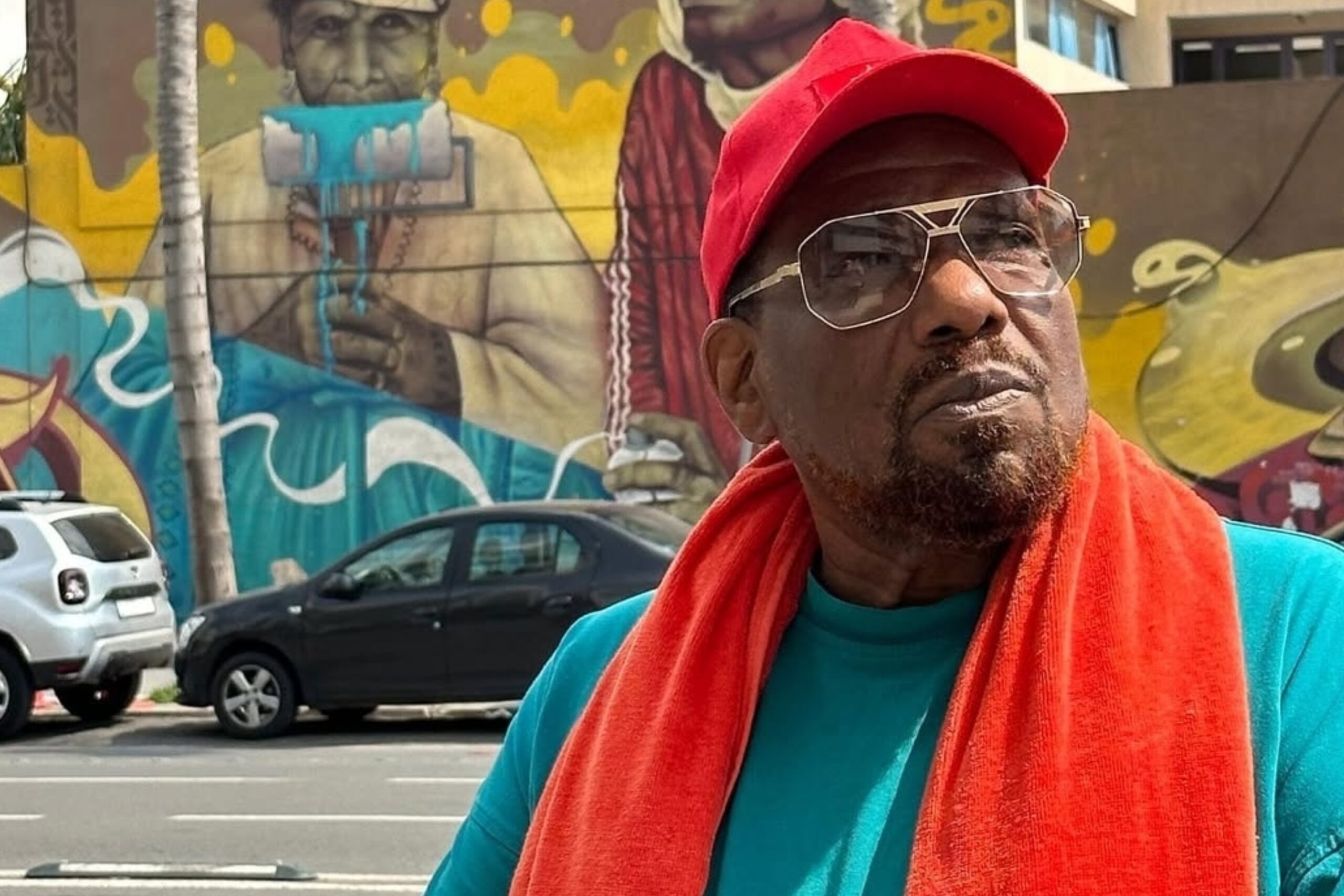
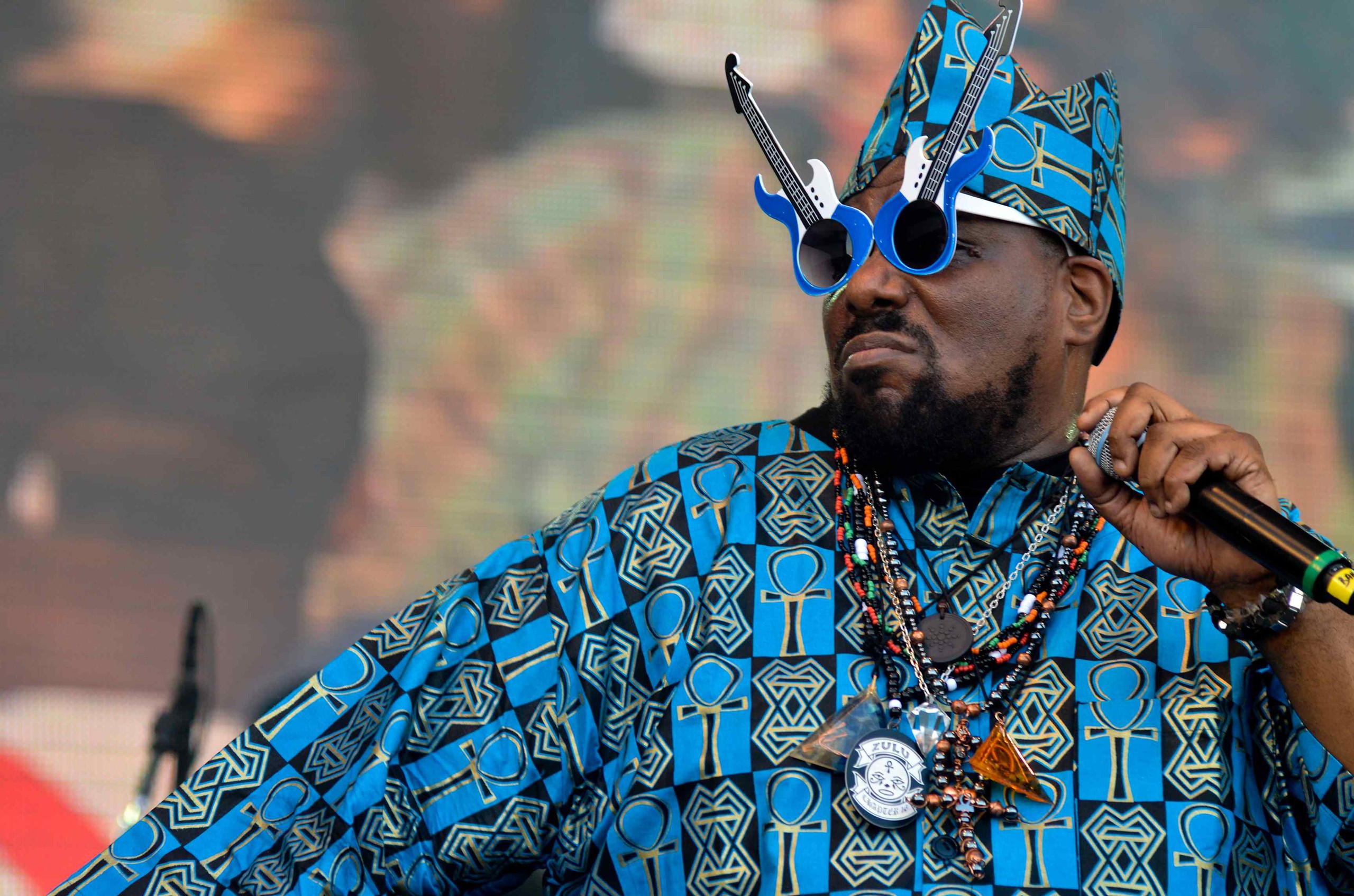
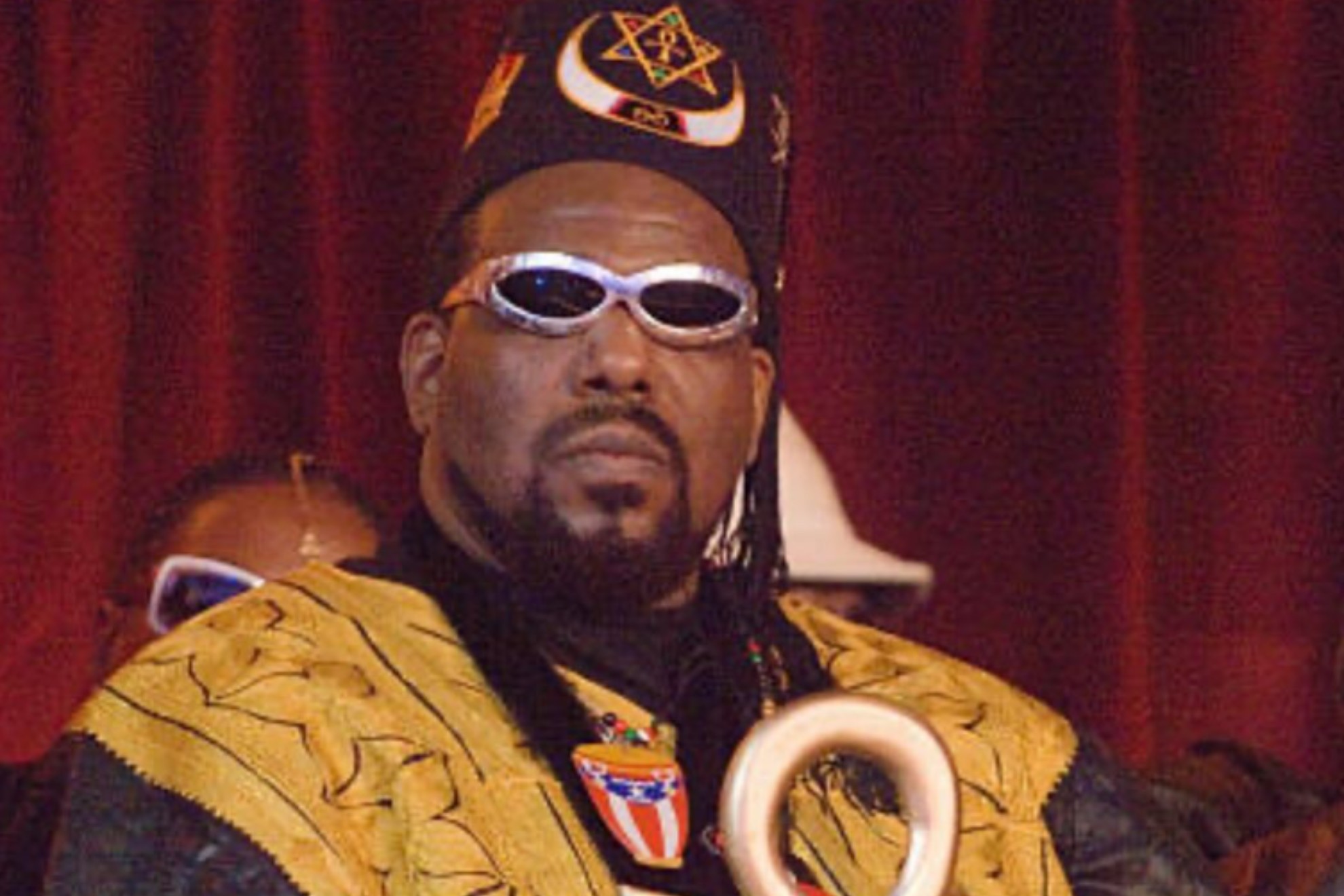
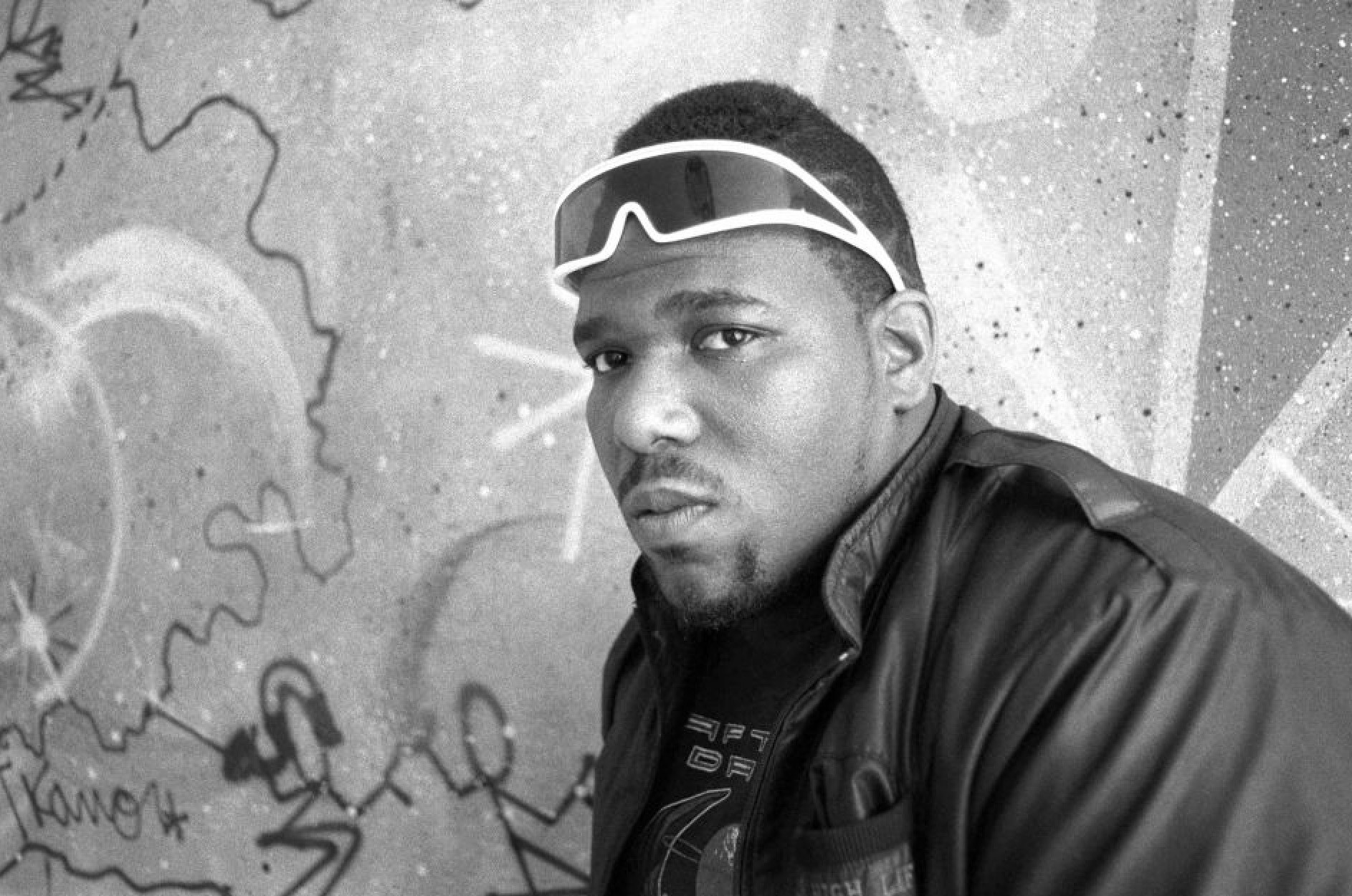
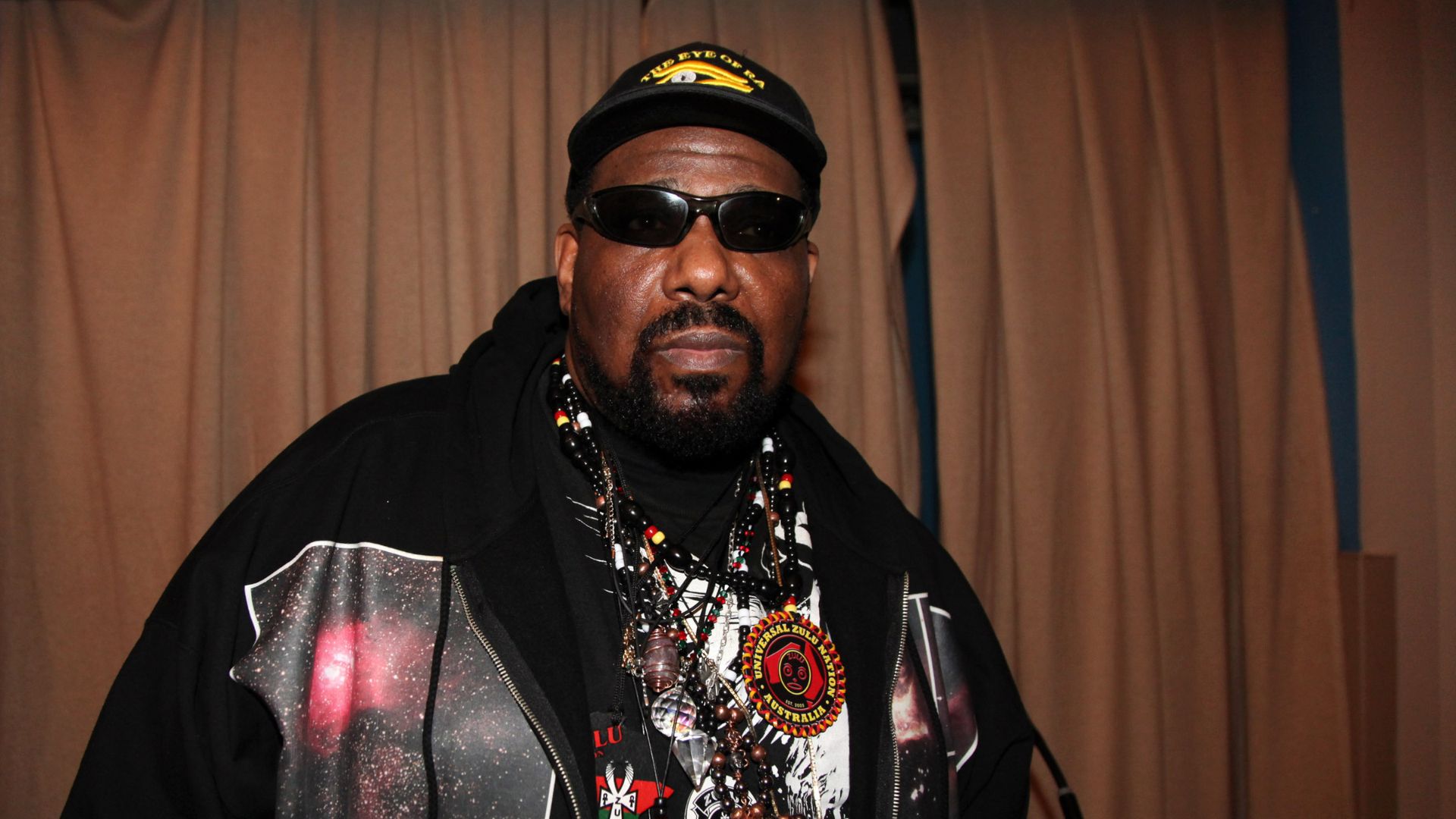
Afrika Bambaataa is widely recognized as a foundational architect of hip-hop culture, having codified its core elements while pioneering the fusion of electronic music, funk, and global rhythms that shaped modern club culture and electronic dance music.
The Cultural Genesis of Hip Hop in the South Bronx
The emergence of hip-hop culture in the South Bronx during the early 1970s was a direct response to urban decay, socioeconomic marginalization, and the fracturing of inner-city communities. Born Lance Taylor, Afrika Bambaataa emerged from this turbulent environment as a visionary community organizer and DJ. Influenced by the Black Liberation Army, the Civil Rights Movement, and the teachings of the Nation of Islam, he sought to channel the creative energies of local youth away from destructive gang warfare and into artistic expression.
Bambaataa famously founded the Universal Zulu Nation, an international hip-hop awareness organization that transformed street gangs into cultural collectives. Under his leadership, the organization established the four foundational pillars of hip-hop culture: DJing, MCing (turntables and vocal delivery), breakdancing (b-boying/b-girling), and visual graffiti art. By unifying these diverse artistic expressions under one ideological umbrella, Bambaataa provided a structured framework that allowed youth to gain identity, respect, and community through creativity rather than violence.
Codifying the Four Pillars and Soundscaping the Underground
As a resident DJ at community centers, block parties, and venues like the Bronx River Houses, Bambaataa revolutionized the approach to sound and performance. While contemporaries like Kool Herc isolated the "break" in funk and soul records to keep dancers moving, Bambaataa expanded the sonic palette drastically. He imported eclectic records from various genres, demonstrating an encyclopedic knowledge of music that defied rigid genre boundaries.
His crates included heavy funk breakdowns, Latin percussion records, rock anthems, and European electronic music. This methodology formed the bedrock of early hip-hop mixing techniques. Bambaataa understood that DJing was not merely about beatmatching; it was a form of cultural curation and storytelling. By integrating breakdancing crews into his sets and providing platforms for early emcees, he cemented the interdependent relationship between the four pillars, ensuring that the dance, the voice, the visual art, and the turntables functioned as a unified cultural ecosystem.
The Technological Leap: Pioneering Electro Funk and "Planet Rock"
In 1982, Afrika Bambaataa made a monumental leap that permanently altered the trajectory of both hip-hop and global electronic music. Teaming up with producer Arthur Baker and studio musicians known as the Soul Sonic Force, Bambaataa released the landmark single "Planet Rock."
| Track Element | Primary Influence & Technical Implementation |
|---|---|
| Rhythm Machine | Roland TR-808 rhythm composer creating heavy bass |
| Melodic Hook | Interpolation of Kraftwerk's "Trans-Europe Express" |
| Orchestral Stabs | Sampled motifs from Kraftwerk's "Numbers" |
| Vocal Delivery | Call-and-response futuristic rapping and chanting |
"Planet Rock" shattered stylistic boundaries by merging the synthesized, robotic rhythms of German electronic pioneers Kraftwerk with the heavy, syncopated funk breaks of James Brown. The track popularized the Roland TR-808 drum machine, establishing its booming bass kicks and crisp handclaps as the foundational sound of early electronic dance music and modern hip-hop production. This synthesis birthed the electro-funk and freestyle genres, proving that hip-hop producers could successfully incorporate synthesized electronic instrumentation without losing the gritty, organic groove of street-level funk.
Global Expansion and the Universal Zulu Nation Legacy
The influence of Afrika Bambaataa and the Universal Zulu Nation quickly transcended the geographical borders of New York City, expanding across the United States and internationally into Europe, Asia, and Africa. Bambaataa traveled extensively as a cultural ambassador, introducing European and Asian audiences to breakdancing, scratching, and electro music.
This global outreach transformed hip-hop from a hyper-local subculture into a worldwide phenomenon. The Universal Zulu Nation preached a message of peace, unity, love, and having fun, which resonated deeply with marginalized youth in cities like London, Paris, Tokyo, and Berlin. By framing hip-hop as a universal language of resistance and self-expression, Bambaataa inspired generations of international artists to adapt the culture to their own local contexts, laying the groundwork for thriving domestic hip-hop scenes worldwide.
Critiques, Controversies, and the Re-Evaluation of Historical Contributions
While Bambaataa’s historical importance as a cultural pioneer remains undisputed, his legacy has faced severe scrutiny and re-evaluation in later years. In the mid-2010s, multiple public allegations of sexual abuse involving minors in the 1970s and 1980s were leveled against him by former members of the Zulu Nation and community figures.
These serious accusations led to his resignation from leadership positions within the Zulu Nation and a significant distancing by major cultural institutions and academic chroniclers of hip-hop history. Historians, journalists, and cultural critics now navigate a complex dual narrative: acknowledging his undeniable, pioneering role in inventing hip-hop culture and electro funk, while confronting the profound personal and institutional fallout of these allegations. This tension highlights the ongoing challenge within music history of separating monumental artistic innovations from the complex, and sometimes deeply troubling, personal actions of their creators.
Frequently Asked Questions About Afrika Bambaataa
What role did Afrika Bambaataa play in the invention of hip hop?
Afrika Bambaataa synthesized the four foundational elements of hip-hop—DJing, MCing, breakdancing, and graffiti—under the umbrella of the Universal Zulu Nation. He expanded the musical boundaries of early block parties by mixing diverse genres and establishing hip-hop as an organized, conscious youth culture.
How did the song Planet Rock change electronic music?
Released in 1982, "Planet Rock" combined Kraftwerk's electronic melodies with James Brown's funk beats, popularized the Roland TR-808 drum machine, and single-handedly birthed the electro-funk genre, which directly influenced techno, house, and modern hip-hop production.
What was the Universal Zulu Nation?
The Universal Zulu Nation was an international hip-hop awareness and community organization founded by Bambaataa in the 1970s. It evolved out of South Bronx street gangs to promote peace, unity, and positive social engagement through the arts.
What musical genres influenced Afrika Bambaataa's DJ style?
Bambaataa pulled records from an eclectic array of genres, including traditional funk, soul, rock, Latin percussion, dub reggae, and European synthesizer-driven electronic music, creating a blueprint for sample-based production and open-format DJing.
How are the controversies surrounding Bambaataa viewed in hip-hop history?
While his technical innovations and role in codifying hip-hop culture are historically documented, subsequent allegations of misconduct have led to his marginalization from institutional leadership, prompting a critical re-examination of how cultural pioneers are honored and remembered.
Next Steps for Studying Hip Hop History
To gain a comprehensive understanding of early hip-hop history, researchers and enthusiasts should examine primary audio recordings from Bronx park jams, review oral histories from pioneering producers and dancers, and consult academic analyses of South Bronx socio-economic conditions during the 1970s. Engaging with these diverse sources provides a balanced view of the artistic breakthroughs and structural challenges that defined the genre's infancy.