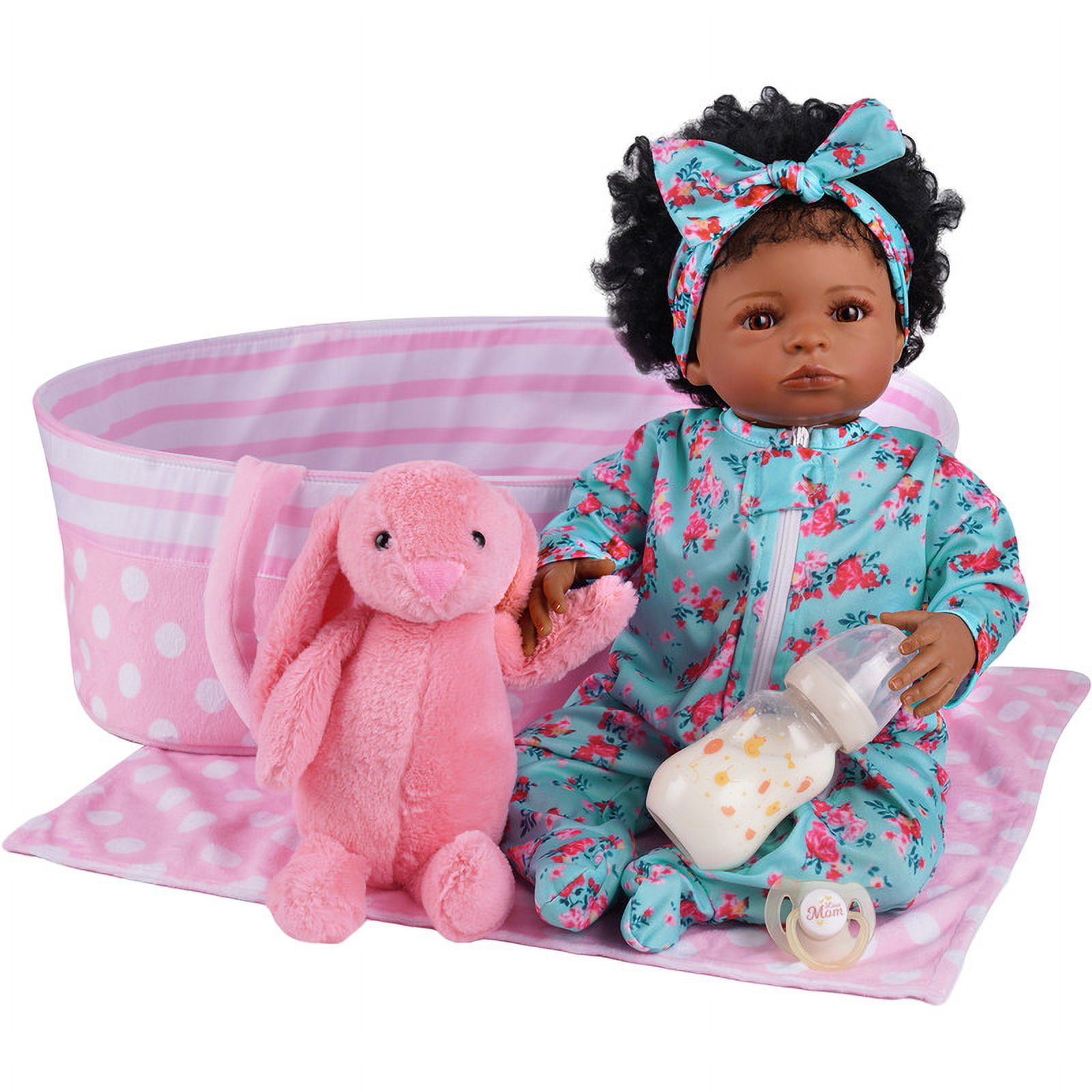
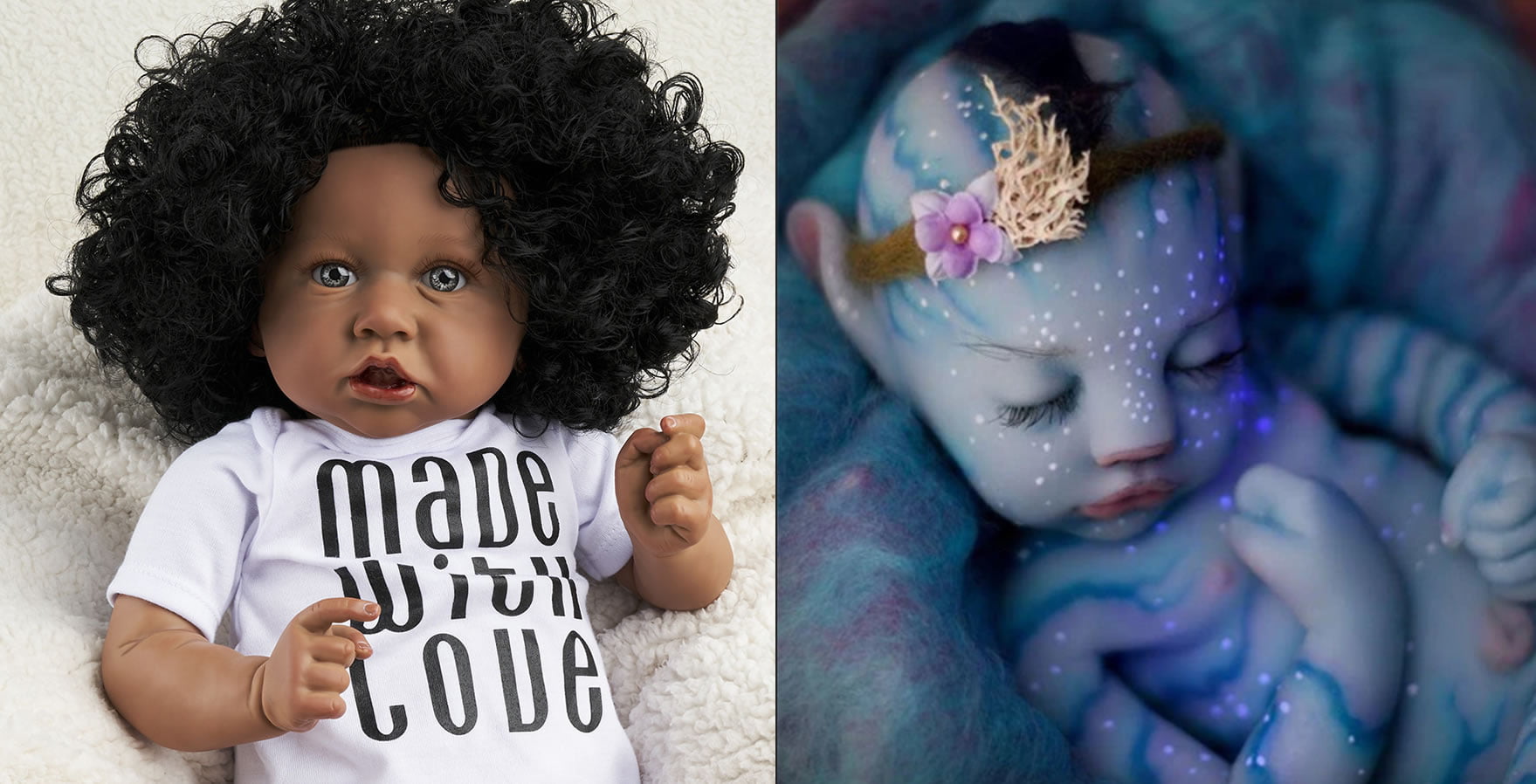
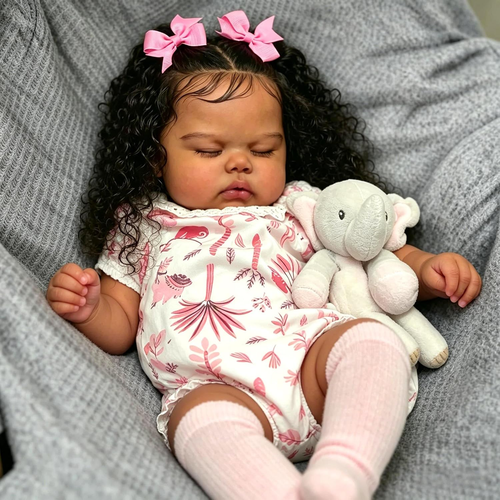
African American reborn dolls for adoption are hyper-realistic, handcrafted collectible infant dolls designed to mirror the distinct physical features, skin tones, hair textures, and facial nuances of Black babies. Often presented as being ready for "forever homes," these dolls are meticulously weighted, painted, and rooted by independent artists to provide comfort, therapeutic engagement, or a specialized collecting experience.
Understanding the World of Reborn Artistry
Reborn doll artistry is a specialized craft that transforms blank vinyl or silicone sculpts into remarkably convincing infant replicas. The process begins with a blank kit, which an artist paints in thin, translucent layers to mimic the undertones, capillaries, and natural skin variations of a real human infant. For African American reborn dolls, achieving a lifelike appearance requires careful attention to melanin-rich skin tones, ranging from warm caramel to deep espresso, ensuring authentic representation.
Beyond skin coloration, the texture and styling of the hair are critical components of the craft. Artists often use human hair or high-quality mohair, applying techniques such as micro-rooting to replicate the delicate curls, coils, or fine textures typical of newborn babies of color. Eyelashes and eyebrows are similarly hand-rooted or painted stroke by stroke. Finally, the dolls are weighted using fine glass beads or silicone granules to match the average heft of a real newborn, complete with a floppy head that requires support when held.
The Concept of Adoption and Forever Homes in Reborn Collecting
In the reborn community, the phrasing of "adoption" and "forever homes" is a widely embraced cultural convention that shapes how collectors acquire and care for these pieces. Rather than treating the transaction as a standard retail purchase, artists and adoption coordinators frame the process around rehoming. This reflects the emotional attachment collectors form with the art, as well as the personalized nature of acquiring a custom-designed piece.
Many artists issue "birth certificates" or "adoption certificates" alongside the doll, often detailing the sculpt name, artist signature, date of birth, weight, and length. This documentation adds to the immersive experience of welcoming a lifelike doll into a home. Whether collectors are doll enthusiasts, therapeutic users seeking emotional solace, or photography hobbyists capturing realistic infant imagery, the adoption framework establishes a respectful and deliberate approach to owning these detailed works of art.
Materials, Specifications, and Quality Tiers
Evaluating the quality of an African American reborn doll requires examining the core materials used in its construction. Collectors generally choose between two primary mediums: vinyl and platinum silicone. Each material offers distinct advantages regarding durability, flexibility, and realism.
| Material Type | Pros | Cons | Ideal For |
|---|---|---|---|
| Vinyl (Plastisol) | Affordable, wide variety of sculpts, takes paint layers well for realistic skin tones. | Rigid structure, less skin-like tactile bounce. | General collectors, budget-conscious buyers, display purposes. |
| Platinum Silicone | Extremely realistic movement, natural skin-like squish, flexible fingers and toes. | Significantly more expensive, heavier, prone to tearing if handled roughly. | Advanced collectors, therapeutic users seeking tactile realism. |
In addition to the base material, the weight distribution and armature dictate how the doll feels in your arms. A quality reborn features weighted limbs, a weighted torso, and a weighted head, necessitating proper handling just like a real infant. The filling materials—ranging from poly-fill and glass micro-beads to rubber pellets—are safely sealed inside inner cloth bodies for vinyl dolls, while silicone dolls are cast solid with internal weighting channels.
Therapeutic Applications and Emotional Support
While many people collect reborn dolls as a hobby, a substantial segment of the market utilizes African American lifelike baby dolls for therapeutic purposes. Occupational therapists, geriatric specialists, and psychologists often recommend reborn dolls for individuals experiencing specific emotional needs, cognitive shifts, or grief.
For older adults, particularly those living with dementia or Alzheimer's disease, holding a weighted infant can evoke a comforting sense of purpose, reduce anxiety, and stimulate positive memories of early parenthood. Additionally, individuals navigating the grief of miscarriage, infant loss, or infertility sometimes find profound emotional comfort in caring for a reborn doll that reflects their specific family heritage. The tactile interaction—rocking, changing clothes, and feeding with a magnetic pacifier—activates neural pathways associated with nurturing and caregiving.
Maintenance, Care, and Preservation Guidelines
Maintaining the structural integrity and aesthetic appeal of a reborn doll requires specific care routines. Because the intricate layers of heat-set or air-dry paints are delicate, standard toy-cleaning methods can ruin the finish.
- Dusting and Surface Cleaning: Use a soft, dry makeup brush or a microfiber cloth to gently remove dust from the face and limbs. Never submerge a cloth-bodied reborn doll in water, as moisture will ruin the internal stuffing and weighting materials.
- Hair Maintenance: Micro-rooted hair requires gentle handling. Avoid aggressive brushing or combing, especially on curly or textured mohair, which can frizz or pull out. Use a soft-bristle baby brush and a leave-in conditioner spray diluted with water if detangling is necessary.
- Clothing and Friction Protection: Dress the doll in natural fabrics like cotton to prevent synthetic dyes from transferring onto the vinyl or silicone skin. Avoid tight clothing that causes constant friction against painted joints.
- Environmental Control: Keep the doll away from direct sunlight, extreme heat, and high humidity. UV rays can yellow vinyl and fade painted skin tones over time.
Evaluating Artists and Ensuring Ethical Acquisition
Because reborn doll creation is a cottage industry dominated by independent sculptors and nursery owners, buyers must navigate the market with discernment. When seeking an African American reborn doll ready for adoption, verify the artist's credentials, portfolio, and customer reviews.
Reputable artists are transparent about the sculpt kits they use, often naming the original sculptor (such as Reva Schick, Ping Lau, or Bonnie Brown) and providing certificate numbers for limited-edition kits. Be cautious of suspiciously low prices on major retail or auction platforms, as mass-produced counterfeit dolls often mimic artisan photos while delivering inferior, toxic materials. Investing in authentic, artist-reborn creations ensures ethical labor practices and supports the independent artisans who specialize in diverse representation within the doll community.
Frequently Asked Questions
Why are African American reborn dolls often referred to as being ready for adoption?
The terminology stems from the community culture surrounding reborn collecting, where dolls are viewed as unique art pieces rather than mass-market toys. Artists and nurseries use "adoption" to emphasize the personalized nature of rehoming a handcrafted doll, complete with birth certificates and care packages.
Are these dolls suitable for children to play with?
Most reborn dolls are fragile collectibles, not children's toys. The delicate multi-layered paint, hand-rooted hair, and delicate glass-bead weighting make them susceptible to damage from rough play. Some sturdier vinyl dolls are suitable for older, responsible children under supervision, but silicone and high-end artist reborns are strictly intended for adult collectors and therapeutic use.
How do artists achieve realistic Black skin tones on reborn dolls?
Artists use specialized oil-based or heat-set vinyl paints applied in dozens of translucent layers. They hand-paint undertones, blushing, mottling, and specific melanin pigmentation to replicate the natural depth, warmth, and variation found in real human infant skin.
Can the hair on an African American reborn doll be washed?
Washing is generally discouraged unless necessary, as water can degrade the glue securing the hair inside the vinyl head. If cleaning is required, use a damp cloth on the scalp or a very light mist of diluted conditioner, followed by gentle air drying without heat.
What is the difference between a silicone reborn and a vinyl reborn?
Vinyl dolls feature a soft vinyl head and limbs attached to a weighted cloth body, making them lightweight and versatile. Silicone dolls are molded entirely from platinum silicone, offering a realistic skin-like squish and physical flexibility, though they are significantly heavier and more expensive.
How can I avoid counterfeit or scam reborn listings?
Verify the artist's identity through established doll-collecting forums, official nursery websites, or social media art pages. If an online listing uses stock photographs stolen from a well-known professional artist and prices a complex custom doll under one hundred dollars, it is likely a counterfeit scam.
Next Steps for Prospective Collectors
Begin your search by identifying whether you prefer a vinyl or silicone doll and determining the specific skin tone, hair texture, and gender that fits your collection or therapeutic goals. Research established independent reborn nurseries or verified artisan marketplaces rather than generic mass-market storefronts. Reach out directly to artists to inquire about current availability, customization options, and adoption paperwork details to ensure a transparent and rewarding acquisition experience.