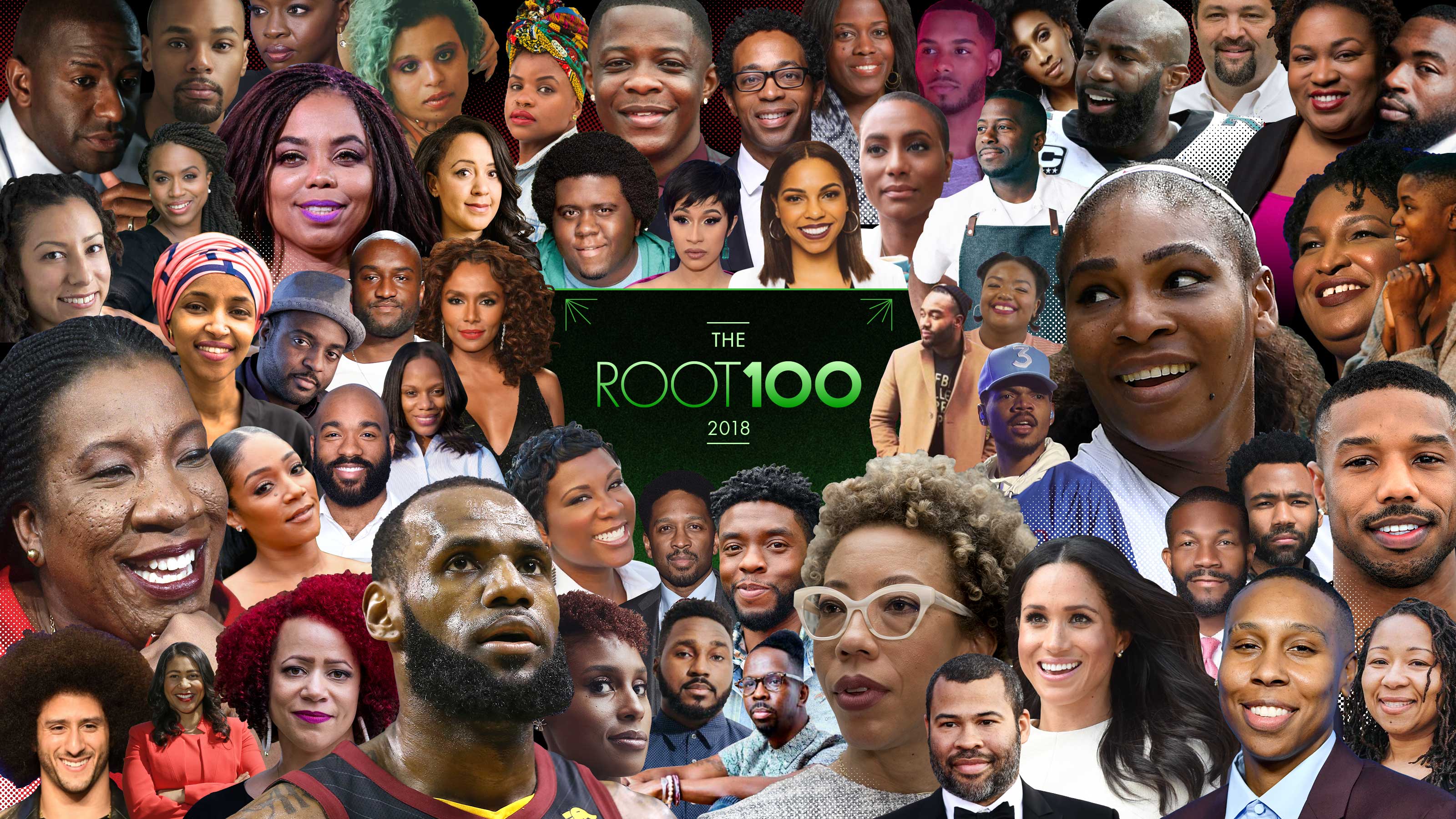
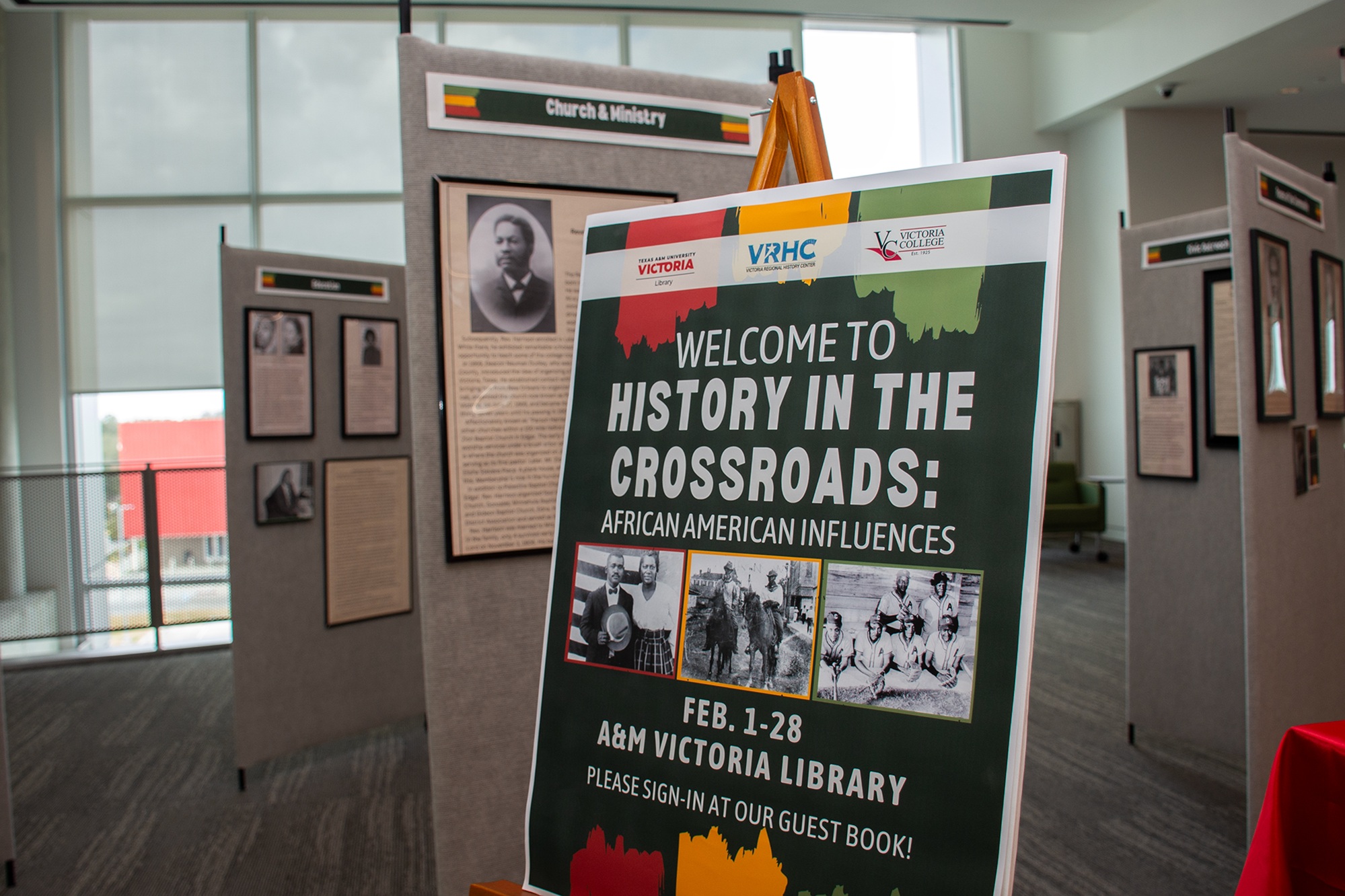
African American influence is a cornerstone of modern global identity, driving essential developments in music, language, civil rights, and economic trends. It encompasses the historical and contemporary contributions of Black Americans that have reshaped social structures, political frameworks, and commercial markets worldwide, serving as a primary engine for cultural innovation and democratic progress.
The Historical Genesis of Cultural Influence
The roots of African American influence are found in a unique synthesis of African traditions and the American experience. This influence did not emerge in a vacuum; it was forged through resilience in the face of systemic oppression. During the eras of enslavement and Reconstruction, African Americans maintained and adapted cultural markers—ranging from oral storytelling to rhythmic patterns—that would eventually define the American aesthetic.
The "Great Migration," which saw millions of Black Americans move from the rural South to the industrial North and West between 1916 and 1970, acted as a primary catalyst for the spread of this influence. This movement led to the Harlem Renaissance in the 1920s, a period of unprecedented intellectual and artistic growth. Figures like Langston Hughes and Zora Neale Hurston didn't just write literature; they established a blueprint for examining the intersection of race, identity, and modernity. By 2026, the legacy of this era remains a critical touchstone for understanding how localized cultural movements can achieve global resonance.
This historical foundation established a pattern: African American communities often innovate out of necessity, creating new forms of expression that the broader world eventually adopts. This cycle of innovation and adoption is visible in everything from religious practices to culinary traditions, where West African techniques were merged with American ingredients to create "Soul Food," a cuisine that has influenced global gastronomic trends.
The Architecture of Global Music and Arts
Perhaps the most visible manifestation of African American influence is found in the evolution of music. It is difficult to identify a major contemporary genre that does not owe its structural or rhythmic heritage to Black innovators.
- Jazz and Blues: These genres provided the harmonic and improvisational foundations for 20th-century music. Jazz, often called "America's Classical Music," introduced complex syncopation and the concept of the soloist, which fundamentally altered how music was composed and performed globally.
- Rock and Roll: While often associated with white performers in the mid-20th century, the genre's DNA is entirely rooted in the rhythm and blues (R&B) and gospel music of Black artists like Sister Rosetta Tharpe and Chuck Berry.
- Hip-Hop: Entering the mid-2020s, Hip-Hop remains the dominant cultural force globally. It has moved beyond music to become a comprehensive lifestyle, influencing fashion, language, and political activism. In 2026, the genre's 50-plus-year history is studied not just as entertainment, but as a sophisticated tool for social commentary and economic mobilization.
In the visual arts, the influence is equally profound. From the bold social realism of Jacob Lawrence to the contemporary abstract works of Mark Bradford, African American artists have consistently challenged the Western canon. Their work often forces a dialogue on visibility, prompting galleries and museums worldwide to reconsider whose stories are told and how they are curated.
Language, Communication, and the Concept of "Cool"
African American Vernacular English (AAVE) has a documented and significant impact on the English language as a whole. Many terms and grammatical structures that originate in Black communities are eventually adopted into mainstream discourse, often facilitated by social media and digital communication.
The influence extends beyond vocabulary to the concept of "cool"—an aesthetic and behavioral stance that prioritizes composure, style, and detachment. This "aesthetic of cool" has been exported globally, dictating trends in high fashion and street style alike. In 2026, the speed at which African American linguistic innovations move from community use to global corporate marketing is faster than ever, often occurring in a matter of days due to viral platforms.
However, this influence also brings up critical discussions regarding cultural appropriation. As Black culture is commodified, there is an ongoing need to recognize the source of these innovations and ensure that the originating communities retain agency over their cultural intellectual property.
Economic Power and Consumer Behavior
The economic impact of the African American community is a vital metric for global brands. As of 2026, the buying power of Black consumers in the United States continues to grow, influencing how products are designed, marketed, and distributed.
| Sector | Historical Impact | 2026 Modern Influence |
|---|---|---|
| Beauty & Personal Care | Innovation in hair care (Madam C.J. Walker) | Leadership in "Clean Beauty" and inclusive shade ranges. |
| Technology | Inventions like the gas mask and traffic light | Leadership in AI ethics and digital content creation. |
| Finance | Establishment of Black-owned banks for community survival | Rise of FinTech solutions targeting the unbanked and under-banked. |
| Media/Entertainment | Early "race films" and independent broadcasting | Dominance in streaming content and global box office influence. |
Marketing strategies in 2026 prioritize "Black-first" cultural insights not just to reach Black audiences, but because Black trends are often predictive of broader market shifts. According to reports from firms like Nielsen, African American consumers are often "first adopters" of new technologies and social media platforms, making their engagement a key indicator of a product's future success in the general market.
Political Frameworks and Social Justice
The African American struggle for equality has provided a universal blueprint for human rights movements worldwide. The strategies developed during the Civil Rights Movement of the 1950s and 60s—including non-violent protest, legal challenges to systemic bias, and grassroots organizing—have been utilized by marginalized groups on every continent.
In the 2020s, movements like Black Lives Matter (BLM) redefined global activism for the digital age. These movements forced a worldwide reckoning with institutional racism, leading to policy changes in diverse areas such as policing, corporate governance, and environmental justice. In 2026, the "DEI" (Diversity, Equity, and Inclusion) frameworks used by Fortune 500 companies are direct descendants of the advocacy work performed by African American leaders and organizations.
Furthermore, the influence is seen in the legislative arena. The Voting Rights Act of 1965 remains a landmark piece of legislation that informs international standards for fair elections. The leadership of African Americans in local, state, and federal government continues to shape the American political landscape, influencing foreign policy and international relations.
Technological Innovation and AI Ethics
While often overlooked in traditional histories, African American influence in science and technology is foundational. From the mathematical calculations of Katherine Johnson that fueled the Space Race to the invention of the refrigerated truck by Frederick McKinley Jones, Black innovators have solved critical technical problems.
In 2026, this influence is particularly visible in the realm of Artificial Intelligence (AI). Black computer scientists and ethicists are at the forefront of identifying and mitigating "algorithmic bias." As AI systems become more integrated into daily life—from hiring processes to medical diagnoses—the work of African American experts ensures these systems do not replicate historical prejudices. This "ethical influence" is essential for the safe and equitable deployment of technology globally.
Frequently Asked Questions
How does African American culture influence global fashion?
African American culture influences fashion through the "trickle-up" effect, where styles originating in Black urban communities are adopted by luxury fashion houses. This includes the popularization of streetwear, specific sneaker cultures, and the use of bold colors and patterns. In 2026, many top creative directors at major European fashion labels cite Black American aesthetics as their primary inspiration.
What is the significance of the "Black Dollar" in the 2026 economy?
The "Black Dollar" refers to the collective purchasing power of African Americans. In 2026, this power is a major driver of the U.S. economy, particularly in sectors like travel, technology, and luxury goods. Brands that fail to authentically engage with this demographic often see significant declines in market share, as Black consumers increasingly prioritize companies that demonstrate social responsibility and inclusivity.
How has African American influence shaped modern literature?
Modern literature has been shaped by the introduction of new narrative structures and the exploration of complex themes like intersectionality and systemic injustice. African American authors have pioneered genres such as Afrofuturism, which blends science fiction with African mythology and history. This has paved the way for a more diverse range of voices in global publishing.
Why is AAVE considered an influential linguistic force?
AAVE is influential because it is a highly systematic and creative dialect that frequently produces new terms and expressions. Because of the global dominance of American media, these terms are often adopted by non-speakers worldwide. Linguists study AAVE to understand how languages evolve and how social identity is expressed through speech patterns.
What role did African Americans play in early American inventions?
African Americans were responsible for numerous essential inventions during the Industrial Revolution and beyond, often despite facing significant barriers to obtaining patents. Notable examples include the three-light traffic signal (Garrett Morgan), the carbon filament for the lightbulb (Lewis Latimer), and improved steam engines. These inventions provided the technical infrastructure for modern American life.
Strategic Engagement with African American Influence
To properly understand or engage with African American influence in 2026, individuals and organizations must move beyond surface-level appreciation. This requires a commitment to historical literacy and an acknowledgment of the systemic challenges that Black innovators have overcome.
For businesses, the next step is moving from "representation" to "partnership." This involves investing in Black-owned supply chains, supporting Black creators with equitable contracts, and ensuring that the cultural insights used in marketing are credited to their sources. For educators and researchers, it means integrating these contributions into the core curriculum rather than treating them as "supplemental" history. By recognizing African American influence as a primary driver of global progress, society can better navigate the complexities of a multicultural world.