African American actors have transformed the cinematic landscape from the silent film era to the current 2026 landscape. Their contributions span every genre, evolving from early, marginalized roles to becoming the industry’s most influential performers, producers, and creative architects. Today, their work defines modern storytelling through a lens of authenticity, cultural depth, and global commercial appeal.
Historical Foundations: Breaking the Color Barrier
The history of African American actors is a narrative of resilience against systemic exclusion. In the early 20th century, opportunities were largely confined to stereotypical roles or segregated "race films" produced for Black audiences. However, pioneers like Hattie McDaniel broke significant ground; in 1939, she became the first African American to win an Academy Award for her role in Gone with the Wind. While her win was historic, it also highlighted the industry's limitations, as she was famously seated at a segregated table during the ceremony.
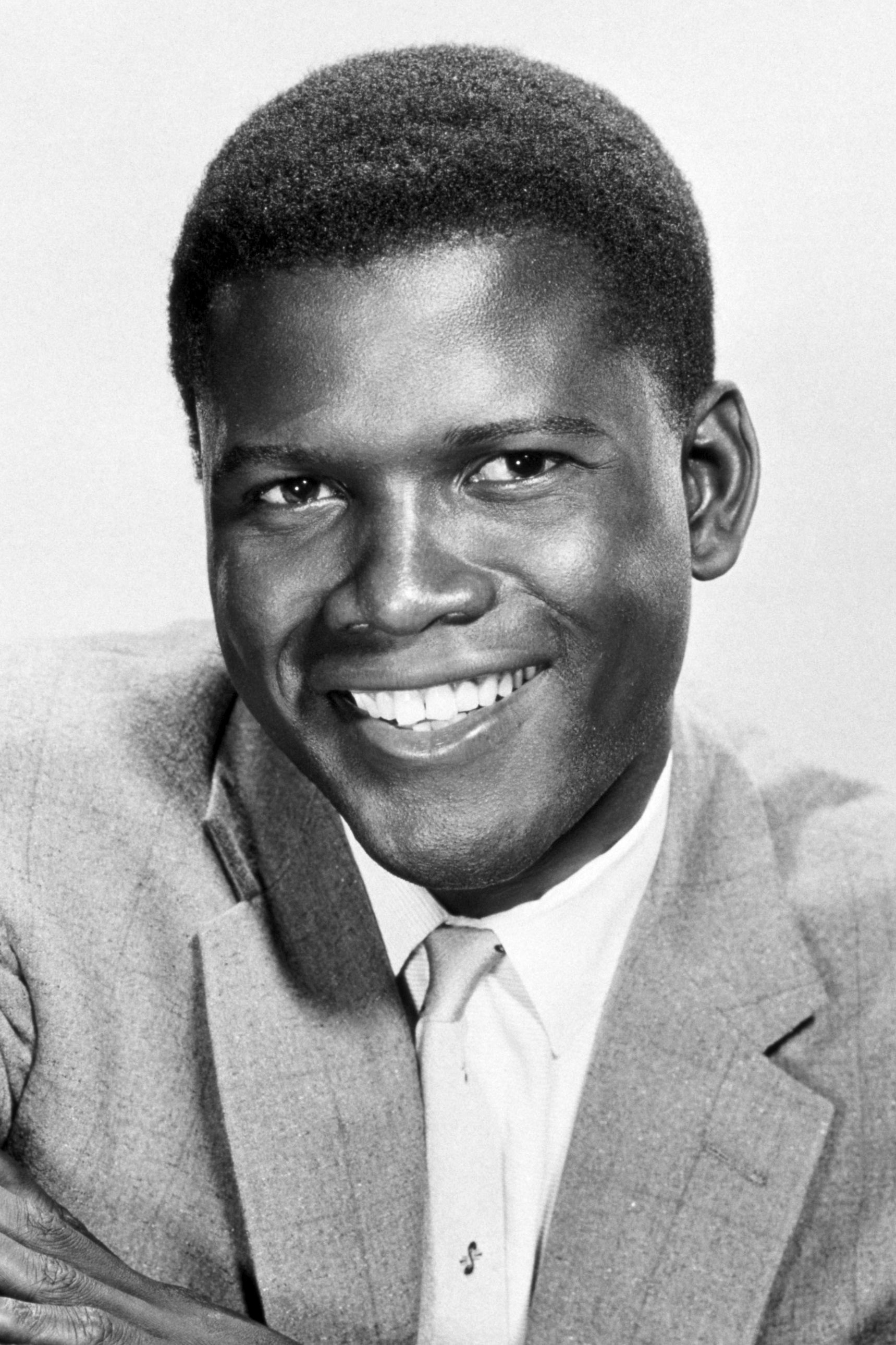
The 1950s and 1960s marked a pivotal shift toward leading roles that demanded dignity and intellectual depth. Sidney Poitier emerged as the definitive figure of this era. His performance in Lilies of the Field (1963) earned him the first Academy Award for Best Actor for an African American man. Poitier’s career was intentional; he famously refused roles that reinforced negative stereotypes, instead choosing characters that challenged the prevailing racial prejudices of the Civil Rights era. His success paved the way for subsequent generations to be viewed not just as "Black actors," but as versatile leading performers capable of carrying major studio productions.
The Transformative Decades: 1970s through the 1990s
The late 20th century saw an explosion of genre diversity for African American performers. The 1970s introduced the "Blaxploitation" era, which, despite its controversial name, provided a platform for actors like Richard Roundtree and Pam Grier to portray empowered, urban heroes. This era demonstrated the immense buying power of Black audiences and the commercial viability of Black-led narratives.
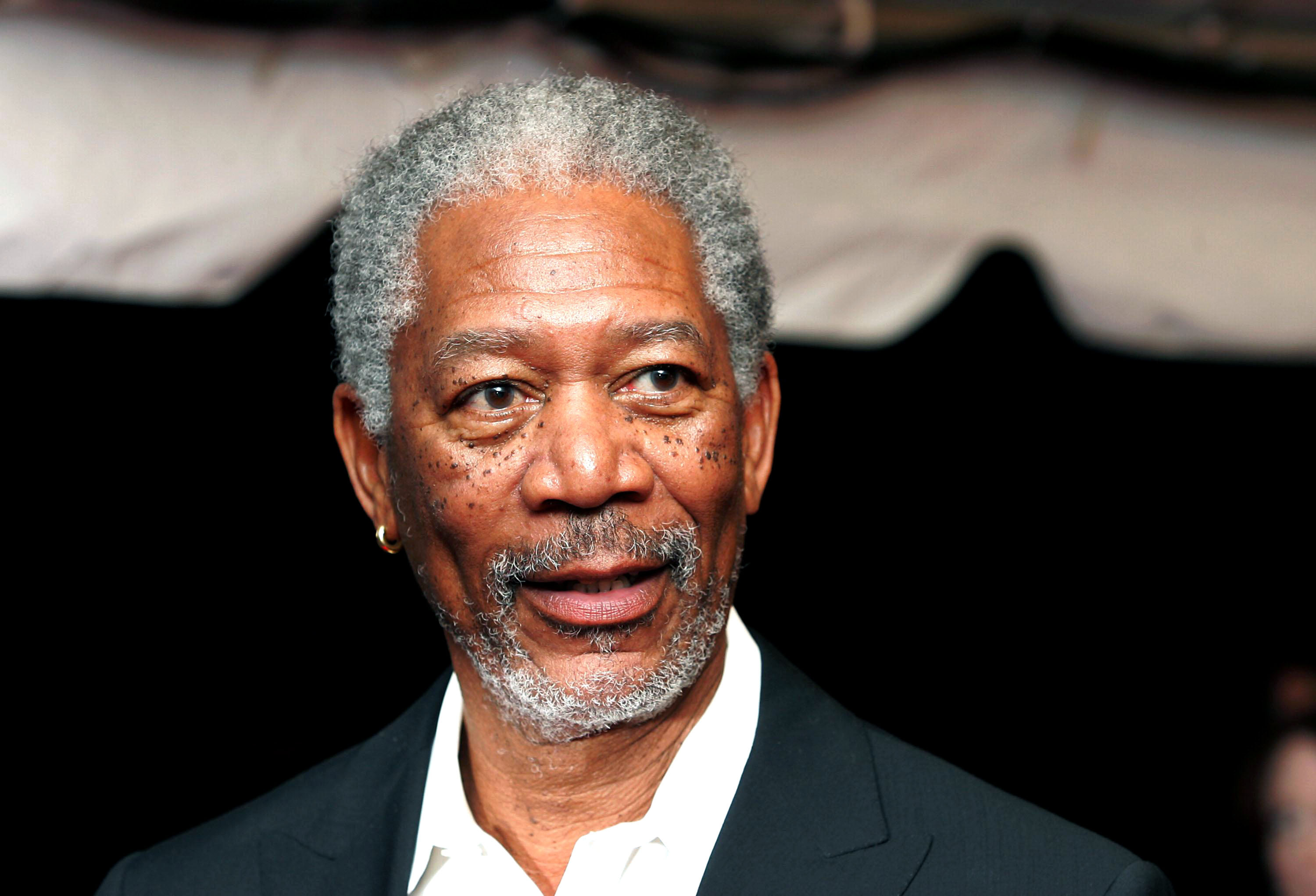
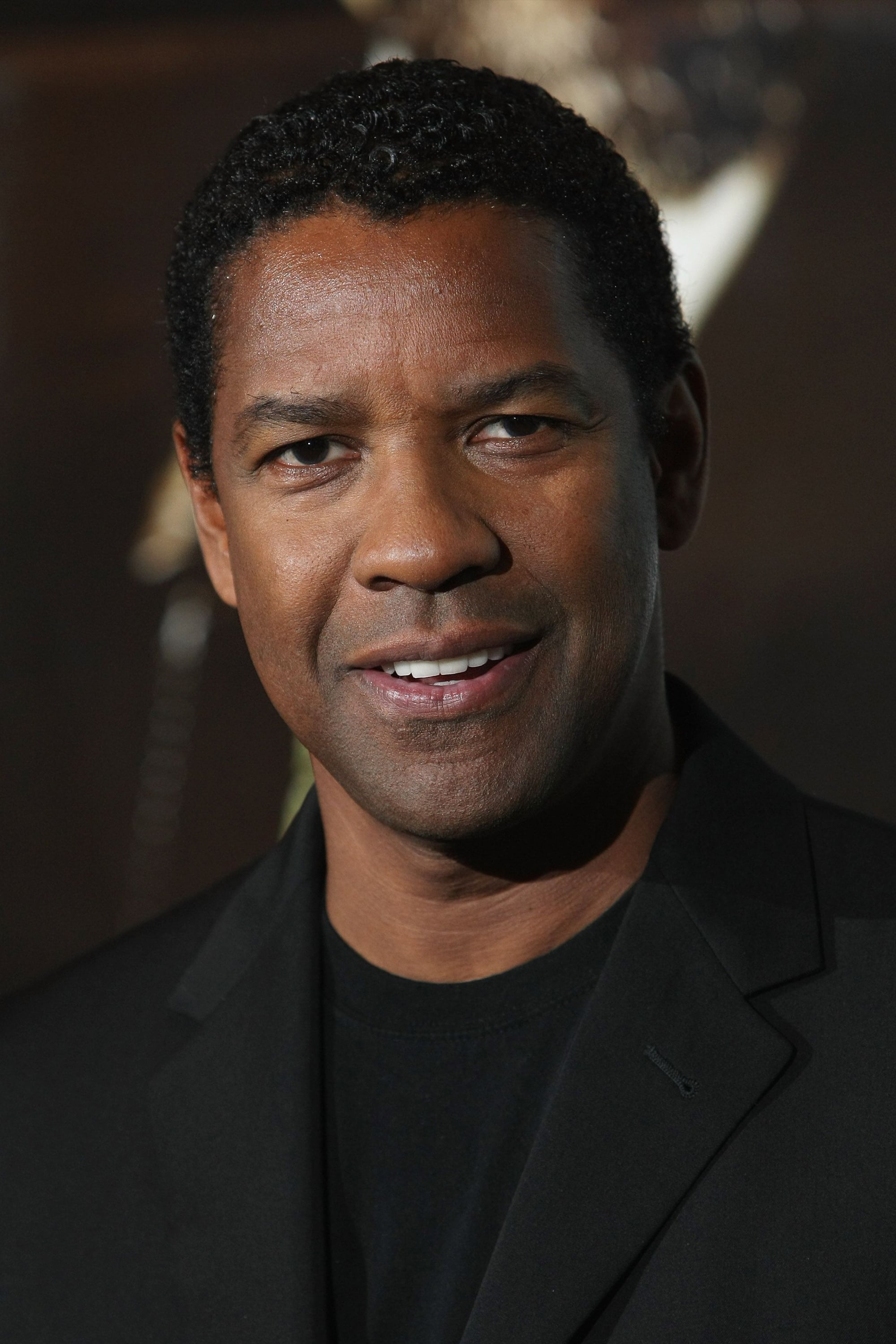
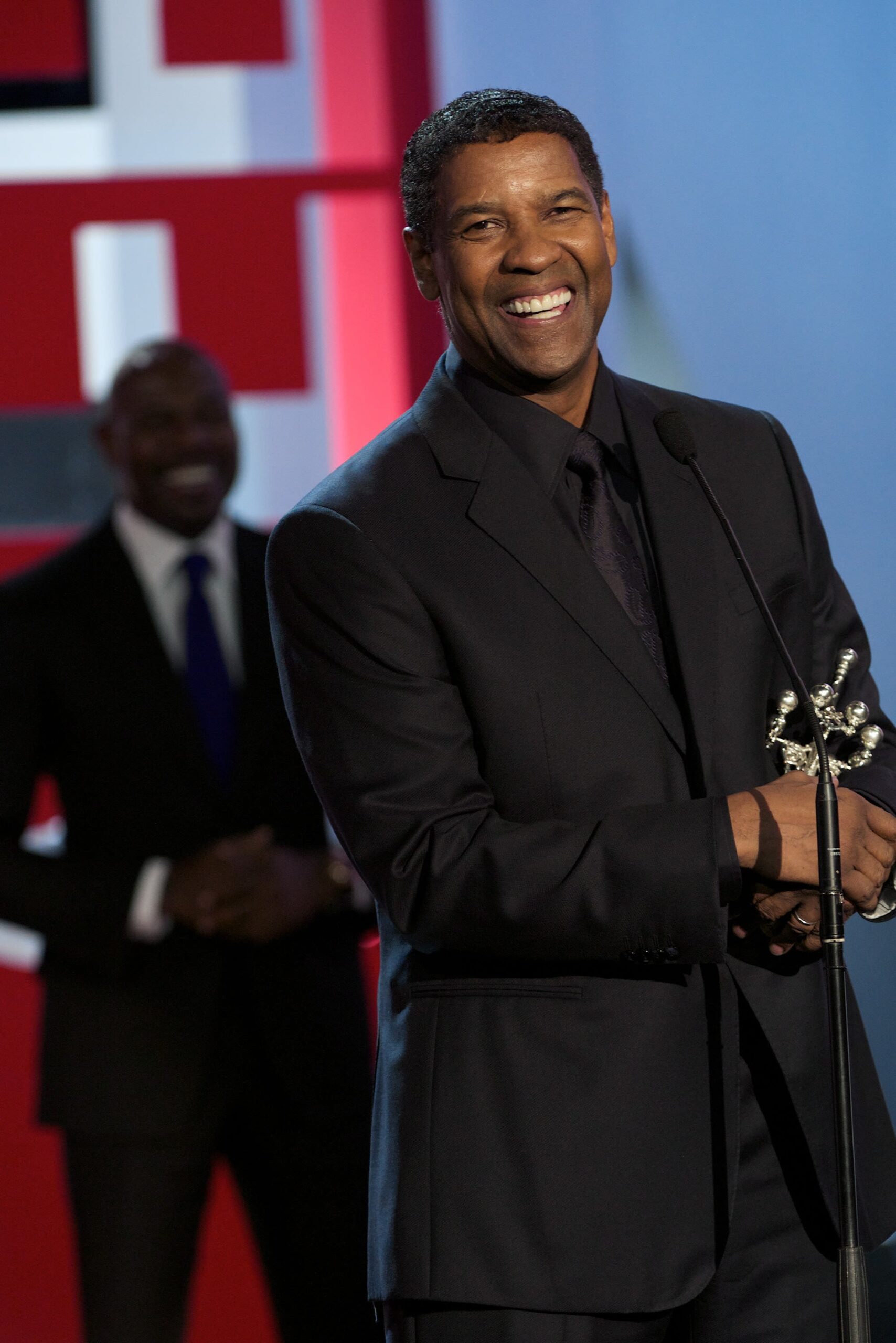
By the 1980s and 1990s, African American actors began to dominate the global box office and prestige awards circuits simultaneously. Denzel Washington and Morgan Freeman became household names, known for their gravitas and range. Washington’s work in Glory (1989) and Malcolm X (1992) established him as one of the greatest actors of his generation, regardless of race. Concurrently, the rise of comedic powerhouses like Eddie Murphy and Whoopi Goldberg proved that African American talent could lead multi-billion-dollar franchises. Goldberg’s "EGOT" status (winning an Emmy, Grammy, Oscar, and Tony) remains a benchmark of artistic excellence and cross-medium success.
The Modern Era of Versatility and Prestige
As we navigate 2026, the definition of success for African American actors has expanded to include unprecedented technical mastery and "Triple Crown" achievements. Viola Davis stands as a titan of this era, having secured an Oscar, Emmy, and Tony for her powerhouse performances. Her work often explores the nuances of Black womanhood, bringing visibility to stories that were historically overlooked.
The current landscape is also defined by a surge in "prestige television" and streaming dominance. Actors such as Sterling K. Brown, Regina King, and Mahershala Ali have utilized platforms like HBO, Netflix, and Hulu to deliver complex, character-driven performances. Ali’s two Academy Awards for Best Supporting Actor within a three-year span (Moonlight and Green Book) signaled a shift in how the industry rewards subtle, transformative acting. Furthermore, the global success of the Black Panther franchise, led by the late Chadwick Boseman, permanently dismantled the myth that Black-led films could not perform well in international markets.
Beyond the Screen: Actors as Industry Architects
One of the most significant developments in 2026 is the transition of African American actors into powerful "hyphenates"—actor-producers and actor-directors. This shift is crucial because it grants performers control over the narratives being told and the hiring practices behind the camera.
- Jordan Peele: Transitioning from a comedic actor to a master of "social horror," Peele has used his production company, Monkeypaw Productions, to elevate diverse voices.
- Issa Rae: Starting in digital media, Rae has built an empire that encompasses television, film, and music, focusing on the "awkward" and authentic experiences of Black millennials.
- Michael B. Jordan: Through Outlier Society, Jordan was an early adopter of the "inclusion rider," a legal stipulation in a performer's contract that requires a certain level of diversity in the film's cast and crew.
- Zendaya: Representing the younger generation, her role as both a lead actress and executive producer on major projects demonstrates the increasing agency of Gen Z talent in Hollywood.
By controlling the means of production, these individuals ensure that representation is not merely a cosmetic choice but a structural foundation of the industry.
Key Figures and Milestones in Performance
The following table highlights several African American actors who have fundamentally altered the industry's trajectory through their accolades and cultural impact.
| Actor | Primary Genre/Focus | Major Accolades | Key Industry Impact |
|---|---|---|---|
| Sidney Poitier | Dramatic Leading Man | Oscar (Best Actor) | First Black male lead to win an Oscar; broke racial casting barriers. |
| Denzel Washington | Dramatic/Action Thriller | Multiple Oscars, Tony | Redefined the "Leading Man" archetype for the modern era. |
| Viola Davis | Prestige Drama/Stage | EGOT Status (Oscar, Emmy, Tony, Grammy) | Highest-awarded Black actress; focuses on complex female narratives. |
| Samuel L. Jackson | Action/Blockbuster | Honorary Oscar | Highest all-time domestic box office total for any actor. |
| Angela Bassett | Biopic/Drama | Honorary Oscar, Golden Globes | Renowned for portraying historical Black icons with unmatched intensity. |
| Mahershala Ali | Independent/Character Study | Two Oscars (Supporting Actor) | First Muslim actor to win an Oscar; focuses on nuanced, quiet roles. |
| Marsai Martin | Comedy/Production | Multiple NAACP Image Awards | Youngest person ever to produce a major Hollywood film (Little). |
Challenges and the Path Toward 2026 and Beyond
Despite the visible success of top-tier talent, the journey for African American actors in 2026 still involves navigating structural hurdles. While "firsts" are still being recorded, the focus has shifted toward sustained equity. Issues such as the "pay gap" for Black actresses, hair and makeup departments lacking the skills to work with textured hair, and the "pigeonholing" of talent into specific types of stories remain points of active advocacy.
The SAG-AFTRA and the NAACP continue to publish reports on diversity, highlighting that while onscreen representation has increased, the parity in executive roles—those who greenlight projects—lags behind. The rise of independent Black cinema and digital platforms has provided a necessary alternative to the traditional studio system, allowing actors to find work that bypasses traditional gatekeepers.
How are African American actors impacting the 2026 global market?
In 2026, African American actors are primary drivers of global box office revenue. Studios have recognized that "Black-led" content is not a niche market but a global powerhouse. High-profile casting in franchises like the Marvel Cinematic Universe and the Star Wars universe has solidified Black actors as essential components of international marketing strategies, particularly in expanding markets in Africa and South America.
Which African American actor has won the most Academy Awards?
As of 2026, Denzel Washington remains one of the most decorated, with two competitive Academy Awards and numerous nominations. However, the conversation often focuses on the "Triple Crown of Acting"—winning an Oscar, Emmy, and Tony—which has been achieved by Viola Davis, making her one of the most critically recognized performers in history.
What is the significance of the "Inclusion Rider" for Black actors?
The inclusion rider is a contract provision that requires film productions to meet specific diversity benchmarks in their hiring. For African American actors, this has been a vital tool for ensuring that the sets they work on reflect the real world, providing opportunities for Black cinematographers, editors, and costume designers who have historically been excluded from high-budget productions.
Who was the first African American actor to be nominated for an Oscar?
Hattie McDaniel was the first to be nominated and win (Best Supporting Actress, 1939). For leading roles, Dorothy Dandridge was the first African American woman nominated for Best Actress for Carmen Jones (1954), while Sidney Poitier was the first man nominated for a leading role for The Defiant Ones (1958).
How has streaming changed the careers of Black actors?
Streaming services like Netflix and Amazon Prime have drastically increased the volume of roles available. Unlike traditional theaters, which often rely on "proven" stars, streaming platforms use data to justify investing in diverse stories. This has allowed actors like Colman Domingo and Thuso Mbedu to reach global audiences in roles that might not have received a wide theatrical release ten years ago.
Supporting Diverse Excellence in Media
To foster a more equitable entertainment industry, audiences and aspiring professionals should look toward active engagement with diverse storytelling. Supporting films and series led by African American actors during their opening weekends or initial streaming windows is a measurable way to signal market demand to studio executives.
Furthermore, following the work of organizations like the Black Editorial or the Black Film Center & Archive provides deeper context into the history and future of these performers. For those entering the industry, seeking out mentorship through programs like the Ghetto Film School or the Academy Gold Rising program can provide the necessary networking to succeed in a competitive 2026 landscape.