Finding an affordable vet assistant school involves balancing initial tuition costs against the long-term value of recognized certification. Students can access low-cost training through community colleges, vocational technical centers, or accredited online programs, with total costs ranging from $500 to $3,000 depending on the provider, curriculum depth, and local certification requirements.
Understanding the Vet Assistant Landscape
The path to becoming a veterinary assistant is distinct from that of a veterinary technician or a veterinarian. Unlike licensed technicians who must earn an associate degree in Veterinary Technology and pass the Veterinary Technician National Examination (VTNE), veterinary assistants often receive training through certificate programs. These programs are designed to provide foundational knowledge in animal restraint, clinical procedures, laboratory assistance, and office administration.
Because veterinary assistant requirements vary by state and individual clinic preference, the "necessity" of formal schooling is often debated. Some clinics prefer to hire individuals with a certificate from an accredited institution, while others prioritize on-the-job training. For those seeking formal education, the primary challenge is identifying programs that offer robust training without the high overhead of private, for-profit career colleges.
Identifying Low-Cost Training Options
When researching affordable programs, your first priority should be identifying the institution's accreditation status. Accreditation by regional bodies or industry-specific organizations, such as the National Association of Veterinary Technicians in America (NAVTA) in regions where it applies, provides a layer of quality assurance.
Community Colleges and Vocational Schools
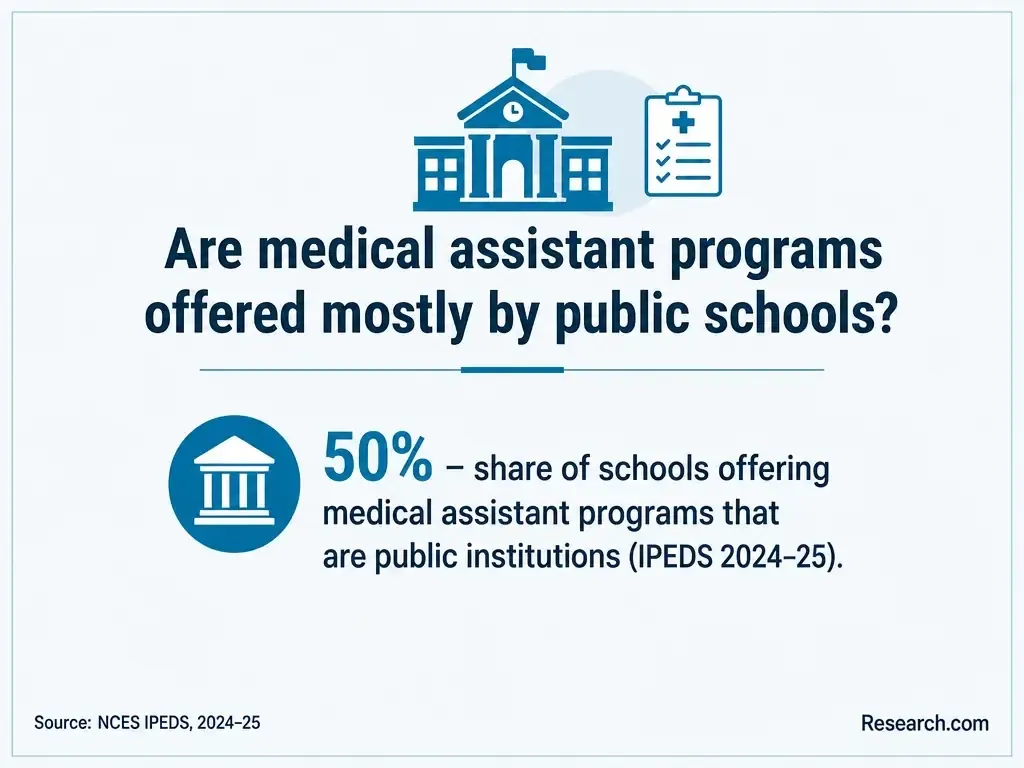
Publicly funded community colleges are typically the most cost-effective route. These institutions benefit from government subsidies, which allow them to keep tuition significantly lower than private trade schools. Many community colleges offer continuing education or non-credit certificate programs for veterinary assistants. These programs often utilize the same clinical facilities as the school’s veterinary technology department, ensuring that students receive hands-on experience in a real-world setting.
Online Accredited Programs
For students who cannot attend in-person classes, online education offers a flexible alternative. Reputable online programs often partner with local clinics to facilitate the "clinical externship" portion of the training. This is a crucial component; verify that the school assists you in securing an externship site, as finding a clinic willing to host a student can be difficult without institutional support.
Breakdown of Certification and Training Costs
The total investment for a veterinary assistant program includes several distinct financial categories. Prospective students should create a budget that accounts for these variables to avoid unforeseen expenses.
| Expense Category | Typical Cost Range | Description |
|---|---|---|
| Tuition & Fees | $500 – $2,500 | Base cost of the instructional program and lab access. |
| Course Materials | $100 – $400 | Textbooks, online software access, and study guides. |
| Clinical Supplies | $50 – $200 | Scrubs, stethoscopes, and other necessary personal gear. |
| Certification Exam | $100 – $300 | Fees paid to the certifying body for the final assessment. |
| Total Est. Investment | $750 – $3,400 | Cumulative cost to reach certification status. |
The Role of Certification vs. Training
It is important to disambiguate "training" from "certification." Training refers to the educational program you complete to gain knowledge and skills. Certification is a separate process where you demonstrate those skills to an independent body to earn a credential, such as an Approved Veterinary Assistant (AVA) designation.
While many states do not legally mandate certification to work as an assistant, having an industry-recognized credential can increase your starting salary and make you a more competitive candidate. Before enrolling in a program, check if the program’s completion automatically makes you eligible to sit for a nationally recognized exam. If the program only provides a "certificate of completion" from the school itself, verify whether local employers value that specific school’s credential.
Prerequisites and Program Requirements
Before applying to an affordable vet assistant school, ensure you meet the standard eligibility criteria. Most programs require:
- A High School Diploma or GED: This is the baseline academic requirement for almost all vocational training programs.
- Immunization Records: Because you will be working with animals and potentially biological hazards, programs often require proof of rabies vaccination and a tetanus booster.
- Technical Proficiency: For online programs, you will need a reliable computer, stable internet access, and the ability to navigate a Learning Management System (LMS).
- Physical Capability: The profession requires the ability to lift up to 50 pounds, stand for long durations, and manage the physical stress of restraining animals.
Avoiding Common Pitfalls in Low-Cost Education
The "low cost" label can sometimes be misleading if a program lacks the necessary infrastructure to prepare you for the workforce. Be wary of schools that advertise exceptionally low prices but fail to mention clinical externships. Without hands-on practice, you will struggle to find employment in a competitive veterinary market.
Always verify the program’s "hidden" fees. Some providers offer a low initial tuition rate but charge extra for lab supplies, access to online libraries, or personalized instructor support. Furthermore, investigate the career support services offered by the institution. A school with a strong track record of placing students in local clinics is inherently more valuable, even if its base tuition is slightly higher than an unproven program.
Frequently Asked Questions
Does a certificate from an affordable school guarantee a job?
No. A certificate demonstrates that you have met a minimum standard of education, but it is not a guarantee of employment. Hiring decisions in veterinary medicine are heavily influenced by your ability to demonstrate technical proficiency, your references from clinical externships, and your soft skills regarding client communication.
Can I become a veterinary assistant without any formal schooling?
Yes. In many jurisdictions, it is possible to be hired as an entry-level assistant and receive "on-the-job" training. However, you will likely start at a lower salary and may have a harder time moving into specialized roles or advancing to more clinical positions compared to someone with a formal certificate.
Are there scholarships available for veterinary assistant programs?
While scholarships are less common for short-term certificate programs than for full-degree programs, you should contact the financial aid office at your local community college. They may have institutional grants or state-funded workforce development scholarships specifically designed for short-term health-related training.
How do I verify if a program is reputable?
The most reliable verification method is to check if the school is accredited by a regional agency or if it is endorsed by recognized organizations like NAVTA. Additionally, contact local veterinary clinics in your area and ask if they recognize the school or if they have hired graduates from that program in the past.
What is the difference between a "certificate" and "certification"?
A certificate is a document issued by the school confirming you completed their program. Certification is a professional designation granted by a third-party organization after you successfully pass an examination, indicating that you meet a national standard of competency.
Planning Your Next Steps
To begin your journey into a veterinary career, start by contacting your local community college to request their continuing education catalog. If no local options fit your budget, prioritize online programs that include a guaranteed, school-facilitated clinical externship. Before committing financially, request a detailed breakdown of all costs, including the price of textbooks and exam fees, to ensure the program remains "affordable" throughout the entire duration of your training.