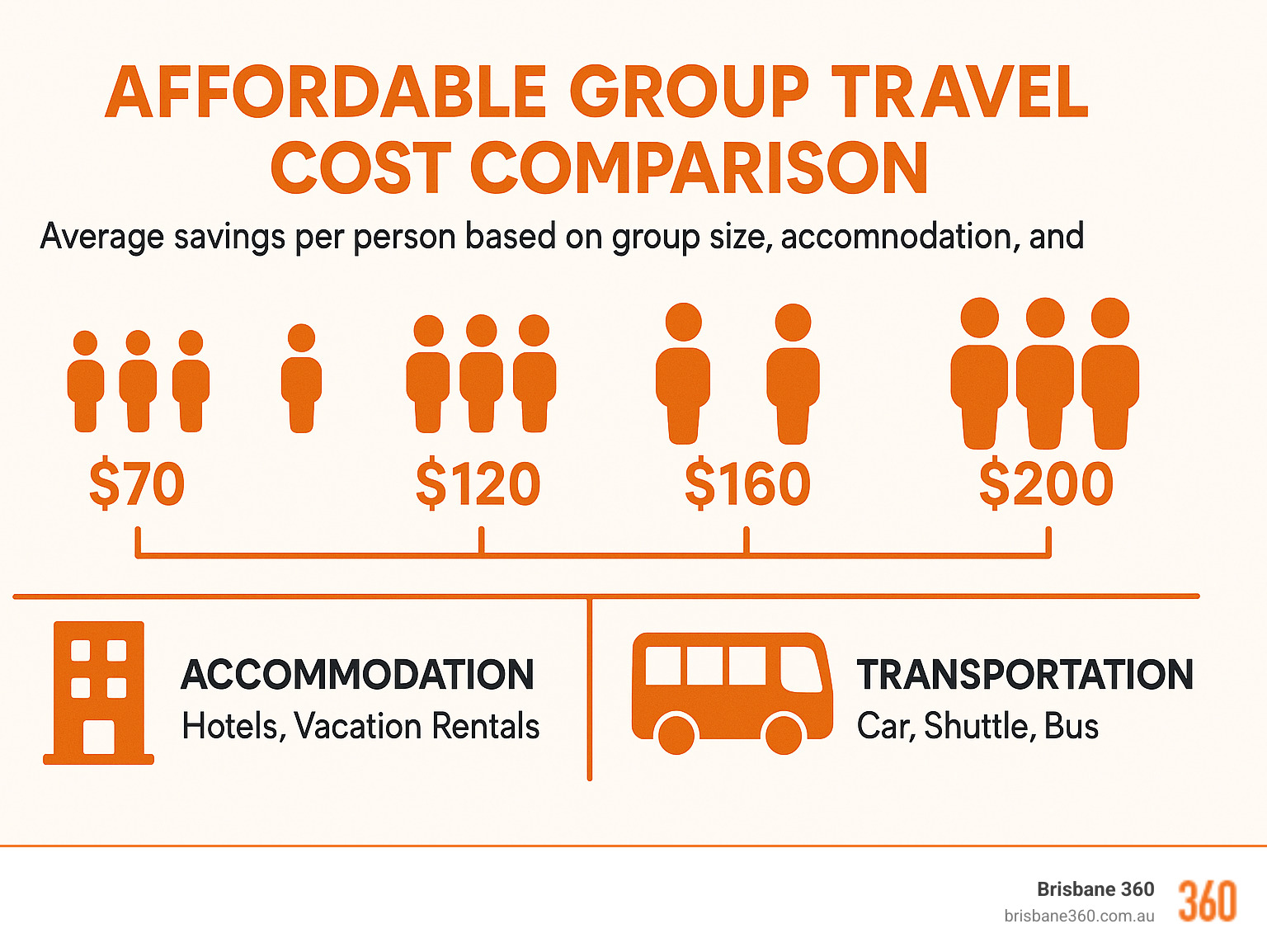
Affordable travel is achieved by decoupling the desire to explore new destinations from the assumption of high expenditure, focusing instead on predictive pricing, logistical flexibility, and the exploitation of off-peak demand cycles. By prioritizing regional mobility, secondary airport hubs, and value-based accommodation tiers, travelers can maintain geographic mobility while strictly adhering to predetermined budgetary constraints.
Decoupling Logistics from Premium Pricing
The primary barrier to affordable travel is the tendency to prioritize convenience over cost. Travelers often pay a significant premium for non-stop flights, proximity to major tourist landmarks, and peak-season scheduling. To shift this dynamic, one must adopt a mindset of "strategic flexibility." This involves selecting departure dates based on historical price data rather than personal preference, and identifying transit nodes that offer lower landing fees, which airlines typically pass on to the consumer as cheaper base fares.
In 2026, the aviation landscape is defined by data-driven pricing models. Airlines utilize dynamic algorithms that adjust seat prices in real-time based on search velocity and historical booking trends. To circumvent these, use flight aggregators that allow for "Anywhere" destination searches or "Whole Month" calendar views. These tools reveal the variance between flying on a Tuesday versus a Saturday, a delta that often accounts for 30% to 50% of the total ticket cost.
The Hierarchy of Accommodation Costs
Accommodation is usually the most significant recurring expense after transportation. A common mistake is defaulting to full-service hotels in primary city centers. A more economical approach involves a tiered evaluation of lodging options based on access to public transit rather than proximity to central squares.
| Lodging Type | Average Cost Profile | Key Trade-off |
|---|---|---|
| Hostels/Dorms | Lowest | Shared privacy/facilities |
| Vacation Rentals | Moderate | Requires self-service/cleaning |
| Business Hotels | High | Proximity to transit hubs |
| Boutique Guesthouses | Variable | Limited amenities/staffing |
Vacation rentals, while often viewed as a cost-saving measure, require a careful analysis of "all-in" pricing. In 2026, many platforms have increased service fees and mandatory cleaning charges that can inflate the per-night rate significantly for short stays. Before booking, calculate the cost over the total number of days to ensure that the nightly average remains competitive with lower-tier hotel rates.
Leveraging Regional Transit Networks
Once at a destination, the reliance on ride-sharing services and private transfers frequently depletes travel budgets. Urban environments with robust public transportation infrastructure offer the most consistent cost control.
Before departing, research the availability of multi-day transit passes. Many major cities in Europe, Asia, and North America offer integrated digital passes that cover buses, light rail, and regional trains. These are almost universally cheaper than purchasing individual tickets or utilizing point-to-point taxis. Furthermore, staying in neighborhoods connected by a direct metro or train line to the airport or central station eliminates the need for expensive airport shuttles, which are often the most overpriced transport service in any travel market.
The Role of Timing and Seasonality
Travel demand follows predictable cycles, and "affordable" is often synonymous with "off-peak." Traveling during the shoulder season—the weeks immediately preceding or following the peak summer or holiday travel periods—provides the optimal balance between weather quality and cost.
During these periods, supply outstrips demand for hotels and tourist attractions, forcing operators to lower prices. If a destination is known for beach tourism, its shoulder season usually falls in late spring or early autumn. Conversely, for mountain or ski destinations, the shoulder season is typically late spring or early fall. Choosing these windows does more than save money; it also ensures a higher quality of experience due to lower crowd densities at major cultural or historical sites.
Managing Dietary Expenditures
Food costs are notoriously difficult to track, yet they are the most controllable variable in a travel budget. The "tourist tax" on dining—marked by locations in main squares or those offering English-only menus—can double the cost of a meal.
A sustainable strategy involves adopting the dietary habits of the local population. This means prioritizing local markets for staples and visiting cafes or restaurants located at least three blocks away from primary tourist corridors. Not only are these options more cost-effective, but they generally provide a more authentic culinary experience. Additionally, many travelers benefit from opting for properties with basic kitchen facilities, allowing for the preparation of at least one meal per day.
Addressing Common Challenges
Even with rigorous planning, unforeseen expenses can arise. The most common pitfall is the conversion of currency at airport kiosks or using bank cards with high foreign transaction fees.
- Currency Fees: Always use a debit or credit card that offers zero foreign transaction fees. Avoid "Dynamic Currency Conversion" (DCC) at ATMs and card terminals, which allows the merchant or bank to set an unfavorable exchange rate on the spot. Always choose to be charged in the local currency.
- Data Costs: In 2026, purchasing a local physical SIM card or utilizing an eSIM (Embedded SIM) service is significantly cheaper than international roaming plans provided by home-country carriers.
- Booking Mistakes: Avoid "third-party" booking portals if you suspect your travel plans might change. Direct bookings with airlines and hotels offer superior support, easier refund processes, and more flexibility during travel disruptions.
Frequently Asked Questions
How far in advance should I book to ensure the lowest fare?
There is no universal "golden rule" for booking windows, but for most international travel in 2026, the sweet spot is typically between 60 and 90 days before departure. Booking too early often means paying for the airline's initial, high-margin fare, while booking too late forces you into the last-minute high-demand pricing tier.
Is travel insurance worth the cost for budget-conscious travelers?
Yes, provided the policy is limited to core protections such as emergency medical coverage and trip cancellation for covered reasons. While basic trips seem low-risk, a single emergency medical evacuation or an unexpected flight cancellation can negate the savings of several years of travel. Look for "named peril" policies rather than "cancel for any reason" (CFAR) policies to keep premiums low.
Are "travel rewards" cards actually beneficial for saving money?
They are beneficial only if you pay your balance in full every month. If you carry a balance, the interest charges will far exceed the value of any points or miles earned. If you are disciplined with your finances, cards that offer flexible points transferable to multiple airline and hotel partners provide the highest value for future redemptions.
How do I identify safe, affordable accommodation?
Focus on properties with a high volume of reviews verified by the booking platform. Look for specific mentions of cleanliness, noise levels, and proximity to transit in the most recent reviews (within the last six months). Ignore the outlier reviews—both extremely positive and extremely negative—and look for consistent themes across the middle-range ratings.
Can I travel affordably to high-cost destinations?
Yes, by adjusting the "duration" and "intensity" of the trip. If a city is expensive, shorten your stay and supplement it with time in a nearby, less-expensive regional town. By moving between a high-cost capital and a low-cost secondary city, you can maintain a high-quality travel experience while keeping your total daily average spend within your target range.
Next Actions for Implementation
Start your planning by defining a hard total budget and a list of three potential destinations. Use a flight comparison tool to identify the cheapest month to visit each location. Once the destination is set, identify a neighborhood that is well-connected by public transit but slightly outside the primary tourist core. Finally, secure your accommodation, ensuring that your booking is refundable until a reasonable deadline, and apply for a credit card with no foreign transaction fees if you do not already possess one.