Finding a high-quality, budget-friendly moisturizer with SPF involves prioritizing broad-spectrum protection—at least SPF 30—alongside proven hydrating ingredients like ceramides, glycerin, or hyaluronic acid. Many drugstore formulations now provide dermatologist-recommended protection and daily moisture for under $20, simplifying skincare routines without compromising long-term skin health or safety.
The Evolution of Affordable Multi-Tasking Skincare
In 2026, the skincare market has reached a point of "ingredient democratization." High-performance UV filters and sophisticated hydrating complexes are no longer exclusive to luxury brands. The primary goal of an affordable moisturizer with SPF is to provide "invisible" protection that fits seamlessly into a daily routine. By combining a humectant (which draws water into the skin) with a sunscreen (which protects the skin barrier from UV damage), these products address the two most critical needs of skin health simultaneously.
The challenge for consumers has traditionally been the "cosmetic elegance" of cheaper products—older budget formulas were often thick, greasy, or left a white cast. However, modern manufacturing processes allow for micronized minerals and stabilized chemical filters that feel lightweight. When shopping for affordable hydration, the focus should be on the "Broad Spectrum" label, which ensures the product protects against both UVA rays (responsible for aging) and UVB rays (responsible for burning).
Key Ingredients for Deep Hydration on a Budget
To achieve "affordable hydration," one does not need exotic botanical extracts or proprietary "miracle" broths. Instead, the most effective budget moisturizers rely on a handful of gold-standard ingredients that have decades of clinical research backing their efficacy.
Humectants: The Water Magnets
Glycerin is perhaps the most underrated hero of affordable skincare. It is a highly effective humectant that is incredibly inexpensive to produce, making it a staple in budget-friendly moisturizers. It works by pulling moisture from the air or the deeper layers of the skin into the epidermis. Similarly, Hyaluronic Acid (HA) is now found in almost every drugstore aisle. HA can hold up to 1,000 times its weight in water, providing that "plump" look that characterizes well-hydrated skin.
Barrier Repair: Ceramides and Niacinamide
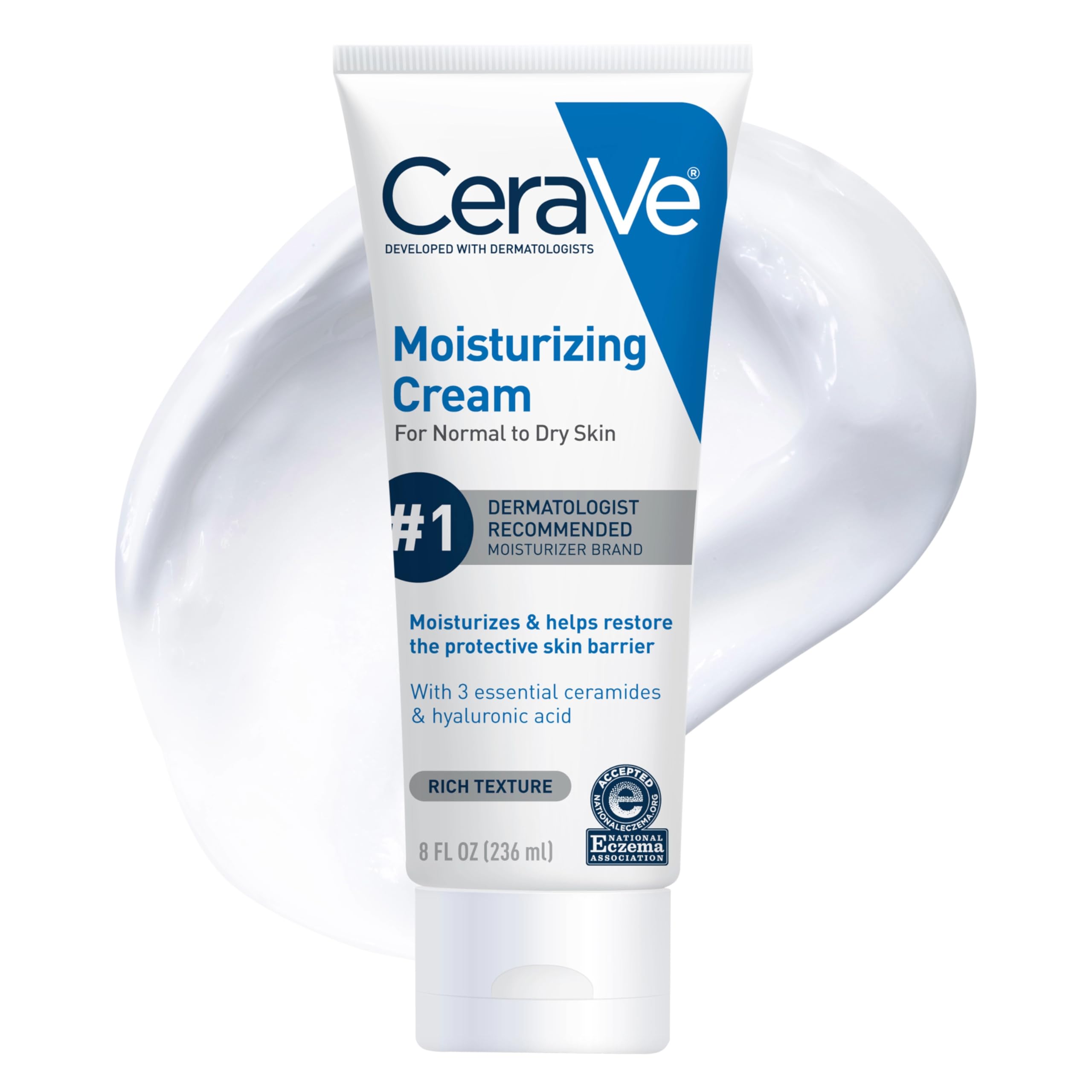
Hydration is useless if the skin cannot retain it. Ceramides are lipids that help restore the skin’s natural barrier, preventing "transepidermal water loss" (TEWL). Many leading budget brands, such as CeraVe and Vanicream, center their formulas around ceramides. Niacinamide (Vitamin B3) is another powerhouse often found in affordable SPF moisturizers; it helps soothe redness, regulates oil production, and strengthens the skin barrier, making it an excellent addition for those with sensitive or acne-prone skin.
Understanding SPF Standards for Daily Use
When choosing a cheap moisturizer for sun protection, the SPF (Sun Protection Factor) number is the most visible metric, but it requires context. The American Academy of Dermatology recommends a minimum of SPF 30 for daily use.
- SPF 15: Blocks approximately 93% of UVB rays.
- SPF 30: Blocks approximately 97% of UVB rays.
- SPF 50: Blocks approximately 98% of UVB rays.
While the jump from 30 to 50 seems small in percentage, it is significant for those with photosensitivity or a history of skin cancer. In 2026, many budget moisturizers have standardized at SPF 30 or SPF 50. It is also vital to distinguish between "water-resistant" sunscreens and daily SPF moisturizers. Most affordable hydrating SPF products are not water-resistant, meaning they are designed for a standard day at the office or school, not for heavy sweating or swimming. If your day involves the latter, a dedicated sport sunscreen should be applied over your moisturizer.
Top Affordable Moisturizer with SPF Recommendations
The following table compares the most reliable, budget-friendly options available in 2026. These products are selected based on their ingredient profiles, broad-spectrum ratings, and price-to-volume ratio.
| Product Name | SPF Rating | Primary Hydrator | Best For | Approx. Price (2026) |
|---|---|---|---|---|
| CeraVe AM Facial Moisturizing Lotion | 30 | Ceramides & Hyaluronic Acid | Normal to Dry Skin | $15 - $19 |
| Neutrogena Hydro Boost City Shield | 25-50 | Hyaluronic Acid | Oily & Combination Skin | $16 - $20 |
| Eucerin Daily Protection Face Lotion | 30 | Glycerin & Licochalcone | Sensitive Skin | $10 - $13 |
| Black Girl Sunscreen Kids (Moisturizing) | 50 | Jojoba & Avocado Oil | No White Cast / All Tones | $10 - $15 |
| Vanicream Facial Moisturizer with SPF | 30 | Ceramides | Ultra-Sensitive / Reactive Skin | $14 - $18 |
| Elf Holy Hydration! Face Cream SPF 30 | 30 | Peptides & Hyaluronic Acid | Budget-Conscious / Makeup Prep | $12 - $14 |
Application Techniques for Maximum Protection
The most common reason "cheap" moisturizers fail is not the formula, but the application. To achieve the SPF rating listed on the bottle, you must use a specific amount of product. Most users apply only 25% to 50% of the required amount, effectively reducing an SPF 30 moisturizer to an SPF 10 or 15.
- The Two-Finger Rule: For the face and neck, you should apply two strips of product along the length of your index and middle fingers. This provides roughly 1/4 to 1/2 a teaspoon, which is the amount required for full protection.
- Don't Forget the "Hidden" Spots: Affordable moisturizers are easy to spread, so ensure you cover the ears, the hairline, and the back of the neck. These areas are frequently neglected and are high-risk zones for sun damage.
- Wait Before Makeup: Give your SPF moisturizer at least 3 to 5 minutes to "set" or form a film on the skin before applying foundation or powder. This prevents the sun-protective ingredients from being diluted or streaked.
- Layering Logic: If you use other serums (like Vitamin C), apply them first. The moisturizer with SPF should always be the final step of your skincare routine before makeup.
Common Myths About Budget SPF Moisturizers
There is a persistent myth that a $10 moisturizer cannot protect skin as well as a $70 one. In reality, sunscreen filters are strictly regulated by agencies like the FDA in the United States and the European Medicines Agency. An SPF 30 rating means the same thing regardless of the price tag.
Another misconception is that the SPF in your makeup is sufficient. While many foundations contain SPF 15 or 20, nobody applies enough foundation to reach that level of protection without it looking "cakey." Using a dedicated affordable moisturizer with SPF ensures you have a consistent base layer of protection. Furthermore, people often believe that they don't need SPF on cloudy days. Up to 80% of UV rays can penetrate clouds, and UVA rays can pass through window glass, meaning daily hydration with SPF is necessary even for those working indoors near windows.
Frequently Asked Questions
Can I use my SPF moisturizer at night?
While it is not harmful, it is not recommended. Sunscreen filters are designed to sit on the surface of the skin to deflect or absorb UV rays. Using these filters at night provides no benefit and may increase the risk of clogged pores or irritation for some skin types. It is more cost-effective to use a simple, SPF-free moisturizer in the evening.
Does "Cheap" SPF cause more breakouts?
Not necessarily. Breakouts are usually caused by specific ingredients like heavy oils or certain chemical filters (like oxybenzone) rather than the price of the product. Look for the term "non-comedogenic" on the label, which indicates the product is formulated not to block pores.
Is SPF 15 in a moisturizer enough for a full day?
Generally, no. Dermatologists and organizations like the Skin Cancer Foundation suggest SPF 30 as the baseline for daily incidental exposure. SPF 15 is often insufficient because most people do not apply a thick enough layer to actually achieve the SPF 15 rating.
Why do some cheap moisturizers leave a white residue?
A white residue, or "cast," is typically caused by physical (mineral) filters like Zinc Oxide or Titanium Dioxide. These ingredients stay on top of the skin to reflect light. If this is a concern, look for "chemical" filters or "micronized/nanosized" mineral formulas, which are more transparent on darker skin tones.
How often should I reapply a moisturizer with SPF?
For standard daily use (indoors, occasional walking), a morning application is often sufficient. However, if you are sitting by a window or spending more than two hours outdoors, you should reapply. Since reapplying a cream over makeup is difficult, many people use a budget-friendly SPF powder or spray for midday touch-ups.
Strategic Selection for Long-Term Savings
To maximize the value of your skincare budget, focus on "multitasking" products that eliminate the need for separate serums. For example, choosing an affordable moisturizer that already contains Niacinamide or Peptides saves you from having to buy those ingredients in standalone products. Always check the "price per ounce" rather than the total price, as larger pump bottles often provide much better long-term value than small tubes.
By prioritizing SPF 30+ and a core group of proven hydrators like glycerin and ceramides, you can maintain healthy, protected skin for years to come without the need for high-end luxury products. The best "cheap" moisturizer is ultimately the one that feels comfortable enough on your skin that you are willing to wear it every single day.