Affordable fashion is the practice of building a functional, high-quality wardrobe by prioritizing cost-per-wear, material durability, and strategic acquisition over impulsive, trend-driven consumption. By leveraging the circular economy, digital price-tracking tools, and an understanding of garment construction, consumers can achieve a premium aesthetic without exceeding their financial boundaries.
Defining Affordable Fashion in the Modern Economy
In 2026, the concept of affordable fashion has evolved far beyond the "fast fashion" model that dominated the early 21st century. While fast fashion focuses on high-volume, low-cost production of fleeting trends, true affordable fashion emphasizes value-based acquisition. This means evaluating a garment not just by its sticker price, but by its longevity and versatility. The modern consumer views clothing as a modular system where each piece must earn its place through performance and aesthetic utility.
The economic landscape of 2026 has shifted the focus toward the "Circular Economy." This framework encourages the reuse, repair, and resale of garments, effectively lowering the entry price for high-end labels. Affordable fashion now encompasses a mix of high-street staples, authenticated pre-owned luxury, and direct-to-consumer (D2C) brands that eliminate traditional retail markups. By understanding these market segments, individuals can curate a wardrobe that looks expensive but costs a fraction of traditional luxury prices.
Central to this philosophy is the Cost-Per-Wear (CPW) formula. To calculate this, divide the total cost of the item (including maintenance) by the number of times it is worn. A $200 pair of well-constructed boots worn 100 times ($2.00 CPW) is objectively more "affordable" than a $40 pair of poorly made shoes that fall apart after five wears ($8.00 CPW). This shift in perspective is the foundation of strategic wardrobe building.
The Core Pillars of a Value-Driven Wardrobe
Building an affordable wardrobe requires a departure from the "more is better" mindset. Instead, it relies on three core pillars: structural basics, tonal consistency, and quality fabrication. These pillars ensure that even the least expensive items in a collection contribute to a cohesive, high-end appearance.
The Foundation of Structural Basics
A successful wardrobe is built on "hero pieces"—items that serve as the anchor for multiple outfits. In 2026, these typically include a structured blazer, mid-wash straight-leg denim, a crisp white poplin shirt, and a versatile trench coat or overcoat. When these items are purchased with a focus on fit and silhouette, they elevate everything else worn with them. For example, a well-tailored blazer from a mid-range retailer like Uniqlo or Everlane can make a basic $15 organic cotton T-shirt look like part of a designer ensemble.
Tonal Consistency and Color Theory
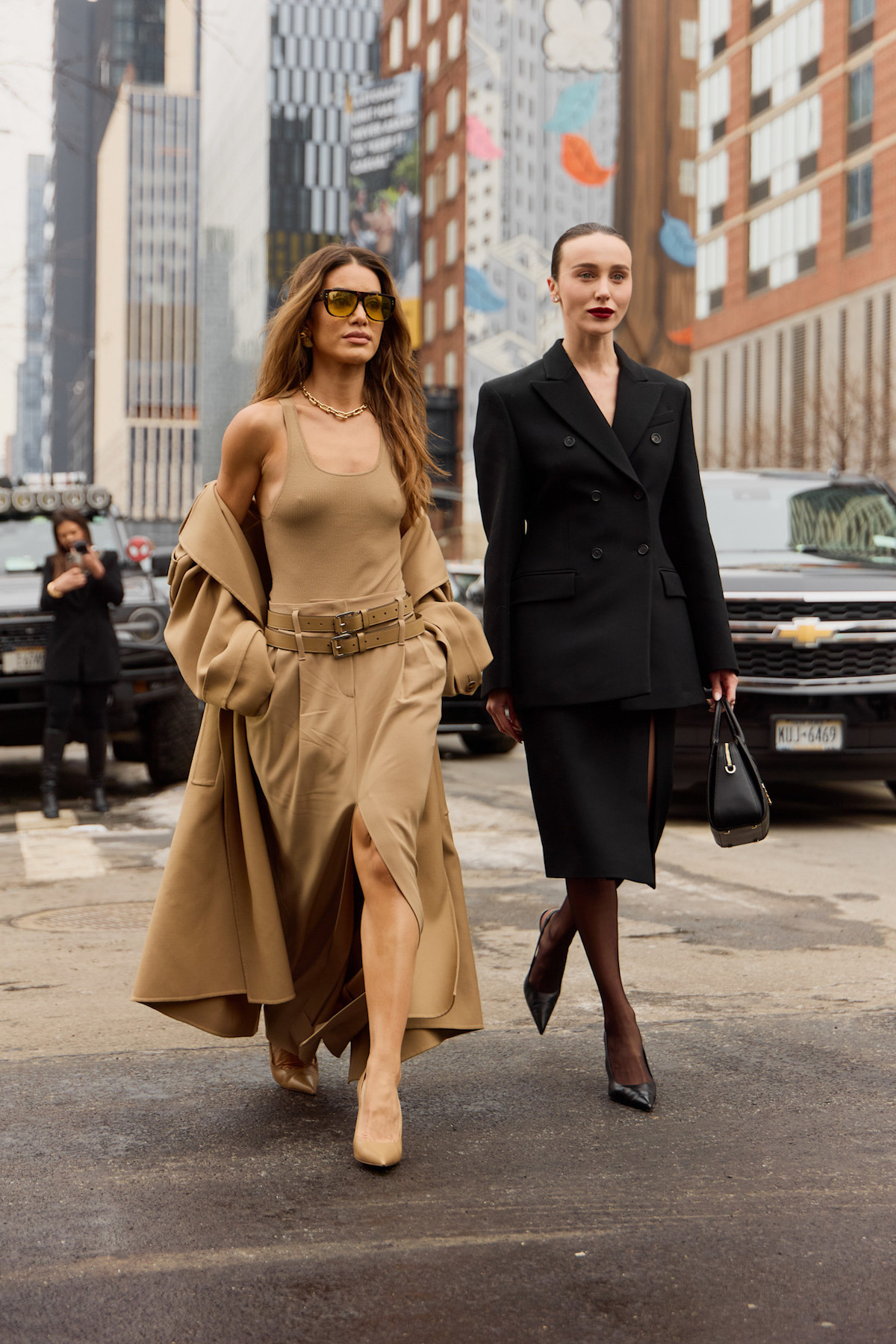
One of the most effective ways to make affordable fashion look premium is through the use of a cohesive color palette. Monochromatic dressing—wearing different shades and textures of the same color—creates a streamlined, sophisticated silhouette that hides variations in fabric quality. Neutral tones such as camel, charcoal, navy, and cream are particularly effective because they are easier to match across different brands and seasons, ensuring that a piece bought three years ago still integrates perfectly with a new acquisition.
Prioritizing Natural Fibers
In the quest for affordability, fabric composition is often overlooked. However, the 2026 market has seen a resurgence in accessible natural fibers. Synthetic materials like polyester and acrylic often have a tell-tale "sheen" and tend to pill or lose shape quickly. Conversely, materials like merino wool, linen, and pima cotton have superior drape and durability. Even at lower price points, seeking out "natural-heavy" blends (at least 60% natural fiber) will significantly improve the visual and tactile quality of a wardrobe.
Navigating the 2026 Retail Landscape
The traditional shopping mall is no longer the primary destination for the budget-conscious fashion enthusiast. Today’s landscape is a sophisticated blend of digital marketplaces, curated resale, and transparent manufacturing.
The Rise of Curated Resale
Platforms like The RealReal and Vestiaire Collective have democratized access to luxury. In 2026, "affordable fashion" includes buying a pre-owned, high-quality wool coat from a legacy brand for the same price as a new, synthetic version from a fast-fashion outlet. The key is authentication and condition grading. By purchasing "Excellent" or "Very Good" condition items from the secondary market, consumers can access superior craftsmanship that was previously price-prohibitive.
Direct-to-Consumer (D2C) Efficiency
The D2C model continues to disrupt traditional pricing. Brands like Quince and Italic operate by sourcing directly from the same factories that produce luxury goods, stripping away the costs of branding, large-scale advertising, and brick-and-mortar overhead. This allows for the sale of 100% Mongolian cashmere sweaters or Italian leather handbags at prices that align with a standard "affordable" budget. For the consumer, this requires research into factory transparency and material certifications (such as GOTS for cotton or OEKO-TEX for textiles).
Off-Price and Outlet Strategies
Traditional off-price retailers like TJ Maxx (or TK Maxx in Europe) and Nordstrom Rack remain vital, but the strategy for 2026 involves looking for "past-season essentials" rather than "trendy leftovers." Focus on the clearance sections of high-end department stores during the transition months (January and July) to find foundational pieces at 70-80% discounts.
Materials and Construction: Identifying Long-Term Value
To truly master affordable fashion, one must develop an "editor’s eye" for garment construction. A low price tag is only a bargain if the item is built to last.
| Feature | Low-Value Indicator (Avoid) | High-Value Indicator (Seek) |
|---|---|---|
| Seams | Frayed edges, single-stitching, puckering | Double-stitched, reinforced, or French seams |
| Buttons | Loose threads, thin plastic, no spares | Securely attached, horn or metal, includes spares |
| Fabric | High polyester/acrylic % (>50%), thin/sheer | High natural fiber % (Wool, Cotton, Silk), substantial weight |
| Pattern | Misaligned at the seams (e.g., stripes don't match) | Perfectly aligned patterns at all transition points |
| Knitwear | Cut-and-sew (straight edges at seams) | Fully fashioned (tapered edges visible at the armhole) |
| Linings | Unlined or poorly attached synthetic lining | Fully lined with breathable materials like viscose or Bemberg |
Understanding these technical specifications prevents "bad" purchases. For instance, a "fully fashioned" sweater is knitted to shape rather than cut from a large sheet of fabric; this prevents the garment from twisting or losing its form after washing, a common issue with cheaper alternatives.
Digital Tools and Strategies for Price Optimization
Technology in 2026 has provided consumers with unprecedented power to track and capture value. Utilizing these tools is a prerequisite for a sophisticated affordable fashion strategy.
- Algorithmic Price Tracking: Tools such as CamelCamelCamel for major marketplaces or browser extensions like Honey and Karma allow users to set alerts for specific items. Rather than buying at MSRP, wait for the algorithm to notify you of a price drop.
- AI-Driven Fit Technology: One of the greatest costs in affordable fashion is the "return tax" or the cost of alterations. In 2026, many retailers offer AI sizing tools that use mobile scans to recommend the exact size, reducing the likelihood of a poorly fitting garment that sits unused in a closet.
- Community-Sourced Intelligence: Platforms like Reddit’s r/frugalmalefashion or r/female fashion advice provide real-time updates on "glitch" sales, sample sales, and warehouse clearances. These communities often perform "quality checks" on new D2C brands, offering a layer of verification before you spend.
Common Mistakes in Budget Shopping
Even with the best intentions, it is easy to fall into traps that undermine the goal of an affordable, high-quality wardrobe.
- The "Sale Trap": Buying an item simply because it is 70% off, even if it doesn't fit your style or your existing wardrobe. If you wouldn't buy it at full price, you likely don't need it at a discount.
- Ignoring Tailoring: Many people discard affordable garments because the fit is slightly off. Investing $15–$30 in a professional tailor to hem trousers or take in the waist of a skirt can make a $40 item look like a $400 custom-made piece. Tailoring is the most underutilized tool in affordable fashion.
- Neglecting Maintenance: Affordable fashion requires care to remain "expensive-looking." Pilling on a sweater or scuffs on shoes immediately lower the perceived value. Investing in a fabric shaver, cedar shoe trees, and proper hangers (avoiding wire hangers) can double the lifespan of budget-friendly items.
How do I identify high-quality fabric on a budget?
Check the "care and composition" label usually found on the inner left seam. Seek out natural fibers like cotton, wool, silk, and linen. Even a small percentage of synthetic (like 2-5% elastane for stretch) is acceptable, but avoid garments where the primary material is polyester or acrylic, as these tend to trap odors and age poorly.
Is fast fashion ever considered "affordable fashion"?
While the price point is low, fast fashion often fails the "affordability" test due to its high cost-per-wear. However, certain fast-fashion lines (like H&M’s Premium Selection or Zara’s Origins) use higher-quality materials like leather and wool. These can be strategic purchases if chosen for their timeless design rather than a fleeting trend.
How much should I spend on tailoring for affordable items?
A good rule of thumb is that tailoring should not exceed 50% of the item's original cost unless the item is a core foundation piece (like a winter coat or a suit). For example, spending $20 to tailor a $50 pair of trousers is a wise investment that significantly increases the garment's utility and appearance.
What are the best months to buy affordable clothes?
The best times are typically the end-of-season sales: January for winter gear and July for summer apparel. Additionally, "Friends and Family" sales in October and April often provide 25-30% discounts on current-season items at mid-tier department stores.
Implementing a Personal Value Strategy
To move forward, begin by auditing your current wardrobe to identify gaps. Instead of a shopping spree, adopt a "one-in, one-out" policy to ensure every new purchase is intentional. Prioritize the replacement of worn-out basics with higher-quality versions found through the resale or D2C channels mentioned. By focusing on the technical construction and material integrity of each piece, you will find that "affordable fashion" is not about spending less—it is about spending smarter to achieve a lasting, elevated personal style.