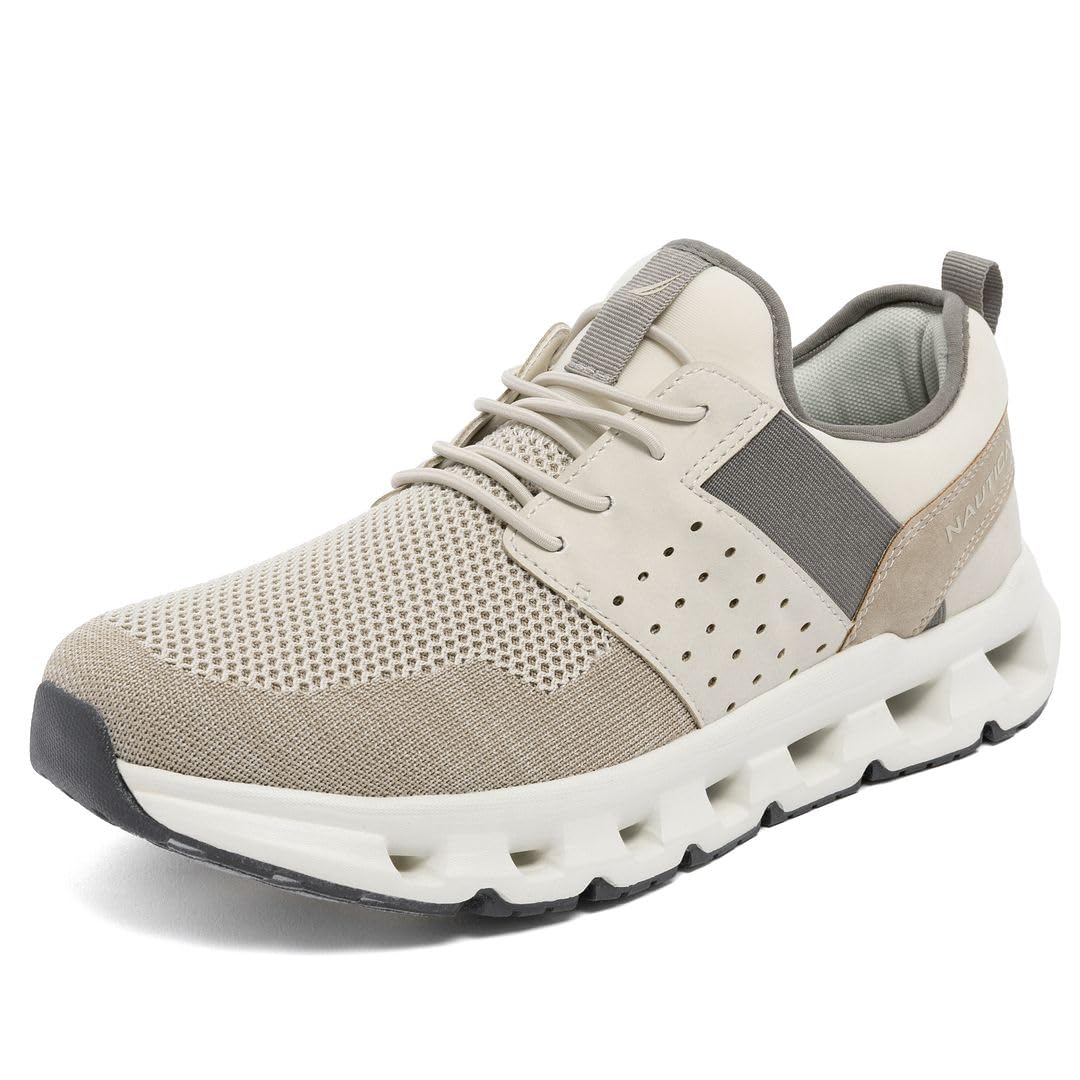
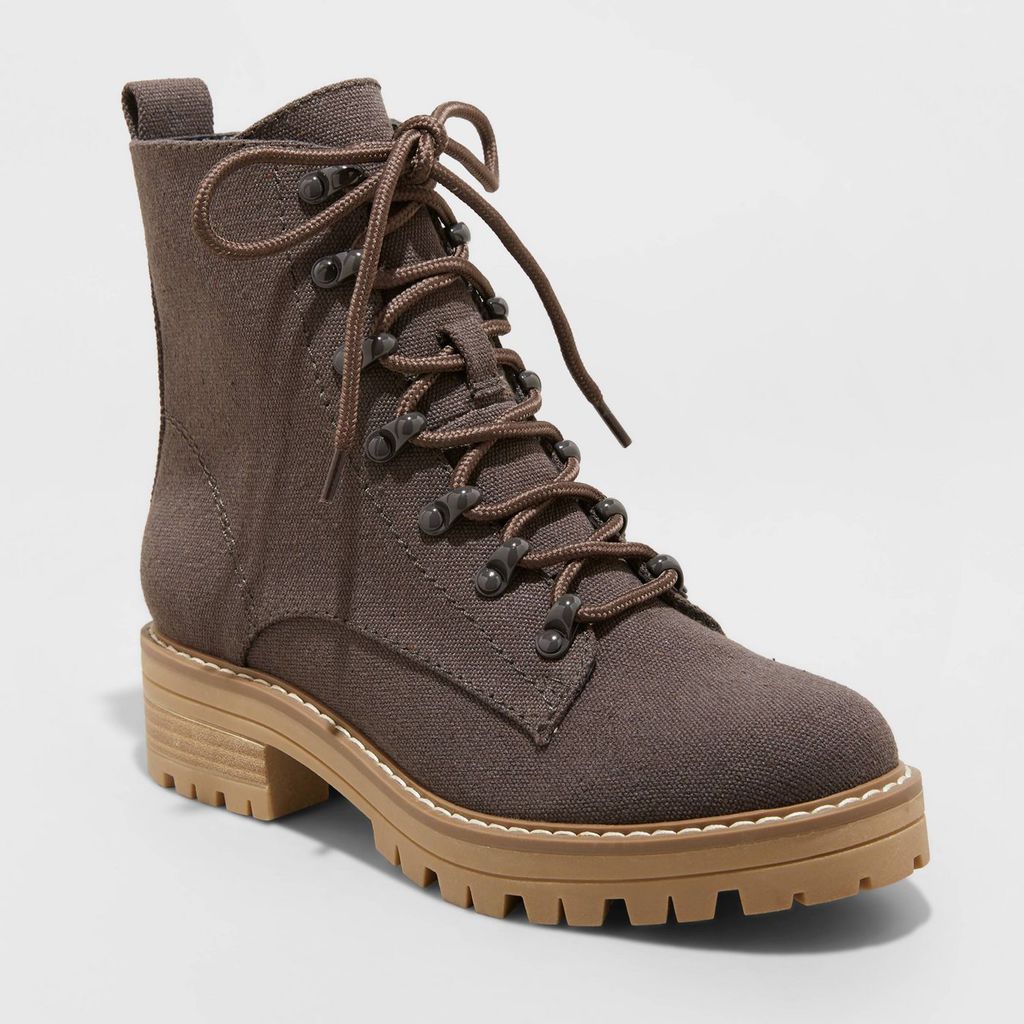
Finding comfortable shoes under $20 requires prioritizing specific materials like EVA foam and breathable mesh while shopping at high-volume retailers. By focusing on house brands and end-of-season clearance cycles, consumers can secure footwear that provides adequate arch support and cushioning for daily activities without exceeding a strict budget threshold.
The Evolution of the Budget Footwear Market in 2026
As we navigate 2026, the footwear industry has reached a unique intersection of manufacturing efficiency and material accessibility. While premium athletic brands continue to push the $200 price point, a robust secondary market of high-quality, unbranded, or house-brand shoes has flourished. The technology required to create a basic, comfortable walking shoe is no longer a trade secret; it is a standardized industrial process.
The "under $20" category was once synonymous with stiff plastics and zero support. However, modern injection-molding techniques and the widespread availability of synthetic polymers mean that even the most affordable shoes can now offer a degree of "affordable comfort" that was previously unavailable at this price tier. The key to successful shopping in this bracket is understanding that you are paying for the core function of the shoe rather than marketing, celebrity endorsements, or proprietary high-tech foam formulations.
Understanding Material Science in Sub-$20 Shoes
When evaluating a shoe that costs less than a lunch at a mid-range restaurant, you must look closely at the construction. You cannot expect genuine leather or carbon-fiber plates, but you can find materials that mimic the performance of higher-end textiles.
The Dominance of EVA (Ethylene-Vinyl Acetate)
Most comfortable shoes under $20 utilize EVA foam for the midsole and outsole. EVA is a lightweight, flexible plastic that contains thousands of tiny bubbles. These bubbles act as individual shock absorbers. In 2026, the density of budget-grade EVA has improved significantly, offering better compression set resistance, which means the shoe won't "bottom out" or become permanently flat as quickly as it might have five years ago.
Synthetic Knits and Breathability
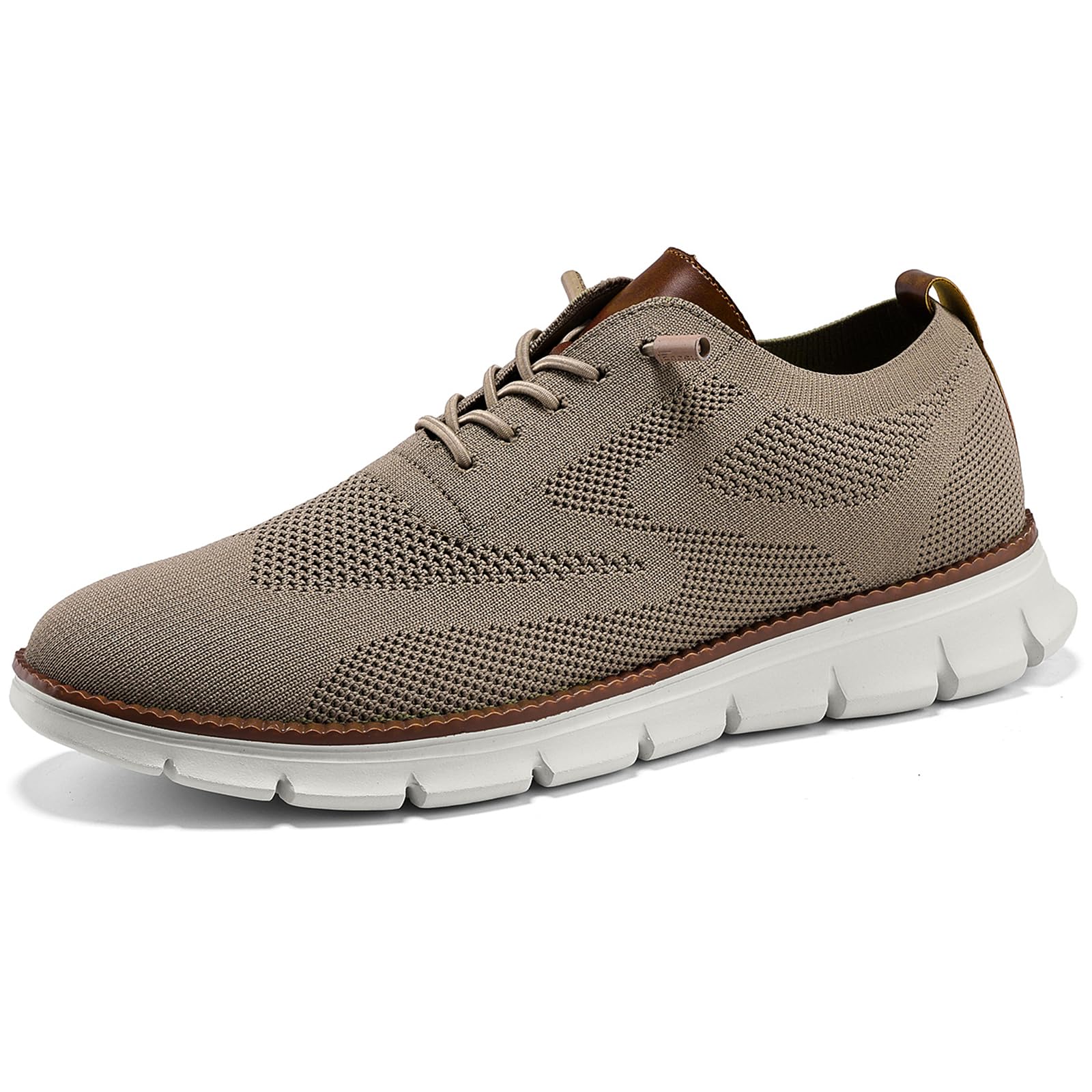
In the upper portion of the shoe, look for synthetic mesh or engineered knits. These materials are inexpensive to produce on circular knitting machines but provide excellent ventilation. Heat buildup is a primary cause of foot discomfort and blisters; therefore, a breathable $18 knit sneaker is often more comfortable for long-term wear than a $50 synthetic leather shoe that traps moisture and heat.
Memory Foam Insoles
One of the biggest shifts in the budget market has been the inclusion of memory foam insoles in entry-level footwear. Brands like Walmart’s Athletic Works or Amazon Essentials frequently include a thin layer of memory foam. While this foam may eventually lose its loft, it provides an immediate "step-in comfort" that masks the firmer structural components of a cheap shoe, making them viable for light walking and casual office environments.
Where to Source High-Value, Low-Cost Footwear
In 2026, the "best" cheap shoes are rarely found in traditional department stores. Instead, they are located in high-volume retail environments where scale drives prices down.
- Big-Box Retailers (Walmart and Target): These giants have mastered the supply chain for basic footwear. Their house brands (such as Goodfellow & Co or Athletic Works) are designed to mimic popular styles while using standardized, cost-effective materials. These shoes often retail between $14.98 and $19.99.
- Online Marketplace Basics: Amazon Essentials and similar private-label brands on global platforms use data-driven design to create the most "average" and therefore most compatible shoe shapes. By stripping away branding costs, they keep prices consistently under the $20 mark.
- Discount Clothing Chains: Stores like Ross Dress for Less or Marshalls often feature "closeout" models. While their standard inventory might be $30+, their clearance racks are a goldmine for finding $60 shoes that have been marked down to $19.99 to clear shelf space for new seasons.
- Warehouse Clubs: Stores like Costco or Sam's Club occasionally stock multi-packs or seasonal footwear that hits the $15–$20 range, often featuring surprisingly high construction standards for the price.
Comparing Top Budget Footwear Categories
Not all shoe types are created equal when the budget is restricted. Some categories translate better to low-cost manufacturing than others.
| Shoe Type | Best Material for Comfort | Pros | Cons |
|---|---|---|---|
| Walking Sneaker | Mesh Upper / EVA Sole | Lightweight, breathable | Minimal lateral support |
| Casual Slip-on | Canvas / Rubberized EVA | Easy to wear, versatile | Flat sole, little arch support |
| Recovery Slide | Molded EVA | High cushioning, waterproof | Not suitable for long distances |
| Work Clog | Polyurethane / Rubber | Durable, easy to clean | Can be heavy and hot |
| Basic Trainer | Synthetic Overlays | Better durability than mesh | Slower to break in |
The "Insole Hack": Upgrading Cheap Shoes
A secret to finding "affordable comfort" is realizing that a shoe is essentially a two-part system: the chassis (the shoe itself) and the interface (the insole). If you find a pair of shoes for $12 that fits well but feels a bit hard, you can spend $7–$8 on a pair of aftermarket orthotic insoles or gel inserts.
This modular approach allows you to create a shoe that feels like a $60 product for a total investment of $19. In 2026, mass-market insoles have become highly specialized, offering deep heel cups and TPU (Thermoplastic Polyurethane) arch supports that can compensate for the lack of structural integrity in a budget sneaker. When shopping, always check if the original insole is removable. If it is glued down, you can still layer a thin gel insert on top, provided the shoe has enough volume to accommodate your foot.
Maintenance and Longevity of Budget Footwear
To maintain the comfort of a $20 shoe, you must treat it differently than a premium leather boot. Because the materials are often synthetic and glued rather than stitched, they are susceptible to heat and friction.
- Avoid the Dryer: Never put budget sneakers in the dryer. The high heat can melt the adhesives holding the sole to the upper, leading to delamination. Air drying is essential for preserving the structural integrity of EVA foam.
- Rotation is Key: Synthetic foams need time to decompress. If you wear the same $19 sneakers every day for 12 hours, the foam cells will collapse faster. Rotating between two cheap pairs will actually extend the life of both pairs by more than double.
- Cleaning: Most mesh and canvas shoes under $20 can be cold-washed in a mesh bag. Keeping the fabric clean prevents grit from working into the fibers, which acts like sandpaper and eventually creates holes in the toe box.
Addressing Ergonomics and Foot Health
While the goal is to find the "best cheap shoes under 20 dollars," it is important to acknowledge the limitations of this price bracket. According to the American Podiatric Medical Association (APMA), proper footwear should provide a stiff heel counter and a flexible toe box. Many ultra-cheap shoes are too flexible in the middle (the shank), which can lead to plantar fasciitis if worn for high-impact activities like running or heavy lifting.
If you have existing foot conditions such as flat feet or high arches, a $20 shoe should be viewed as a temporary or casual solution rather than a primary athletic tool. However, for low-impact daily use—such as walking to class, working in a light-duty retail environment, or running errands—the "affordable comfort" found in modern synthetic trainers is generally sufficient for healthy feet.
FAQs About Shoes Under $20
Can I find running shoes under $20 that won't cause injury?
For casual jogging or walking (1–3 miles), many modern EVA-based shoes under $20 are safe. However, for high-mileage training or marathon preparation, these shoes typically lack the advanced energy return and stability features required to prevent repetitive stress injuries.
Why do some cheap shoes smell worse than expensive ones?
Budget shoes often use synthetic linings that do not wick moisture as effectively as treated antimicrobial fabrics or natural leather. To combat this, look for shoes with "breathable mesh" uppers and consider using an inexpensive charcoal deodorizer or foot powder.
Is it better to buy one $20 pair or wait for a $60 pair on sale?
If your current shoes are causing pain or have holes, the $20 pair is a necessary immediate solution. However, from a "cost-per-wear" perspective, a $60 shoe on sale for $30 often provides better long-term value because the materials (like high-abrasion rubber outsoles) last significantly longer than the soft EVA outsoles found on most $20 models.
Are "knock-off" brands from online marketplaces safe to wear?
Generic brands found on major global marketplaces are generally safe as long as they follow standard sizing. The primary risk is not safety, but rather inconsistent sizing. Always check customer reviews specifically regarding "true to size" (TTS) ratings before purchasing.
How can I tell if a $20 shoe has actual support?
Perform the "Twist Test": hold the shoe at the heel and the toe and try to twist it. A shoe with good support should be difficult to twist in the middle but flexible at the ball of the foot. If the shoe folds in half like a pancake, it lacks the structural shank needed for long-term comfort.
Making the Final Selection
When you are ready to purchase, your best strategy is to visit a high-volume retailer in person during the late afternoon. Feet tend to swell throughout the day, and a shoe that feels comfortable at 4:00 PM is a better choice than one that fits perfectly at 9:00 AM. Look for brands like Athletic Works for gym-style comfort, George for budget-friendly casual wear, or Amazon Essentials for basic daily drivers. By focusing on the physical properties of the foam and the breathability of the fabric, you can successfully find a pair of shoes that provides genuine comfort without breaking your $20 limit.