To find affordable CNA training in Michigan in 2026, candidates should look toward community colleges, regional Michigan Works! agencies, and employer-sponsored programs. Most Michigan-based courses cost between $800 and $1,500, though many state residents qualify for full tuition coverage through the Michigan Reconnect program or federal workforce grants.
As the healthcare sector in Michigan continues to expand, the demand for Certified Nursing Assistants (CNAs)—officially designated as Nurse Aides in the state—has reached a critical level. For those looking to enter the medical field without the high cost and time commitment of a four-year degree, becoming a CNA offers a viable, fast-track career path. Michigan provides a unique landscape for this training, combining strict regulatory standards with robust financial support systems designed to eliminate barriers to entry.
Understanding Michigan CNA Training Requirements in 2026
Before selecting a program based on price alone, it is essential to understand the regulatory standards set by the Michigan Department of Licensing and Regulatory Affairs (LARA). In 2026, Michigan continues to adhere to a high standard of training to ensure patient safety in long-term care facilities and hospitals.
To become a CNA in Michigan, a student must complete a state-approved Nurse Aide Training Program (NATP). These programs are required to provide a minimum of 75 hours of instruction, although many of the most reputable affordable programs offer 80 to 120 hours to ensure students are fully prepared for the clinical demands of the job. This training is divided into two primary segments: classroom/laboratory instruction and supervised clinical rotations.
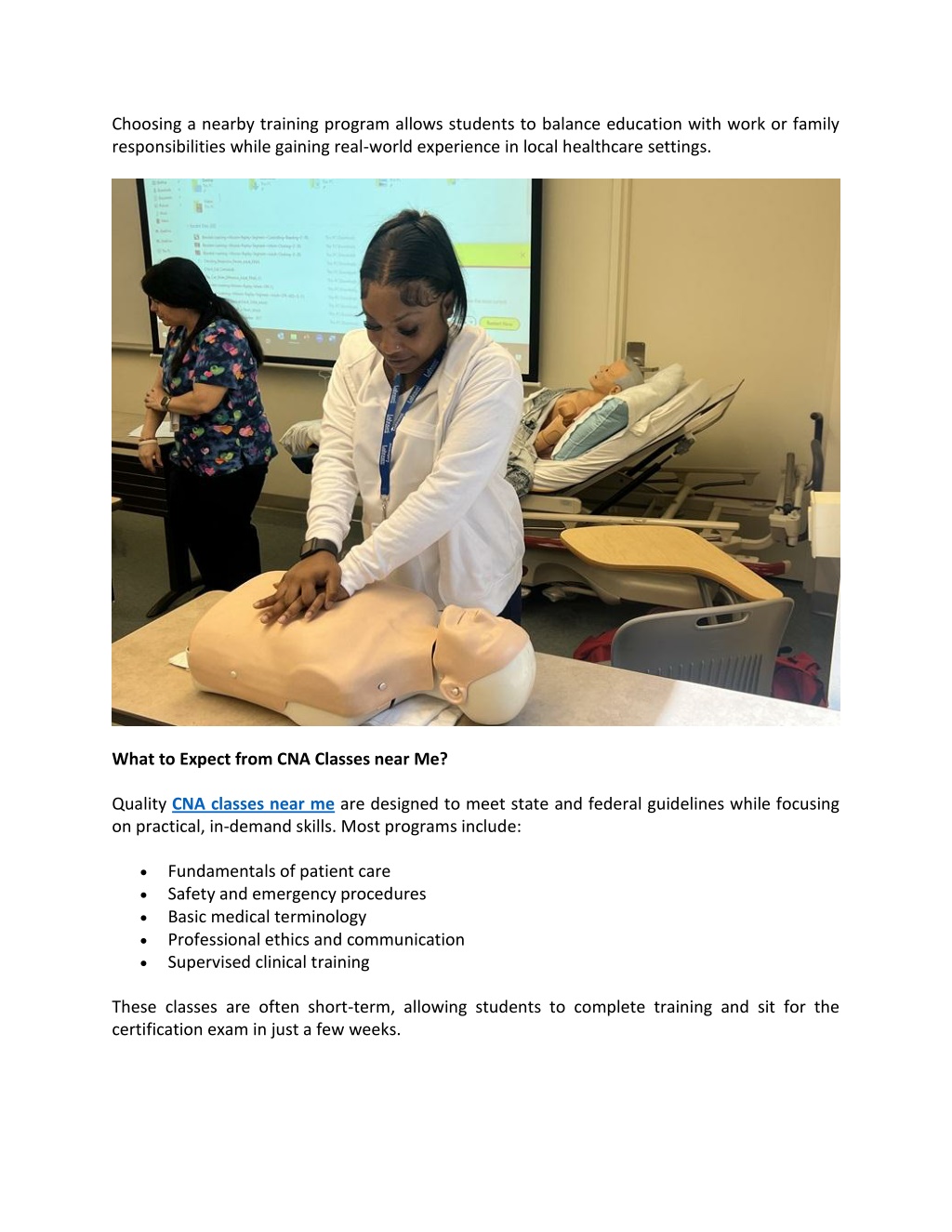
The classroom portion covers the fundamentals of patient care, including infection control, safety procedures, and communication skills. The clinical portion is where students apply these skills in a real-world healthcare setting, such as a nursing home or hospital, under the direct supervision of a Registered Nurse (RN) or Licensed Practical Nurse (LPN). Completion of these hours is a mandatory prerequisite for sitting for the Michigan Nurse Aide Exam, currently administered by Prometric.
The True Cost of CNA Certification in Michigan
When searching for "affordable" programs, you must look beyond the sticker price of tuition. A comprehensive budget for a Michigan CNA candidate in 2026 includes several line items that can impact the total investment.
Generally, tuition at a community college or private vocational school ranges from $900 to $1,400. However, "hidden" costs often include:
- Background Checks and Fingerprinting: Michigan law requires all healthcare workers to undergo a criminal background check. This usually costs between $65 and $85.
- Textbooks and Supplies: Most programs require a specific textbook and workbook, which can cost $50 to $100.
- Uniforms and Medical Gear: You will need scrubs (often in a specific color), non-slip shoes, a stethoscope, and a watch with a second hand.
- Health Screenings: Evidence of a negative TB test, flu vaccination, and sometimes a physical exam is required before clinical rotations begin.
- Certification Exam Fee: In 2026, the fee for the Prometric Michigan Nurse Aide Exam is approximately $125 to $175, depending on whether you are taking both the clinical and written portions for the first time.
By identifying these costs upfront, you can better compare programs and determine which one offers the best value. Some "low-cost" programs might not include the exam fee or background check in their tuition, while slightly more expensive programs may provide a "bundle" that covers everything.
Top Paths to Affordable Training in Michigan
Michigan offers several distinct pathways for obtaining high-quality, low-cost training. Each pathway serves different needs depending on your location and financial situation.
Community Colleges
Institutions like Wayne County Community College, Grand Rapids Community College, and Delta College remain the backbone of affordable vocational training. The advantage of a community college is the potential for academic credit. If you eventually plan to bridge to an LPN or RN program, these credits may transfer, saving you thousands of dollars in the long run. Tuition at community colleges is often subsidized for residents of the college's district.
Michigan Works! Agencies
Michigan Works! is a statewide network of workforce development centers. They frequently offer "Individual Training Accounts" (ITAs) or grants for high-demand occupations. Because CNA is considered a high-demand role, eligible individuals—such as those who are unemployed, underemployed, or coming from low-income households—can often get their entire training funded through these agencies.
Private Vocational Schools
Private schools like the American Red Cross or localized training centers in Detroit, Lansing, and Flint often offer the fastest turnaround times. While their tuition might be slightly higher than a community college, they often provide flexible evening and weekend schedules, allowing you to continue working while you train.
The "Free" Path: Employer-Sponsored Training
The most affordable way to become a CNA in Michigan is to have an employer pay for it. In 2026, many long-term care facilities, such as nursing homes and assisted living centers, are so desperate for staff that they offer "Earn while you learn" programs.
Under these arrangements, a facility hires you as a "Nurse Aide in Training" or a "Patient Care Assistant." They pay for your state-approved training and often pay you an hourly wage while you attend class. In exchange, you usually agree to work for the facility for a set period, typically six months to a year, after you receive your certification.
Furthermore, federal law (the Omnibus Budget Reconciliation Act of 1987) provides a specific protection for CNA students. If you are employed by or have an offer of employment from a Medicare/Medicaid-certified nursing facility at the time you begin your training, the facility is required by law to pay for your training and testing. If you become employed within 12 months of completing your training, the employer must reimburse you for your training costs on a pro-rata basis.
Utilizing Michigan Reconnect and Financial Aid
For Michigan residents who are 21 or older and do not yet have a college degree, the Michigan Reconnect program is a transformative resource. While originally targeted at associate degrees, many community colleges have integrated their CNA programs into the "Skills Scholarship" or "Short-Term Training" branches of Reconnect.
To take advantage of this:
- Apply for the Michigan Reconnect scholarship via the official state portal.
- Select an approved community college or technical center.
- Ensure the CNA program qualifies for the short-term training grant.
Additionally, always file the FAFSA (Free Application for Federal Student Aid). While short-term CNA programs are not always eligible for Pell Grants, some "integrated" programs that combine CNA training with other healthcare certifications may qualify for federal assistance.
Comparison of Michigan CNA Training Options
| Program Type | Estimated Tuition (2026) | Duration | Best For |
|---|---|---|---|
| Community College | $900 – $1,300 | 8–12 Weeks | Students seeking college credit/bridge to RN |
| Employer-Sponsored | $0 (Paid) | 3–5 Weeks | Immediate employment and zero upfront cost |
| Private Vocational | $1,000 – $1,500 | 2–4 Weeks | Fast-track entry and flexible scheduling |
| Michigan Works! | Fully Funded (Grant) | 4–8 Weeks | Unemployed or low-income career changers |
| Red Cross | $1,200 – $1,600 | 4–6 Weeks | High-quality, standardized clinical training |
Steps to Certification After Training
Completing your training is only the first half of the journey. To be listed on the Michigan Nurse Aide Registry, you must pass the competency evaluation.
- Application: Your training provider will typically help you register with Prometric, the state's testing vendor. You must provide proof of completing the 75+ hours of training.
- The Written/Oral Exam: This consists of approximately 60-70 multiple-choice questions covering patient rights, safety, and basic nursing protocols.
- The Clinical Skills Test: You will be asked to perform several randomly selected nursing skills (e.g., handwashing, measuring blood pressure, transferring a patient from a bed to a wheelchair) in front of an evaluator.
- Registry Listing: Once you pass both sections, your name is added to the Michigan Nurse Aide Registry. You are then legally permitted to use the title "Certified Nurse Aide" or "CNA."
It is important to note that Michigan requires CNAs to renew their certification every two years. To be eligible for renewal, you must have worked at least eight hours as a nurse aide for pay during that two-year period.
Frequently Asked Questions
Can I complete CNA training online in Michigan?
Michigan allows for "hybrid" programs where the classroom or didactic portion is completed online. However, federal and state laws strictly require that clinical hours be completed in person at a healthcare facility. You cannot become a CNA in Michigan through a 100% online program.
How much do CNAs earn in Michigan in 2026?
As of 2026, the average hourly wage for a CNA in Michigan ranges from $18.50 to $23.00 per hour. Pay varies significantly by region, with higher rates typically found in metropolitan areas like Ann Arbor and Detroit compared to rural parts of the Upper Peninsula. Many facilities also offer sign-on bonuses ranging from $500 to $2,000.
What happens if I fail the Michigan CNA exam?
If you fail one or both parts of the Prometric exam, you are permitted to retake the failed portion. However, you must pay a retesting fee. In Michigan, you generally have three attempts within 24 months of completing your training to pass the exam. If you do not pass within those three attempts, you must retake the entire training program.
Is the CNA certification from Michigan valid in other states?
Yes, through a process called "reciprocity." If you are in good standing on the Michigan Nurse Aide Registry, you can apply to be added to another state's registry. Some states may require a small fee or additional background checks, but you rarely have to retake the entire training course.
Are there age requirements for CNA training in Michigan?
Most training programs and employers require candidates to be at least 18 years old. However, some high school vocational programs (CTE) allow students to begin training at age 17, provided they reach 18 by the time they seek official certification and employment.
Immediate Steps to Start Your Career
If you are ready to begin your career as a CNA in Michigan today, your first action should be to contact your local Michigan Works! office. They provide the most direct access to information regarding available grants and employer-sponsored training in your specific county. Simultaneously, visit the Michigan Department of Licensing and Regulatory Affairs (LARA) website to verify that any program you are considering is currently on the "Approved Nurse Aide Training Programs" list.
Avoid any program that promises "instant" certification or does not require clinical hours, as these are not recognized by the state and will not allow you to sit for the exam. By choosing a state-approved, affordable program, you are not just getting a job; you are entering a profession with unlimited growth potential in the 2026 healthcare market.