Affiliate marketing is a performance-based advertising model where a business rewards third-party publishers, known as affiliates, for generating traffic or sales through the affiliate's marketing efforts. In 2026, this ecosystem relies on sophisticated tracking, first-party data, and high-quality content to connect consumers with products while providing a scalable revenue stream for digital entrepreneurs.
Understanding the Core Mechanics of the Affiliate Ecosystem
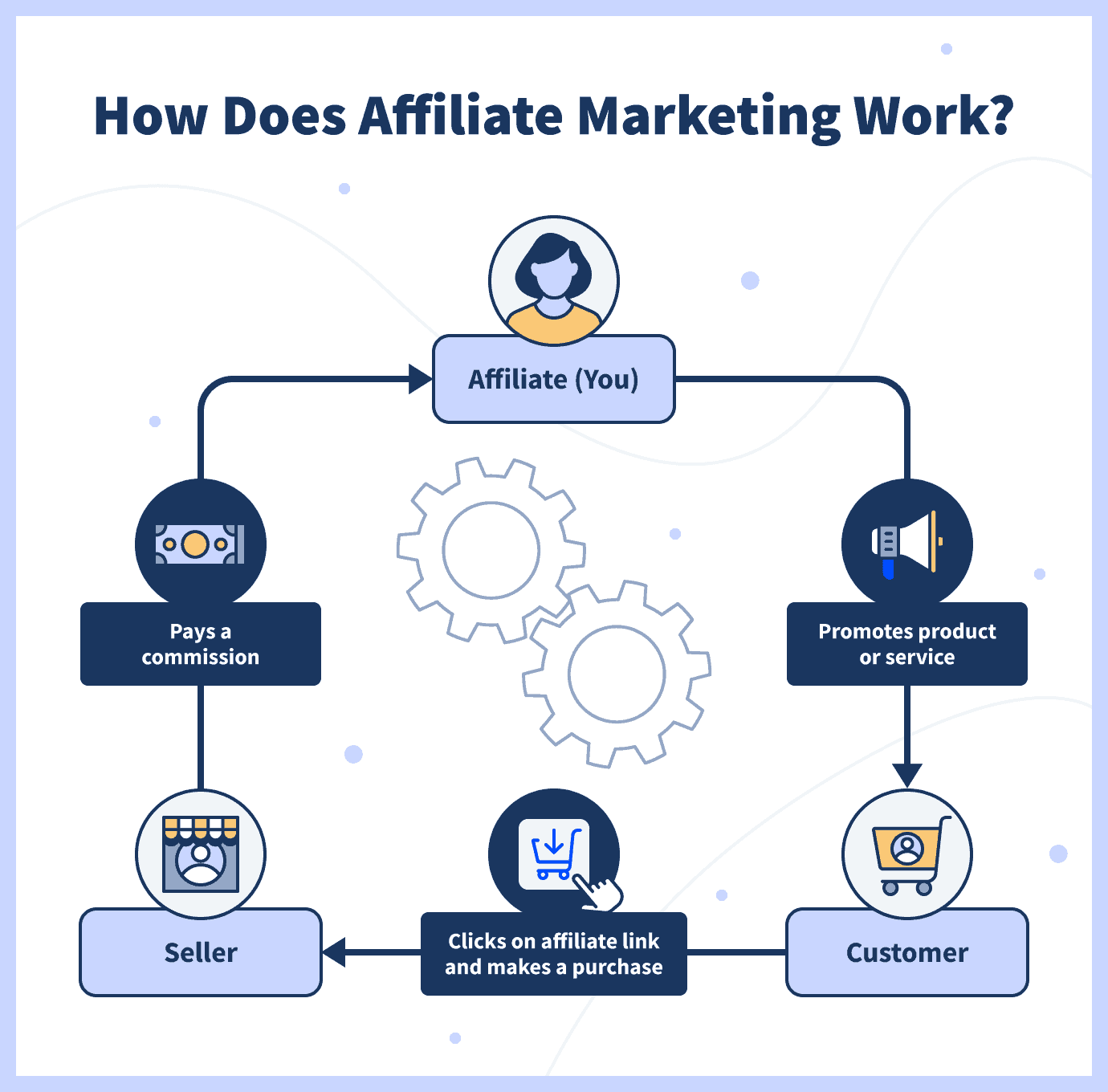
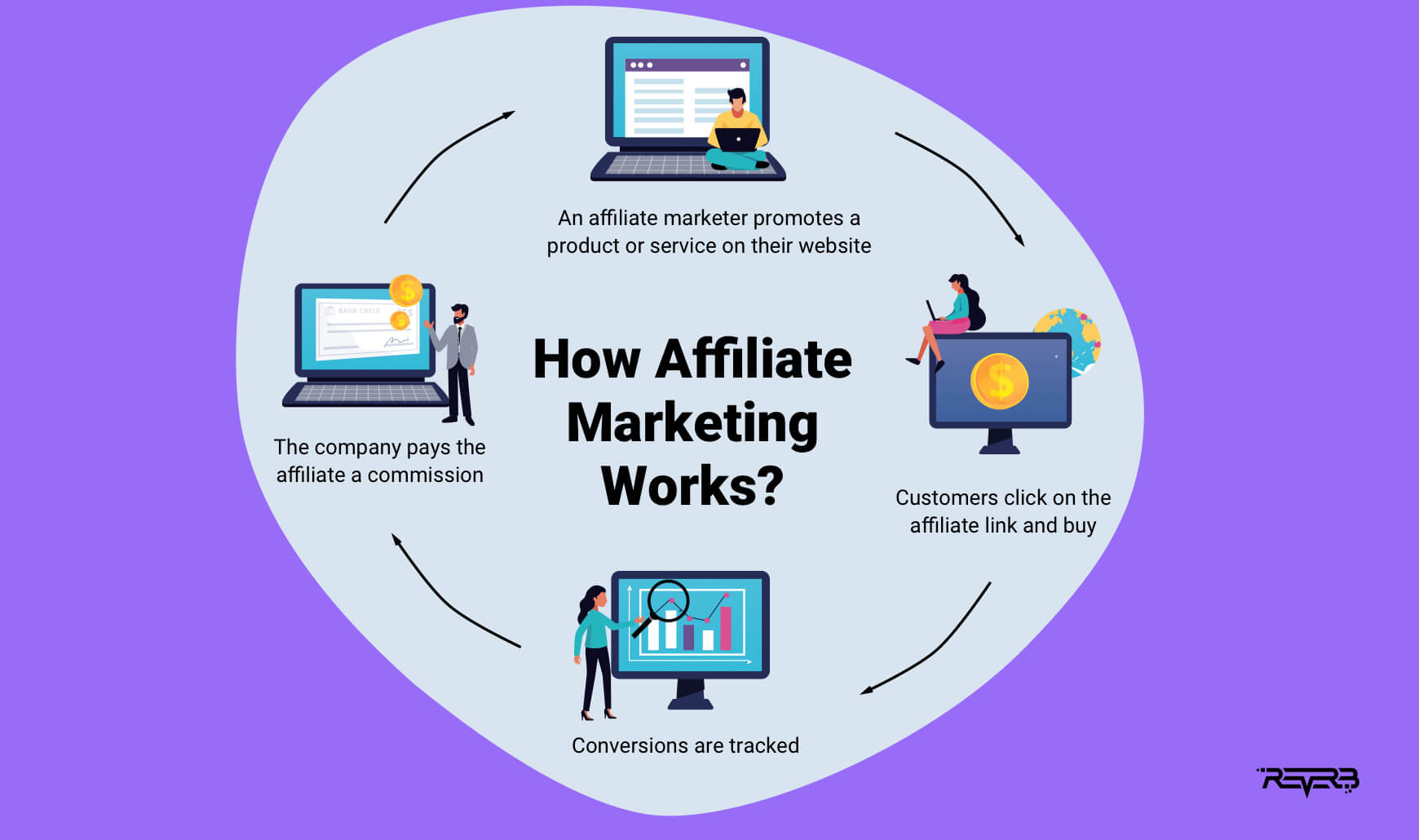
Affiliate marketing functions through a symbiotic relationship between four primary entities: the merchant, the affiliate, the network, and the consumer. At its most fundamental level, the merchant (or creator) seeks to expand their reach without incurring the upfront costs of traditional advertising. The affiliate, acting as an independent marketer, leverages their influence or platform to promote the merchant’s offerings.
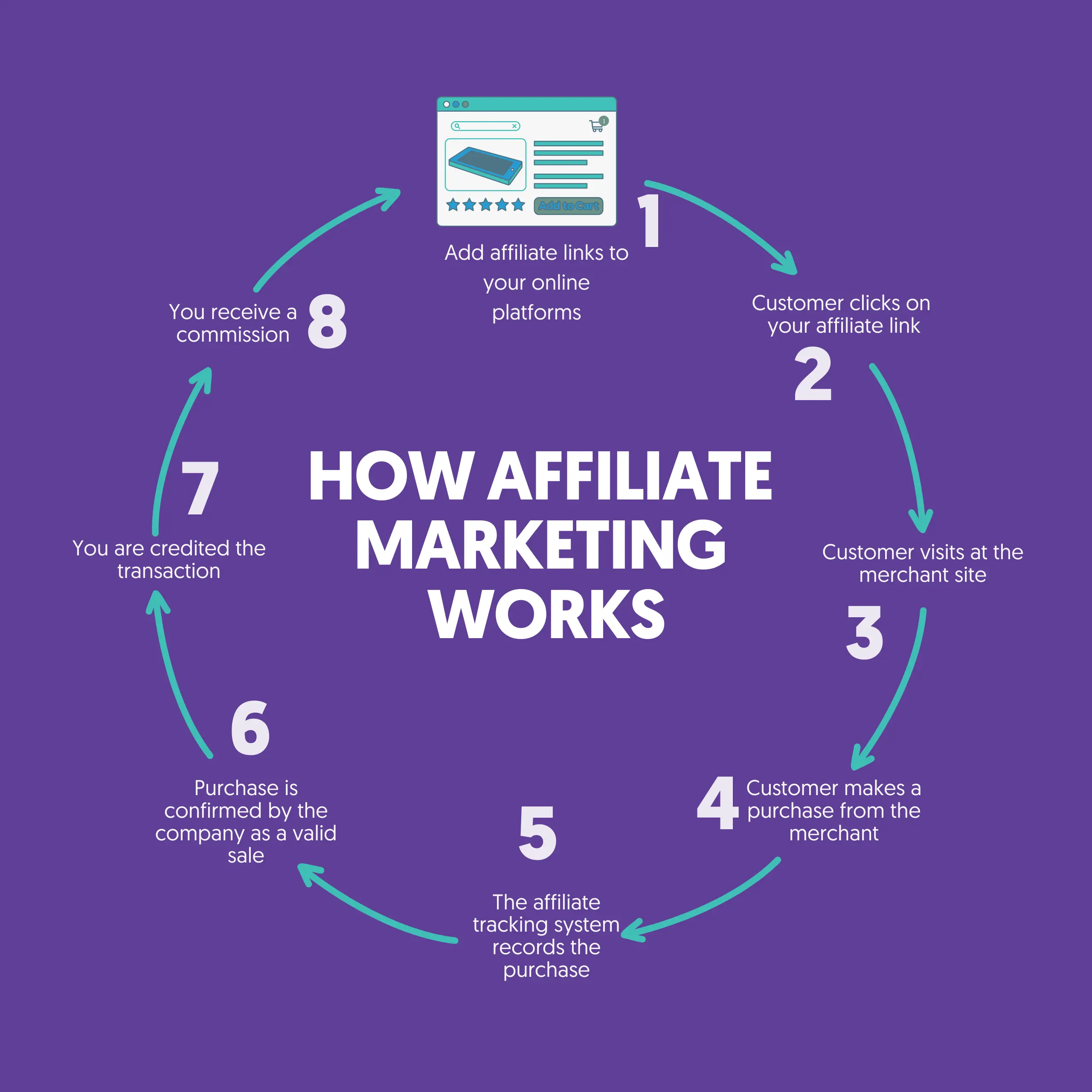
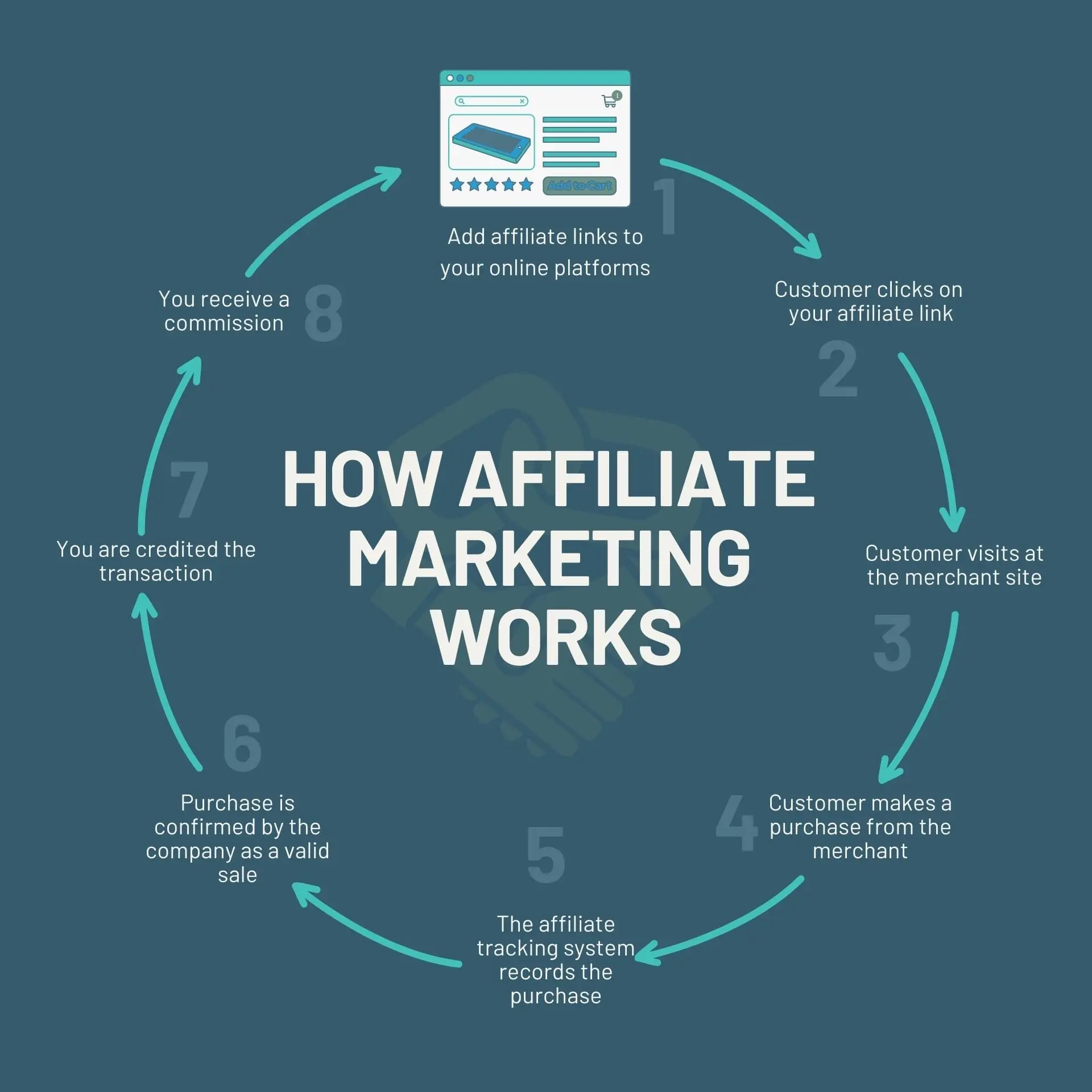
In 2026, the technical backbone of this relationship has evolved beyond simple browser cookies. Due to the total phase-out of third-party cookies by major browsers, most modern affiliate programs now utilize server-side tracking and unique identifier parameters. When a user clicks an affiliate link, a unique ID is appended to the URL, which the merchant’s system captures. If that user completes a "conversion event"—such as a purchase, a lead form submission, or a software download—within the specified "cookie duration" (or tracking window), the system attributes the success to the affiliate and calculates the commission.
The commission structure typically follows one of several models:
- Cost Per Acquisition (CPA): The affiliate is paid when a customer completes a purchase.
- Cost Per Lead (CPL): Payment is triggered when a user signs up for a trial or submits contact information.
- Cost Per Click (CPC): Though rarer in 2026, some programs pay for high-quality traffic volume regardless of conversion.
- Revenue Share: Common in SaaS (Software as a Service), where the affiliate receives a recurring percentage of the customer's monthly subscription fee for as long as they remain a subscriber.
Essential Prerequisites for Establishing an Affiliate Presence
To succeed in the current landscape, an affiliate cannot simply "post links." The 2026 digital environment demands a foundation built on authority and technical readiness. Before applying to high-tier affiliate programs, marketers must secure specific infrastructure.
Niche Selection and Audience Research
Generic "lifestyle" or "tech" sites are increasingly difficult to monetize due to the dominance of AI-generated search results. Successful affiliates now focus on "micro-niches"—highly specific areas of interest where expert human insight is still valued. For example, rather than "fitness," a specialized niche might be "bio-hacking for endurance runners over 50." Researching the audience involves identifying specific pain points, preferred platforms (e.g., decentralized social media, newsletters, or video hubs), and the price sensitivity of the demographic.
Platform and Content Strategy
A centralized hub, usually a self-hosted website or a high-engagement newsletter, is vital. While social media platforms provide reach, they are "rented land" subject to algorithm shifts. A website allows for better SEO control and the implementation of advanced tracking scripts. In 2026, the strategy must prioritize EEAT (Experience, Expertise, Authoritativeness, and Trustworthiness). Search engines and users alike favor content that demonstrates hands-on experience with the product.
Legal and Technical Compliance
Transparency is no longer optional. The Federal Trade Commission (FTC) in the United States and similar bodies globally have tightened regulations regarding disclosures. Affiliates must provide clear, conspicuous notices that they earn commissions from recommendations. Failure to comply can result in de-platforming from networks or legal penalties. Technically, this involves adding "rel=sponsored" tags to all affiliate links to maintain SEO integrity.
Comparing Affiliate Program Models in 2026
Choosing the right partner is critical for long-term profitability. The following table compares the four most prevalent affiliate program categories currently available.
| Program Type | Primary Industry | Typical Commission Rate | Tracking Window (Days) | Complexity Level |
|---|---|---|---|---|
| High-Volume E-com | Retail, Gadgets | 1% – 10% | 1 – 24 Hours | Low |
| SaaS & Software | Business Tools | 20% – 40% (Recurring) | 30 – 90 Days | Medium |
| Financial Services | Banking, Insurance | $50 – $500 (Flat Fee) | 45 – 60 Days | High |
| High-Ticket Luxury | Travel, Jewelry | 5% – 15% | 30 – 120 Days | Very High |
The Evolution of Strategy: AI, Personalization, and Data
By 2026, the "spray and pray" method of link distribution has been replaced by data-driven personalization. Affiliates are increasingly using AI not just to write drafts, but to analyze user behavior and predict which products will convert best for specific segments of their audience.
The Rise of Zero-Party Data
With the decline of invasive tracking, smart affiliates are focusing on collecting "zero-party data"—information that customers intentionally and proactively share. This is often done through interactive quizzes, calculators, or polls. For example, a financial affiliate might offer a "Retirement Readiness Quiz." Based on the user's answers, the affiliate can then recommend specific investment platforms or insurance products via a personalized email sequence, leading to significantly higher conversion rates than a static blog post.
Attribution Modeling and the Customer Journey
Modern consumers rarely buy on the first touchpoint. They might see a product on a social media feed, read a detailed review on an affiliate site, and finally click a link in an email newsletter. In 2026, many advanced affiliate programs have moved toward "fractional attribution." Instead of only the "last click" getting 100% of the commission, the commission is split among the various affiliates who influenced the journey. Understanding where you sit in the funnel—top-of-funnel (awareness) vs. bottom-of-funnel (conversion)—dictates how you should craft your content.
Step-by-Step Implementation: Building Your Campaign
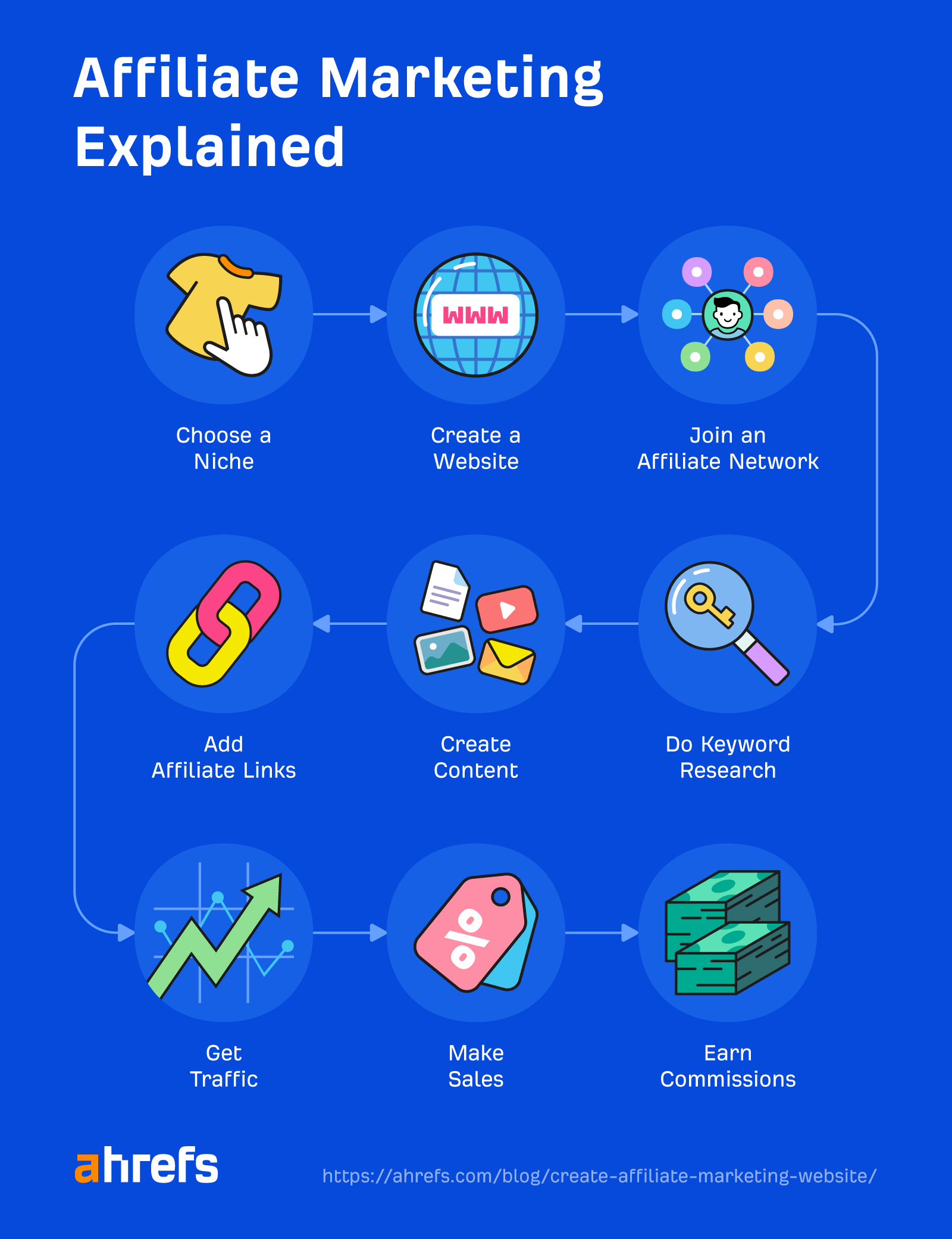
Once the niche and platform are established, the actual execution follows a structured technical process.
- Network Enrollment: Join reputable networks such as Impact, PartnerStack, or ShareASale, or apply to in-house programs (like Amazon Associates). These networks act as intermediaries, handling tracking and payments.
- Link Generation and Masking: Use the network's tools to generate unique links. Many affiliates use "link masking" tools to turn long, messy URLs into clean, brandable links (e.g., yoursite.com/recommends/product).
- Contextual Integration: Embed links within high-value content. In 2026, this means integrating product mentions into tutorials, "versus" comparisons, or case studies. Static banner ads have largely lost their effectiveness due to "banner blindness."
- Conversion Rate Optimization (CRO): Monitor performance using heatmaps and A/B testing. Small changes to a call-to-action (CTA) button or the placement of a comparison table can result in 20-30% increases in click-through rates.
- Monitoring and Scaling: Use the reporting dashboard to identify your highest-earning pages. Double down on what works by updating that content regularly and building "supporting" content around it to increase its authority.
Common Pitfalls and Troubleshooting Growth
Even experienced marketers face hurdles in the affiliate space. One of the most common issues in 2026 is "Link Rot" or product obsolescence. If a merchant changes their platform or goes out of business, your links may break. Using a centralized link management plugin or service allows you to update the destination URL once and have it reflect across your entire site.
Another significant challenge is Saturation. If every affiliate is promoting the same "Top 10" list, the commission rates often drop, and search competition becomes impossible. To troubleshoot this, look for "unbundled" opportunities. Instead of promoting a massive platform, promote a specific integration or a niche plugin that solves a singular, painful problem for a specific user group.
Finally, keep a close watch on Earnings Per Click (EPC). If your traffic is high but your EPC is low, it usually indicates a mismatch between your audience's intent and the product's value proposition. You may need to move higher or lower on the price scale to better match your audience’s purchasing power.
Frequently Asked Questions
Do I need a website to start affiliate marketing in 2026?
While it is technically possible to use only social media or a YouTube channel, having a self-owned website is highly recommended for long-term stability. A website acts as a central hub for SEO, allows for the collection of email subscribers, and provides a professional front that makes you more likely to be accepted into high-paying, exclusive affiliate programs. Furthermore, a website offers better control over tracking scripts and data privacy compliance.
How much does it cost to get started?
The barrier to entry is low, but not zero. Minimum costs include domain registration (approx. $10-$20/year) and web hosting ($5-$15/month). You may also want to invest in an email marketing service, which often has a free tier for the first 500-1,000 subscribers. Beyond these technical costs, your primary investment is time—specifically the time required to research, create high-quality content, and build an audience.
How long does it take to see the first commission?
Typically, it takes three to six months of consistent effort to see initial results. This timeline accounts for the time it takes for search engines to index your content and for you to build enough trust with your audience to influence their purchasing decisions. High-ticket or B2B niches may take longer due to extended sales cycles, whereas lower-priced consumer goods may convert faster but at lower profit margins.
Is affiliate marketing still profitable with the rise of AI content?
Yes, but the nature of the profitability has shifted toward "human-in-the-loop" content. AI can generate descriptions, but it cannot provide a genuine, subjective review of how a product felt or performed in a real-world scenario. Profitability in 2026 is reserved for those who provide unique value, personal brand trust, and deep technical insights that AI cannot replicate through simple data scraping.
What are "High-Ticket" affiliate programs?
High-ticket affiliate programs refer to the promotion of products or services with high price points, usually $1,000 or more. These include luxury travel packages, enterprise software, or specialized coaching programs. While these have lower conversion rates because the buyer's journey is longer and more complex, a single sale can result in commissions ranging from $100 to several thousand dollars, making them highly lucrative for those with an authoritative audience.
Next Steps: Building a Sustainable Ecosystem
To move from a beginner to a high-earning affiliate, focus on diversifying your traffic sources and income streams. Start by mastering one niche and one platform (like a blog or a video channel). Once you have a steady stream of traffic, implement an email newsletter to "own" your audience and insulate yourself from algorithm changes.
Regularly audit your content to ensure all links are functional and that your recommendations remain the best available options for your readers. In 2026, the most successful affiliates are those who view themselves as "curators of value" rather than just salespeople. By consistently putting the user's needs before the commission, you build the trust necessary to sustain a profitable business for years to come.