Afeni Shakur was an American activist, philanthropist, and member of the Black Panther Party who gained global recognition as the mother of hip-hop icon Tupac Shakur. Beyond her maternal role, she was a formidable legal mind who successfully defended herself in the Panther 21 trial and later founded the Tupac Amaru Shakur Foundation to preserve her son's artistic and social legacy.
The Early Transformation of Alice Faye Williams
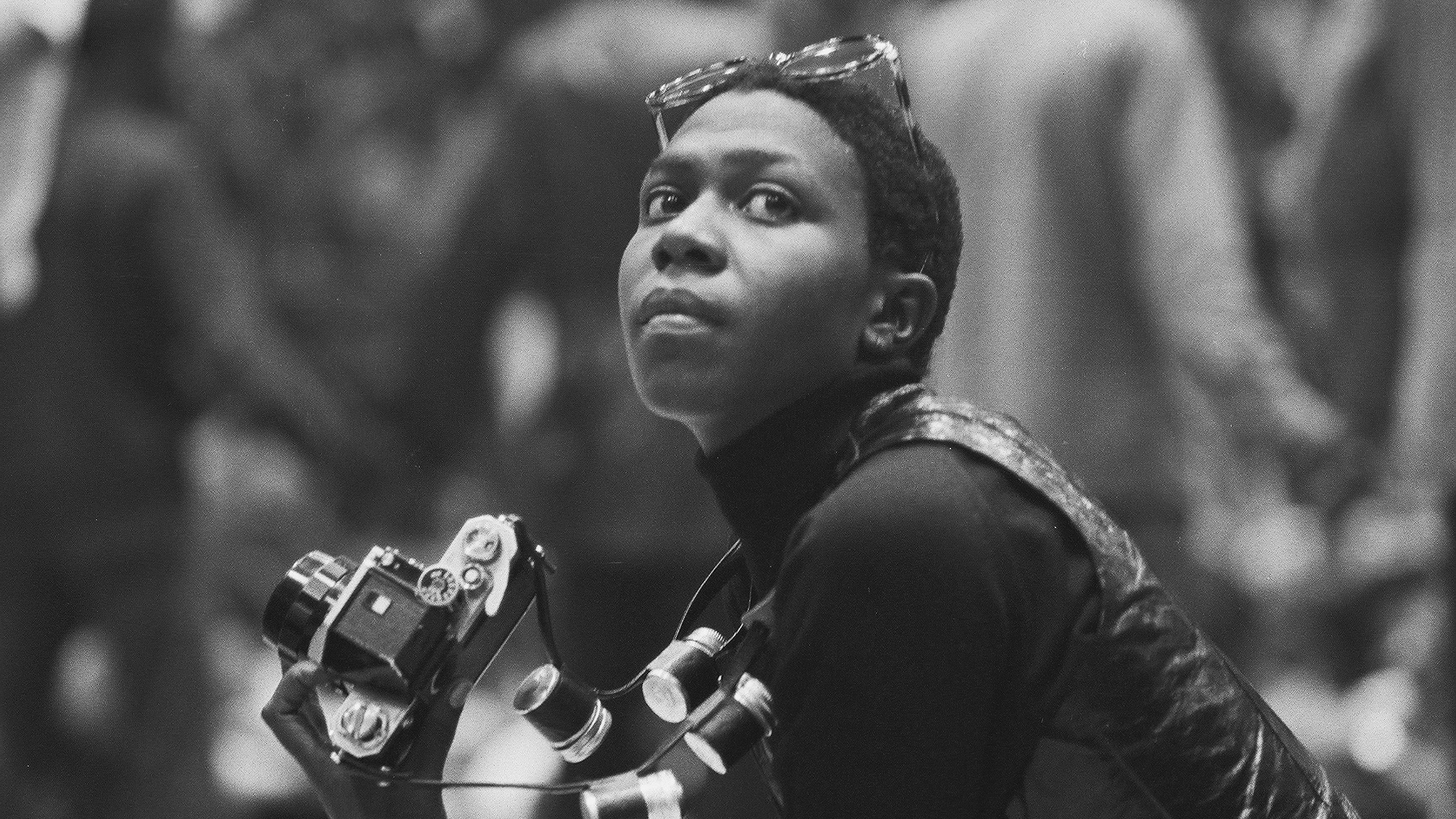
Born Alice Faye Williams on January 10, 1947, in Lumberton, North Carolina, the woman who would become Afeni Shakur moved to the Bronx, New York, during her adolescence. Her early years were marked by the systemic challenges of the Jim Crow era and the burgeoning civil rights movements of the North. In 1968, her life shifted fundamentally when she joined the Black Panther Party (BPP) after hearing a speech by Bobby Seale.
The name "Afeni" translates to "lover of people" in Yoruba, a title she adopted to reflect her commitment to communal struggle and social justice. Within the Black Panther Party, she was not merely a member but a Section Leader, demonstrating a natural aptitude for organization and political education. Her involvement with the Panthers placed her at the center of the FBI’s COINTELPRO operations, which targeted Black nationalist organizations. This period of her life established the foundation of her resilience—a trait that would define her later years as she navigated the complexities of the music industry and the management of one of the most significant estates in entertainment history.
The Panther 21 Trial and Legal Precedent
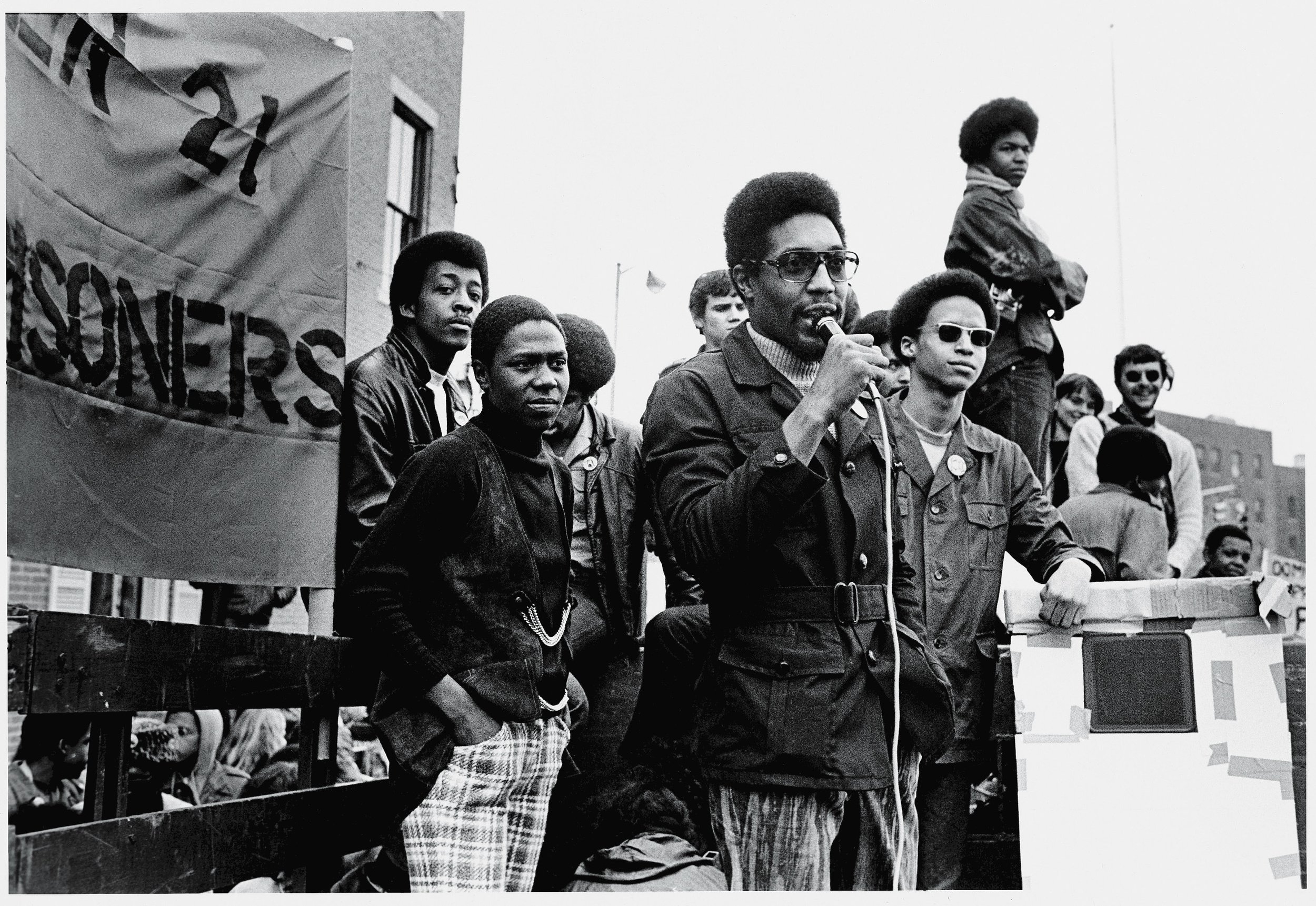
One of the most remarkable chapters in Afeni Shakur’s life was the Panther 21 trial. In 1969, she and 20 other members of the Black Panther Party were arrested and charged with conspiracy to bomb police stations and other public places in New York City. Despite having no formal legal training, Afeni chose to represent herself in court.
This decision was born out of both necessity and a profound distrust of a legal system she viewed as inherently biased. During the trial, she was pregnant with her son, Tupac. Her cross-examinations of undercover agents and her closing arguments were described by observers as brilliant and deeply moving. In May 1971, the jury acquitted all defendants of all 156 counts after only eight hours of deliberation.
The trial remains a landmark case in American jurisprudence regarding the rights of political activists and the limits of government surveillance. For Afeni, it was a victory of the mind over a system designed to suppress her. The fact that she secured this acquittal while carrying Tupac is a detail often cited by historians to explain the revolutionary spirit that would later permeate her son’s music and poetry.
Navigating the Struggles of Motherhood and Recovery
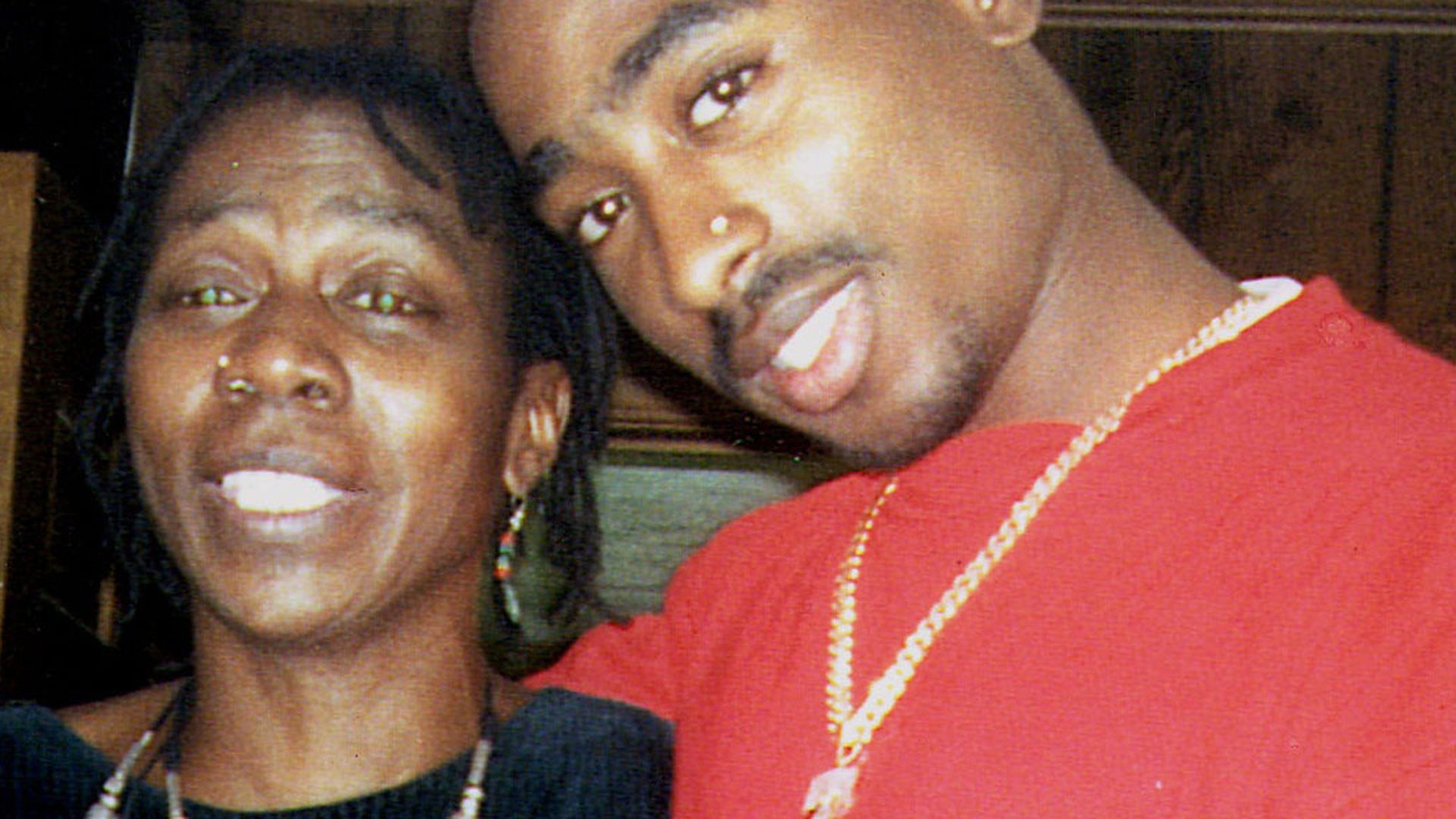
The decade following the Panther 21 trial was one of intense personal struggle. Moving between New York, Baltimore, and California, Afeni raised two children—Tupac and his sister, Sekyiwa—often in conditions of extreme poverty. The 1980s brought a different kind of battle: an addiction to crack cocaine. This period of her life was characterized by instability, yet it also provided the raw, honest material for some of Tupac’s most enduring work, most notably the 1995 hit "Dear Mama."
In the early 1990s, Afeni achieved sobriety, a feat she often attributed to her son's intervention and her own desire to return to the principles of her Panther roots. Her recovery allowed her to mend her relationship with Tupac and become his primary confidante during the most turbulent years of his career. This reconciliation was not just personal but also ideological; Afeni helped Tupac contextualize his fame and legal troubles within the broader history of Black resistance in America.
The Strategic Management of the Tupac Shakur Estate
Following the tragic death of Tupac Shakur in 1996, Afeni faced the monumental task of securing his legacy. At the time of his passing, Tupac’s finances were in disarray, and his intellectual property was tied up in complex contracts with Death Row Records. Afeni founded Amaru Entertainment to house his unreleased recordings and fought a series of high-profile legal battles to reclaim the rights to his music and image.
She successfully sued Death Row Records for unpaid royalties and the return of over 150 unreleased master recordings. Her management style was characterized by a meticulous protectiveness. She ensured that posthumous releases, such as R U Still Down? (Remember Me) and the Tupac: Resurrection documentary, maintained a level of artistic integrity that aligned with her son's vision. By 2026, her management of the estate serves as a textbook example for heirs of high-profile artists on how to transition from mourning to effective corporate stewardship.
| Milestone | Year | Significance |
|---|---|---|
| Joined Black Panther Party | 1968 | Shifted from Alice Faye Williams to Afeni Shakur; became an activist. |
| Panther 21 Acquittal | 1971 | Represented herself in court while pregnant; won against 156 charges. |
| Birth of Tupac Shakur | 1971 | Born one month after her acquittal; named after Túpac Amaru II. |
| Foundation of TASF | 1997 | Established the Tupac Amaru Shakur Foundation for the arts. |
| Death Row Lawsuit Win | 1997-2003 | Reclaimed master recordings and millions in unpaid royalties. |
| Opening of the Center for the Arts | 2005 | Opened a physical location in Stone Mountain, Georgia, for youth arts. |
| Passing of Afeni Shakur | 2016 | Died in Sausalito, California; her daughter Sekyiwa took over the estate. |
Philanthropy and the Tupac Amaru Shakur Foundation
Afeni Shakur’s most enduring contribution to the community was the establishment of the Tupac Amaru Shakur Foundation (TASF). Recognizing that her son’s talent was nurtured in performing arts schools, she sought to provide similar opportunities for underprivileged youth who lacked access to creative outlets.
The foundation, originally based in Stone Mountain, Georgia, offered programs in drama, dance, creative writing, and vocal performance. Afeni believed that art was a primary tool for social change and personal healing. Under her leadership, the foundation also addressed mental health, trauma, and the impact of incarceration on families. Even as we look at the landscape in 2026, the TASF remains a vital organization, having evolved to meet contemporary needs while staying true to Afeni’s vision of using the arts to "save lives," just as it had helped save her son’s during his youth in Baltimore.
Intellectual Property and Historical Preservation
Beyond the music, Afeni was instrumental in preserving the historical narrative of the Black Panther Party. She understood that her story and the story of her son were inextricably linked to the broader Black experience in America. She collaborated on several books and documentaries to ensure that the political motivations behind the Panthers were not erased by mainstream media.
One of her significant late-life projects was the curation of the "Wake Me When I'm Free" museum exhibition. This project, which has continued to tour and evolve through 2026, combines Afeni’s activism with Tupac’s art. It serves as a pedagogical tool that explains the systematic pressures of the 1960s and 70s that birthed the Panther movement, providing context for the lyrics that made Tupac a global phenomenon. Her foresight in archiving letters, poems, and original scripts ensured that the estate had the material necessary to maintain his relevance decades after his death.
How did Afeni Shakur defend herself in the Panther 21 trial?
Afeni Shakur chose to waive her right to an attorney and acted as her own counsel. She utilized her platform to highlight the political nature of the arrests and the lack of concrete evidence provided by the prosecution. Her cross-examination of Ralph White, an undercover officer, was particularly effective in exposing the government's role in instigating the very crimes they were prosecuting. Her acquittal was a major embarrassment for the New York District Attorney's office and a victory for the BPP.
What is the current status of the Tupac Amaru Shakur Foundation in 2026?
As of 2026, the Tupac Amaru Shakur Foundation continues to operate as a 501(c)(3) non-profit organization. While the physical Center for the Arts in Georgia was sold years ago to consolidate resources, the foundation has transitioned into a "foundation without walls" model, partnering with schools and community centers nationwide to provide arts education and mental health support. It remains under the stewardship of the Shakur family and board members dedicated to Afeni's mission.
How did Afeni Shakur manage her son's posthumous music?
Afeni founded Amaru Entertainment to oversee all posthumous projects. She was known for being highly selective about collaborations and commercial use of Tupac's image. She prioritized releasing music that reflected his various personas—from the revolutionary to the poet—rather than just focusing on "club hits." Her legal battle against Death Row Records was a prerequisite for this, as it allowed her to gain control of the masters that the label had refused to release.
Who was the biological father of Tupac Shakur?
Tupac’s biological father was Billy Garland, a fellow member of the Black Panther Party. However, Afeni raised Tupac largely on her own and with the help of her "Panther family." For much of his life, Tupac considered Mutulu Shakur, Afeni’s second husband and a prominent activist, to be his father figure. Afeni remained the central parental figure and the primary influence on his moral and political development.
Actionable Legacy: Engaging with the Work of Afeni Shakur
To fully understand the impact of Afeni Shakur, researchers and fans should look beyond the music of her son and examine her own contributions to social justice and estate law. Those interested in her legacy can take the following actions:
- Study the Panther 21 Trial Transcripts: These documents offer a masterclass in pro se legal defense and civil rights advocacy. They are often available through university archives or specialized legal history databases.
- Support the Tupac Amaru Shakur Foundation: Contributing to the foundation helps continue the arts and mental health programs that Afeni established to support marginalized youth.
- Review "Afeni Shakur: Evolution of a Revolutionary": This biography by Jasmine Guy provides the most intimate and verified account of her life, based on extensive interviews with Afeni herself.
- Visit the "Wake Me When I'm Free" Exhibit: If the exhibition is currently touring or has a digital archive available in 2026, it provides the most comprehensive look at the intersection of her activism and her son's artistic output.
Afeni Shakur’s life was a testament to the power of self-reinvention. She moved from the front lines of a revolutionary movement to the halls of the legal system and finally to the boardroom of a multi-million dollar estate, never losing her commitment to the "lover of people" name she chose for herself.