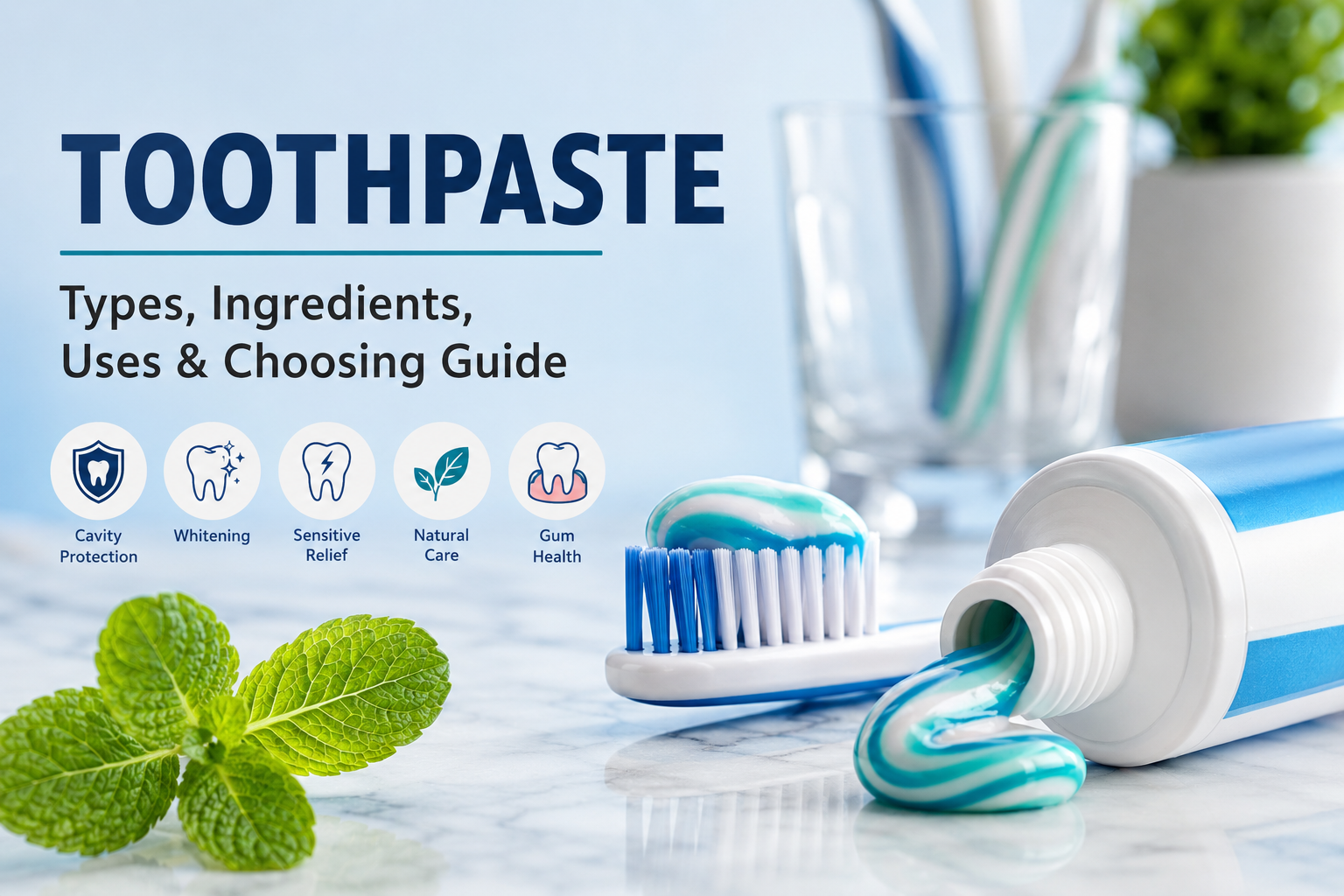
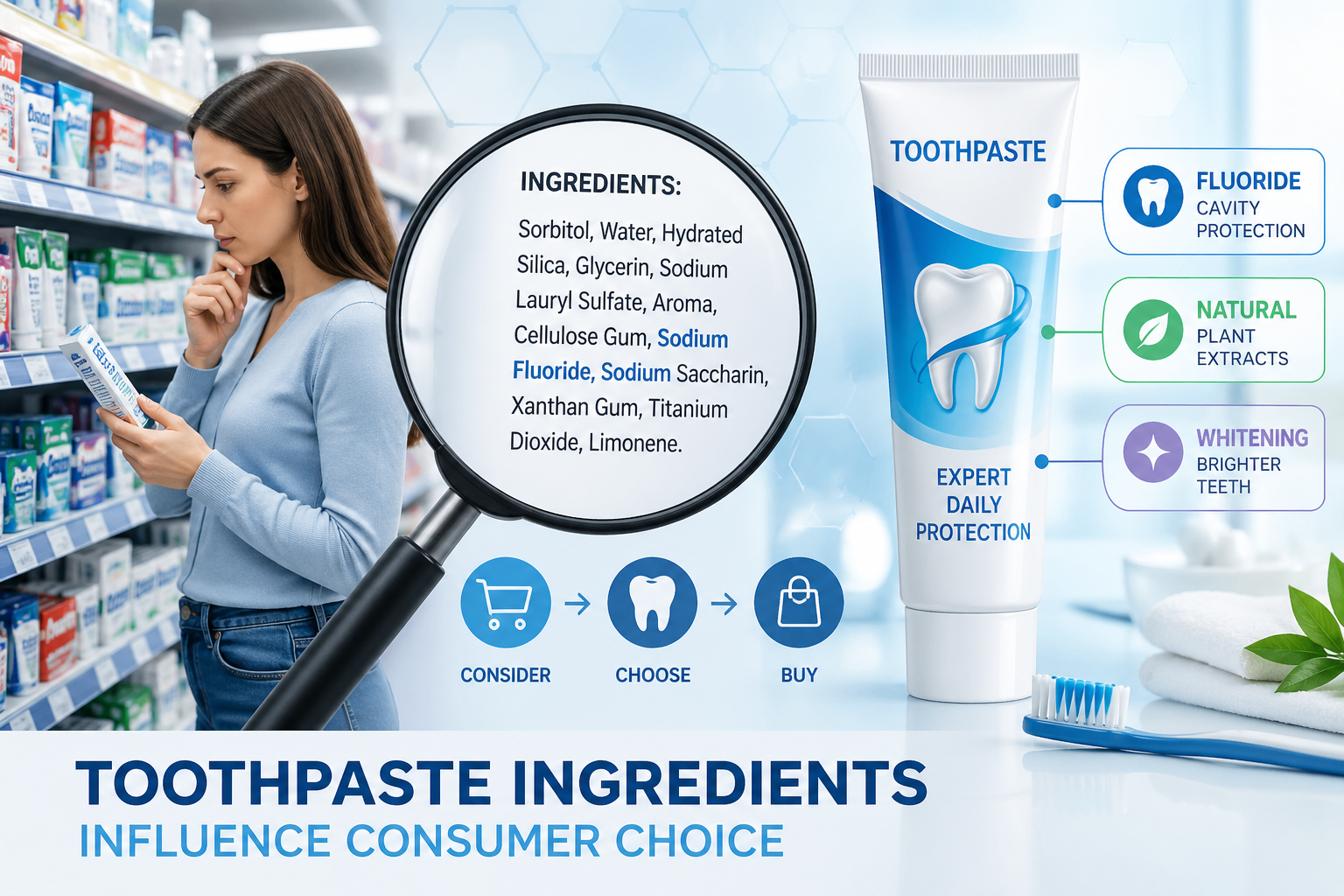
Aesthetic toothpaste refers to a premium category of oral care products that prioritize high-performance ingredients, superior packaging design, and a holistic approach to dental health. Choosing the right one involves balancing remineralizing agents like hydroxyapatite with safe abrasivity levels (RDA) and avoiding harsh surfactants like SLS to ensure both a bright smile and long-term enamel integrity.
In 2026, the boundary between dental hygiene and the beauty industry has effectively dissolved. Oral care is no longer viewed as a chore but as a cornerstone of a comprehensive "wellness ritual." This shift has given rise to the "aesthetic toothpaste"—products that look as good on a marble countertop as they perform in the mouth. However, beneath the chic aluminum tubes and minimalist branding lies a complex chemistry of minerals, enzymes, and botanical extracts. Understanding these components is essential for anyone looking to optimize their oral microbiome while maintaining a pristine, white smile.
The Evolution of Aesthetic Oral Care
The transition from mass-market toothpaste to aesthetic formulations was driven by consumer demand for transparency and "clean beauty" standards. Historically, toothpaste was a functional commodity dominated by fluoride and synthetic detergents. Today, the aesthetic category focuses on biocompatibility and the user experience. This includes sophisticated flavor profiles—moving beyond "mint" to include yuzu, cardamom, or rose—and the exclusion of controversial ingredients like parabens, triclosan, and artificial dyes.
Beyond the visual appeal, these toothpastes are defined by their functional philosophy. Many premium brands now prioritize "remineralization" over simple "cleaning." By using ingredients that mimic the natural composition of tooth enamel, these products aim to repair microscopic defects before they become cavities, all while providing a sensory experience that encourages consistent use.
Key Ingredients in Aesthetic Toothpastes
When evaluating a premium toothpaste, the ingredient list is your most reliable guide. Aesthetic brands often replace traditional synthetic fillers with high-quality alternatives that serve dual purposes: health and aesthetics.
Hydroxyapatite (nHAp)
Hydroxyapatite is arguably the most significant ingredient in the 2026 aesthetic oral care market. It is a calcium phosphate mineral that makes up 97% of your tooth enamel. Unlike fluoride, which creates a fluorapatite layer on the tooth, hydroxyapatite actually bonds with the enamel to fill in tubules and rebuild the surface.
- Nano-Hydroxyapatite (nHAp): The smaller particle size allows for deeper penetration into the enamel, making it exceptionally effective for reducing tooth sensitivity and naturally whitening teeth by smoothing the surface to reflect more light.
- Biocompatibility: Because it is a material already present in the body, it is non-toxic and safe if swallowed, which is a major selling point for those avoiding fluoride.
Xylitol
Derived from birch trees or corn husks, xylitol is a sugar alcohol that does more than just sweeten. It is a potent prebiotic for the mouth. Harmful bacteria like Streptococcus mutans cannot metabolize xylitol, which eventually leads to a decrease in plaque-producing bacteria. In aesthetic formulas, xylitol ensures a pleasant taste without the need for saccharin or aspartame.
Natural Abrasives: Silica and Calcium Carbonate
To remove surface stains (extrinsic staining), toothpaste requires a degree of abrasivity. Aesthetic brands typically use hydrated silica or calcium carbonate. The goal is to achieve "polishing" rather than "scrubbing."
- Hydrated Silica: A versatile mineral used to thicken toothpaste and act as a gentle abrasive.
- Calcium Carbonate: Often sourced from minerals, it helps remove plaque and debris while providing a boost of calcium to the oral environment.
Surfactants: Moving Away from SLS
Sodium Lauryl Sulfate (SLS) is the chemical responsible for the heavy foaming action in traditional toothpaste. However, it is also a known skin irritant that can cause canker sores and dry mouth. Aesthetic toothpastes often use gentler alternatives like Sodium Lauroyl Sarcosinate or Coconut-derived surfactants. These provide a creamy, "low-foam" texture that is less disruptive to the delicate oral mucosa.
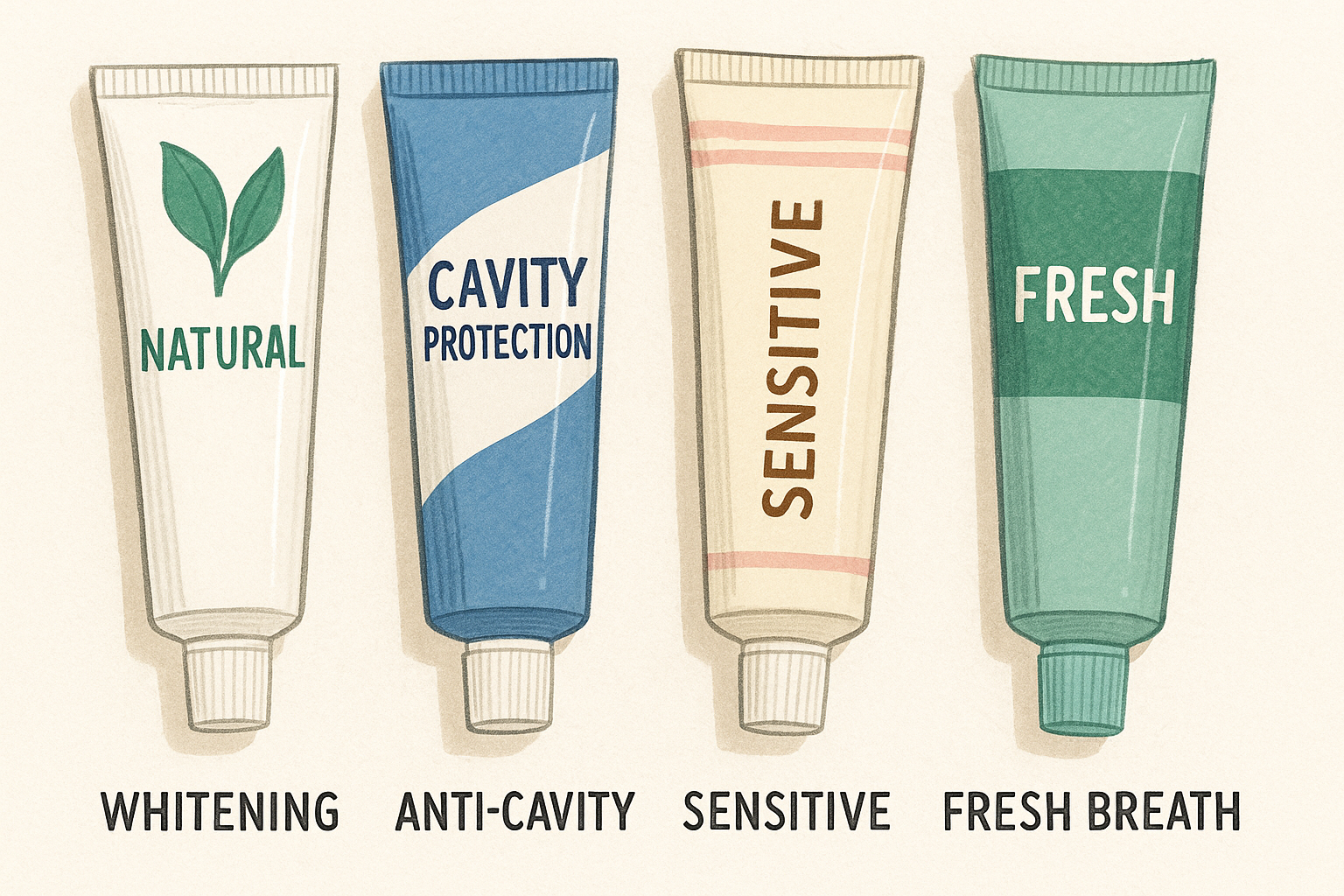
Different Types of Aesthetic Toothpaste
Not all aesthetic toothpastes serve the same purpose. Depending on your dental goals, you may need to choose a specific formulation.
- Remineralizing Formulas: These are designed for those with thin enamel or high sensitivity. They are almost always centered around high concentrations of hydroxyapatite. They focus on long-term health and the "inner glow" of the tooth rather than just surface-level whitening.
- Enzymatic Whitening Toothpastes: Rather than using high-abrasion particles to scrape away stains, these use enzymes like Bromelain (from pineapple) or Papain (from papaya). These enzymes break down the protein pellicle on the tooth surface where stains adhere, offering a whitening effect that is safe for daily use on sensitive teeth.
- Botanical and Antioxidant Blends: These formulas focus on gum health. They often contain Vitamin C, Vitamin E, or extracts like Green Tea and Aloe Vera. These ingredients help reduce inflammation in the gingival tissue, which is crucial for a truly "aesthetic" smile, as healthy pink gums provide the necessary contrast for white teeth.
- Charcoal and Earth-Based Pastes: While popular for their "black" aesthetic, these should be used with caution. Activated charcoal is highly porous and can lift stains, but if the particle size is too large, it can be overly abrasive. Modern premium versions use ultra-fine charcoal powder to mitigate this risk.
Understanding the RDA Score: A Technical Requirement
One of the most important technical aspects of choosing a toothpaste is the Relative Dentin Abrasivity (RDA) score. This is a standardized measurement of how much a toothpaste wears down the dentin and enamel. Since aesthetic toothpastes are often used by those who value their dental appearance, choosing a low-RDA formula is vital to prevent permanent enamel thinning.
| RDA Value | Classification | Recommendation |
|---|---|---|
| 0 - 70 | Low Abrasive | Safe for daily use, even for those with thin enamel or recession. |
| 71 - 100 | Medium Abrasive | Standard for most "whitening" toothpastes; safe for healthy teeth. |
| 101 - 150 | Highly Abrasive | Effective for heavy stain removal but should be used sparingly. |
| 150 - 250 | Regarded as Harmful | Likely to cause permanent wear to tooth structure over time. |
Most high-end aesthetic brands aim for an RDA between 30 and 80. They rely on chemical stain dissolution (enzymes) or mineral replacement (nHAp) rather than physical force to achieve results.
How to Choose the Right Aesthetic Toothpaste
Selecting the best product for your regimen requires a three-step evaluation of your personal needs, the product's chemical profile, and its environmental impact.
Step 1: Identify Your Primary Goal
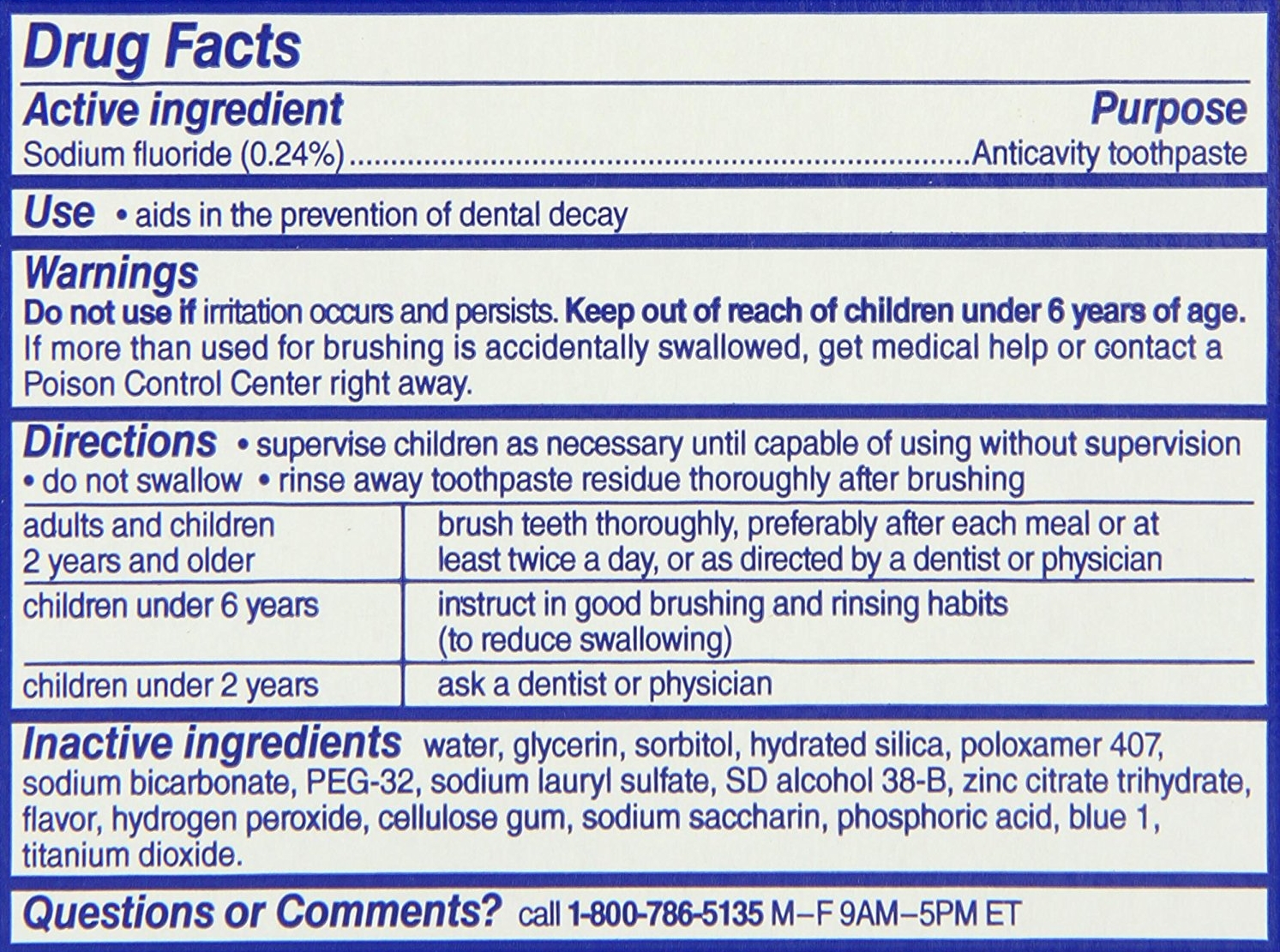
If you suffer from "zingers" or temperature sensitivity, prioritize a hydroxyapatite-based paste. If your primary concern is coffee or tea stains, look for enzymatic whitening agents like papain. For those focusing on "clean beauty," ensure the product is free from artificial colors (like Blue 1 or Yellow 5) and synthetic sweeteners.
Step 2: Evaluate the Mineral Content
In 2026, many experts recommend looking for a "fluoride-plus" or "fluoride-alternative" approach. If you live in an area without fluoridated water, you may still want a fluoride-containing aesthetic paste (yes, premium brands like Selahatin or Buly offer these). However, if you are looking to avoid fluoride, ensure the hydroxyapatite concentration is at least 5% to 10% to provide adequate protection against demineralization.
Step 3: Assess the Delivery System (Packaging)
A true aesthetic toothpaste considers the environmental "aesthetic" as well.
- Aluminum Tubes: Highly recyclable and keeps the product stable without the need for excessive preservatives.
- Glass Jars: Often used for toothpaste tablets or pastes, offering a zero-plastic luxury feel.
- Refillable Systems: Some 2026 brands have moved toward permanent chic dispensers with compostable refill pouches.
Common Mistakes When Switching to Aesthetic Toothpaste
Many consumers make the mistake of assuming that "aesthetic" means "less effective." This leads to several common pitfalls:
- Relying Solely on Aesthetics: Choosing a toothpaste based on the tube's color rather than the RDA score or active ingredients.
- Under-brushing: Because aesthetic toothpastes often lack the aggressive "sting" of artificial menthol and the high foam of SLS, users sometimes feel their mouth isn't "clean" and stop brushing too early. You still need a full two minutes of contact time.
- Ignoring the Microbiome: Some "natural" toothpastes contain high amounts of essential oils (like tea tree or peppermint) which, in high concentrations, can be overly antibacterial, potentially disrupting the healthy balance of the oral microbiome.
Frequently Asked Questions
Is hydroxyapatite better than fluoride in aesthetic toothpastes?
Hydroxyapatite is not necessarily "better," but it functions differently. While fluoride makes enamel more resistant to acid, hydroxyapatite replaces lost minerals with the same material the tooth is made of. Many dental professionals in 2026 suggest that nHAp is an excellent alternative for those who are fluoride-sensitive or looking for a non-toxic option that also helps with whitening and sensitivity.
Why do aesthetic toothpastes foam less than drugstore brands?
Aesthetic toothpastes typically omit Sodium Lauryl Sulfate (SLS), the harsh detergent responsible for heavy foaming. A lower foam level is actually beneficial as it allows you to see your teeth more clearly while brushing and reduces the risk of tissue irritation and dry mouth.
Can aesthetic whitening toothpaste damage my veneers or crowns?
Most aesthetic toothpastes are safer for cosmetic dental work than traditional whitening pastes because they have lower RDA scores. High-abrasion pastes can scratch the surface of porcelain or composite resin over time, causing them to lose their luster. Look for an "enzymatic" or "low-abrasivity" label to protect your investment.
How long does it take to see results from an aesthetic toothpaste?
For sensitivity relief using hydroxyapatite, many users report a difference within 1 to 2 weeks of twice-daily use. For whitening, enzymatic formulas typically take 4 to 6 weeks to show a noticeable lift in surface stains, as they work gradually to maintain enamel health.
Are glass or aluminum tubes better for toothpaste?
Both are superior to traditional plastic-laminate tubes. Aluminum is highly recyclable and provides an airtight seal that preserves the potency of active ingredients like antioxidants. Glass is aesthetically superior for vanity display and is often used for eco-friendly toothpaste tablets.
Recommendations for Your Next Purchase
If you are transitioning to an aesthetic oral care routine, start by identifying your "Enamel Baseline." If your teeth are healthy and you simply want to maintain them, a low-RDA, hydroxyapatite-based paste in a sustainable aluminum tube is the gold standard. For those with significant staining, look for a formula that combines silica and enzymes to lift discoloration without the use of peroxides, which can cause sensitivity.
Always check for third-party certifications or clinical studies cited by the brand to ensure that the "aesthetic" isn't just skin deep. In 2026, the most reputable brands provide full transparency regarding their RDA scores and ingredient sourcing, allowing you to curate a bathroom shelf that is as scientifically sound as it is visually beautiful.