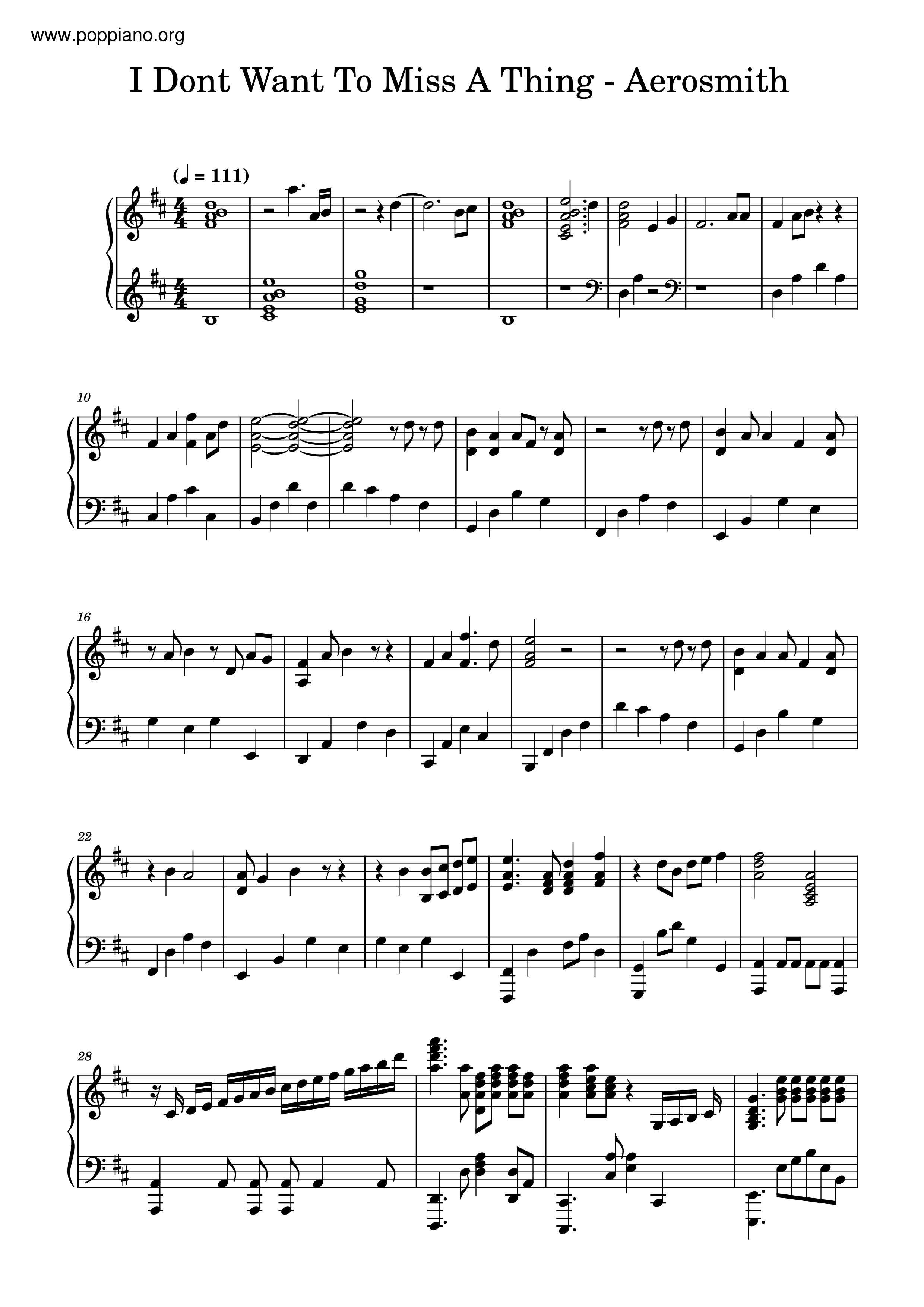
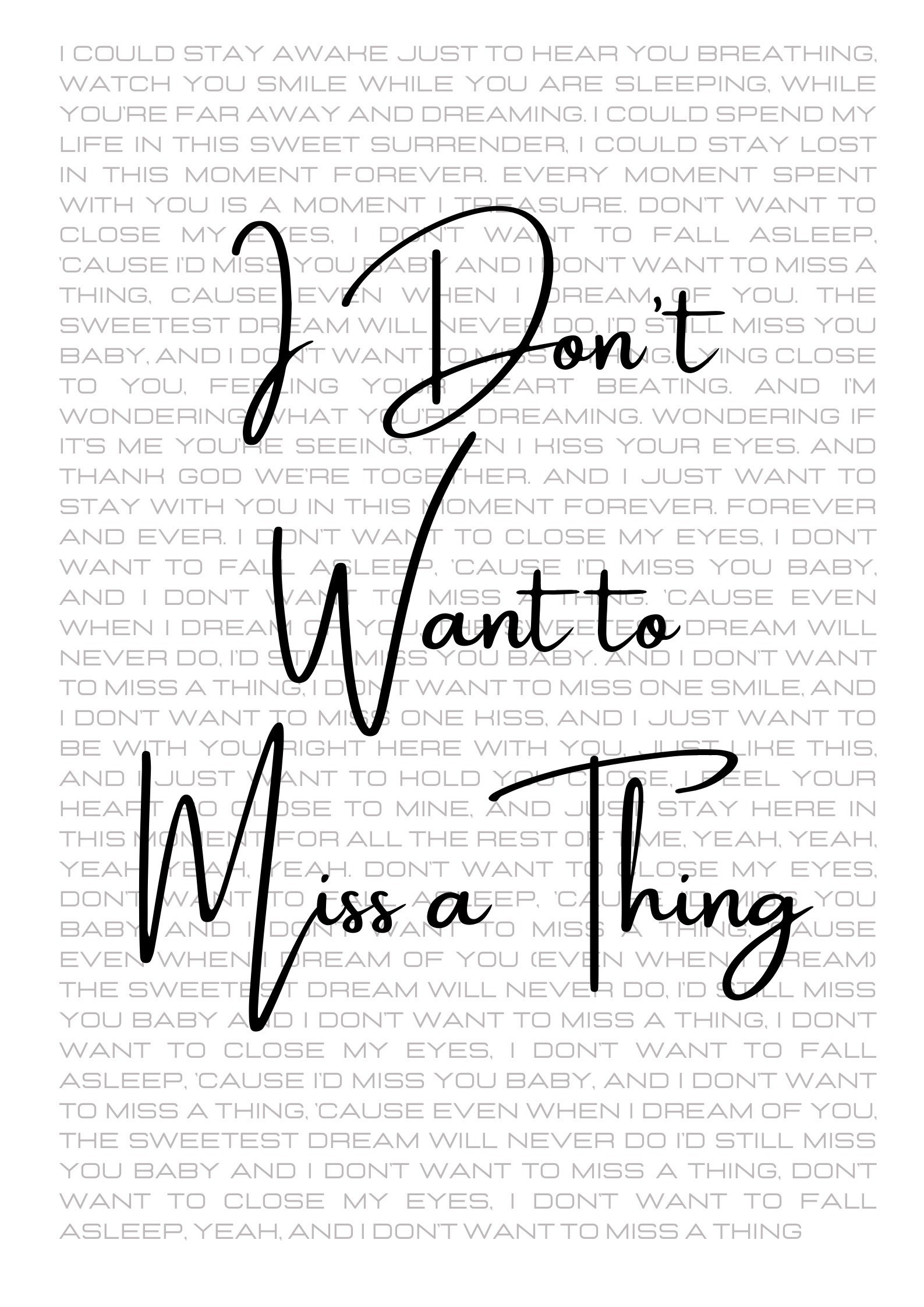
"I Don't Want to Miss a Thing" is a 1998 power ballad by Aerosmith, famously featured in the film Armageddon. Written by Diane Warren, the song expresses the overwhelming desire to cherish every second with a loved one, capturing the profound intimacy of a relationship where even sleep feels like lost time.
As we look back from 2026, the song remains a cornerstone of popular culture, nearly three decades after its initial release. It stands as a unique anomaly in Aerosmith’s legendary career—a song that defined a decade and propelled the "Bad Boys from Boston" to a level of commercial chart success they had never previously reached in their 28 years of recording prior to its debut.
The Origin Story: From an Interview to a Global Anthem
The genesis of "I Don't Want to Miss a Thing" did not begin in a rehearsal studio with Joe Perry’s guitar riffs or Steven Tyler’s scatting. Instead, it started with the prolific songwriter Diane Warren. Warren is known for her ability to craft emotionally resonant hits for a diverse array of artists, but the inspiration for this particular track was surprisingly specific.
Warren was inspired by an interview she saw featuring James Brolin and Barbra Streisand. During the interview, Brolin remarked that he hated falling asleep because he missed Streisand even while they were together. This sentiment of hyper-presence and the fear of missing even a fleeting moment of a partner’s existence became the emotional anchor for the lyrics. Warren originally envisioned a female vocalist, like Celine Dion, performing the track. However, when the song was selected for the soundtrack of the Michael Bay-directed disaster epic Armageddon, the production team sought a more rugged, rock-infused delivery.
Aerosmith was brought in, primarily because Steven Tyler’s daughter, Liv Tyler, was the female lead in the film. The juxtaposition of Tyler’s raspy, raw vocal power against Warren’s polished, cinematic songwriting created a "lightning in a bottle" moment. The band, which had spent the 1970s and 1980s as symbols of hard rock rebellion, suddenly found themselves delivering one of the most sentimental ballads in history.
Lyrical Analysis: A Deep Dive into Devotion
The lyrics of "I Don't Want to Miss a Thing" are a masterclass in sentimental hyperbole, which is a staple of the power ballad genre. To understand the song's meaning, one must look at the specific imagery used to convey the intensity of the narrator's feelings.
The Intimacy of Observation
The opening lines, "I could stay awake just to hear you breathin' / Watch you smile while you are sleeping," immediately establish a sense of quiet, domestic intimacy. Unlike many rock songs of the era that focused on the excitement of the chase or the pain of heartbreak, this song focuses on the stillness of a stable, deep-rooted love. The narrator finds more value in the simple act of watching their partner exist than in anything else the world could offer.
The Fear of Time
The chorus serves as the emotional crescendo: "I don't want to close my eyes / I don't want to fall asleep / 'Cause I'd miss you baby / And I don't want to miss a thing." This reflects a psychological state of "fearing the void." In the context of the movie Armageddon, where the world is facing an extinction-level event from an approaching asteroid, these lyrics take on a literal urgency. However, in a general context, they represent the universal human desire to freeze time during moments of perfect happiness.
The "Sweet Surrender"
The second verse moves from observation to the physical and emotional impact of the partner. Phrases like "I just want to stay with you in this moment forever" and "every moment spent with you is a moment I treasure" reinforce the theme of temporal desperation. The use of the word "surrender" in the bridge suggests that the narrator has given up their own defenses and ego to be fully present for the other person.
Recording and Production: The Aerosmith Evolution
Recording "I Don't Want to Miss a Thing" was a significant departure for Aerosmith. Historically, the band’s hits were self-penned or co-written with "song doctors" like Desmond Child. Accepting a song written entirely by an outside songwriter like Diane Warren was a strategic move that fundamentally changed the band’s trajectory.
The production, handled by Matt Serletic, leaned heavily into the "wall of sound" technique. It features a full orchestral arrangement, which provides a dramatic contrast to Joe Perry’s melodic guitar work. Steven Tyler’s vocal performance is often cited by critics as one of his career bests; he manages to transition from a tender, almost whispered verse to a searing, grit-filled chorus that requires immense lung capacity and emotional range.
The recording session itself was reportedly intense. Tyler worked meticulously on the phrasing to ensure that the song felt like an Aerosmith track rather than a generic pop song. The result was a polished, radio-friendly anthem that managed to retain enough "rock edge" to satisfy the band's core audience while appealing to the massive global audience of the Armageddon blockbuster.
Chart Milestones and Technical Specifications
When the song was released in August 1998, it did something no other Aerosmith song had ever done: it debuted at number one on the Billboard Hot 100. Despite their legendary status, classics like "Dream On" or "Walk This Way" never reached the top spot. The song held the position for four consecutive weeks and became an international phenomenon.
| Feature | Detail |
|---|---|
| Release Date | August 18, 1998 |
| Songwriter | Diane Warren |
| Primary Producer | Matt Serletic |
| Movie Soundtrack | Armageddon (1998) |
| Billboard Peak | #1 (4 weeks) |
| Grammy Nominations | Best Pop Performance by a Duo or Group with Vocal |
| Academy Awards | Nominated for Best Original Song |
| RIAA Certification | 5x Platinum (as of 2024 updates) |
The song's success was bolstered by its music video, directed by Francis Lawrence. The video features the band performing in front of the Kennedy Space Center, interspersed with scenes from the movie. The emotional resonance of seeing Steven Tyler sing while his real-life daughter, Liv Tyler, appeared on screen in character as Grace Stamper added a layer of meta-narrative that resonated deeply with viewers.
Cultural Legacy and Misconceptions
Despite its massive success, "I Don't Want to Miss a Thing" has been a polarizing track within the rock community. Some critics and "purist" fans argued that the song represented the band "selling out" to Hollywood and pop sensibilities. They pointed to the fact that the band members didn't write the song as evidence of a departure from their blues-rock roots.
However, three decades later, the perspective has shifted. The song is now viewed as the moment Aerosmith secured their longevity. It introduced the band to a younger generation who might not have been familiar with their 1970s catalog. It also proved that Steven Tyler was one of the few vocalists of his generation who could master the "power ballad" format as effectively as he could hard rock.
A common misconception is that the song was written about Liv Tyler. While the father-daughter connection in the film helped market the song, the lyrics were strictly inspired by the Brolin-Streisand interview. Another interesting fact is that several other bands were considered for the track, including U2, before the producers settled on the unique gravelly tone of Aerosmith.
FAQs: Understanding the Nuances of the Song
Did Steven Tyler write "I Don't Want to Miss a Thing"?
No, Steven Tyler did not write the song. It was written entirely by Diane Warren. While the band contributed to the arrangement and gave it their signature sound, the lyrics and melody were Warren's creation.
Why is the song so closely associated with the movie Armageddon?
The song was the lead single for the Armageddon soundtrack. Its themes of cherishable moments and the fear of loss mirrored the film's plot, where Bruce Willis's character (the father of Liv Tyler's character) goes on a suicide mission to save Earth. The emotional weight of the movie's ending and the song are permanently linked in pop culture.
What awards did the song win?
While it was a massive commercial success, the song was a runner-up for several major awards. It was nominated for an Academy Award for Best Original Song (losing to "When You Believe" from The Prince of Egypt) and two Grammy Awards. It did, however, win an MTV Movie Award for Best Song from a Movie.
Was this Aerosmith's only number one hit?
Yes. Surprisingly, despite their massive catalog and decades of fame, "I Don't Want to Miss a Thing" is Aerosmith's only song to reach number one on the Billboard Hot 100.
What is the meaning of the "Stay Awake" line?
The line "I could stay awake just to hear you breathing" signifies a level of devotion where the narrator finds the mere existence of their partner more compelling than the biological necessity of sleep. It represents the "honeymoon phase" of love extended into a permanent state of mind.
How to Appreciate the Song Today
To fully experience the depth of "I Don't Want to Miss a Thing" in 2026, it is recommended to listen to the remastered high-fidelity versions available on spatial audio platforms. These versions allow listeners to hear the intricate orchestral layers and the subtle nuances in Joe Perry’s guitar work that were sometimes lost in the compressed radio edits of the late 90s.
Furthermore, viewing the music video provides essential context. Seeing the juxtaposition of the harsh mechanical environment of NASA with the raw, emotional performance of the band helps illustrate the song’s central theme: that human connection is the only thing that matters in the face of overwhelming odds. Whether you are a lifelong fan of the "Toxic Twins" or a newcomer discovering their 90s era, the song remains a definitive example of how rock music can successfully bridge the gap into cinematic storytelling.