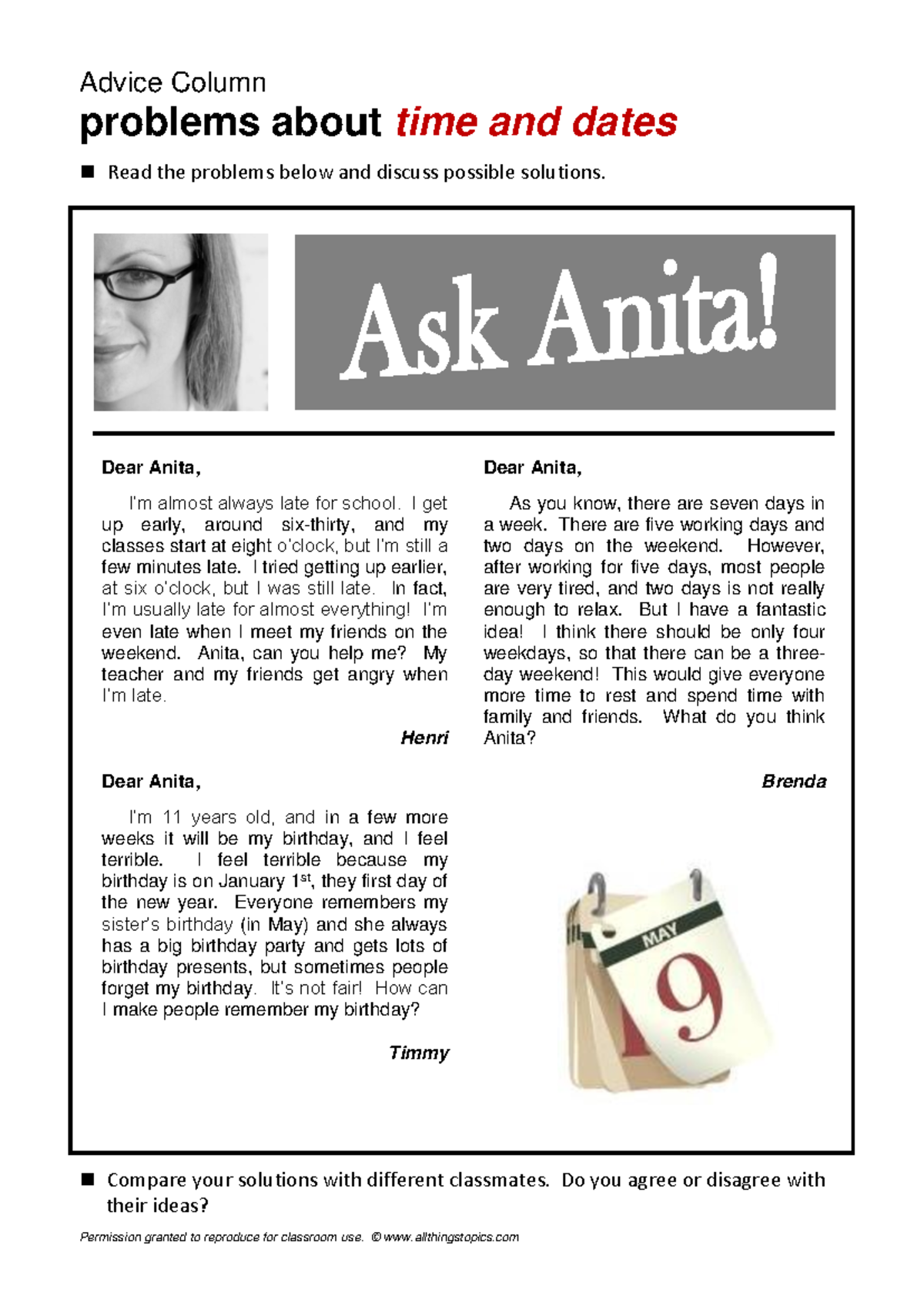
The legacy of the advice column refers to the institutional, cultural, and intellectual heritage of long-running journalistic features that provided guidance to the public. Today, managing this legacy involves the formal archiving of syndication records, the preservation of pseudonymized correspondence, and the digitization of print-era editorial standards to maintain historical integrity for future academic and sociological research.
The Evolution of the Advice Column as a Cultural Institution
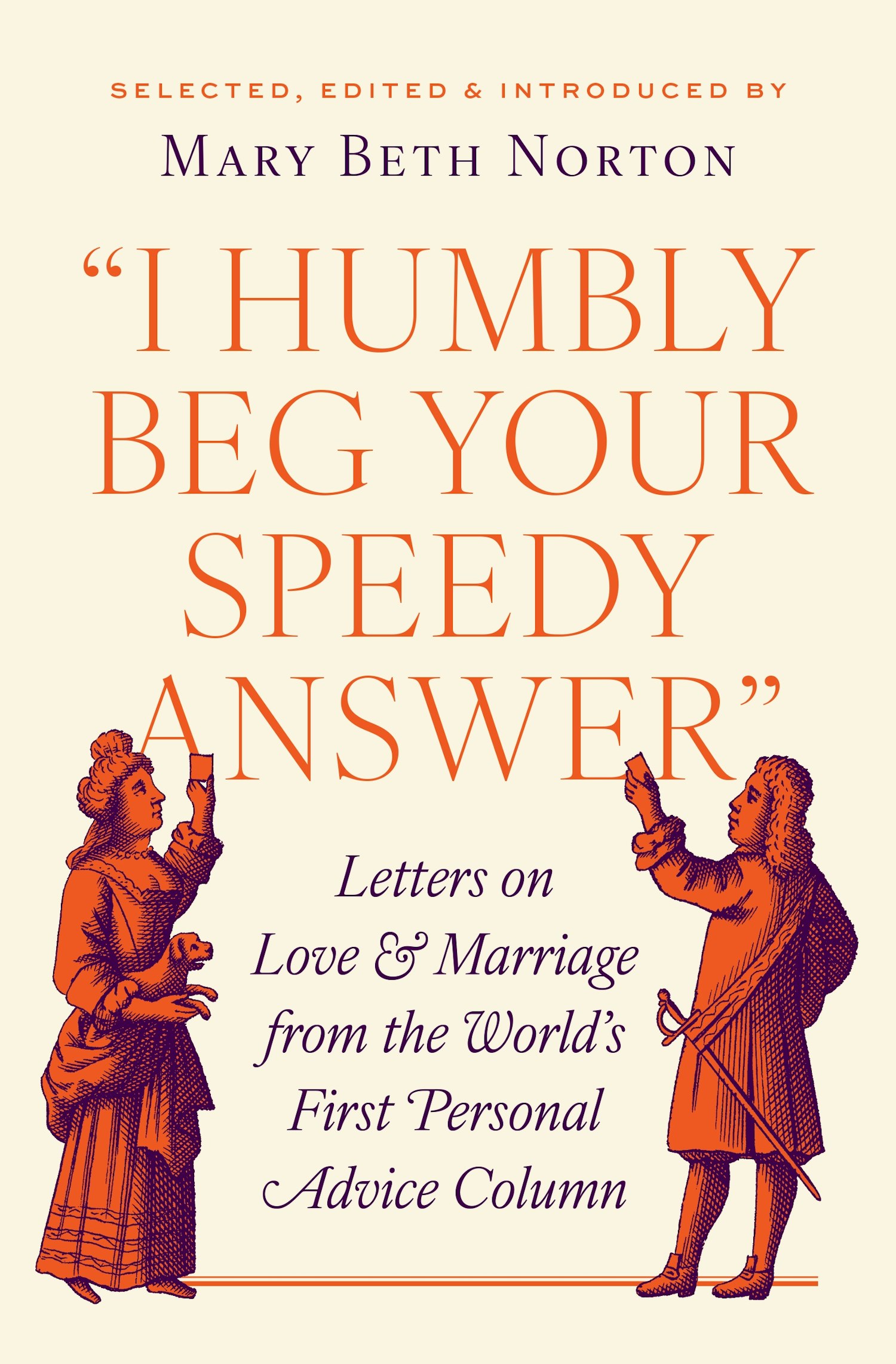
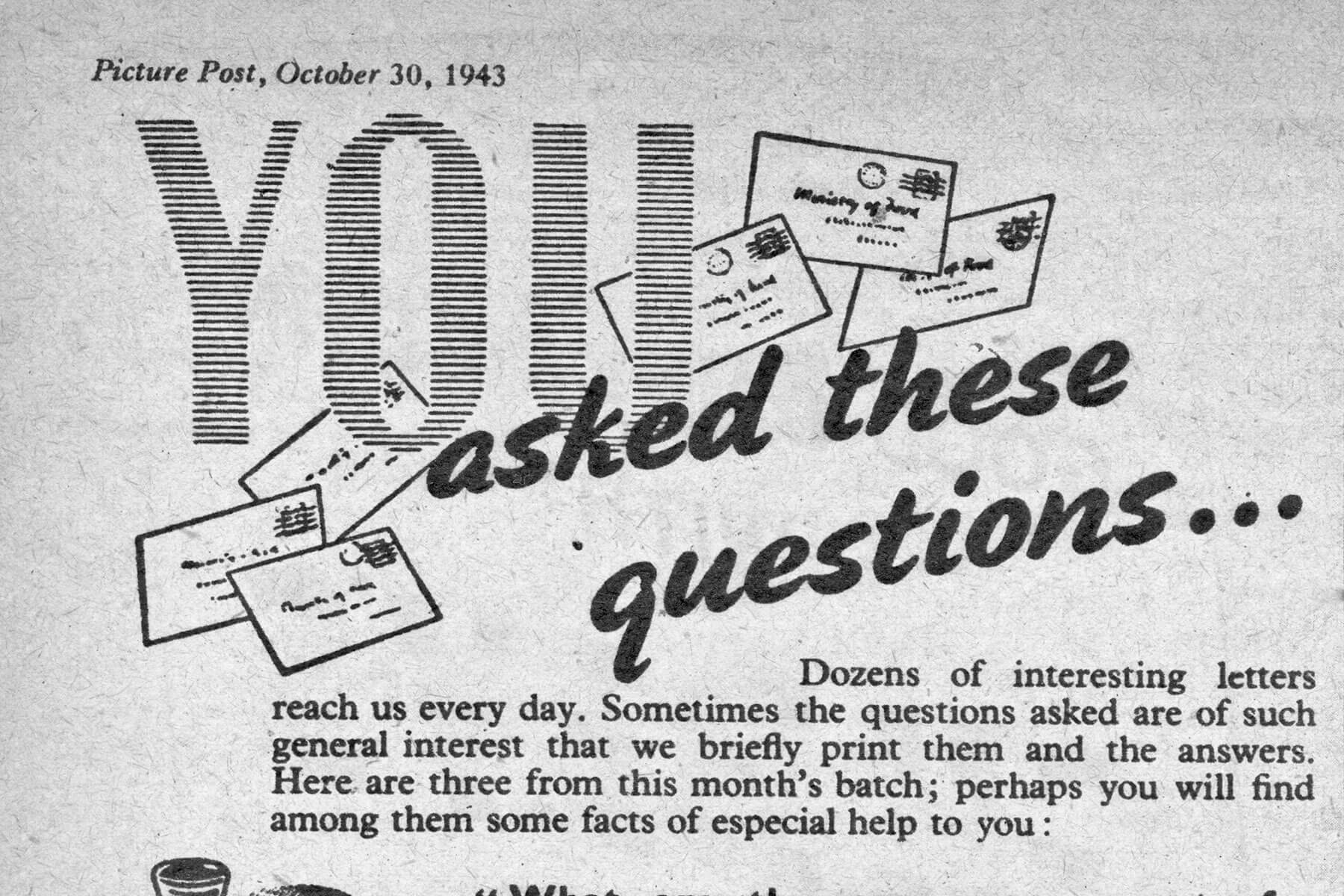
Advice columns—historically known as "agony columns"—have functioned as a bridge between private domestic concerns and public discourse for over a century. From the serialized queries in 19th-century periodicals to the syndicated powerhouses of the 20th century, these columns were not merely repositories of personal problems; they were mirrors of social mores, gender roles, and economic realities.
The legacy of these columns is categorized by their transition from print-exclusive circulation to digitized archives. As these publications shifted from the physical constraints of newspaper space to online repositories, the "legacy" became a matter of data management. Maintaining this heritage requires protecting the privacy of correspondents while ensuring that the editorial voice of the columnist—often a curated persona—remains intact for historical study.
Defining the Scope of Editorial Legacy
When researchers or archivists approach the legacy of a specific advice column, they must address three primary dimensions: the identity of the columnist, the syndication network, and the corpus of reader correspondence.
The columnist often operated under a pseudonym or a collaborative pen name, such as "Dear Abby" (Abigail Van Buren) or "Ann Landers" (Eppie Lederer). The legal and intellectual legacy of these brands involves trademark protections and copyright over the proprietary advice given. For archivists, the primary challenge is determining the provenance of the material. Many columns relied on freelance assistants or ghostwriters, meaning the "legacy" of the writing is often a collective output rather than the work of a single individual.
Technical Requirements for Archiving Advice Correspondence
Preserving the legacy of these columns requires rigorous technical standards. Unlike a simple text document, an advice column archive is a database of metadata-rich interactions. To treat this legacy with institutional care, organizations must follow specific archival protocols:
- Verification of Metadata: Ensuring that the publication date, syndication region, and original newspaper source are attached to every digitized column.
- Privacy Scrubbing: While letters were published publicly, modern data stewardship often requires the redaction of potentially identifiable details of the correspondents (or their descendants) who were not public figures.
- Contextual Framing: Attaching contemporary editorial guidelines to the archives. Advice provided in 1955 reflects the medical, psychological, and legal standards of that time; presenting these without caveats can result in misinformation.
Comparative Framework: Print Syndication vs. Digital Repositories
The transition from physical newsprint to digital formats has fundamentally changed how the legacy of advice columns is accessed. The following table highlights the differences in management requirements for these two eras.
| Feature | Print-Era Legacy (Pre-2000) | Digital-Era Legacy (2000–Present) |
|---|---|---|
| Primary Format | Microfilm and physical archives | XML, PDF, and cloud-hosted databases |
| Searchability | Index-card or keyword-based catalogs | Full-text search and NLP indexing |
| Privacy Concerns | Limited to historical public records | Subject to GDPR and global privacy statutes |
| Integrity | Provenance tied to original publisher | Provenance tied to web-archiving snapshots |
| Scope | Regional syndication focus | Global, permanent accessibility |
Legal and Ethical Considerations in Stewardship
The legal legacy of advice columns is often tied to the estate of the columnist. In the United States, intellectual property law dictates that the columns are generally considered works-for-hire, owned by the syndicates (such as King Features Syndicate or Creators Syndicate). Any entity seeking to reproduce, analyze, or build upon this legacy for commercial or academic purposes must verify the status of these copyrights.
Furthermore, there is a significant ethical dimension regarding the "advice" itself. As social standards evolve, material published in the mid-20th century may contain advice that, by 2026 standards, contradicts current legal or medical guidance. Archivists and digital publishers are responsible for ensuring that readers can distinguish between historical sentiment and contemporary best practices. This is often handled through "living archives" that include disclaimers or contextual essays alongside the original text.
Managing the Intersection of Personal Privacy and Public History
One of the most complex tasks in managing the legacy of an advice column is balancing the desire to keep a complete historical record with the rights of the individuals who wrote the original letters. In the mid-20th century, correspondents often provided enough detail—addresses, names, or highly specific situations—that they could be identified by neighbors or family members.
When digitizing these archives for public consumption, archivists must perform a risk assessment. While the First Amendment generally protects the right to publish historical documents of public interest, the ethical stewardship of sensitive personal data involves stripping or blurring identifiers that could cause modern harm. This process is essential for maintaining the reputation of the publication and protecting the legacy of the columnist from allegations of negligence or privacy violations.
Troubleshooting Common Archival Discrepancies
Researchers often encounter gaps in the record, particularly regarding syndication routes. A column might have appeared in a newspaper in Chicago with a different title or date than the same column printed in a regional paper in California. When working with advice column legacy materials, consider these troubleshooting steps:
- Cross-Reference Syndication Sheets: If a date is missing, consult the records of the primary syndicate rather than the individual newspaper.
- Verify Columnist Transitions: Check for the dates of columnist retirement or death. Often, columns were ghostwritten or taken over by successors for years before an official announcement was made.
- Check for "Best Of" Reprints: Many newspapers frequently ran "classic" columns from the past without marking them as reprints. Do not assume the date of publication is the date the advice was originally written.
Frequently Asked Questions
What constitutes the "official" legacy of a syndicated column?
The official legacy consists of the legally owned copyright, the physical and digital archives of the syndicate, and the established brand identity. It represents the verified body of work that the columnist or their estate authorizes as part of the public record.
How do I handle legal disputes regarding historical advice columns?
Legal disputes concerning the republication of these columns usually fall under copyright law. If you are citing or hosting these columns, you must clear the rights with the holding syndicate or the estate of the author, as expiration dates vary based on when the work was originally registered and renewed.
Are there risks in using historical advice for modern decision-making?
Yes. Advice columns are products of their time. Medical, financial, and psychological advice from the 1960s or 1970s is frequently obsolete and potentially dangerous if applied today. Always prioritize modern, peer-reviewed, and professionally regulated sources over historical journalistic content.
Can I include advice columns in an educational database?
Generally, yes, provided you operate within the bounds of "fair use" as defined in the jurisdiction of the publication, or through a licensed agreement with the copyright holder. Always include metadata that clarifies the original publication date to provide necessary context for students or researchers.
What should I do if I find conflicting publication dates for the same letter?
This is common due to syndication delays. Prioritize the date provided by the primary syndicate over the local newspaper date, as the syndicate's records represent the point of origin for the distribution.
Next Steps for Researchers and Archivists
If you are currently tasked with organizing or digitizing an advice column legacy, your immediate next step is to secure an inventory of the syndication agreements. This documentation is the cornerstone of any archival project, as it confirms which entity holds the rights and defines the permissible scope of distribution. Once rights are confirmed, prioritize the creation of a chronological index, followed by the implementation of a privacy-redaction policy that aligns with 2026 data standards. Avoid the temptation to modernize the language or content of the columns, as this compromises the historical integrity of the primary source material. By maintaining a clear, verified, and ethically handled archive, you preserve the unique intersection of journalism and personal history that defined the advice column genre.