Advertising measurement is the systematic process of quantifying the impact of marketing initiatives by analyzing data to determine return on investment, audience engagement, and brand reach. It enables organizations to translate complex campaign data into actionable insights, ensuring that every dollar spent contributes directly to broader business objectives rather than merely generating vanity metrics.
Establishing the Framework for Measurement
Effective advertising measurement begins with the alignment of business objectives and key performance indicators (KPIs). Before data collection commences, organizations must define what success looks like—whether it is customer acquisition, brand awareness, or lead generation. Without a clear goal, measurement becomes a collection of disconnected data points that fail to inform strategic decisions.
The foundation of modern measurement lies in data accuracy and integrity. In a landscape increasingly defined by privacy regulations and the erosion of third-party tracking cookies, relying on a single source of truth is insufficient. Marketers must integrate first-party data, server-to-server tracking, and hashed customer information to maintain a coherent view of the customer journey across fragmented touchpoints. This integration ensures that measurement is resilient against browser-level restrictions and shifting privacy policies that impact traditional client-side tracking pixels.
Common Methodologies and Models
Measurement methodologies vary in complexity, depending on the volume of data and the specific requirements of the campaign. Organizations typically move from simple tracking to more sophisticated statistical modeling as their capabilities mature.
- Marketing Mix Modeling (MMM): A statistical analysis technique that quantifies the impact of various marketing activities on sales. By analyzing historical data, MMM isolates the effect of advertising from external factors such as seasonality, pricing changes, and macroeconomic shifts. It is highly valued for its privacy-compliant nature, as it does not require user-level tracking.
- Multi-Touch Attribution (MTA): This model assigns fractional credit to different touchpoints in a customer’s path to conversion. By analyzing the sequence of interactions—such as view-throughs, clicks, and organic visits—MTA provides a granular view of how different channels contribute to the final outcome.
- Incrementality Testing: Also known as lift testing, this methodology compares a control group (who did not see the ad) with an exposed group. This is considered the gold standard for proving causality, as it directly answers the question: "Would this sale have happened without the advertisement?"
Comparison of Measurement Approaches
| Method | Primary Strength | Privacy Impact | Best Used For |
|---|---|---|---|
| Marketing Mix Modeling | Holistic view | Low (Aggregated) | Long-term budget allocation |
| Multi-Touch Attribution | Granular journey data | Moderate (User-level) | Tactical channel optimization |
| Incrementality Testing | High causal accuracy | Low (Controlled) | Proving incremental channel value |
| Direct Response Tracking | Real-time feedback | High (Tracker-based) | Short-term performance campaigns |
Data Challenges and Resolution Strategies
The primary challenge in 2026 remains data fragmentation. As consumers interact with brands across mobile applications, desktop websites, connected televisions, and offline retail environments, reconciling these identities into a single profile is difficult. Identity resolution—the process of linking identifiers such as email addresses, device IDs, and customer account numbers—is essential for accurate measurement.
To resolve these discrepancies, organizations should implement a robust Customer Data Platform (CDP) or similar data management architecture. By centralizing disparate data streams, brands can create a unified customer view, allowing for more precise measurement of cross-channel effectiveness. Furthermore, organizations must implement robust server-side tagging protocols to bypass common browser-based tracking limitations, ensuring that conversion data is captured even when client-side signals are blocked or degraded.
Ensuring Accuracy through Verification
Verification is a critical component of advertising measurement that guards against wasted budget and brand safety issues. Before analyzing the results of a campaign, organizations must verify that the traffic being measured is legitimate. Bot traffic, ad fraud, and "invalid" clicks can significantly distort performance metrics, leading to misinformed resource allocation.
Third-party verification services are frequently employed to audit the quality of ad inventory. These tools provide metrics regarding viewability (whether the ad was actually seen), brand safety (whether the ad appeared in a contextually appropriate environment), and invalid traffic (IVT) detection. Integrating these verification signals into the measurement stack allows teams to discount fraudulent or low-quality impressions from their performance reports, providing a clearer view of actual human engagement.
Ethical Considerations and Compliance
With global regulations, such as the General Data Protection Regulation (GDPR) and various regional privacy laws, advertising measurement must prioritize consumer consent. Data collection practices must be transparent, and users should be provided with clear opt-out mechanisms.
Measurement strategies that rely on invasive tracking techniques are becoming increasingly risky from both a compliance and a consumer trust perspective. Consequently, the industry is shifting toward "privacy-first" measurement. This involves the use of clean rooms—secure environments where different parties can analyze their data together without sharing PII (Personally Identifiable Information)—and differential privacy, a system that adds noise to data to prevent the identification of individuals while maintaining the utility of the aggregate statistics.
How do I choose the right measurement model for my campaign?
The choice of model depends on your specific campaign duration and the nature of the product. If you are running a high-frequency, direct-response campaign, focus on tracking and incrementality testing. For long-term brand building where the sales cycle is complex, Marketing Mix Modeling is the most effective approach to understand the cumulative impact of your marketing efforts over time.
Why is cross-channel measurement so difficult to achieve?
Cross-channel measurement is difficult because of the "walled garden" nature of modern media platforms. Large advertising ecosystems often use proprietary identifiers that cannot be easily linked with those of other platforms. This forces marketers to rely on statistical modeling or common identifier systems to estimate the relationship between an ad viewed on one platform and a conversion occurring in another.
What are the most important metrics to track?
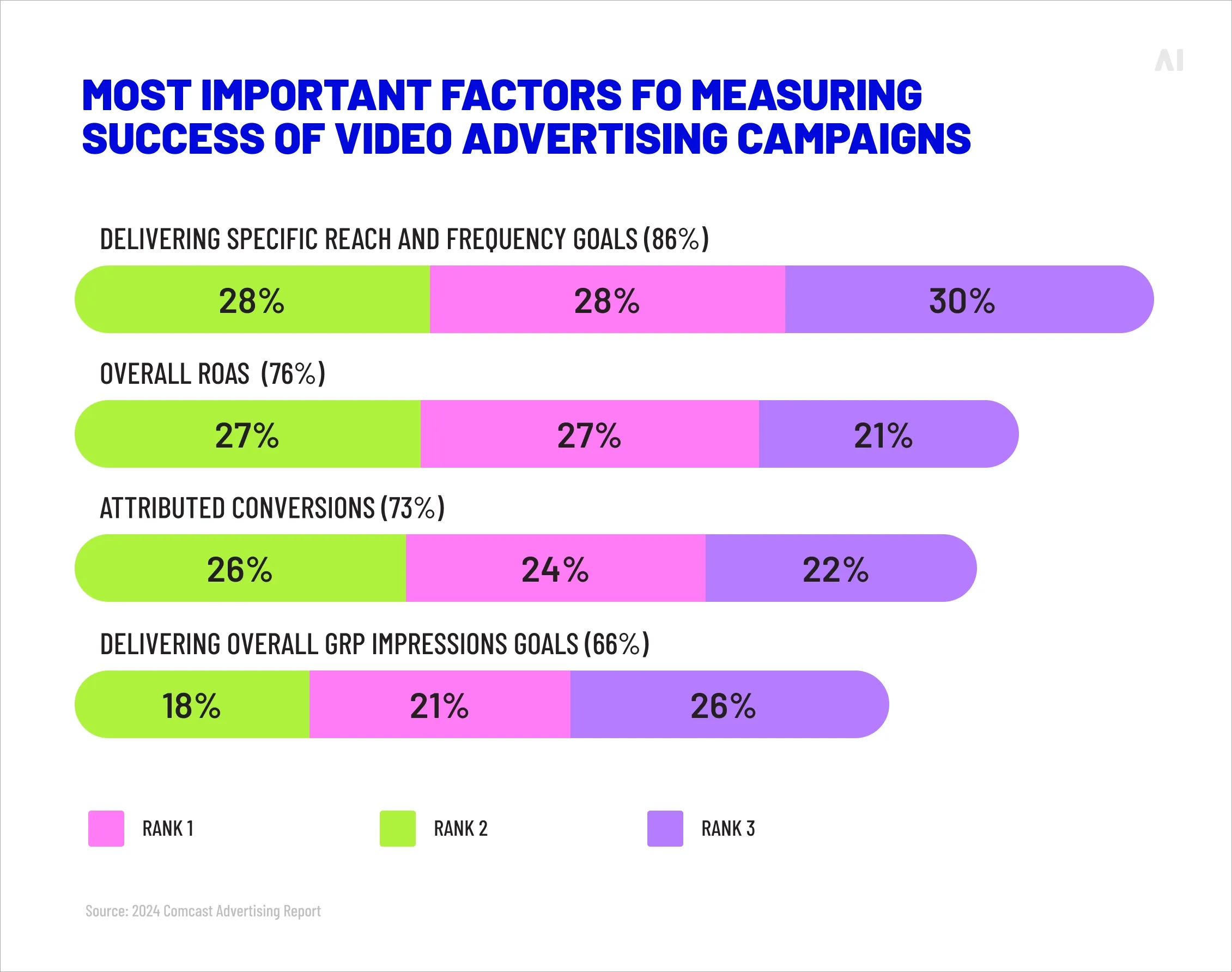
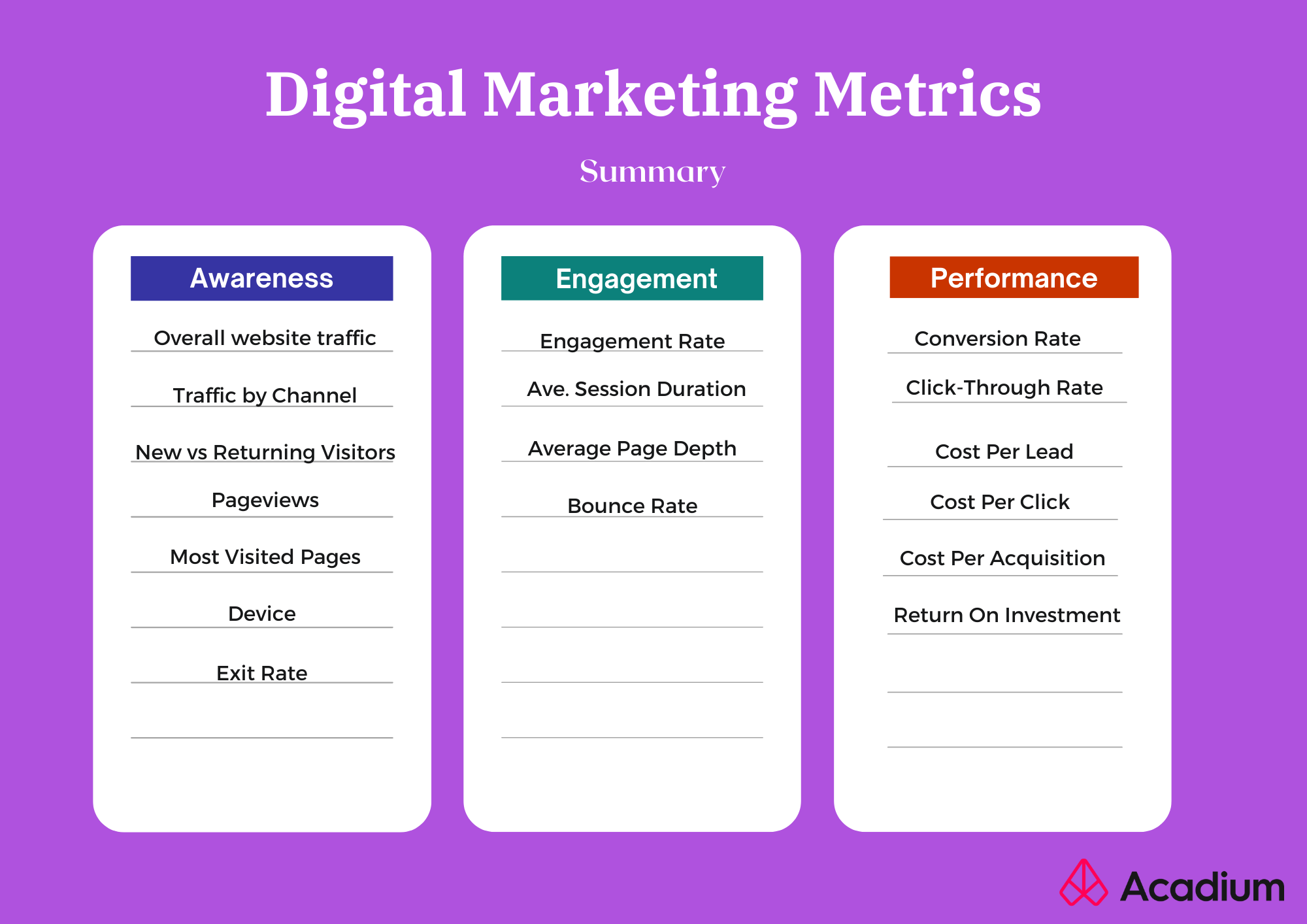
While metrics vary by industry, the most critical indicators are those tied to business health, such as Customer Acquisition Cost (CAC), Return on Ad Spend (ROAS), and Customer Lifetime Value (CLV). Avoid prioritizing vanity metrics like impressions or simple click-through rates (CTR) in isolation, as these rarely correlate directly with long-term revenue growth.
How can I ensure my measurement data is accurate?
Data accuracy is maintained through consistent naming conventions, robust tagging implementation (ideally using server-side containers), and frequent reconciliation between platform reports and internal sales databases. Regularly auditing your tracking tags and implementing automated error alerts will help identify data drift before it impacts your reporting.
Next Steps: Optimizing Your Measurement Strategy
Begin by conducting a comprehensive audit of your current data architecture. Identify gaps where third-party cookie reliance may lead to data loss and prioritize the adoption of server-side tracking. Once your data collection is secure, designate a team to run at least one incrementality test per quarter to validate the performance claims of your largest media channels. Consistent validation is the only way to ensure your advertising measurement strategy keeps pace with the evolving digital environment of 2026.