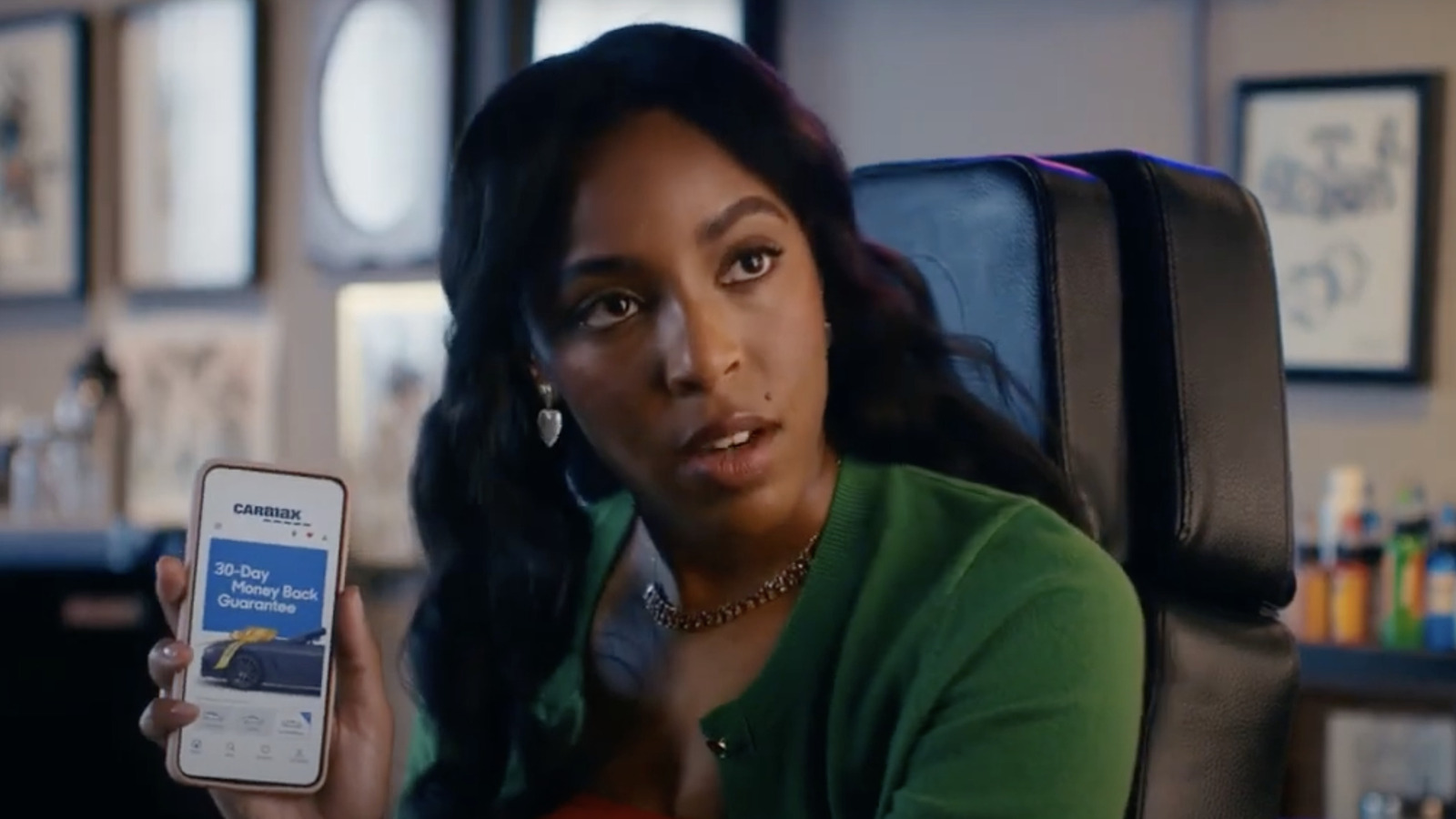
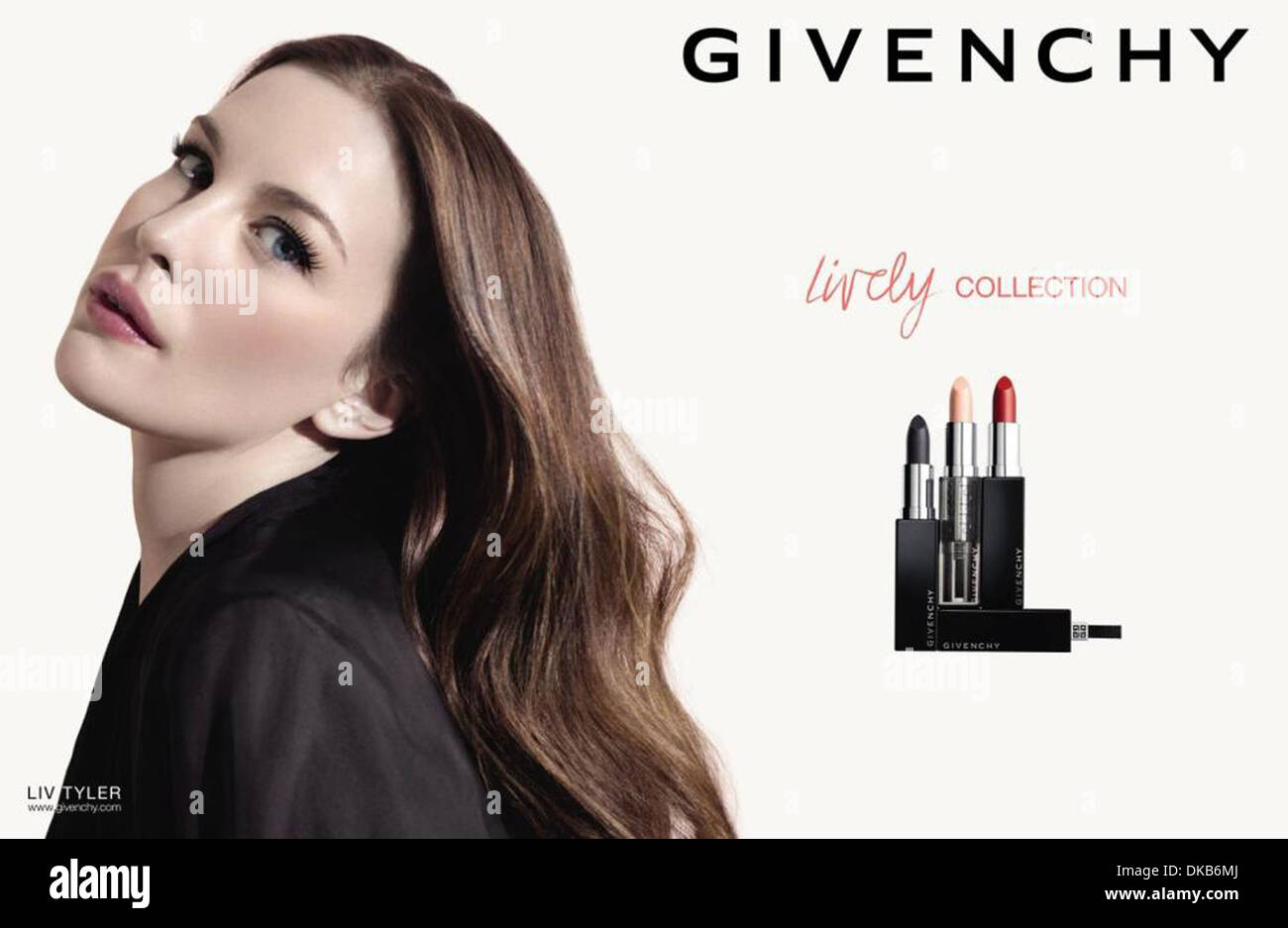
Advertising actresses are professional performers hired specifically to represent brands, products, or services through audiovisual media, including television commercials, digital video campaigns, and social media promotions. They serve as the human face of marketing campaigns, tasked with conveying brand identity, trustworthiness, and emotional resonance to a target audience within the constraints of short-form commercial content.
The use of actresses in advertising is a highly regulated and strategic component of modern brand management. Unlike traditional narrative acting, which focuses on long-form character development, advertising performance requires the ability to distill a brand’s value proposition into seconds of screen time. This process involves complex contractual obligations, specialized casting workflows, and adherence to regional advertising standards regarding truth in labeling and representation.
The Role and Responsibilities in Commercial Production
An advertising actress is rarely just a performer; she is an essential asset in a marketing funnel. Her primary responsibility is to embody the "ideal" consumer persona that the brand wishes to align with. This role requires versatility, as the performer must shift from authoritative spokesperson to relatable peer or aspirational figure depending on the campaign’s strategy.
Beyond the actual performance, the responsibilities often extend to product integration. An actress must be able to interact with a product—whether it is a piece of consumer electronics, a pharmaceutical device, or a food item—in a way that appears natural and compelling. This technical skill is known as "product handling" and is a critical factor during casting calls. She must maintain brand consistency while adhering to the technical specifications of the shoot, such as tight framing, precise timing for voiceover sync, and maintaining visual continuity across multiple takes.
Professional Prerequisites and Eligibility
Entering the field of commercial advertising requires more than raw talent; it necessitates a structured approach to professional representation and legal compliance. Most agencies and high-end production houses prioritize talent represented by recognized talent agencies. These agencies serve as the bridge between the actress and the casting directors, ensuring that legal and financial requirements are met.
Eligibility for professional roles generally hinges on a verified portfolio, commonly referred to as a "commercial reel." This reel must demonstrate an ability to handle different categories of advertising, such as beauty, lifestyle, and corporate testimonials. For actresses looking to operate in regulated markets, such as the United States or the European Union, being a member of a performers' union (such as SAG-AFTRA in the U.S.) is often a requirement for access to major union-sanctioned productions. Union membership provides a standardized framework for base pay, residual payments, and safety protocols on set.
Navigating the Casting and Booking Process
The pathway to securing an advertising role follows a rigid, highly competitive workflow. It begins with a "breakdown"—a detailed description of the role released by casting directors to talent agents. This breakdown specifies the required look, age range, performance style, and the "buyout" or usage rights associated with the contract.
Once selected for an audition, the actress must demonstrate "commercial appeal," which is the ability to present a brand message clearly and engagingly in a very short window. After the audition, the callback process narrows the field to a final few, where chemistry reads or product-handling assessments occur. If selected, the performer enters a contractual phase where "usage" is defined. Usage refers to the specific platforms (e.g., social media, broadcast television, streaming platforms) and the geographical territories where the advertisement will be aired. Compensation is strictly tied to these parameters, making the understanding of usage rights essential for any professional actress.
Financial Structures and Compensation Models
Compensation for advertising actresses is distinct from standard film or television rates. It is generally comprised of two main parts: the "session fee" and the "usage fee."
- Session Fee: This is the flat daily rate paid for the time spent on set filming the commercial. It is a guaranteed payment regardless of whether the advertisement eventually airs.
- Usage Fee (Residuals): This is the variable component of the income. It is calculated based on how long the ad runs, the size of the media buy (local versus national), and the platforms used.
In 2026, the complexity of digital media has made these contracts more intricate. A contract may specify "perpetual digital usage" for social media platforms while limiting television broadcast rights to a specific six-month cycle. Actresses must be aware that working for a direct competitor within a certain timeframe—often referred to as a "conflict"—can prevent them from auditioning for similar brands, which is a significant factor in managing a long-term career.
Comparison of Advertising Performance Types
| Performance Type | Primary Focus | Typical Duration | Usage Intensity |
|---|---|---|---|
| Spokesperson | Direct addressing, brand authority | 30–60 seconds | High (National/TV) |
| Lifestyle/Relatable | Natural, emotional connection | 15–30 seconds | High (Social/Digital) |
| Voiceover/Audio | Vocal tone, pacing, clarity | 10–30 seconds | Variable |
| Product Demo | Precision, physical handling | 15–45 seconds | Medium (Niche/Web) |
Legal and Ethical Considerations in Advertising
The representation of products and services is subject to strict legal oversight. Advertising actresses are often the first line of scrutiny; if a claim made in a commercial is found to be deceptive or unsubstantiated by regulatory bodies, the consequences can be severe for the advertiser. Consequently, actresses are increasingly required to sign affidavits confirming that they have used the product or that their testimonial is based on a genuine experience.
In 2026, the rise of synthetic media and AI-generated imagery has introduced new complications regarding "likeness rights." Actresses must now negotiate clauses that protect their digital image from being repurposed, modified, or synthesized without explicit permission. Ensuring that a contract includes protective language regarding the use of AI tools for "deepfake" or digital avatar reproduction is a modern necessity for those navigating this sector.
How to Manage Professional Risks
Maintaining a career in commercial advertising involves mitigating risks related to career longevity and financial stability. One of the primary risks is the "typecasting" trap, where an actress becomes so associated with a specific product or brand image that she is unable to secure roles in other genres. To combat this, successful professionals curate a portfolio that showcases range across diverse industries—moving from financial services to luxury cosmetics, for example.
Furthermore, performers must be diligent regarding their tax status and insurance. As independent contractors in most jurisdictions, advertising actresses are responsible for their own tax withholding and retirement planning. Professional liability insurance is also becoming standard for those who regularly represent high-stakes brands, protecting them against potential litigation stemming from the content of the advertisements they promote.
Frequently Asked Questions
What is the difference between a session fee and a buyout in advertising?
A session fee is the fixed daily wage for the physical work of filming. A buyout, or usage fee, is the payment for the right to use the actress’s image across specific media channels for a set period. One is for labor; the other is for the commercial value of the exposure.
Why are there conflicts in advertising contracts?
A conflict is a clause that prevents an actress from working for a competing brand within a specific timeframe. For example, if an actress appears in a commercial for a major bank, she will likely be contractually barred from appearing in a competitor’s advertisement for six to twelve months to protect the brand's exclusivity.
How do I build a commercial reel if I am new to the industry?
If you lack professional footage, you can create "spec" commercials. These are high-quality, self-produced clips that mimic professional advertising style, showcasing your ability to sell a product. Ensure these clips focus on clarity, timing, and professional lighting to meet industry standards.
Does union membership matter for advertising?
Yes. Membership in a union like SAG-AFTRA provides mandatory safety standards, standardized pay structures, and protection against unfair labor practices. While non-union work exists, union contracts offer the most reliable path for sustained professional development and legal protection.
Can an advertising actress be held liable for false claims in a commercial?
While the brand bears the primary legal responsibility, an actress can be held liable if she knowingly provides a false testimonial or participates in a campaign that violates truth-in-advertising laws. It is standard practice to consult legal counsel before signing any agreement that includes specific claims about product efficacy.
Next Steps for Aspiring Commercial Talent
For those looking to build a career in this field, the immediate next step is to secure high-quality headshots and a demo reel that specifically emphasizes commercial performance. Once these assets are ready, the focus should shift to identifying reputable commercial talent agencies that specialize in the type of advertising you intend to pursue. Do not attempt to navigate the complex world of usage rights and union contracts alone; working through a regulated agency is the most effective way to ensure professional longevity and financial protection.