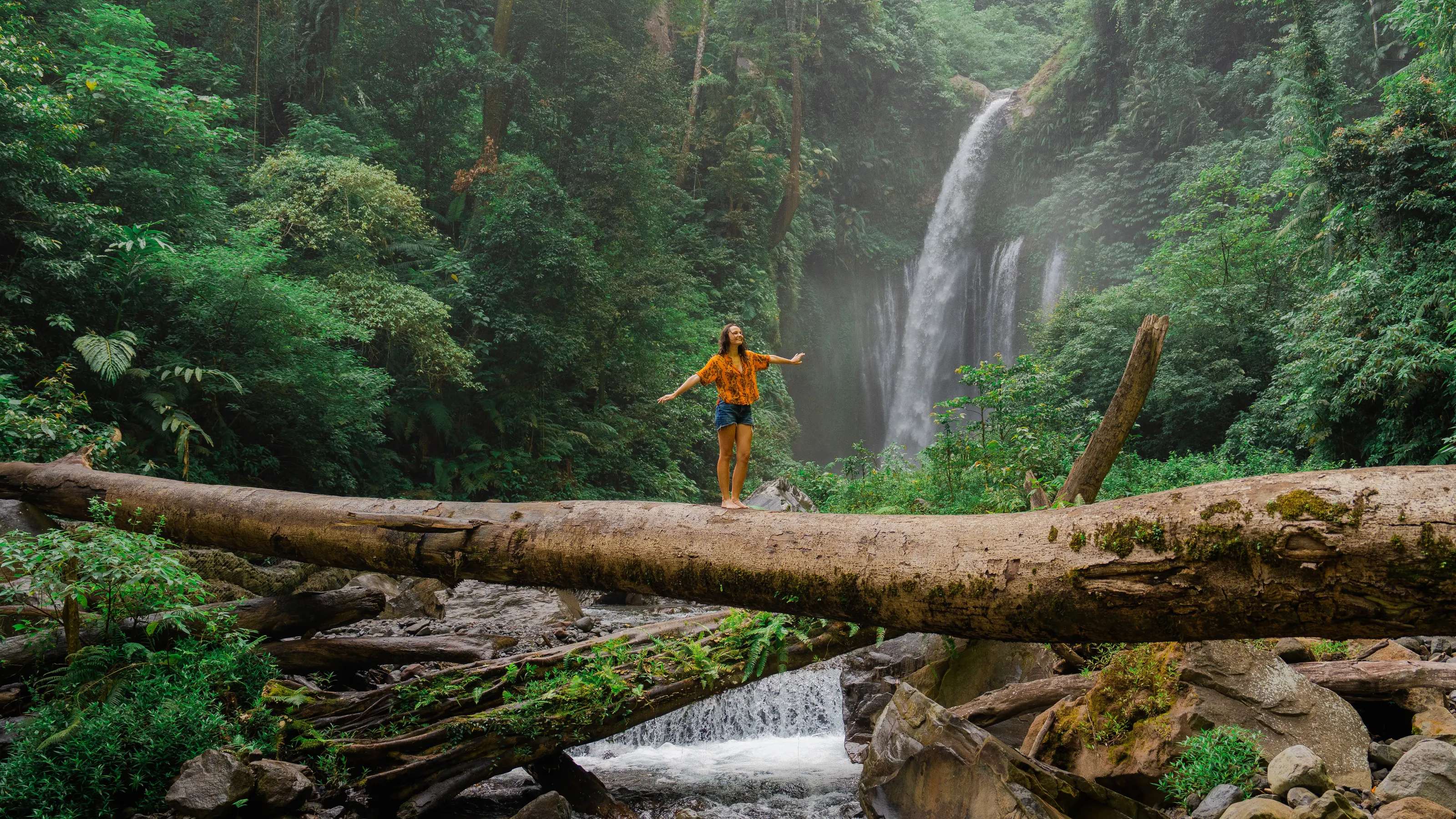
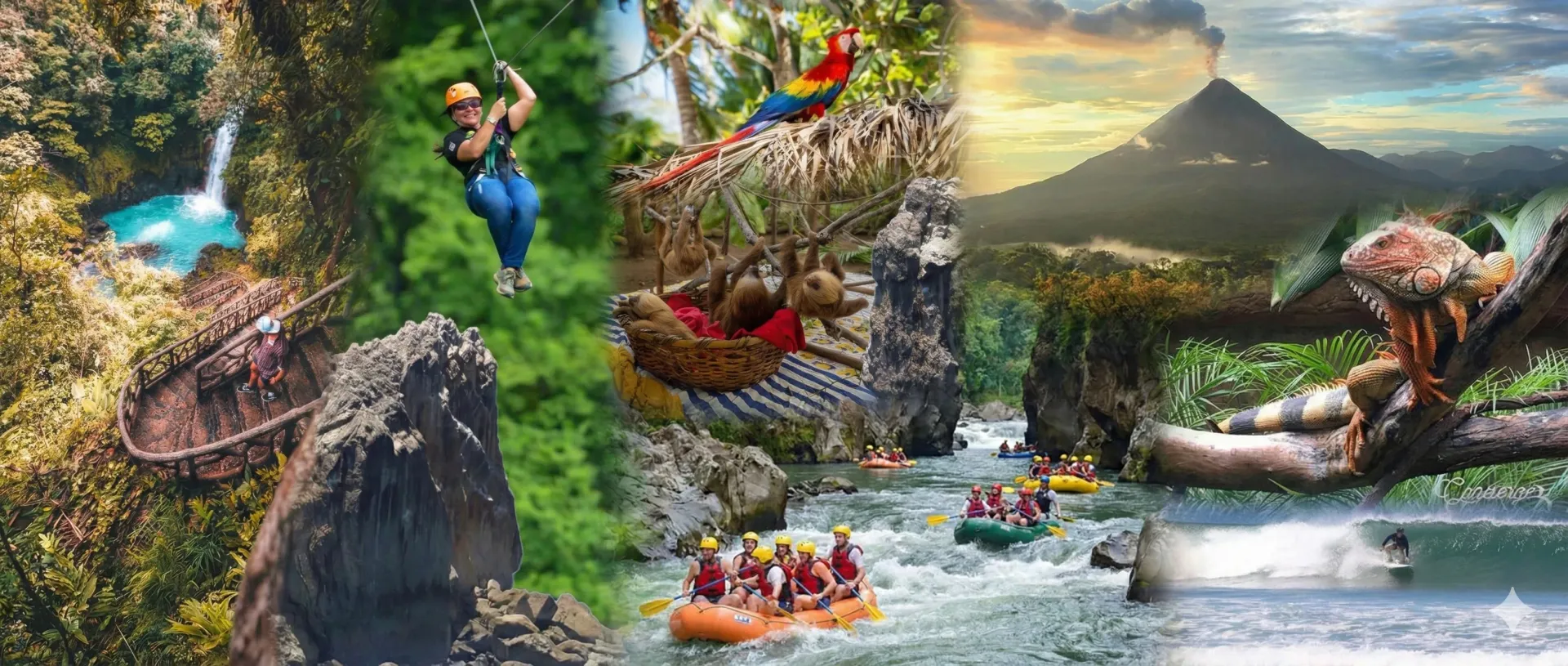
Adventure travel is defined by a deliberate pursuit of physical activity, cultural immersion, or engagement with natural environments that inherently involve a degree of risk and require specialized preparation. Successful participation hinges on accurate self-assessment, comprehensive logistical planning, the acquisition of appropriate technical gear, and the implementation of robust safety protocols to manage environmental and medical hazards.
Defining the Parameters of Adventure Travel
While tourism often emphasizes passive sightseeing, adventure travel is categorized by the inclusion of a "challenge" element. This may take the form of physical exertion, such as trekking, mountaineering, or white-water rafting; environmental exposure, such as desert expeditions or Arctic exploration; or cultural immersion that places the traveler outside their familiar comfort zone.
The industry generally segments these experiences into "soft" and "hard" adventure. Soft adventure requires minimal prior experience and offers a lower threshold of physical strain—examples include guided wildlife safaris or easy cycling tours. Hard adventure, conversely, demands significant technical proficiency, high levels of physical fitness, and often specialized equipment or certifications, such as scuba diving, backcountry skiing, or technical rock climbing. Distinguishing between these two levels is the first step in assessing whether a specific trip is appropriate for your skill set.
Prerequisites for Safe Engagement
Before booking an excursion, you must conduct an honest evaluation of your physical and psychological preparedness. Adventure travel often takes place in remote areas where medical facilities are non-existent or hours away. Pre-trip requirements typically include:
- Physical Conditioning: Specific training regimens should begin at least three to six months prior to departure. If your itinerary involves high altitude, training must include cardiovascular endurance and, if possible, simulated altitude exposure.
- Technical Skill Verification: For specialized activities like ice climbing or paragliding, operators will often require proof of certification (such as PADI for diving or NOLS-affiliated credentials for backcountry travel). Never overestimate your skill level; misrepresented experience endangers both you and your support team.
- Medical Screening: Consult with a travel medicine specialist to verify that your vaccinations are current and to discuss prophylactic medications for altitude sickness, malaria, or traveler's diarrhea.
Managing Logistics and Specialized Gear
Operational success in adventure travel relies on the quality and reliability of your equipment. Unlike standard tourism, you cannot expect to procure technical gear in remote, high-altitude, or wilderness environments.
Standard logistics management includes the creation of a "redundancy plan." For critical equipment—such as navigation tools (GPS devices, topographic maps, and compasses), water purification systems, and communication devices like satellite messengers—you must always carry a secondary backup. In 2026, the integration of satellite-based communication (such as Garmin inReach or similar Iridium-network devices) has become a standard requirement for remote travel, providing two-way messaging and SOS functionality regardless of cellular coverage.
Comparative Analysis of Adventure Trip Styles
Selecting the correct trip structure is vital for managing risk and ensuring the desired level of challenge. The following table provides a comparison of operational styles commonly found in the industry.
| Travel Style | Typical Support Level | Primary Risk Profile | Best Suited For |
|---|---|---|---|
| Fully Guided | High (Staff handled) | Operational/Weather | Beginners/High-risk terrain |
| Self-Supported | Low (Independent) | Navigation/Safety | Experienced backcountry travelers |
| Expeditionary | Specialized/High | Environmental/Medical | Experts/High-altitude/Remote |
| Hybrid/Flex | Medium | Variable | Intermediate skill development |
Navigating Risk and Insurance Coverage
Standard travel insurance policies often contain exclusions for "high-risk" activities. Many insurers classify activities like mountaineering above a certain elevation, cave diving, or solo trekking as "hazardous pursuits."
Before committing to a trip, you must verify that your insurance policy explicitly covers the specific activities in your itinerary. If a policy contains a "limit of liability" for high-altitude activities, ensure your planned maximum elevation remains within those bounds. In 2026, "Adventure Travel Insurance" has evolved to include specific riders for search and rescue (SAR) operations, which can cost tens of thousands of dollars if not pre-arranged. Always request the "Summary of Benefits" document to confirm if medical evacuation to the nearest adequate facility—not just the nearest hospital—is included in the coverage.
Addressing Common Challenges and Troubleshooting
The most frequent issues in adventure travel are related to sudden environmental changes and health deterioration.
- Altitude Sickness: Acute Mountain Sickness (AMS) can affect anyone, regardless of fitness. The primary troubleshooting step is "climb high, sleep low." If symptoms persist, descent is the only effective treatment. Do not attempt to mask symptoms with medication to continue ascending.
- Equipment Failure: In remote settings, improvised repairs are necessary. Carry a "field repair kit" that includes items specific to your gear, such as tenacious tape for fabric tears, multi-tools for mechanical adjustments, and high-strength cordage.
- Communication Blackouts: When relying on digital navigation, always carry physical backups. If your primary electronic device fails due to battery depletion or cold-weather-induced shutdowns, ensure you have the competence to navigate via paper maps and a compass.
Choosing Your Adventure
When selecting a provider or planning your route, prioritize transparency and safety certifications over cost. Reputable operators will provide detailed itineraries that include specific contingency plans for emergency evacuations.
If you are new to adventure travel, begin by engaging a reputable guide service that operates within your target environment. Use these initial trips as a learning experience to observe how experts manage risks, maintain equipment, and make decisions under pressure. Once you have built a foundation of competence and gained a realistic understanding of your personal limits, you may choose to move toward more independent or advanced expeditions. Remember that the goal of adventure travel is not just the completion of an itinerary, but the safe return of everyone involved.
Frequently Asked Questions
What certifications are usually required for hard adventure activities?
Requirements vary by activity. For example, scuba diving requires a PADI or SSI open-water certification; rock climbing may require evidence of lead-climbing proficiency; and remote trekking often mandates basic Wilderness First Aid (WFA) certification. Always clarify these requirements with your outfitter at least six months before departure.
How do I determine if my travel insurance covers extreme sports?
Read the "Exclusions" section of the policy document carefully. Look for terms like "mountaineering," "climbing," or "diving." If these are listed as excluded, contact the provider to ask for a "hazardous activity rider" to expand coverage to your specific trip activities.
Why is satellite communication necessary for remote travel?
Cellular networks rely on ground-based towers that are not present in wilderness or remote maritime areas. Satellite messengers connect directly to low-earth-orbit constellations, allowing you to send distress signals or check in with contacts from anywhere on the planet where you have a clear view of the sky.
What should I do if my local guide does not follow safety protocols?
Prioritize your personal safety. If you witness a disregard for established safety standards—such as skipping equipment checks or ignoring weather warnings—you have the professional right to decline further participation. Document the incident if possible and report it to the governing body or regulatory agency of the destination.
How can I prepare for altitude sickness before my trip?
Pre-trip preparation involves cardiovascular conditioning and, if possible, spending time at moderate elevations to acclimatize. During the trip, ensure gradual ascent and proper hydration. Consult a physician about acetazolamide (Diamox), which is commonly used to prevent and treat AMS, and ensure you understand the side effects and contraindications before relying on it.
What is the most common cause of failure in adventure expeditions?
The most frequent cause of failure is poor planning regarding environmental conditions. This includes underestimating the time required for travel, failing to account for weather-related delays, and neglecting to carry sufficient backup resources for medical or technical failures.