Adventure travel risk refers to the inherent physical, logistical, and environmental hazards associated with recreational activities in remote, high-altitude, or wilderness settings. Effectively managing these risks requires a structured approach to identifying potential dangers, evaluating the necessity of specialized equipment, and ensuring robust insurance coverage before departure.
Defining the Scope of Adventure Travel Risk
Adventure travel distinguishes itself from conventional tourism by involving a deliberate element of risk—often categorized as "soft" or "hard" adventure. Soft adventure might include guided wildlife safaris or light trekking, where the infrastructure provides a significant safety buffer. Hard adventure, by contrast, includes activities such as mountaineering, whitewater kayaking, or remote backcountry exploration, where participants are often exposed to environmental volatility and limited immediate access to medical facilities.
Understanding risk in this context involves three primary pillars: environmental hazards, human factors, and logistical failure. Environmental hazards include unpredictable weather patterns, altitude sickness in mountainous regions, or sudden hydrological shifts in river systems. Human factors encompass physical conditioning, technical skill levels, and psychological decision-making under stress. Logistical failures relate to issues such as substandard equipment maintenance, unverified local guides, or poor communication infrastructure in isolated territories.
Establishing a Risk Assessment Framework
Before departing, travelers should conduct a formal risk assessment. This begins with an evaluation of the "Exposure-Vulnerability-Capacity" model. Exposure describes the setting (e.g., high-altitude ice climbing versus coastal hiking), vulnerability describes the individual’s preparation and health status, and capacity refers to the available rescue services and medical resources in the host region.
A proactive approach requires documenting your itinerary to include the distance to the nearest Level 1 or Level 2 trauma center. In many adventure destinations, a rescue operation may take hours or days due to terrain limitations. Consequently, travelers must evaluate whether their own training—such as Wilderness First Aid (WFA) or Wilderness First Responder (WFR) certification—is sufficient to bridge the gap between injury and professional extraction.
Essential Components of Risk Mitigation
Mitigation is the practice of reducing the impact or likelihood of a negative event. It is rarely possible to eliminate risk entirely in adventure travel; instead, the goal is to manage it to an "acceptable level."
- Equipment Verification: Ensure that all technical gear, such as climbing harnesses, ropes, or satellite communication devices (e.g., Garmin inReach or Zoleo units), meets current International Climbing and Mountaineering Federation (UIAA) or relevant safety standards.
- Professional Credentials: When hiring guides, verify their certification through internationally recognized bodies such as the International Federation of Mountain Guides Associations (IFMGA). Do not rely solely on third-party marketing testimonials; request direct confirmation of their current certifications and insurance liability coverage.
- Physical Preparation: Progressive training in the months leading up to the trip significantly reduces injury risk, particularly for activities involving high metabolic demands or long periods of exertion in cold or thin-air environments.
Risk Comparison by Adventure Activity
The following table summarizes relative risk considerations across common adventure travel categories as of 2026.
| Activity | Primary Risk Factor | Required Safety Infrastructure | Typical Mitigation |
|---|---|---|---|
| Mountaineering | Hypoxia/Avalanche | Fixed lines, oxygen, rescue team | Certification, local guides |
| Whitewater Sports | Drowning/Trauma | PFDs, throw bags, satellite comms | Skill assessment, group scouting |
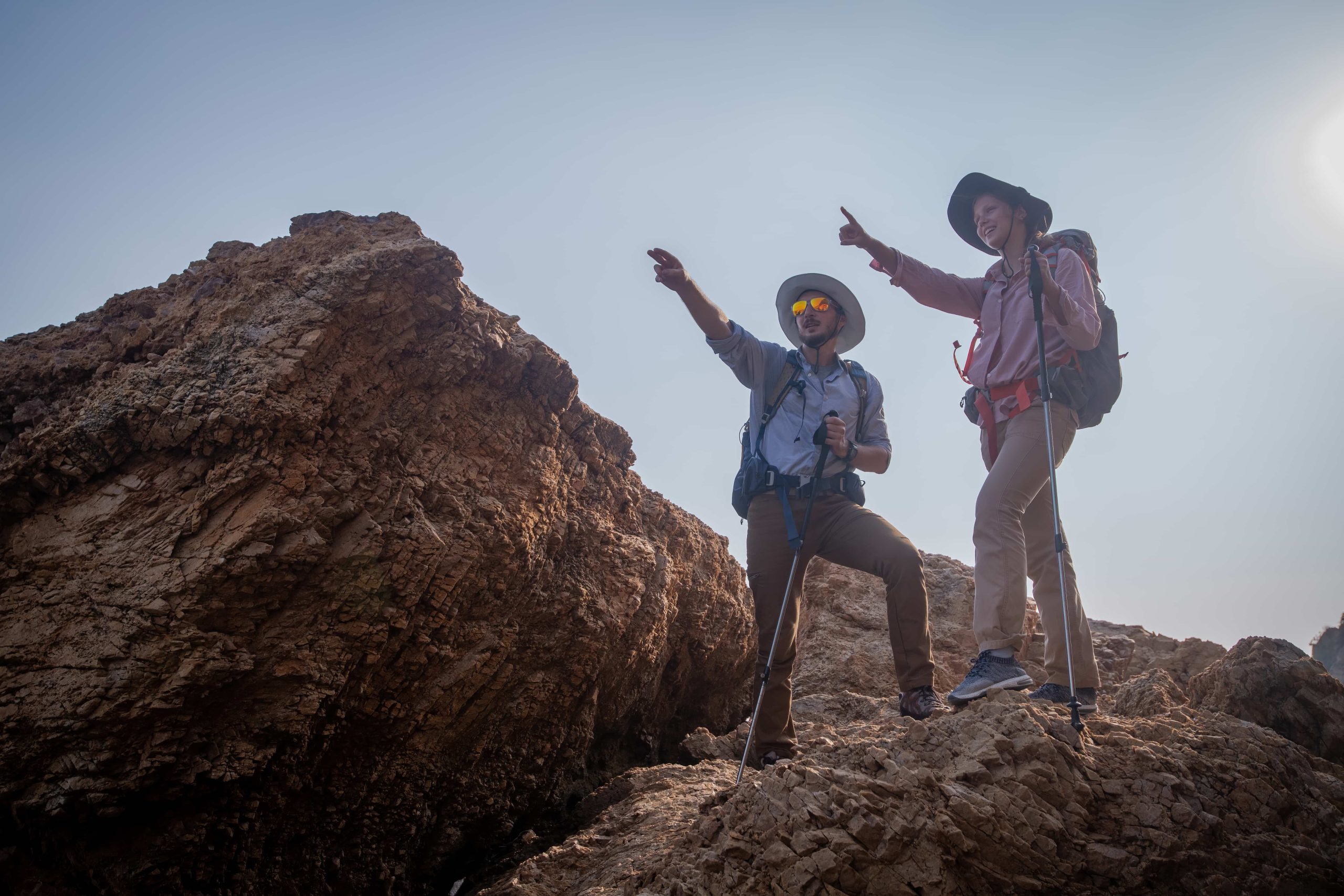
| Trekking (Remote) | Dehydration/Exposure | Evacuation plan, satellite phone | Proper layering, pace control |
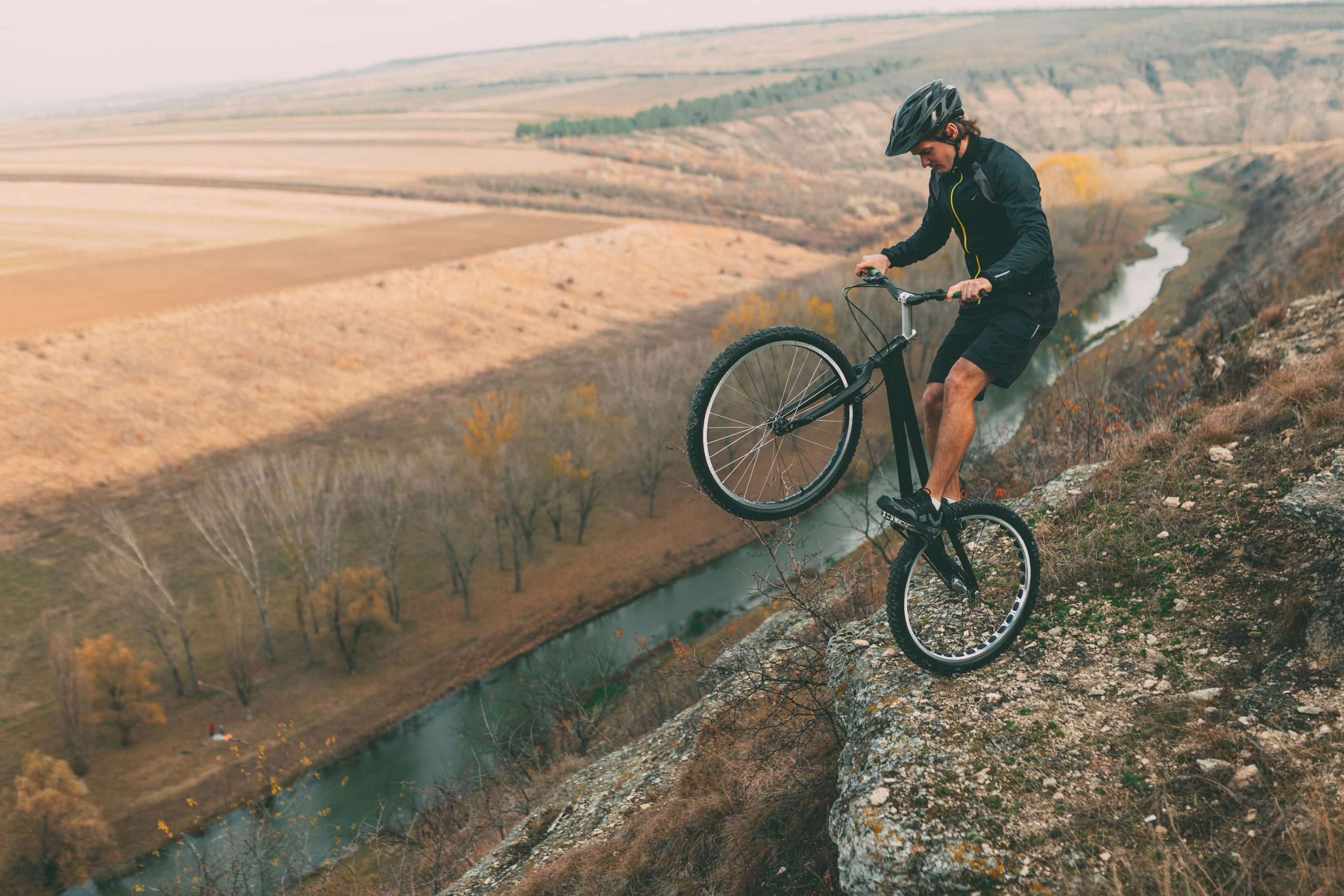
| Mountain Biking | High-impact injury | Helmet, armor, GPS tracking | Trail scouting, mechanical check |
| Scuba Diving | Decompression sickness | Oxygen kit, decompression table | Dive insurance, buddy system |
The Role of Specialized Insurance
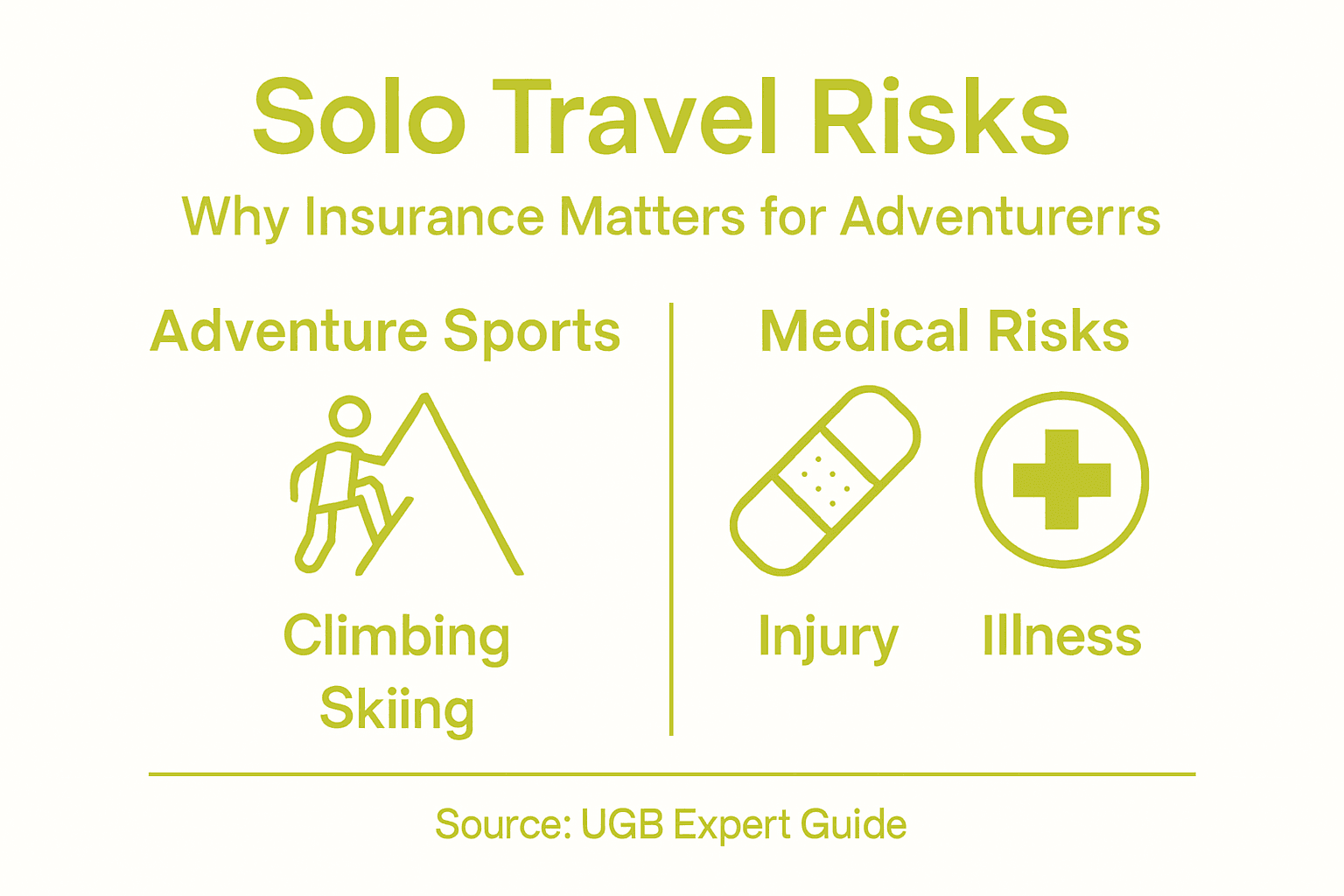
Standard travel insurance policies often contain exclusions for "high-risk" or "extreme" activities. A common mistake is assuming that "comprehensive" medical coverage applies to mountaineering above a certain altitude (often 3,000–4,500 meters) or to search-and-rescue operations.
When selecting insurance, prioritize policies that explicitly include "adventure sports" as a covered category. Verify the specifics regarding:
- Search and Rescue (SAR): Ensure the policy covers the cost of helicopter extraction, which can easily exceed $20,000 in remote regions.
- Medical Evacuation: Check if the policy provides for "repatriation to home country" versus "transfer to the nearest medical facility."
- Sport-Specific Exclusions: Many policies differentiate between recreational hiking and technical climbing. If you are using ice axes or crampons, ensure the policy covers "technical mountaineering" rather than just "hiking."
Always retain a digital and physical copy of your policy number, emergency assistance phone numbers, and the requirements for triggering a claim while in the field.
Addressing Human Factors and Decision Fatigue
A significant portion of adventure travel incidents stems from cognitive biases, such as the "summit fever" phenomenon, where the pressure to complete an objective overrides rational safety checks. In 2026, many professional expedition companies mandate "turnaround times"—fixed moments in the day when the group must descend regardless of their proximity to the target. Establishing these hard limits before the physical exertion begins is a primary strategy for preventing bad decision-making in the moment.
Fatigue also impairs judgment. When planning an itinerary, include rest days to account for acclimatization or recovery. Attempting an aggressive schedule in the first 48 hours of arriving at a high-altitude location is a frequent precursor to altitude-related illness, which can rapidly diminish a traveler's ability to navigate terrain safely.
Frequently Asked Questions
How do I know if my travel insurance covers technical adventure sports?
You must review the "Exclusions" and "Sport Activities" sections of the Policy Wording document. If the document does not explicitly list the activity (e.g., "rock climbing with ropes"), contact the insurer’s underwriting department to obtain written confirmation. Do not rely on verbal assurances from sales representatives.
What is the difference between a satellite messenger and a satellite phone?
A satellite messenger, like the Garmin inReach, allows for two-way text messaging and GPS tracking, and includes an SOS button to reach the International Emergency Response Coordination Center (IERCC). A satellite phone allows for voice calls. While both are critical in remote zones, messengers are often more reliable in low-signal environments because they require less bandwidth for a distress alert.
Are local adventure guides required to be insured?
Regulations vary by jurisdiction. In some regions, local operators are required to hold public liability insurance; in others, there is no such requirement. As a traveler, you should treat the lack of verifiable insurance for an operator as a significant risk, as it may leave you with no recourse in the event of an accident or equipment failure.
Should I take a medical course before my trip?
Yes. At minimum, an American Red Cross or similar organization's Wilderness First Aid (WFA) course provides the foundational knowledge to manage common injuries in environments where professional help is delayed. These courses teach stabilization, basic triage, and when to initiate an evacuation.
Next Steps for Planning
Before booking your next adventure, categorize your planned activities by intensity. Create a checklist that includes:
- Verification of professional credentials for all hired guides or agencies.
- Confirmation of insurance coverage that explicitly names your specific activities.
- A written safety plan that outlines your emergency contact, evacuation routes, and communication protocols.
- A pre-trip equipment audit to ensure all safety-critical gear is within its service life and free of structural damage.