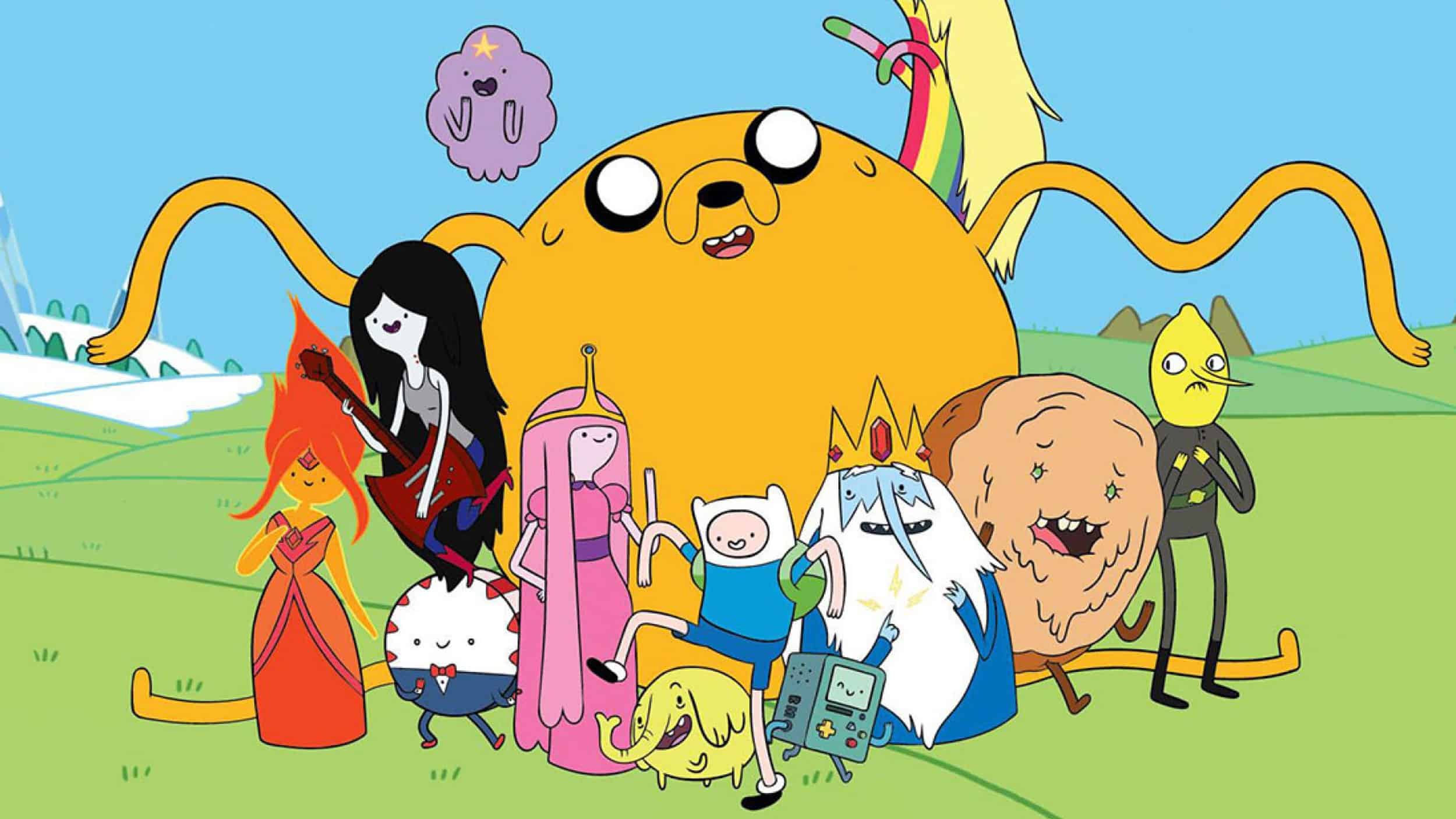
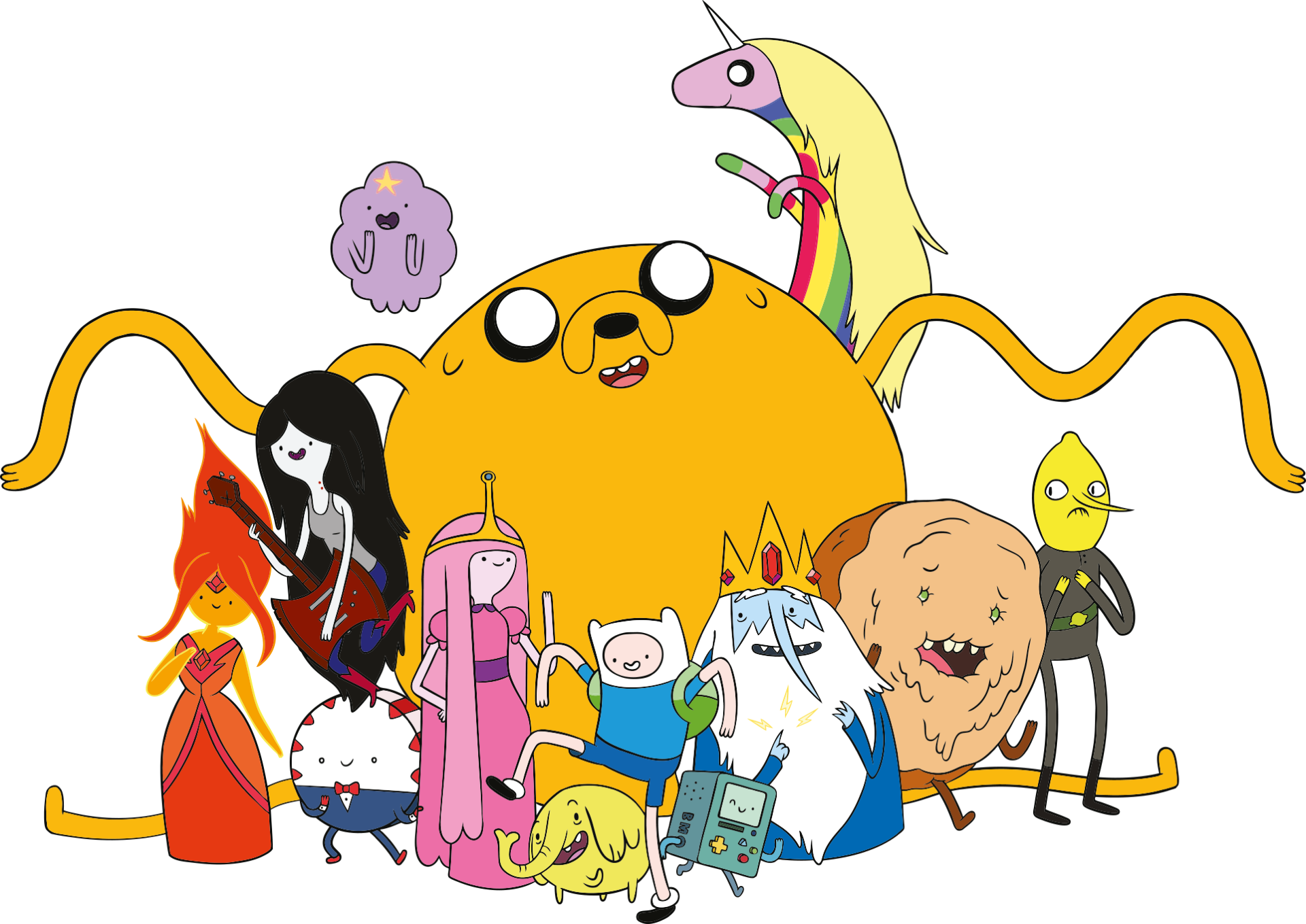
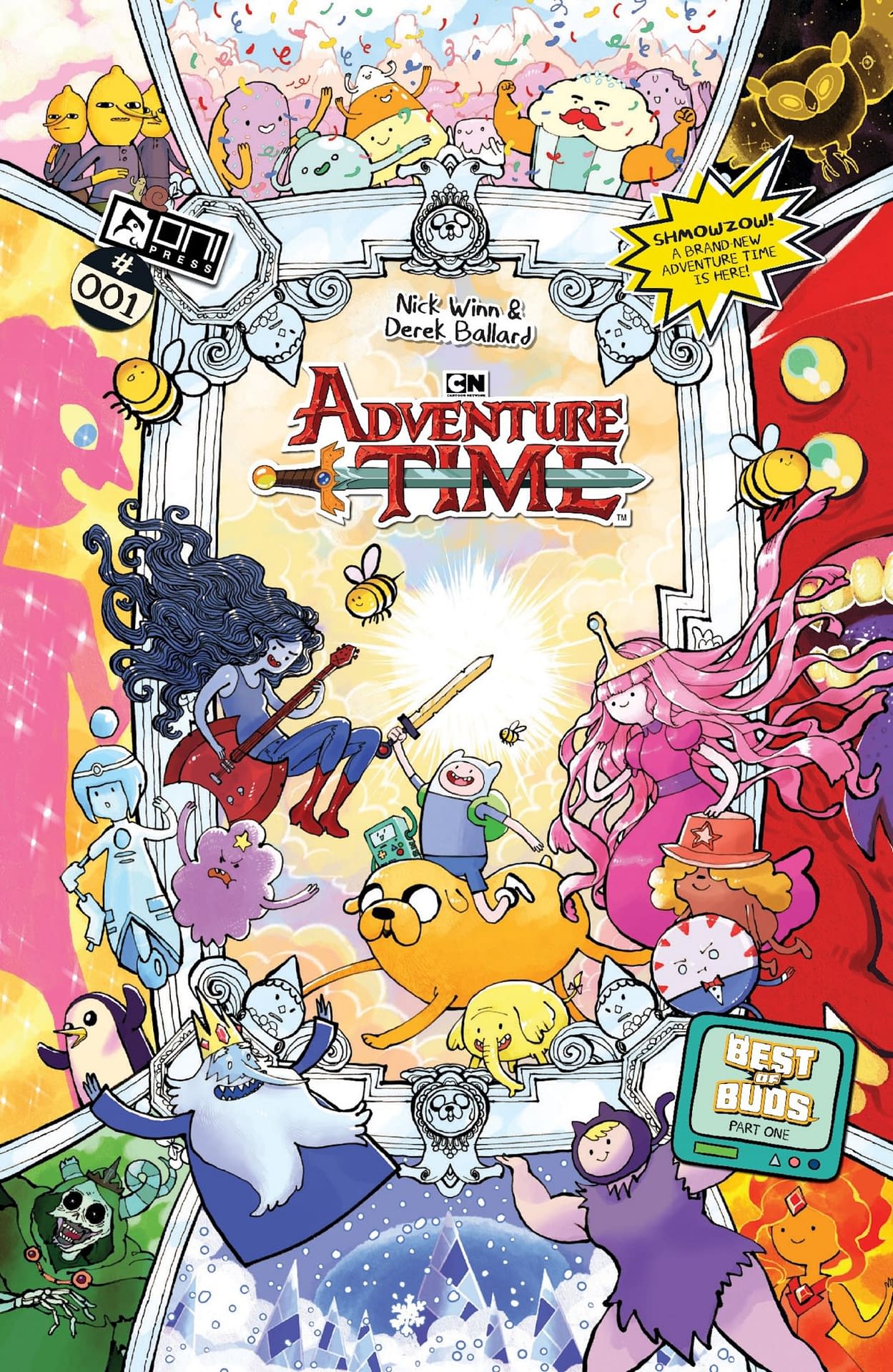
Adventure Time is an influential American animated television series created by Pendleton Ward for Cartoon Network, which originally aired from 2010 to 2018. The show follows the post-apocalyptic adventures of a human boy named Finn and his adoptive brother Jake, a dog with magical shape-shifting abilities, as they explore the vibrant and mysterious Land of Ooo.
The Origins and Narrative Framework
The series began as a pilot produced for Frederator Studios' Nicktoons Network, which eventually caught the attention of Cartoon Network. When it premiered in April 2010, the show was characterized by its bright, surreal art style and seemingly simple premise. However, as the seasons progressed, the narrative expanded into a sophisticated, multi-layered mythology.
Set a thousand years after a nuclear conflict known as the "Mushroom War," the Land of Ooo is a world reconstructed from the detritus of modern humanity. This historical backdrop serves as the emotional anchor of the series, shifting the tone from whimsical fantasy to a poignant exploration of aging, loss, and the cyclical nature of civilization. For viewers looking to understand the show, recognizing this post-apocalyptic foundation is essential to interpreting the behavior of characters like the Ice King or the remnants of human technology scattered throughout the landscape.
Exploring the Land of Ooo: Key Locations and Character Dynamics
The world-building of Adventure Time relies on distinct biomes, each governed by unique political or social structures. The Candy Kingdom, ruled by Princess Bubblegum, represents the height of scientific advancement and societal order, often acting as a contrast to the more chaotic or mystical regions of the continent.
Finn and Jake operate as heroes-for-hire, residing in a treehouse that sits at the intersection of these various territories. The relationship between the two is the primary driver of the series; while Finn grows from a young boy into a mature adult throughout the show's run, Jake provides a grounded, albeit whimsical, influence that highlights the transition from childhood curiosity to the complexities of adulthood. Understanding these character arcs is vital, as the show is not episodic in a static sense but rather a continuous documentation of Finn’s development.
Technical and Aesthetic Evolution
Adventure Time is noted for its visual progression. The initial aesthetic was defined by clean lines and vibrant, saturated colors, heavily influenced by tabletop role-playing games like Dungeons & Dragons. As the series evolved, the animation team—led by various directors and artists—began experimenting with non-traditional animation techniques, including rotoscoping, stop-motion, and distinct stylistic shifts during guest-animated episodes.
This commitment to visual innovation mirrored the writers' approach to storytelling. By mid-series, the show began to eschew the traditional "villain of the week" structure in favor of long-form arcs. These arcs often explored the backstories of secondary characters such as Marceline the Vampire Queen and Princess Bubblegum, providing depth that allowed the audience to engage with the show on a more intellectual level.
Comparative Analysis of Series Components
To appreciate the depth of the series, it is useful to compare its thematic phases. The following table highlights the evolution of the show’s primary narrative objectives over its decade-long presence in media.
| Series Period | Primary Tone | Narrative Focus | Character Growth |
|---|---|---|---|
| Early Seasons (1-2) | Whimsical/Absurdist | Adventure/Exploration | Childhood Wonder |
| Mid Seasons (3-6) | Character-Driven | Lore/Mythology | Adolescent Identity |
| Late Seasons (7-10) | Philosophical/Complex | Existentialism/Legacy | Adult Responsibility |
The Legacy of the Series and Expanded Media
Following the conclusion of the main series in 2018, the intellectual property expanded through Adventure Time: Distant Lands, a series of specials produced for streaming platforms, and Adventure Time: Fionna and Cake, which targets an older demographic. These additions serve as both a post-script to the original story and an exploration of the multiverse, a concept heavily integrated into the show’s final seasons.
For researchers or enthusiasts evaluating the series today, these sequels are not merely spin-offs but necessary components for a complete understanding of the franchise's resolution. They address unresolved plot points and provide closure for the primary cast, emphasizing themes of time, cosmic permanence, and the inevitable change that all characters must face.
Navigating Common Misconceptions
One frequent point of confusion for new viewers is the perceived "randomness" of the dialogue and humor. Critics and fans alike have noted that what may appear as nonsense is often a deliberate linguistic style meant to mimic the evolving slang of children and teenagers. Furthermore, the show’s depth is often overlooked by those who watch only early, lower-budget episodes. To properly appreciate the series, one must acknowledge that the "cringe" or "silliness" of the early run is a deliberate setup for the gravitas found in the show's conclusion.
Another misconception involves the chronological order of the lore. While the show presents events in a linear fashion for the protagonist, the history of the Mushroom War is presented through "archaeological" fragments—objects, ruined cities, and character memories. These elements are not provided in a tutorial-like manner but must be pieced together by the viewer, rewarding attentive and sequential watching.
Practical Viewing Guidelines for 2026
In 2026, the series remains accessible across major streaming libraries. If you are approaching the series for the first time, consider the following approach:
- Sequential Viewing: Do not skip early episodes. While they feel simple, they establish the rules of magic, the geography of the Land of Ooo, and the emotional baseline for later, more intense episodes.
- Contextual Awareness: Pay attention to background details. Many of the most significant revelations regarding the history of Ooo are visual rather than verbal.
- Thematic Continuity: Approach the series as a bildungsroman (a coming-of-age story). The transition of Finn from a child to a young adult is the central "task" of the show.
- Utilize Supporting Media: Once the original 10 seasons are completed, prioritize Distant Lands before moving into the more mature Fionna and Cake series, as the latter assumes a high level of familiarity with the series finale.
Next Steps for Enthusiasts
If you have completed the series and wish to explore the production history further, look for archival interviews with the production staff at Frederator Studios. These resources provide significant insight into how the writing room navigated the transition from episodic children's television to serialized, high-concept storytelling. Additionally, reviewing the art books published in the years following the show's conclusion offers a verified look at the technical specifications of the character designs and the evolution of the color palettes used throughout the series' ten-year broadcast history.