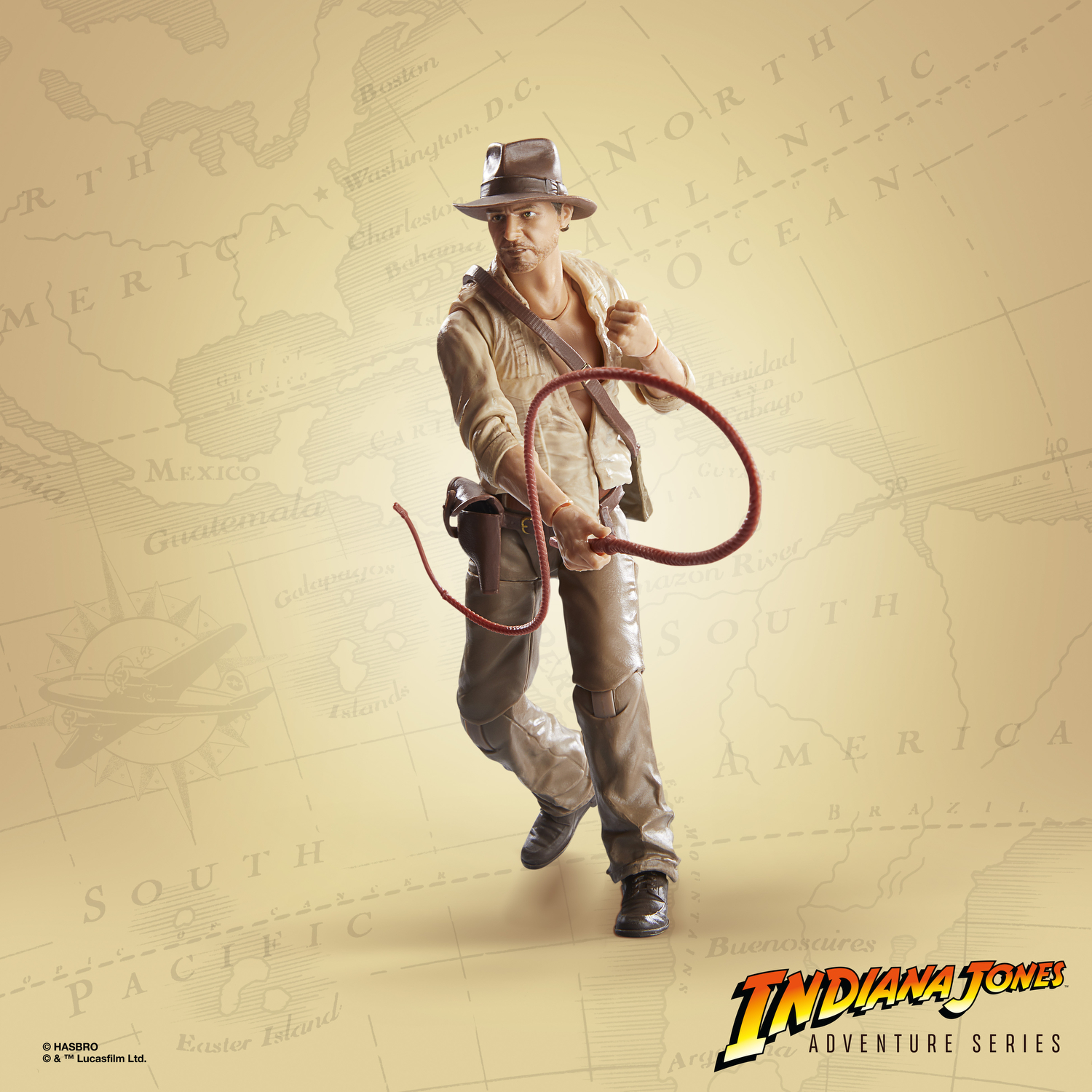
Adventure film series define a unique cinematic category characterized by grand-scale quests, exotic locales, and protagonists thrust into perilous situations that test their endurance, morality, and resourcefulness. These multi-film narratives provide a structured framework for long-form storytelling, allowing directors and screenwriters to develop complex character arcs while maintaining the high-stakes pacing and escapist spectacle that define the genre.
The term "adventure film series" refers to a sequence of feature-length motion pictures sharing a narrative universe, recurring protagonists, or a consistent thematic approach to exploration and discovery. Unlike singular adventure films, series leverage serialized momentum, enabling audiences to follow heroes across multiple chapters of their lives. From the serialized cliffhangers of the early 20th century to the interconnected cinematic universes of 2026, these franchises have remained a cornerstone of global popular culture, balancing historical influences with evolving technical standards in visual effects and sound design.
Core Characteristics of the Adventure Franchise
At the heart of every successful adventure film series is a clear set of structural conventions. These elements work in tandem to provide a sense of continuity that encourages audience investment over decades. While tone and subject matter vary—ranging from historical archeology to space exploration—the fundamental architecture remains consistent.
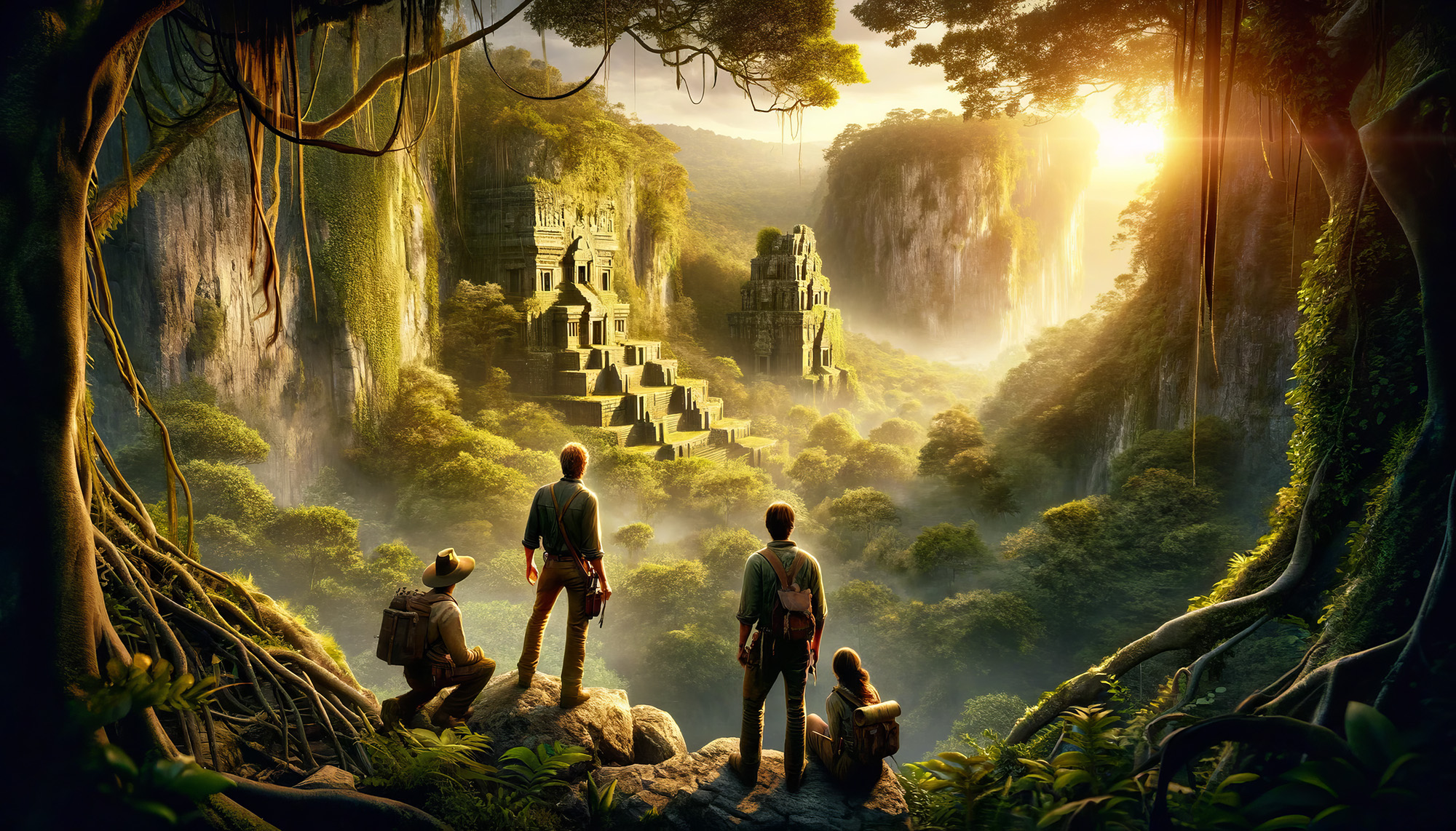
The most prominent feature is the quest narrative. Whether searching for a lost civilization, a mythological artifact, or a way home, the protagonist is almost always driven by an external goal that forces them out of their comfort zone. This movement through diverse geographical or existential landscapes is what separates adventure from pure action or thriller genres. In a series format, this often results in a "travelogue" quality, where each entry introduces new, visually distinct environments that serve as characters in their own right.
Furthermore, these films rely heavily on the "hero’s journey" archetype, as popularized by Joseph Campbell. In a series, this journey is not completed in one film; it is iterative. A character may start as a reluctant participant in the first installment, evolve into a mentor by the third, and eventually pass the mantle or face a final reckoning in the concluding chapters. This long-form development allows for a deeper emotional resonance than standalone features can typically achieve.
Historical Foundations and Evolution
The lineage of the adventure film series can be traced back to early 20th-century "chapter plays" or serials shown in cinemas. These low-budget, weekly installments used cliffhangers to ensure repeat attendance. As production values increased in the mid-20th century, the genre migrated toward the "blockbuster" model, where high-budget sets, location shooting, and practical stunts became the standard.
By the 1980s, the modern adventure series hit its stride, focusing on charismatic leads who balanced vulnerability with extraordinary competence. These films often drew inspiration from 1930s pulp fiction, revitalizing the spirit of exploration with modern sensibilities regarding pace and stakes. By the turn of the century, the genre integrated advanced Computer-Generated Imagery (CGI), allowing filmmakers to depict environments and scenarios that were previously impossible to film on location. In 2026, the focus has shifted toward balancing these high-end digital effects with "authentic" location work and tactile cinematography, ensuring that the spectacle remains grounded in a sense of physical reality.
Comparative Framework: Classic vs. Modern Series
To understand how adventure series operate, it is helpful to compare the production priorities of traditional series versus contemporary models. The following table highlights these distinctions.
| Feature | Classic Adventure Series | Modern Adventure Series |
|---|---|---|
| Visual Approach | Practical stunts and location shooting | Hybrid of CGI and practical effects |
| Narrative Scope | Self-contained mission per film | Overarching multi-film story arc |
| Character Focus | The lone heroic archetype | Ensemble casts and character dynamics |
| Release Schedule | Long intervals (3–5 years) | Rapid release or expanded spin-offs |
| Engagement | Theatrical exclusivity | Multi-platform, transmedia expansion |
Technical and Operational Prerequisites
Producing or sustaining an adventure film series requires significant logistical coordination. Unlike smaller-scale productions, these films operate as massive engineering projects. Key requirements include:
- Geographical Logistics: Adventure films often require shooting in multiple international jurisdictions. This involves securing film permits, navigating import/export laws for specialized equipment, and ensuring the safety of crews in remote environments.
- Safety and Stunt Coordination: Because the genre relies on physical exploration, safety protocols for stunt performers and actors are paramount. This involves rigorous pre-visualization, where stunts are choreographed digitally before being attempted in real-world conditions.
- Narrative Continuity Management: For a series to remain coherent, production teams must manage a "series bible"—a comprehensive document tracking character histories, world-building rules, and unresolved plot threads. This prevents continuity errors, which are common in long-running franchises.
- Sustainability and Impact: Modern production mandates in 2026 require that film crews minimize their footprint when shooting in sensitive or protected environments, necessitating close collaboration with local environmental authorities and indigenous communities.
Balancing Spectacle with Storytelling
A common pitfall in the adventure genre is the "spectacle trap," where the visual output of the film overrides the narrative core. When a series relies exclusively on larger explosions or more complex CGI, the stakes often feel detached from the protagonist’s personal development.
Successful series mitigate this by keeping the core conflict human-centric. Even when a character is fleeing a collapsing ruin or navigating a supernatural threat, the scene must serve the character's internal transformation. If the audience does not care about the person navigating the danger, the spectacle loses its meaning. The best-regarded franchises use the "adventure" as a metaphor for the hero’s internal evolution, ensuring that the physical obstacles mirror the psychological hurdles the protagonist must overcome.
FAQ: Navigating the Genre
How do studios decide if an adventure film warrants a series?
Studios typically look for "world-building potential"—the ability of the setting to sustain multiple stories. If a film’s mythology, characters, or lore contain sufficient depth to justify secondary stories, it becomes a candidate for franchise development.
What is the difference between an adventure series and an action series?
While they overlap, an action film focuses primarily on conflict and tactical engagement. An adventure film focuses on exploration, discovery, and movement through an environment. If the goal is "survival" or "conquest," it leans toward action; if the goal is "discovery" or "reaching a destination," it is likely adventure.
How are locations chosen for these films?
Location scouts prioritize environments that provide "visual contrast"—moving from arid deserts to dense jungles, for example. In 2026, digital scouting tools allow teams to pre-visualize these locations, assessing both the aesthetic potential and the logistical feasibility of moving large crews to those spots.
Why do some adventure series fail to maintain momentum?
Failure often stems from "narrative fatigue," where the stakes become increasingly abstract or repetitive. When the hero faces the same type of threat repeatedly without significant growth, or when the "MacGuffin" (the object of the quest) becomes less compelling, audience interest tends to wane.
Strategic Selection and Viewing
For those interested in exploring the depth of the adventure film genre, the recommendation is to prioritize series that exhibit a clear shift in character stakes between the first and final entries. Start by analyzing the original installment to understand the "baseline" world-building, then track how the secondary and tertiary entries evolve the protagonist’s philosophy. Pay attention to how the technical approach—specifically the use of cinematography—changes to reflect the hero’s maturation or the increasing scale of the world they inhabit. By viewing these series as a single, long-form narrative rather than a collection of episodes, you gain a better appreciation for the meticulous planning required to keep a grand adventure coherent over several years.