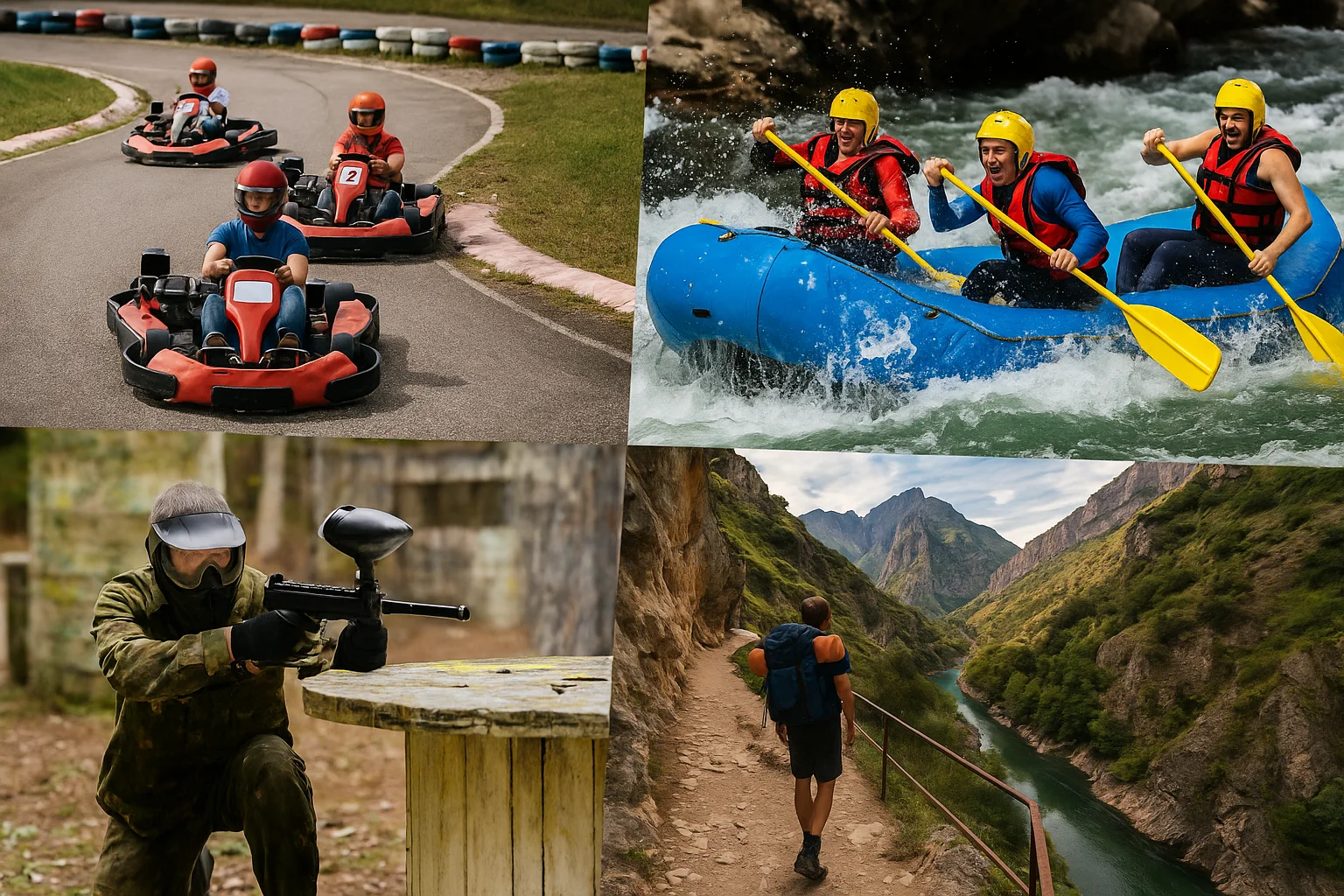
Adventure activities encompass physically demanding outdoor pursuits ranging from mountaineering and whitewater rafting to skydiving and technical cave exploration. Success in these endeavors relies on rigorous risk assessment, adherence to standardized safety protocols, proper selection of certified equipment, and an honest evaluation of individual physical capabilities versus environmental conditions.
Defining the Scope of Adventure Tourism
The term "adventure activities" is broad, often categorized by the level of technical skill required and the inherent environmental risks involved. While recreational hiking may be considered a light adventure, high-stakes activities involve specific equipment, specialized training, and significant exposure to natural hazards. In the context of modern tourism and professional guidance, these activities are typically bifurcated into soft adventure, which requires minimal training, and hard adventure, which demands significant physical exertion and technical proficiency.
Understanding this distinction is vital for participants. Soft adventures, such as guided nature walks or sea kayaking in calm waters, generally have lower barriers to entry. Hard adventures, such as ice climbing or multi-day backcountry trekking, require a foundational knowledge of safety systems, rescue signaling, and navigation. Regardless of the category, every activity operates under the principle of managed risk: the goal is not to eliminate all danger, which is impossible in an uncontrolled natural environment, but to reduce the probability of incident through informed decision-making.
Prerequisites for Participation
Before committing to an adventure activity, individuals must verify three primary components: physical readiness, equipment integrity, and professional guidance.
- Physical Assessment: Adventure activities impose unique stressors on the cardiovascular and musculoskeletal systems. Participants should evaluate their aerobic capacity and joint stability relative to the intensity of the trip.
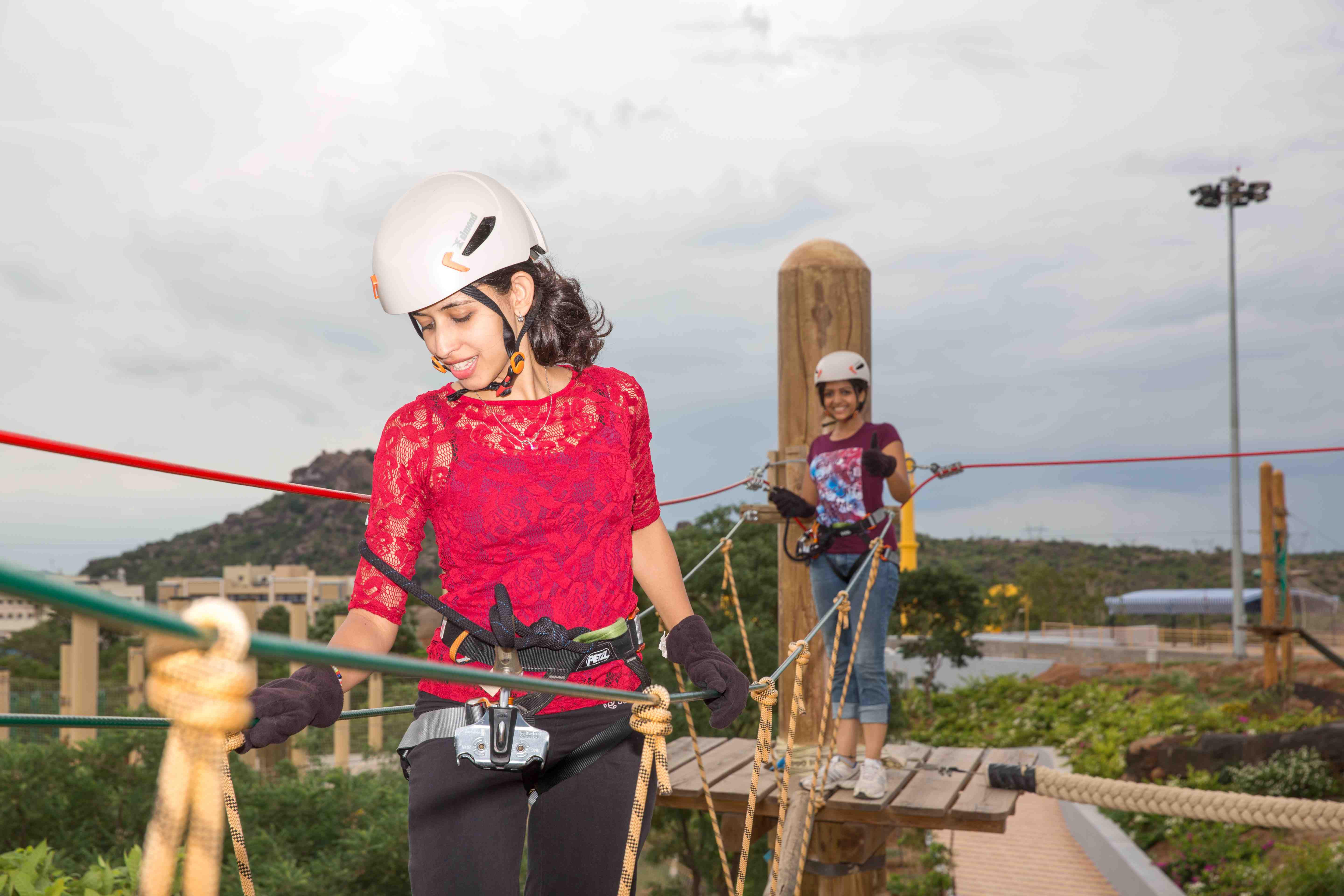
- Technical Proficiency: If an activity involves ropes, specialized watercraft, or navigation gear, participants must possess verified competence. Do not attempt technical maneuvers for the first time in an uncontrolled environment.
- Professional Licensing: In many jurisdictions, reputable operators of adventure activities must carry liability insurance and employ guides certified by national or international bodies, such as the International Federation of Mountain Guides Associations (IFMGA).
Risk Management and Environmental Awareness
The primary differentiator between a safe adventure and a critical incident is the quality of the risk management strategy. Adventure activities are subject to dynamic environmental variables, including rapid weather shifts, unstable geological features, and unpredictable water flow rates.
Experienced participants utilize a "Go/No-Go" checklist. This involves evaluating current weather reports against the equipment available and the group’s collective experience level. If conditions exceed the pre-determined thresholds for safety, the only acceptable action is to postpone or cancel the activity. Relying on professional guides is often the most effective method for novices to learn these observation techniques, as guides are trained to identify environmental indicators—such as cloud formations signaling a storm or shifting ice—that may be invisible to an amateur.
Comparative Overview of Adventure Activities
Choosing the right activity requires understanding the balance between required technical skill and the level of physical conditioning needed. The following table provides a high-level comparison to aid in selection.
| Activity | Technical Barrier | Physical Intensity | Primary Risk Factor |
|---|---|---|---|
| Coastal Kayaking | Low-Moderate | Moderate | Hypothermia, tides |
| Mountaineering | High | Extreme | Altitude sickness, falls |
| Whitewater Rafting | Moderate | Moderate-High | Entrapment, capsizing |
| Rock Climbing | High | High | Equipment failure, falls |
| Mountain Biking | Moderate | High | Trauma, navigation error |
This table is a simplified guide. Any of these activities can escalate in difficulty depending on the specific location, the time of year, and the chosen route. Always research specific site-level challenges before booking or departing.
Legal and Insurance Considerations
Participation in adventure activities frequently involves signing a liability waiver. These documents serve to inform participants of the inherent risks—a legal concept known as "assumption of risk"—whereby the participant acknowledges that certain dangers cannot be fully mitigated. However, a waiver does not excuse an operator from gross negligence.
Before booking, ensure that your personal insurance policy covers "high-risk" or "adventure" activities. Many standard travel or health insurance plans contain exclusions for injuries sustained during activities like rock climbing, paragliding, or scuba diving. Supplemental coverage specifically for adventure sports is often available and is strongly recommended for those engaging in activities that carry a high statistical probability of injury.
Common Mistakes and How to Avoid Them
The most frequent cause of accidents in adventure settings is the "summit fever" mentality, or the psychological drive to complete an objective despite mounting evidence that it is unsafe. To avoid this, set clear turnaround times for every outing. If you have not reached a specific landmark by a pre-determined hour, turn back regardless of your progress.
Another common failure point is equipment misuse. Rental gear should be inspected thoroughly before use. Verify that buckles lock, that webbing has no fraying, and that electronic beacons or GPS devices have full battery capacity. Never rely on a single piece of equipment for a life-safety function; always carry a backup method for navigation and, where possible, communication.
Frequently Asked Questions
What should I do if I feel overwhelmed by an adventure activity?
Communicate your status to the group or guide immediately. Adventure environments are not the place to "push through" fatigue or anxiety silently. Guides are trained to manage group dynamics and can often adjust the pace or provide additional support to help you manage the task safely.
Are all adventure activities regulated by government agencies?
Regulation varies significantly by region. In some areas, adventure tourism is strictly overseen by outdoor safety commissions. In others, standards are self-regulated by industry associations. Always prioritize operators who display current, transparent certifications and who provide clear, written safety briefings before the start of an activity.
How do I verify the credentials of an adventure guide?
Ask for the specific certification body the guide belongs to, such as a national mountaineering association or a certified whitewater rafting board. Legitimate professionals will be able to provide their certification number or direct you to an online registry where their credentials can be verified.
Can I participate in these activities if I have a pre-existing medical condition?
Consult your primary care physician before engaging in physically demanding activities, particularly those involving altitude, extreme heat, or prolonged isolation from emergency medical services. Disclose your condition to your guide in advance so they can take necessary precautions.
Is it necessary to hire a guide for every adventure activity?
For high-risk activities like technical mountaineering or whitewater expeditions, a guide is strongly recommended unless you possess professional-level expertise and intimate knowledge of the terrain. For lower-intensity activities, a guide is still a valuable asset for local knowledge and real-time safety management.
Recommended Next Steps
To begin your journey into adventure activities safely, start by enrolling in a certified introductory course for your chosen pursuit—such as a weekend rock climbing fundamentals workshop or a basic wilderness first aid certification. These courses provide a controlled environment to learn the mechanics of your equipment and the fundamentals of safety. Once you have built your skill set, engage with a local club or a reputable operator for your first excursion, ensuring you have conducted a thorough review of the company's safety record and insurance requirements.