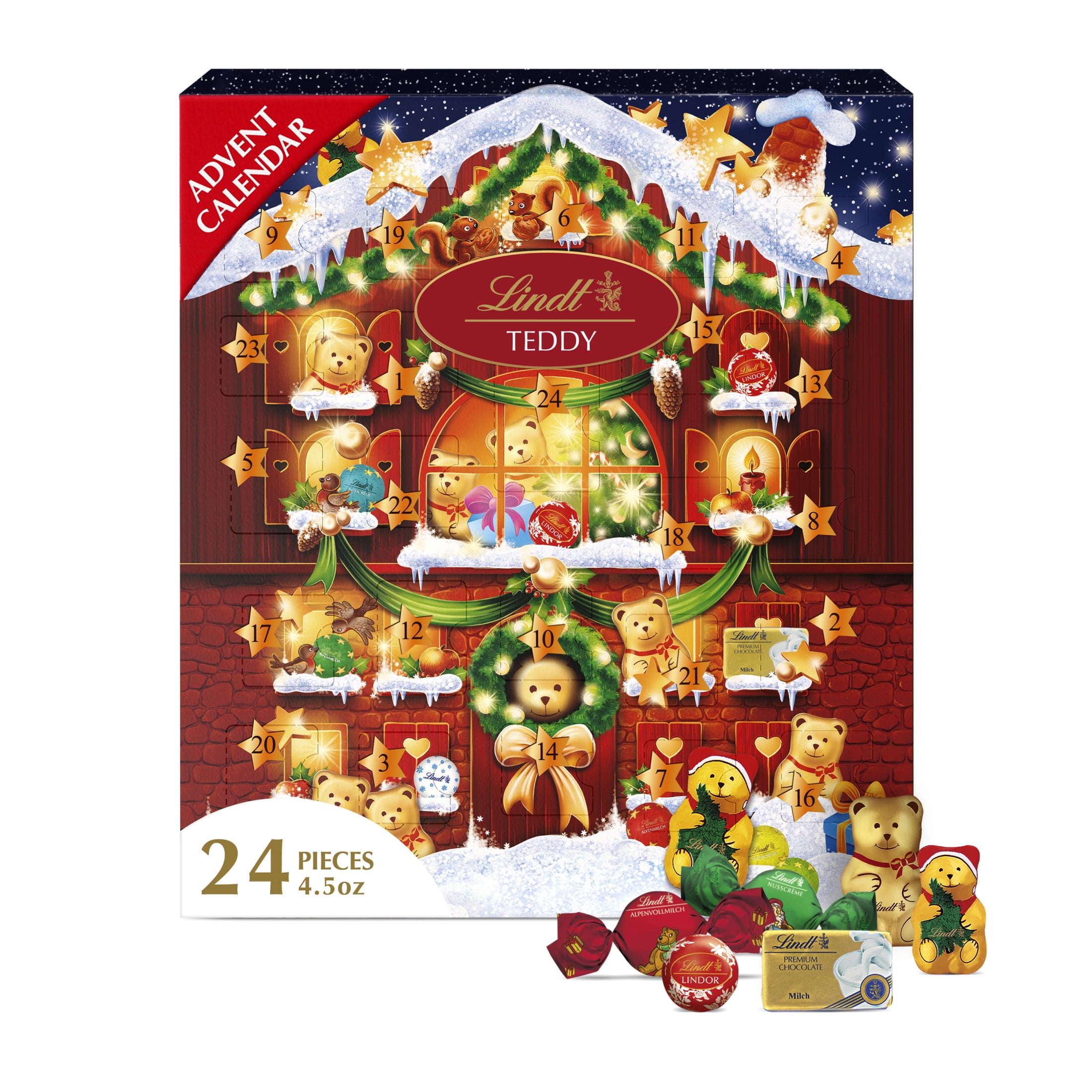
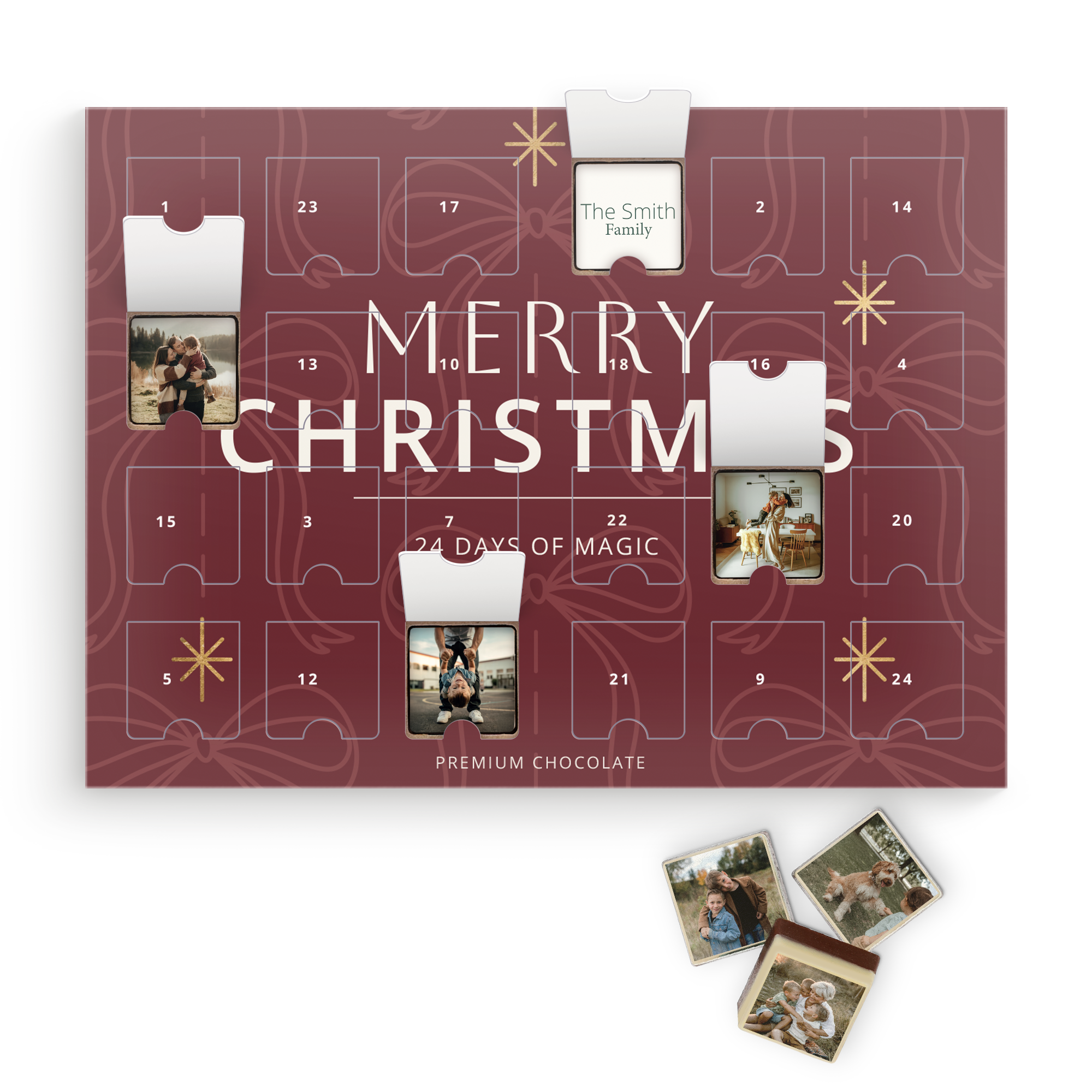
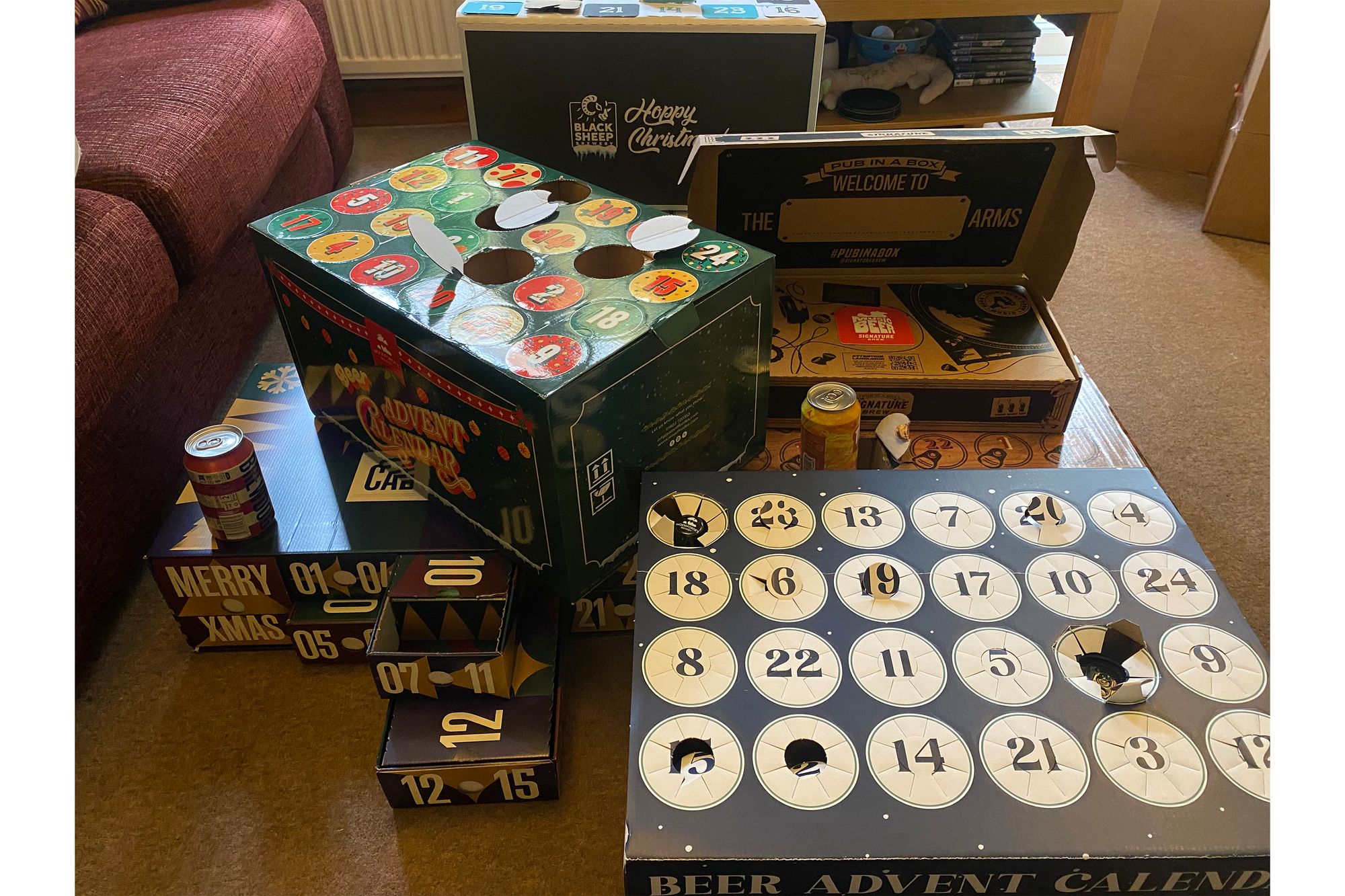
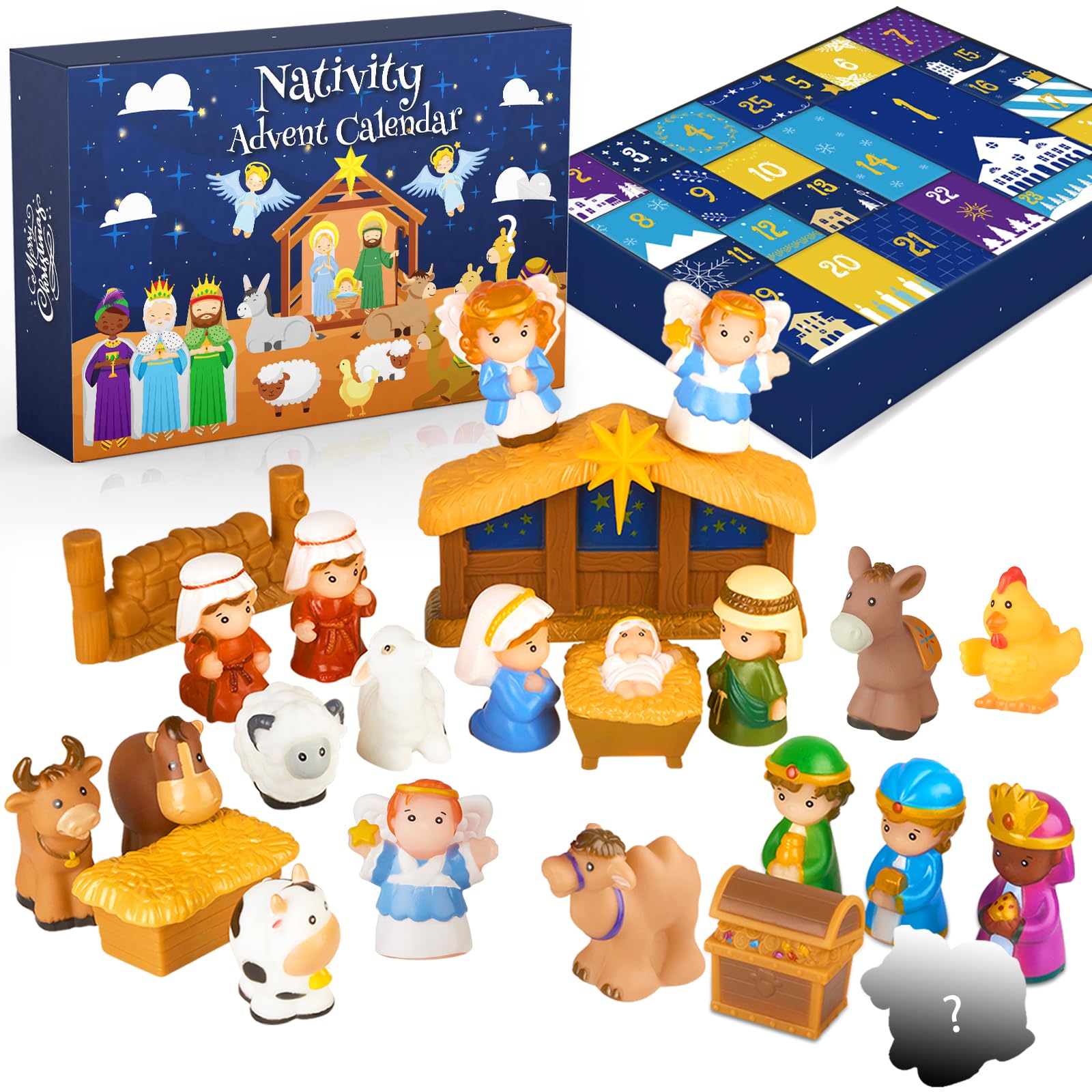
An advent calendar is a specialized commemorative device used to track the days of December leading up to Christmas. Originally emerging from 19th-century German Protestant traditions as a simple mark on a door or a candle, the modern advent calendar has evolved into a diverse marketplace of paper, fabric, and luxury physical products designed to build anticipation through daily discovery.
Historical Origins and Evolution
The advent calendar traces its roots to the mid-19th century in Germany, where families would mark the days of Advent—the period encompassing the four Sundays preceding Christmas—by lighting candles or drawing chalk lines on walls and doors. The transition to the printed, multi-door format that dominates the current market is attributed to Gerhard Lang, a German printer who, in the early 1900s, developed the first mass-produced version featuring small, colorful devotional pictures mounted on cardboard.
While early versions often focused on religious imagery and scripture, the post-World War II era saw a rapid shift toward secular, consumer-oriented designs. By the 1950s, the inclusion of small chocolates behind perforated windows became standard practice. In the 2026 market, this evolution has reached a zenith of complexity; calendars now serve as significant retail vehicles for luxury brands, toy manufacturers, and gourmet food purveyors, effectively serving as limited-edition samplers for high-end consumer goods.
Categorizing Modern Advent Calendars
Selecting an appropriate advent calendar depends on the recipient’s interests and the desired level of engagement. Because the market has expanded beyond children's confectionery, categorizing your options is the first step toward a successful purchase.
1. Confectionery and Edible Calendars
These remain the most popular category. They typically contain high-quality chocolates, artisanal sweets, or premium snack products. The primary value proposition here is the daily "unboxing" of a small, high-quality portion of a product that the user might not purchase in bulk.
2. Luxury and Beauty Calendars
High-end skincare and fragrance companies often release massive, multi-tiered calendars containing sample or travel-sized products. These are effectively high-value gift sets that serve as a marketing tool, allowing customers to test a range of products over 24 days. These often represent significant savings compared to buying individual items.
3. DIY and Reusable Calendars
For families looking for sustainability, reusable wooden, fabric, or metal calendars are the standard. These allow the user to control the contents, whether they are small toys, handwritten notes, or daily activities. These represent a higher upfront investment but eliminate the annual waste associated with disposable paper and plastic packaging.
4. Interactive and Hobbyist Calendars
This category includes stationery, model-building kits, or creative supplies. Each day provides a component that contributes to a larger project or collection. This is particularly popular for enthusiasts of specific hobbies, such as photography, tabletop gaming, or fine arts.
Comparative Overview of Calendar Types
| Feature | Single-Use (Disposable) | Reusable (Heirloom) |
|---|---|---|
| Material | Paper, cardboard, plastic | Wood, fabric, metal |
| Sustainability | Low (Recyclable in parts) | High (Long-term use) |
| Content | Pre-selected by manufacturer | Custom-curated by user |
| Primary Cost | One-time entry price | Higher initial investment |
| Customization | Minimal or none | Full control over daily items |
Selecting the Right Calendar: A Strategic Approach
When evaluating an advent calendar for purchase in 2026, consider the following criteria to ensure the value meets the price point:
- Content Authenticity: For luxury or beauty calendars, verify the ratio of full-sized products to "deluxe samples." Brands often use small samples to fill the majority of the slots, which can lead to lower perceived value if not explicitly disclosed in the product description.
- Space Requirements: Professional advent calendars can be surprisingly large. Ensure the dimensions are appropriate for your intended display area, especially for those that use fold-out panels or vertical structures.
- Shelf Life: If purchasing an edible calendar, always check the manufacturing and expiration dates. High-end chocolate calendars are sensitive to temperature and time; ensure you are buying from a reputable retailer with high inventory turnover to avoid stale products.
- The "Daily Value" Metric: Calculate the price of the calendar versus the estimated individual value of the items inside. If the total value of the items is significantly lower than the retail price of the calendar, you are paying a "convenience and novelty tax."
Maintenance and Storage Guidelines
For those utilizing reusable calendars, proper storage is essential to ensure longevity. Wooden calendars should be stored in climate-controlled environments to prevent warping of the doors or drawers. If your calendar uses fabric pockets, ensure they are vacuum-sealed or stored in garment bags to avoid dust accumulation during the eleven months of the year they remain unused.
For paper-based or cardboard calendars, the primary risk is moisture. Even if the outer packaging is durable, paper internal dividers are prone to softening if stored in humid attics or basements. Always prioritize cool, dry, and dark storage locations to preserve the integrity of the structural design and, if applicable, the quality of the contents.
Frequently Asked Questions
Why do some advent calendars have 24 days and others 25?
Traditional calendars end on December 24th, leading up to Christmas Day. However, many modern versions include a 25th day—a "grand finale" item—to celebrate Christmas morning. Check the product description to confirm the total number of compartments provided.
Are advent calendars a cost-effective way to buy beauty products?
Often, yes. Many premium brands offer calendars that contain full-sized items valued at double or triple the retail price of the calendar. However, you must ensure you will actually use every product provided, otherwise the "savings" are offset by the purchase of items you do not need.
Can I recycle disposable advent calendars?
Most cardboard calendars are recyclable, but you must first remove any plastic inserts or metallic foil liners. If the calendar contains a plastic tray, it is often not recyclable through standard municipal programs; check local guidelines regarding composite materials.
How do I troubleshoot a stuck door or drawer?
For wooden drawers, minor swelling due to humidity is common. Gently sand the edges of the drawer or apply a small amount of candle wax to the tracks to improve movement. Never use harsh solvents, as they may strip the finish or paint.
What should I put in a DIY calendar for children?
Focus on variety. Combine small practical items (stickers, erasers, hair accessories) with experience-based coupons, such as "Movie night choice" or "Extra hour of playtime." This reduces physical clutter while maintaining high engagement.
Next Steps for Enthusiasts
If you are planning to purchase a high-demand, limited-edition calendar for the 2026 season, begin your search by late October. Major manufacturers and luxury retailers often open pre-orders for their flagship calendars during this period. For DIY projects, begin gathering your materials and planning your daily content theme by early November to avoid the rush of the holiday shipping season. If you are creating a custom calendar for a family member, document the list of daily items early to ensure that everything is sourced and packaged well before the December 1st start date.