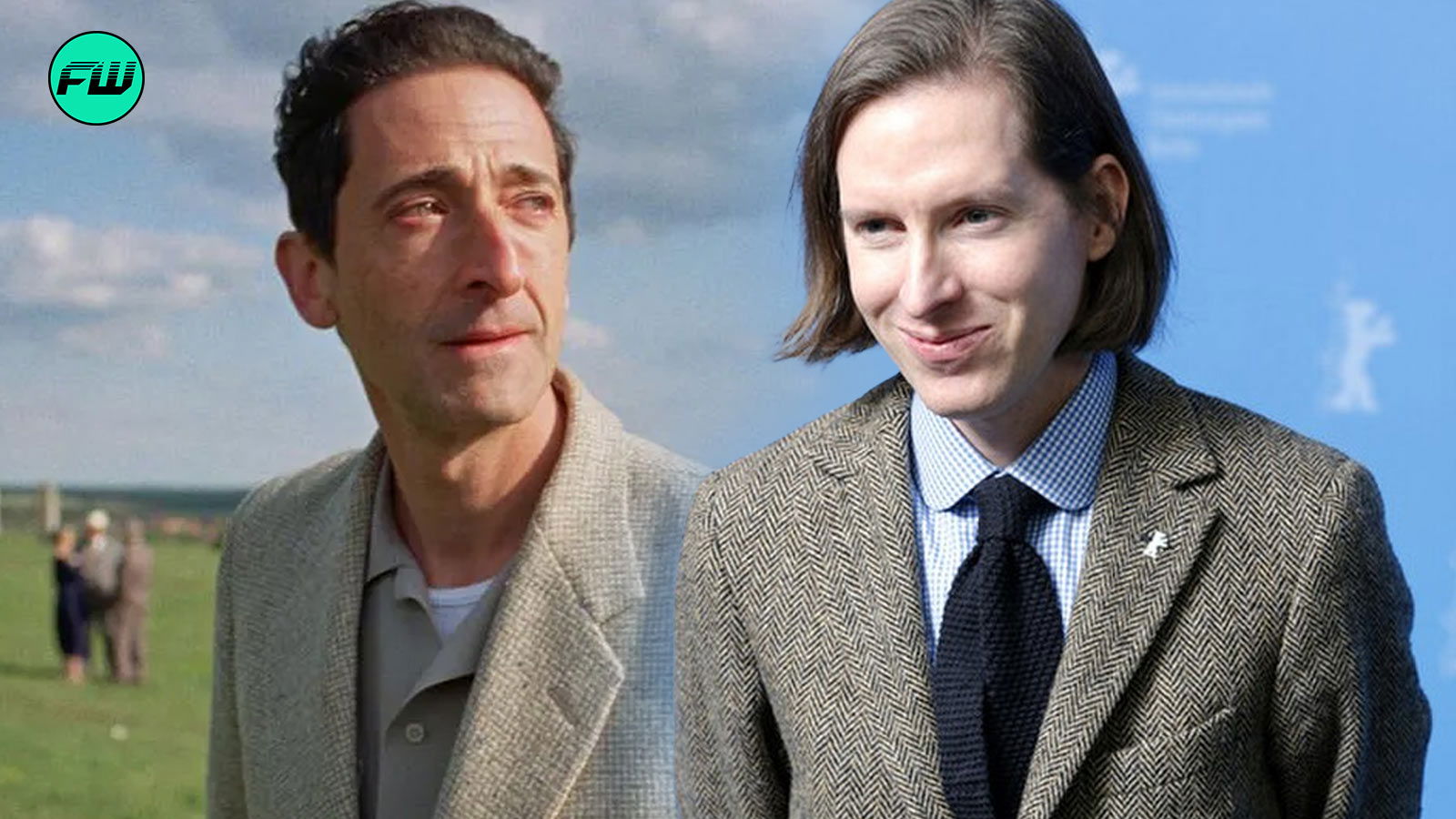
Adrien Brody is a critically acclaimed American actor and producer best known for his Academy Award-winning performance in The Pianist (2002). His career is defined by a commitment to transformative character acting, ranging from intense historical dramas to eccentric roles in the Wes Anderson cinematic universe. As of 2026, Brody remains a prominent figure in prestige cinema and high-end television, recently revitalized by his performance in the epic drama The Brutalist.
The Formative Years and the Malick Setback
Adrien Brody’s journey into the cinematic arts was heavily influenced by his upbringing in Queens, New York. The son of Sylvia Plachy, a celebrated Hungarian-born photographer, and Elliot Brody, a history professor, Brody was exposed to a visual and intellectual environment from a young age. This background fostered a unique sensitivity that he would later bring to his performances. He attended the Fiorello H. LaGuardia High School of Music & Art and Performing Arts, a training ground that honed his technical skills before he ever stepped onto a professional set.
His early career in the 1990s was marked by a steady climb through independent films such as King of the Hill (1993) and Restaurant (1998), the latter of which earned him an Independent Spirit Award nomination. However, the most significant turning point in his early professional life was not a success, but a public professional disappointment. In 1998, Brody was cast as the lead in Terrence Malick’s war epic The Thin Red Line.
Brody spent months filming what he believed was the central role of Corporal Fife. However, when the film premiered, he discovered that Malick had edited the film so extensively that his lead performance was reduced to a handful of lines and a few minutes of screen time. This experience, while devastating at the time, is often cited by film historians as the crucible that hardened Brody’s resolve. It forced him to navigate the fickle nature of Hollywood with a grounded perspective, ultimately leading him to the role that would define his legacy.
The Pianist: A Record-Breaking Masterpiece
The trajectory of Adrien Brody’s career was permanently altered in 2002 when he was cast as Wladyslaw Szpilman in Roman Polanski’s The Pianist. The film tells the true story of a Jewish pianist surviving the destruction of the Warsaw Ghetto during World War II. To prepare for the role, Brody’s commitment was absolute and, in many ways, extreme. He famously gave up his apartment, sold his car, and disconnected from his daily life to understand the isolation and deprivation experienced by Szpilman.
Brody lost 30 pounds for the role, practiced the piano for hours daily to perform the pieces himself, and immersed himself in the psychological trauma of the Holocaust. The result was a performance of profound vulnerability and haunting physical presence. At the 75th Academy Awards in 2003, Brody won the Oscar for Best Actor, defeating a field of seasoned veterans including Daniel Day-Lewis and Jack Nicholson.
At age 29, he became—and remains as of 2026—the youngest man to ever win the Academy Award for Best Actor. This win did more than just provide him with a trophy; it established him as a "transformative" actor, a label that would both benefit and challenge him as he sought to diversify his filmography in the following decade.
Navigating the Post-Oscar Era (2004–2010)
Following his historic Oscar win, Brody faced the common challenge of many young winners: how to follow a career-defining performance. He chose a path of radical diversification, moving between high-budget blockbusters and experimental genre films.
In 2005, he starred in Peter Jackson’s massive remake of King Kong, playing the romantic lead Jack Driscoll. This role proved he could carry a tentpole studio film, showcasing a more traditional leading-man charisma. Shortly after, he delved into the psychological thriller genre with The Village (2004) and the sci-fi horror Splice (2009). These choices highlighted his interest in "uncomfortable" or fringe characters rather than safe, conventional roles.
During this period, Brody also began his long-standing collaboration with director Wes Anderson in The Darjeeling Limited (2007). Playing Peter Whitman, one of three brothers on a spiritual journey through India, Brody demonstrated a deadpan comedic timing that many critics had not expected. This role initiated a recurring partnership that would see Brody become a staple of Anderson's troupe, appearing in The Grand Budapest Hotel (2014), The French Dispatch (2021), and Asteroid City (2023).
The Artistic Renaissance and Television Expansion
In the mid-2010s and leading into the early 2020s, Brody shifted his focus toward television and independent productions that allowed for deeper character exploration. His portrayal of the legendary Harry Houdini in the miniseries Houdini (2014) earned him Emmy and SAG Award nominations, proving his ability to anchor biographical narratives on the small screen.
However, his most notable modern "renaissance" occurred through high-profile guest and recurring roles in critically acclaimed series. His turn as the villainous Luca Changretta in Peaky Blinders (Season 4) was widely praised for its stylized, "Godfather-esque" intensity. This was followed by a masterful guest appearance in Succession as billionaire investor Josh Aaronson, where he held his own against the show’s formidable ensemble.
Brody’s presence in television continued to grow with his role as Pat Riley in the HBO series Winning Time: The Rise of the Lakers Dynasty. His physical transformation into the iconic basketball coach further cemented his reputation for meticulous character work. These roles demonstrated that while the film industry had changed, Brody had successfully transitioned into a "prestige actor" capable of elevating any project, regardless of the medium.
Current Status and Recent Projects (2026)
As of 2026, Adrien Brody is experiencing a significant career "second act," largely driven by his lead role in the 2024/2025 release The Brutalist. Directed by Brady Corbet, this 215-minute epic features Brody as Laszlo Toth, a Hungarian-born Jewish architect who emigrates to the United States after the Holocaust. The film has been hailed as a modern masterpiece, with Brody’s performance drawing direct comparisons to his work in The Pianist.
The success of The Brutalist has repositioned Brody as a top-tier contender for major awards in the 2025–2026 cycle. Outside of acting, Brody has also expanded his presence in the fine arts world. An accomplished painter, his work has been featured in several high-profile galleries, reflecting the same avant-garde and emotional depth seen in his film roles.
| Project Title | Role | Year | Notable Achievement |
|---|---|---|---|
| The Thin Red Line | Cpl. Fife | 1998 | Breakthrough (though role was cut) |
| The Pianist | Wladyslaw Szpilman | 2002 | Academy Award for Best Actor |
| King Kong | Jack Driscoll | 2005 | Major Blockbuster Success |
| The Darjeeling Limited | Peter Whitman | 2007 | First Wes Anderson Collaboration |
| Peaky Blinders | Luca Changretta | 2017 | Acclaimed TV Villain Role |
| Succession | Josh Aaronson | 2021 | Emmy Nomination for Guest Actor |
| Winning Time | Pat Riley | 2022-2023 | Biographical TV Lead |
| The Brutalist | Laszlo Toth | 2024/2025 | Critics' Choice & Award Buzz |
Notable Roles and Artistic Impact
Brody’s filmography is a study in range. While many actors find a "lane" and stay in it, Brody has deliberately avoided typecasting. His roles can be categorized into three distinct styles:
- The Tortured Soul: Characters like Wladyslaw Szpilman (The Pianist) and Laszlo Toth (The Brutalist) who endure immense historical and personal trauma. These roles typically involve significant physical transformations and deep psychological immersion.
- The Stylized Eccentric: His work with Wes Anderson falls into this category. In films like The Grand Budapest Hotel, Brody plays characters that are heightened, often villainous in a comedic way, and highly choreographed.
- The Modern Professional/Antagonist: Roles in Succession and Peaky Blinders show a slicker, more contemporary side of Brody. He excels at playing men of power, intellect, and sometimes quiet menace.
His artistic impact is defined by a refusal to "phone it in." Even in smaller independent films or genre pieces like Predators (2010), he brings a level of intensity and preparation that is usually reserved for Oscar-caliber dramas. This consistency has made him a favorite among directors who require a leading man with the soul of a character actor.
Who is the youngest person to win the Oscar for Best Actor?
Adrien Brody holds the record for the youngest Best Actor winner in Academy Award history. He won at age 29 for his role in The Pianist (2002), surpassing Richard Dreyfuss, who had previously held the record since 1978.
Is Adrien Brody a recurring actor in Wes Anderson films?
Yes, Adrien Brody is a key member of Wes Anderson’s recurring ensemble. He has appeared in five of Anderson's films: The Darjeeling Limited, Fantastic Mr. Fox (voice), The Grand Budapest Hotel, The French Dispatch, and Asteroid City.
What did Adrien Brody do to prepare for The Pianist?
Brody engaged in extreme method acting, which included losing 30 pounds of body weight, selling his apartment and car, and moving to Europe with only two bags. He also spent months learning to play complex Chopin pieces on the piano to ensure his performance was authentic.
What is Adrien Brody’s current status in the film industry?
As of 2026, Brody is enjoying a career resurgence following the critical acclaim of the film The Brutalist. He is considered a "prestige" actor who splits his time between major film roles, high-end television, and his career as a visual artist.
Has Adrien Brody ever won an Emmy?
While he has not won a Primetime Emmy as of early 2026, he has been nominated multiple times. His nominations include Outstanding Lead Actor in a Limited Series for Houdini and Outstanding Guest Actor in a Drama Series for Succession.
Curating an Adrien Brody Retrospective
For those looking to explore Brody’s career, a chronological approach is highly recommended. Start with The Pianist to understand the foundation of his critical acclaim. Follow this with The Darjeeling Limited to see his transition into stylized comedy. Finally, watch his recent work in Succession or The Brutalist (if available on streaming platforms) to witness the maturity and precision he has developed in his later career. His filmography offers a comprehensive look at the evolution of modern acting, moving from the "Method" intensity of the early 2000s to the versatile, multi-platform stardom of the 2020s.