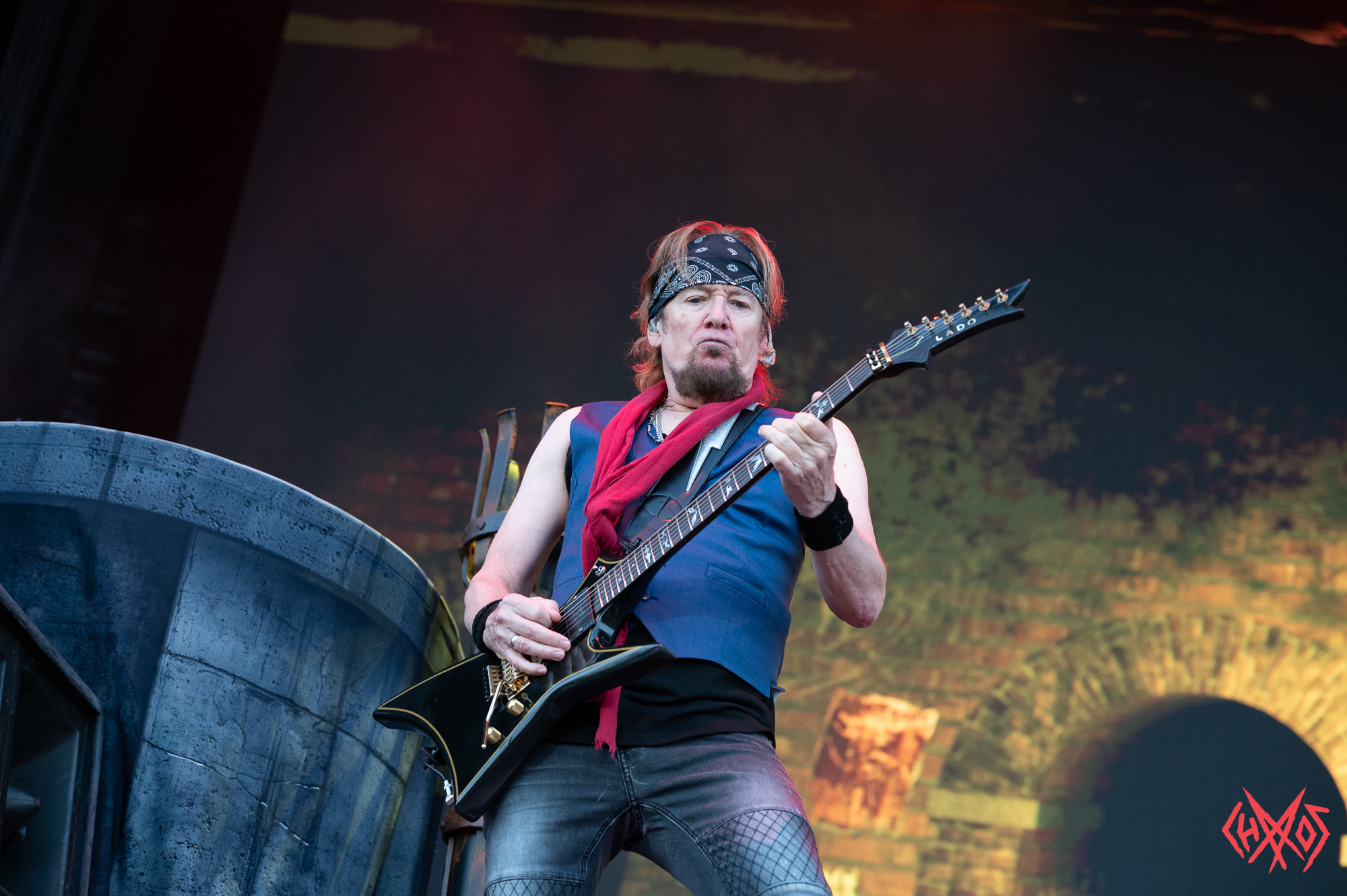
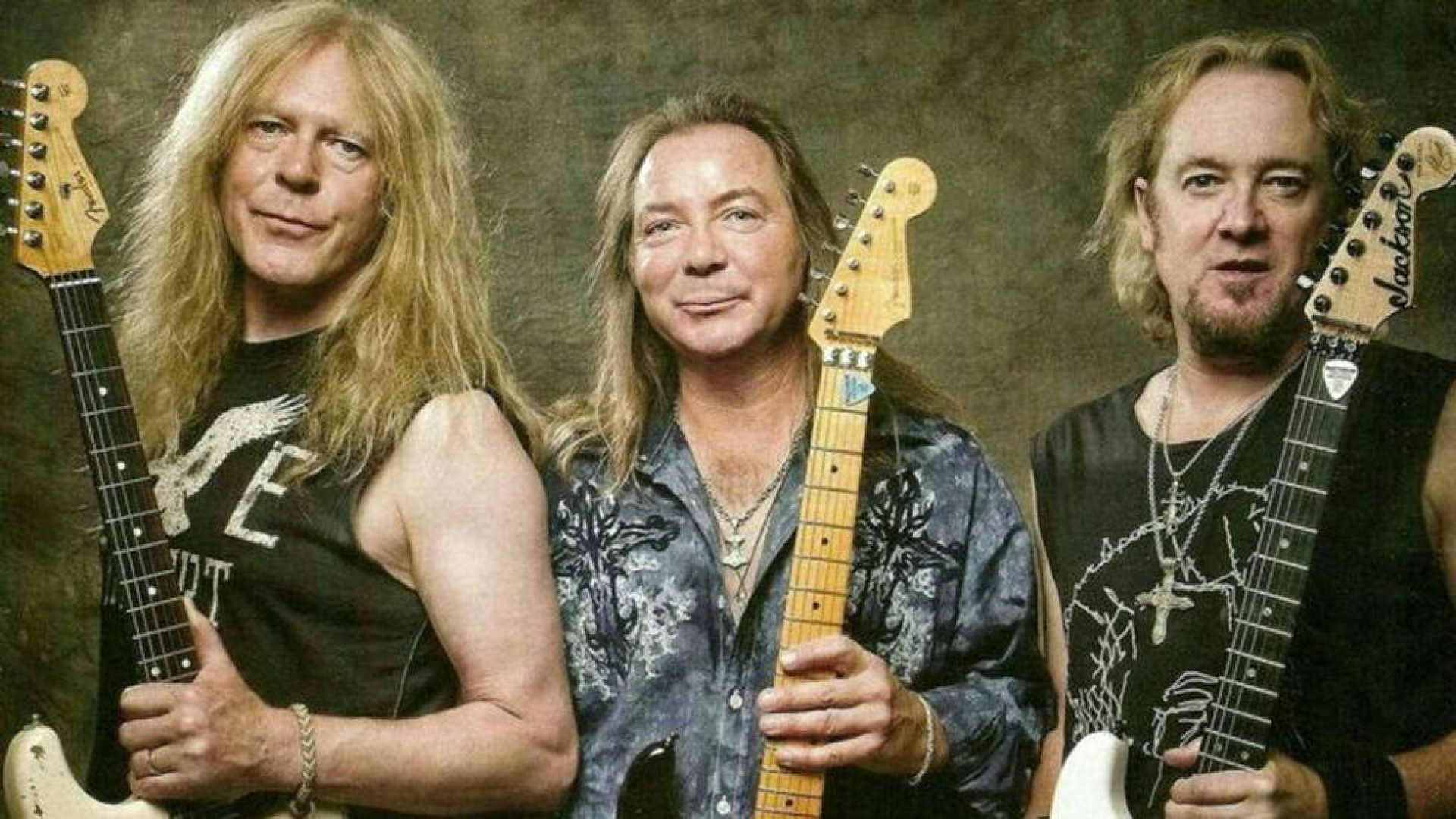
Adrian Smith has accumulated a substantial net worth estimated between $40 million and $50 million, driven by decades of touring with Iron Maiden, global album sales, extensive songwriting royalties, and high-value endorsements. As one of the core three guitarists for the legendary heavy metal institution, his long-term financial stability stems from a sustainable touring model, merchandise distribution, and strategic investments outside the music industry.
The Financial Foundation of a Heavy Metal Icon
Evaluating the wealth accumulation of a musician of Adrian Smith's stature requires looking beyond simple salary figures. Heavy metal bands structured like Iron Maiden operate as complex corporate entities. Smith does not receive a traditional salary; instead, his earnings flow from a multi-tiered revenue ecosystem that includes performance guarantees, merchandise splits, publishing rights, and recorded music royalties.
Iron Maiden formed in 1975 and rose to international prominence during the New Wave of British Heavy Metal (NWOBHM) movement. Smith joined the band in 1980 just before the recording of their second studio album, Killers, establishing himself immediately as a principal songwriter and melodic foil to founder Steve Harris and fellow guitarist Dave Murray. His departure in 1990 to pursue side projects such as Psycho Motel and a solo career temporarily shifted his income streams toward independent recording and production, but his triumphant return to Iron Maiden in 1999 restored his access to one of rock music's most lucrative touring operations.
Understanding how a guitarist builds riches in a band of this magnitude involves examining the specific components that translate guitar mastery into lasting financial security. The following breakdown illustrates the primary financial channels contributing to Adrian Smith's total net worth.
Touring Revenue: The Engine of Iron Maiden’s Wealth
Live performance constitutes the single largest income generator for contemporary rock musicians, and Iron Maiden remains a dominant force on the global concert circuit. Massive arena and stadium tours—such as the Legacy of the Beast Tour and the Future Past Tour—routinely gross tens of millions of dollars per leg.
Concert economics for legacy bands typically involve a split of ticket sales and promoter guarantees, supplemented by high-margin merchandise sales. Iron Maiden famously travels on their own customized Boeing 747 or 777, named Ed Force One, piloted by lead singer Bruce Dickinson. While operational overhead for global logistics is exceptionally high, the sheer scale of ticket volume ensures substantial net payouts for the band members.
- Guaranteed Fees: Major headlining festival appearances and stadium dates command hundreds of thousands of dollars per show.
- Merchandise Royalties: Branded apparel, tour programs, and specialized memorabilia yield lucrative percentage splits for band members.
- Global Reach: Performing across North America, Europe, South America, and Asia maximizes revenue without relying on a single domestic market.
| Revenue Stream | Primary Source | Contribution to Wealth |
|---|---|---|
| Live Performance | Stadium and arena tours, global festivals | High volume, primary ongoing income |
| Publishing & Songwriting | Co-writing credits on catalog staples like "2 Minutes to Midnight" | Steady, long-term passive royalties |
| Recorded Music | Master recordings and physical/digital sales | Consistent residual income from multi-platinum catalog |
| Endorsements | Signature guitars, amplifiers, and gear partnerships | Upfront design fees and royalty percentages |
Songwriting Royalties and Intellectual Property
Beyond performing live, intellectual property ownership represents the most enduring asset in Adrian Smith's financial portfolio. As a songwriter, Smith contributed significantly to Iron Maiden’s most critically acclaimed and commercially successful albums, including The Number of the Beast, Piece of Mind, Powerslave, and Somewhere in Time.
Co-writing classic tracks such as "2 Minutes to Midnight," "Wasted Years," and "Flight of Icarus" grants Smith perpetual publishing royalties. Every time these tracks are streamed on digital platforms, played on terrestrial or satellite radio, synchronized in films or television, or covered by other artists, performance rights organizations and music publishers disburse royalties. Because heavy metal fans exhibit extreme loyalty and maintain high consumption rates of physical media and catalog streaming, these royalties provide a reliable, counter-cyclical financial baseline.
Endorsements, Signature Gear, and External Ventures
Instrument manufacturers recognize the marketing power associated with premier guitarists. Adrian Smith maintains a long-standing, high-profile endorsement relationship with Jackson Guitars, which produces multiple signature Adrian Smith San Dimas models. These guitars command premium retail prices, and signature artists typically negotiate a percentage of each unit sold worldwide.
In addition to his gear partnerships, Smith’s financial acumen extends into private investments and personal pursuits. Unlike musicians who cycle through wealth rapidly during their peak years, Smith has maintained a relatively private lifestyle focused on his family and enduring hobbies, such as competitive fishing and angling. While his primary wealth remains rooted in the music industry, prudent management of capital assets and real estate holdings has preserved and grown his net worth over four decades.
Frequently Asked Questions About Adrian Smith's Wealth and Career
What is Adrian Smith’s estimated net worth?
Adrian Smith's net worth is estimated to be between $40 million and $50 million. This figure reflects his decades-long career as a primary songwriter, touring member, and cornerstone guitarist for Iron Maiden, alongside endorsement deals and catalog royalties.
Does Adrian Smith receive a fixed salary from Iron Maiden?
Like most members of established rock bands, Adrian Smith does not earn a standard salary. Instead, he shares in the business partnership of Iron Maiden, earning revenue from a percentage of touring profits, merchandise sales, publishing royalties, and recorded music distribution.
What are some of the most famous songs written by Adrian Smith?
Smith has co-written numerous Iron Maiden fan favorites and radio staples. Some of his most notable songwriting contributions include "Wasted Years," "2 Minutes to Midnight," "Flight of Icarus," "The Evil That Men Do," and "Different Worlds."
How long has Adrian Smith been in Iron Maiden?
Adrian Smith originally joined Iron Maiden in late 1980 before departing in 1989 to focus on other musical directions. He rejoined the band in 1999 alongside vocalist Bruce Dickinson and has remained an integral member ever since, completing a tenure spanning well over 30 years total.
What signature gear does Adrian Smith use?
Smith is famously associated with Jackson Guitars, utilizing signature San Dimas models equipped with Floyd Rose tremolo systems and DiMarzio pickups. He also endorses Marshall amplifiers and various effects pedals designed to recreate his signature high-gain, melodic tone.
Securing Long-Term Value in the Music Industry
Examining Adrian Smith's financial trajectory offers clear insight into how longevity and artistic contribution translate to financial security in the entertainment sector. For aspiring musicians and industry analysts alike, the key takeaway is diversification. Relying solely on performance fees leaves an artist vulnerable to shifting touring landscapes, whereas a balanced portfolio combining live performance, intellectual property ownership, and strategic corporate endorsements provides enduring stability. Maintaining rigorous professional standards, retaining publishing rights, and cultivating enduring brand partnerships remain the foundational pillars of lasting wealth in heavy metal.