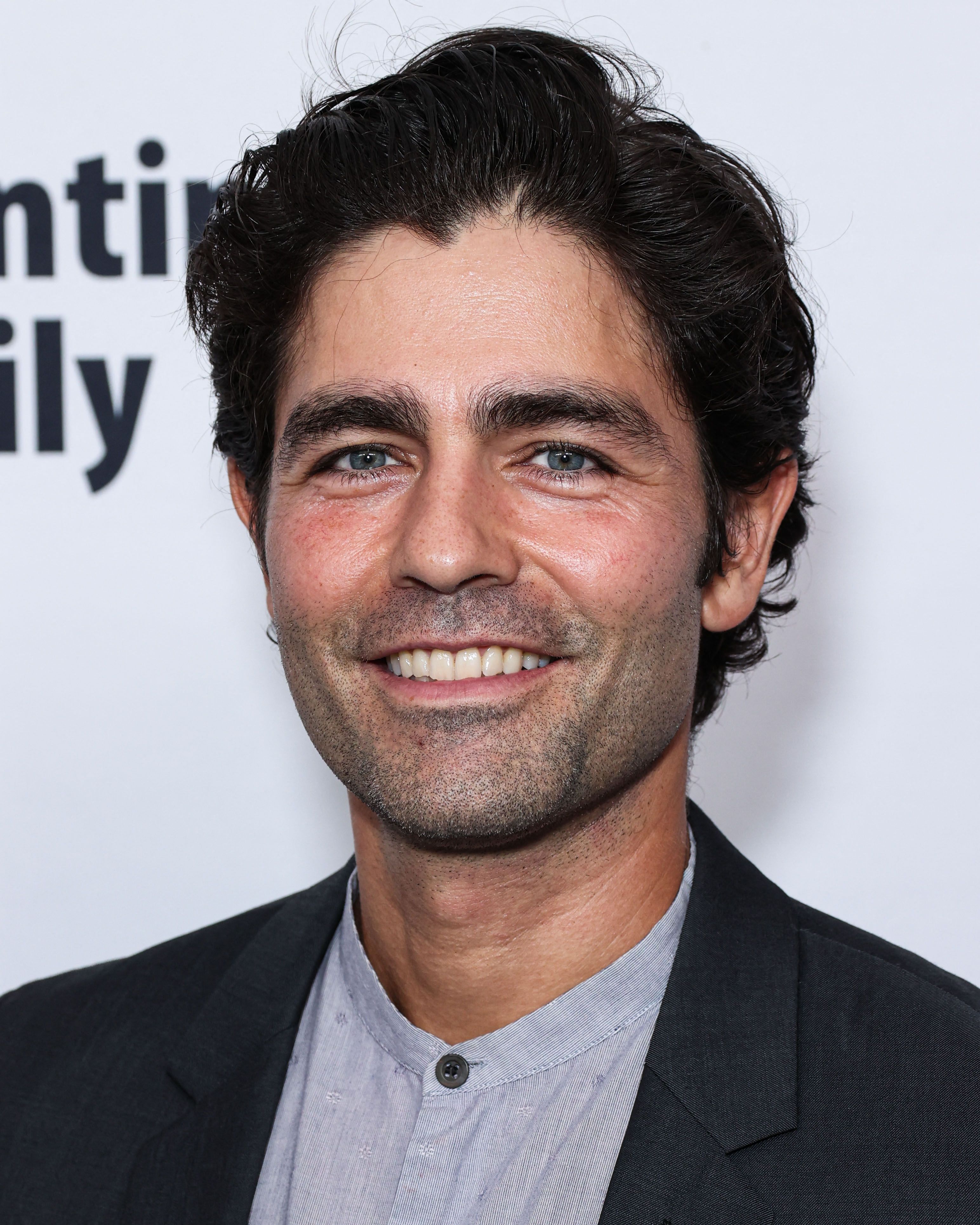
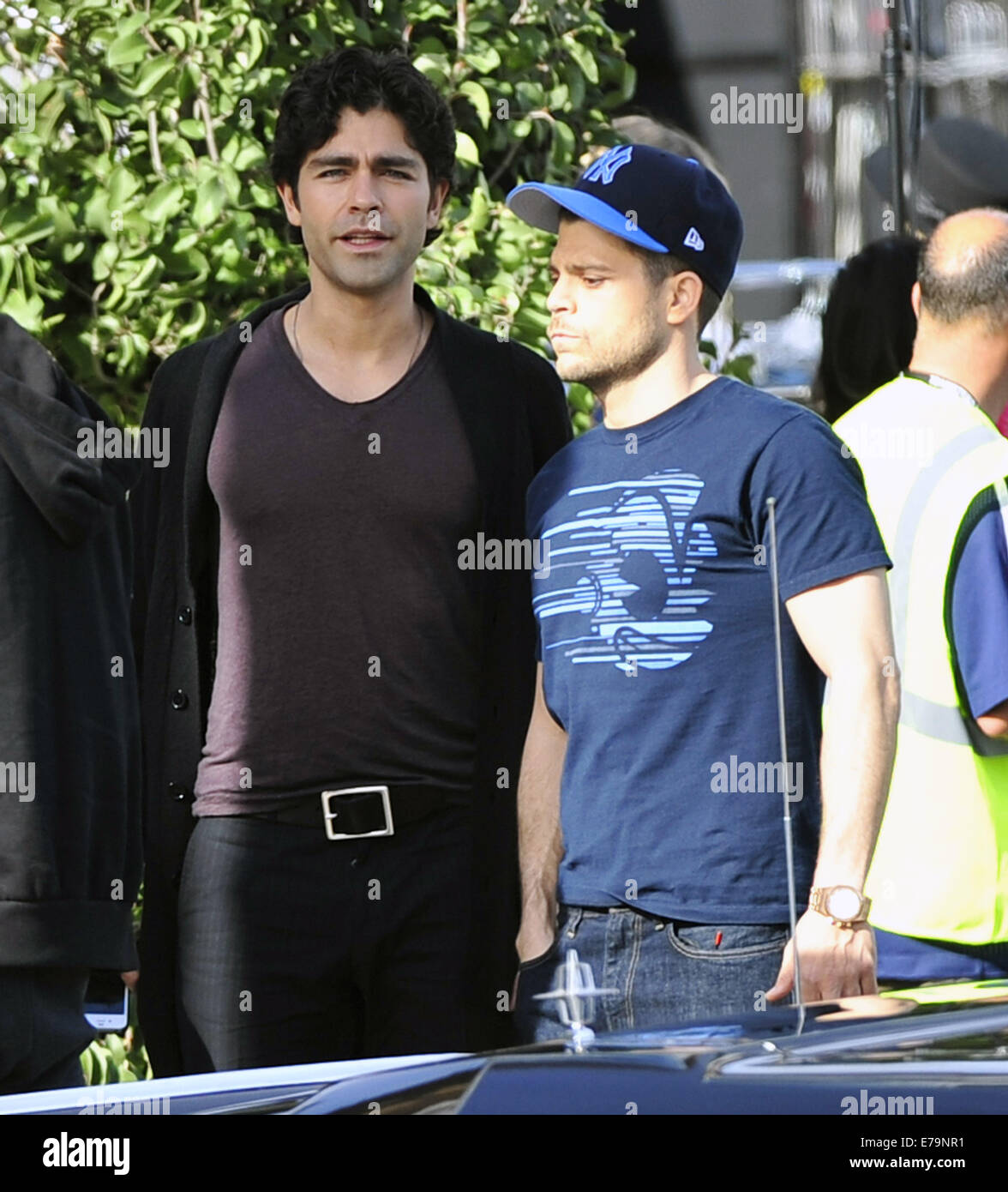
The television series Entourage, which aired on HBO from 2004 to 2011, remains a definitive cultural artifact of early 2000s Hollywood. At its center stands Adrian Grenier, who portrayed the breakout movie star Vincent Chase. This guide explores the collaborative dynamics of the primary cast and the creative team behind the scenes, detailing the professional journey of the actors and the production influences that defined the series.
The Foundation of Entourage: Creation and Creative Direction
Entourage was created by Doug Ellin, whose vision was inspired by the real-life experiences of actor Mark Wahlberg and his inner circle of friends as they navigated the complexities of the film industry. The show served as a serialized look at the intersection of fame, friendship, and the machinery of Los Angeles talent management.
While the show often blurred the lines between reality and fiction, its technical success relied on a tight-knit ensemble cast capable of mirroring the camaraderie of genuine lifelong friends. Adrian Grenier’s portrayal of Vincent Chase provided the necessary anchor for the narrative; as the "client" around whom the other characters orbited, his performance required a specific blend of charismatic naivety and ambition. The chemistry between the leads was cultivated through a production environment that encouraged improvisation and reflected the fast-paced, high-stakes nature of the entertainment world.
The Core Ensemble: Character Dynamics and Casting
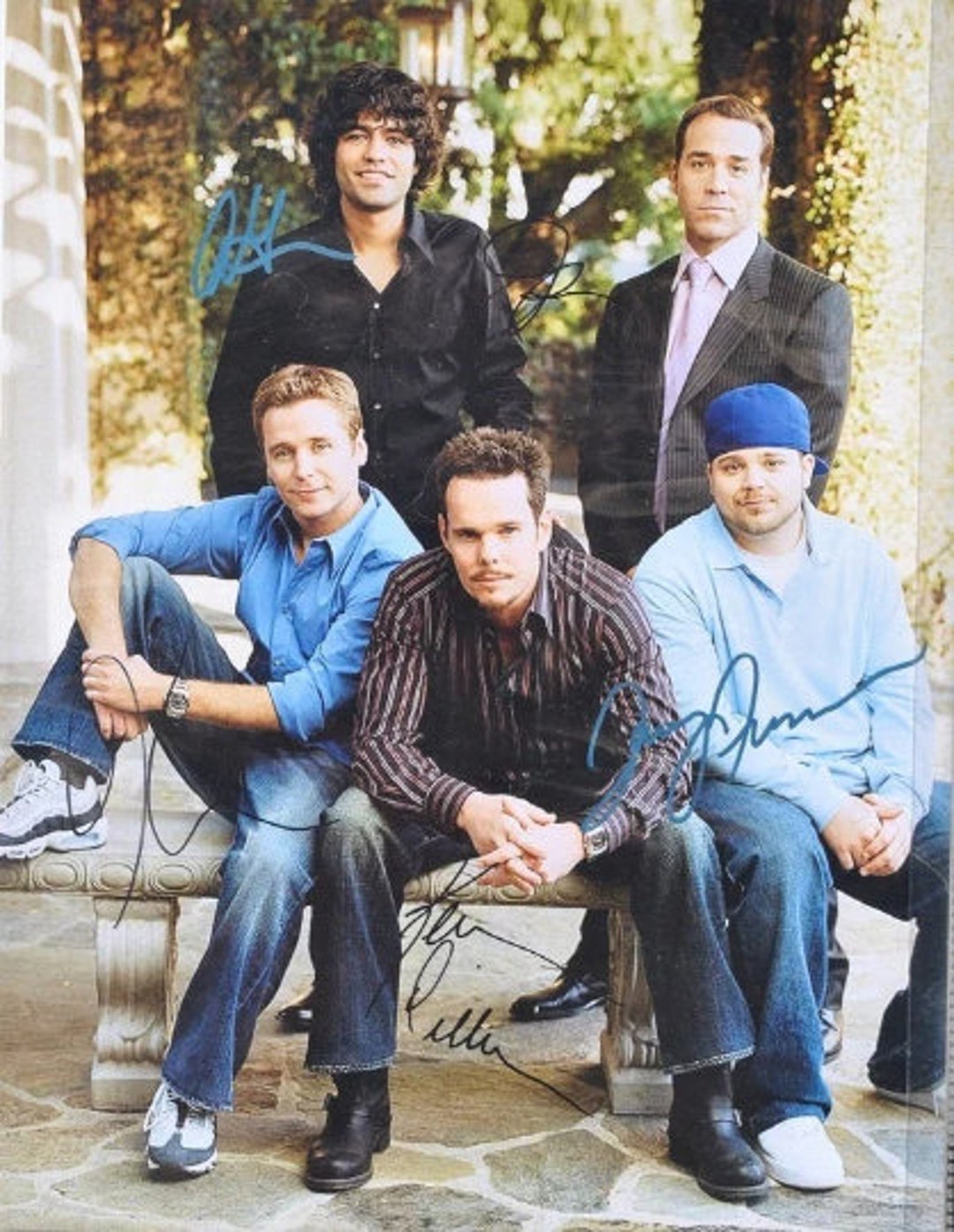
The success of Entourage was fundamentally anchored in its five-man core. Each actor was cast to represent a specific archetype within the celebrity ecosystem, creating a balanced dynamic that propelled the plot through eight seasons.
- Adrian Grenier (Vincent Chase): As the titular star, Grenier’s character was the engine of the show. His performance effectively communicated the challenges of maintaining integrity while scaling the ranks of A-list stardom.
- Kevin Connolly (Eric "E" Murphy): Serving as the voice of reason and the pragmatic manager, Connolly’s character provided the essential friction needed to ground Vincent’s more idealistic impulses.
- Kevin Dillon (Johnny "Drama" Chase): Dillon offered the show’s most consistent comedic relief, playing the struggling, perpetually insecure older brother.
- Jerry Ferrara (Salvatore "Turtle" Assante): Ferrara represented the audience’s entry point, evolving from the group’s driver to a successful entrepreneur in his own right.
- Jeremy Piven (Ari Gold): Piven’s portrayal of the cutthroat, hyper-caffeinated super-agent Ari Gold became the show’s breakout performance, earning him multiple Emmy Awards and defining the show's intense professional stakes.
The following table provides a breakdown of the primary cast roles and their character archetypes:
| Actor | Character | Archetype |
|---|---|---|
| Adrian Grenier | Vincent Chase | The Rising Star |
| Kevin Connolly | Eric Murphy | The Pragmatic Manager |
| Kevin Dillon | Johnny Chase | The Resilient Underdog |
| Jerry Ferrara | Turtle | The Loyal Facilitator |
| Jeremy Piven | Ari Gold | The Power Broker |
| Rex Lee | Lloyd Lee | The Ambitious Assistant |
| Perrey Reeves | Melissa Gold | The Strategic Partner |
Behind the Scenes: The Crew and Production Architecture
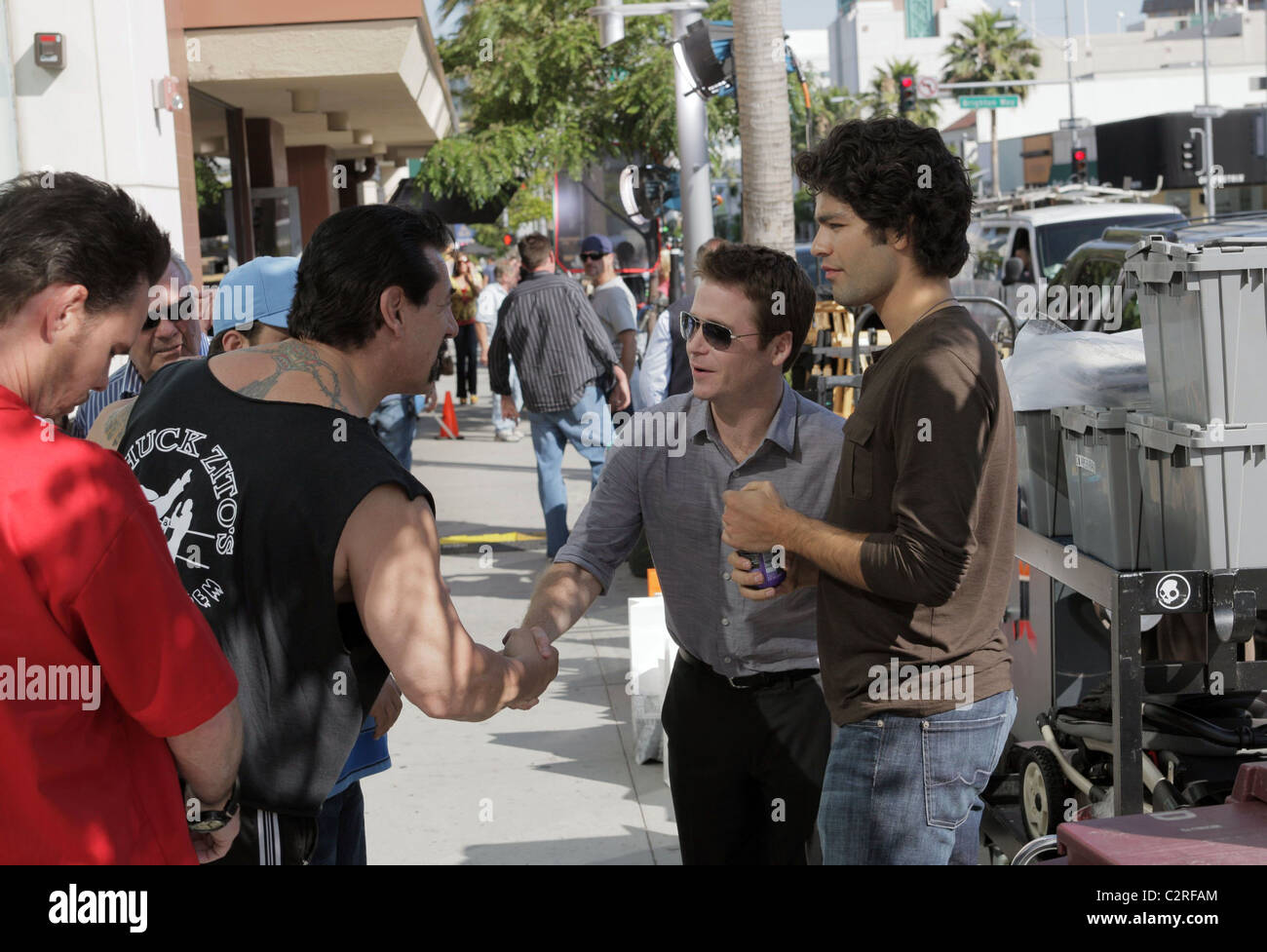
Beyond the cast, the technical and creative crew were instrumental in establishing the show's aesthetic. The cinematography of Entourage utilized a signature "fly-on-the-wall" documentary style, which allowed the viewer to feel like an honorary member of the entourage. This was achieved through the frequent use of handheld cameras and on-location shooting throughout the Los Angeles area.
Doug Ellin’s leadership as showrunner ensured a consistent tone throughout the series. The writers’ room was tasked with balancing the glamorized depiction of Hollywood with enough grounded conflict to maintain audience engagement. Because the show relied heavily on industry verisimilitude, the production team often negotiated cameos with real-world power players—including directors, producers, and actors—to authenticate the narrative. This collaborative effort between the creative team and the industry enabled Entourage to serve as both a narrative drama and a satirical mirror of the studio system.
The Evolution of the Professional Relationships
The trajectory of the cast members during the series reflected the maturation of their characters. Initially, the dynamic was one of shared dependence, with Vince as the provider and the others as beneficiaries. Over eight seasons, the writers expanded the scope of these professional roles. Eric transitioned into a legitimate producer, Turtle moved into the world of high-end spirits and fashion, and Johnny experienced a renaissance of his career that, while fraught with failure, provided genuine character depth.
The writing staff navigated these shifts by integrating the professional growth of each character into the overarching plot. For instance, the professional distance that grew between Ari Gold and his assistant, Lloyd, functioned as a long-form arc that underscored the volatility of power dynamics in talent representation. These shifts were not merely narrative; they were technical transitions that required the actors to adjust their performances as their characters transitioned from hangers-on to industry stakeholders.
Historical Impact and Industry Perception
Upon its conclusion in 2011, Entourage had established a legacy characterized by its portrayal of masculine friendship and the transactional nature of fame. It is frequently cited in retrospectives of 2000s television for its influence on the "buddy comedy" subgenre. While some critics of the time pointed to the show's hyper-materialistic focus, its longevity as a staple of binge-watching culture through 2026 confirms its status as a significant piece of media history.
The series also opened doors for its cast, many of whom moved into producing and directing roles following the show's end. Adrian Grenier, in particular, leveraged the visibility gained through the series to expand his work into environmental activism and sustainable technology, moving away from the archetypal actor role to focus on advocacy and investment. This transition highlights the common path for stars of long-running ensemble shows: using the "Entourage" platform to build a brand identity that exists beyond a single character.
Frequently Asked Questions
Did Adrian Grenier work with the same crew throughout the entire series?
While the core cast remained consistent for all eight seasons, the production crew saw typical rotations common in long-running television dramas. However, the executive production team, led by Doug Ellin and Mark Wahlberg, remained consistent, which helped preserve the show's distinct visual and tonal identity from the pilot episode to the series finale.
How did real-life industry figures affect the production?
The production team frequently invited real celebrities to play themselves, which provided a layer of authenticity to the show’s premise. These guest appearances were carefully negotiated by the production staff to ensure the segments remained within the show's comedic and dramatic scope, allowing the fictional world of Vincent Chase to seem integrated into the real-world film industry.
What is the significance of the 2015 movie in relation to the show?
The 2015 feature film served as a continuation and conclusion to the series' storylines, reuniting the original cast and creative team. It functioned as an extended, higher-budget episode that resolved dangling plot threads, particularly regarding the characters' professional careers and personal growth, effectively closing the production cycle that began in 2004.
Are the character roles in Entourage based on specific real people?
While the show is loosely inspired by Mark Wahlberg’s experience, the characters are largely composite creations. They represent various archetypes rather than direct biographies of real people. The collaborative effort between the writers and the cast involved taking these base archetypes and refining them through performance to create distinct, relatable personalities.
Next Steps for Fans and Researchers
For those looking to gain a deeper understanding of the series, the best approach is to examine the original HBO broadcast archives and supplementary behind-the-scenes content released on home media. Viewing the show alongside commentaries from the creators provides insight into the specific choices made regarding character development and plot pacing. Researchers interested in the business of television may also look into public records regarding the licensing and distribution of the series, which illustrate the shift from traditional cable broadcast to digital streaming platforms that has characterized the evolution of the media landscape through 2026.