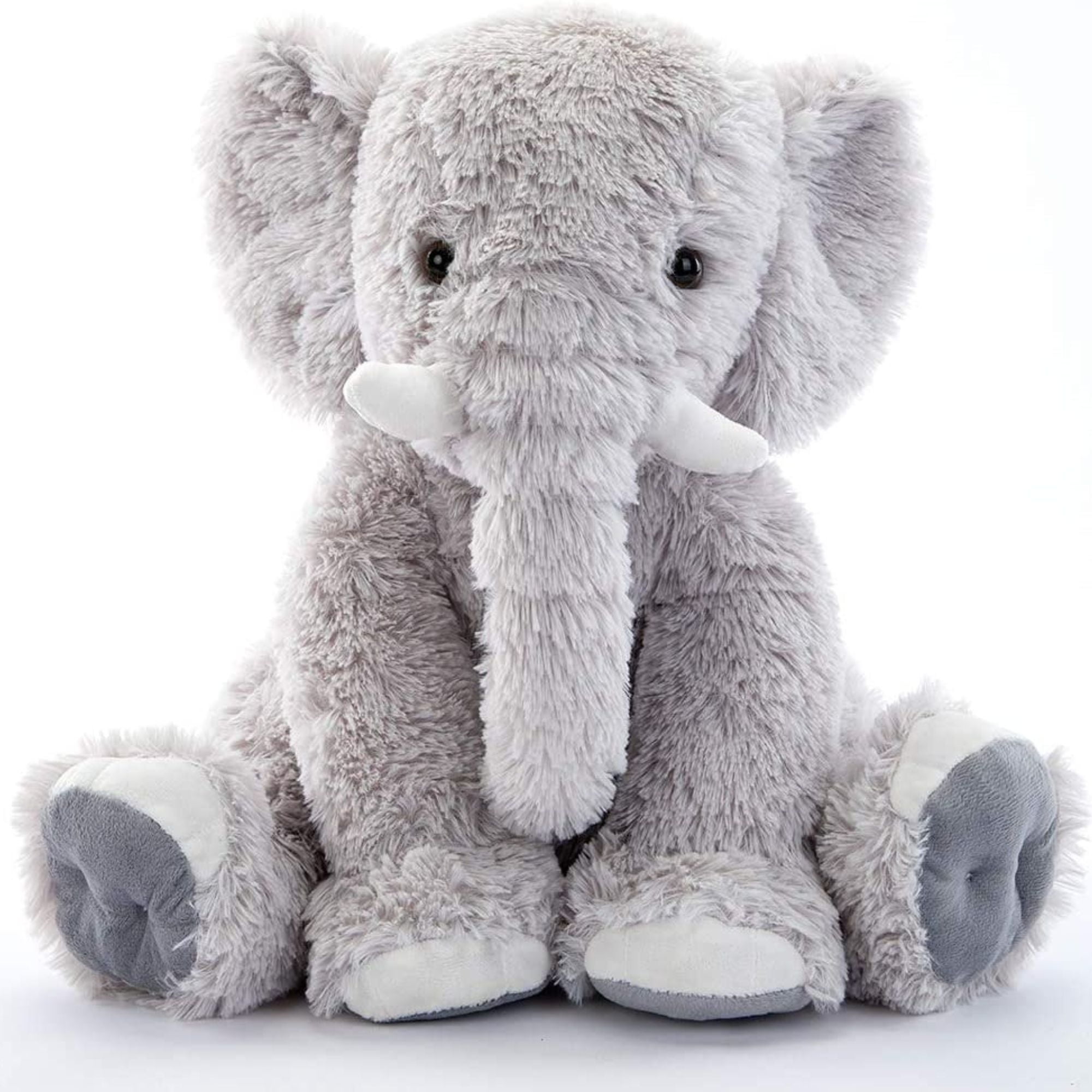
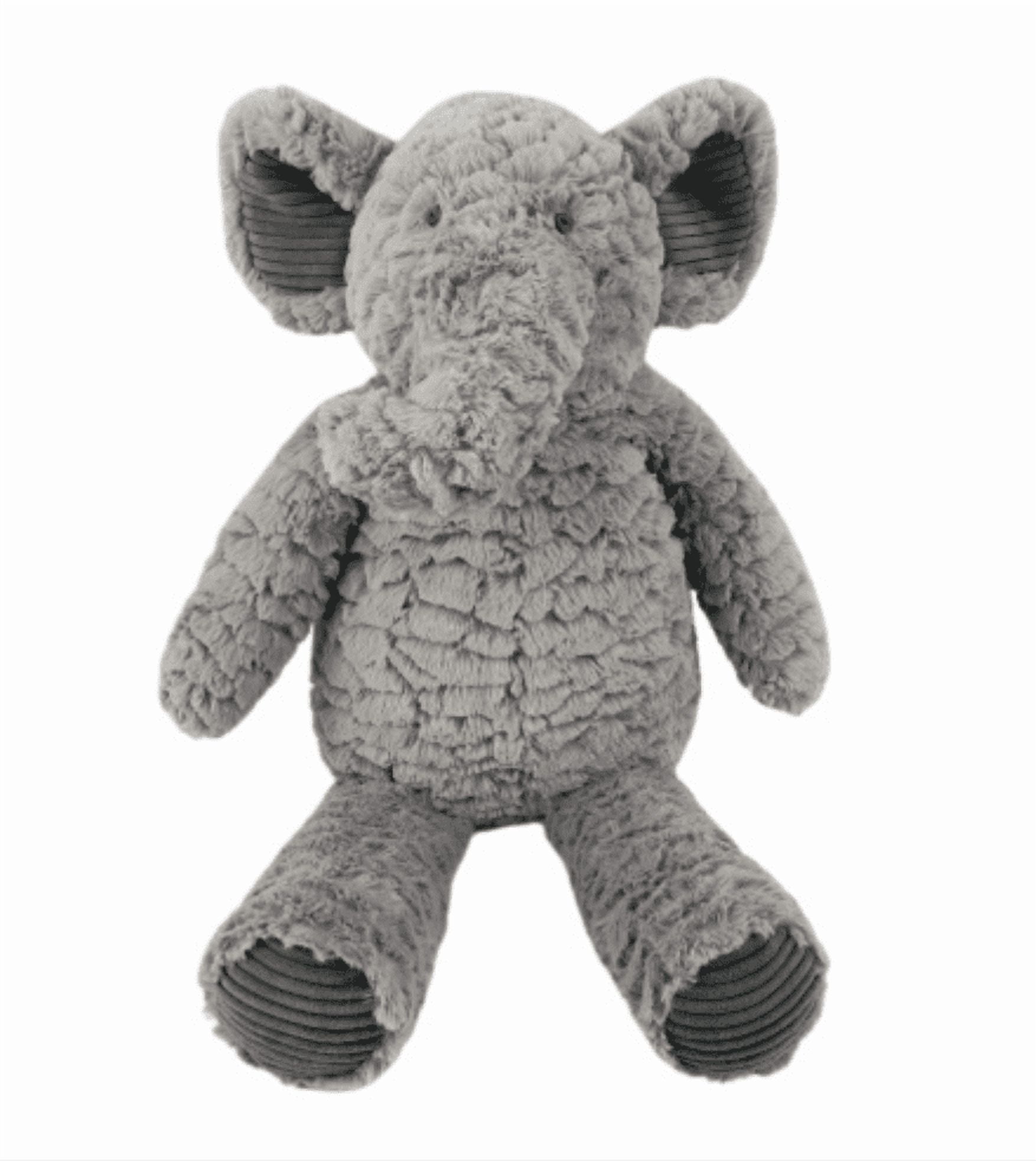
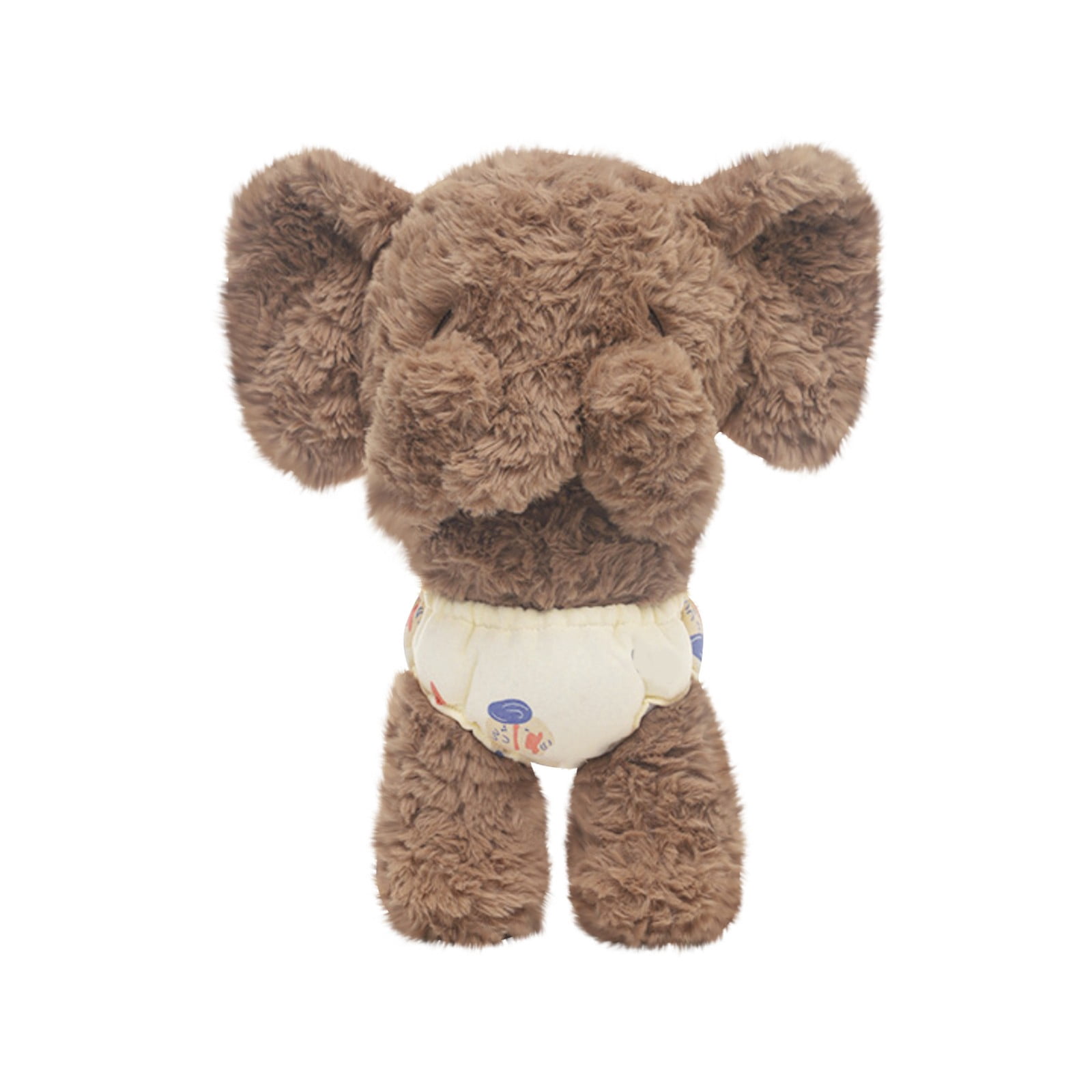
An adorable elephant cuddly toy for a baby provides essential sensory comfort, emotional security, and a soft companion for early development. When choosing one in 2026, prioritize hypoallergenic materials, embroidered features to prevent choking hazards, and certification from safety bodies like ASTM or EN71 to ensure the plush is suitable for newborns.
Why the Elephant is a Preferred Companion for Infants
The elephant has long remained one of the most popular motifs for nursery décor and infant companionship. Beyond its "adorable" aesthetic, the physical structure of an elephant—large floppy ears, a long trunk, and a sturdy body—provides various tactile points that assist in a baby’s sensory exploration. In the early stages of development, infants use their hands to grasp and pull; the trunk and ears of a plush elephant are perfectly shaped for small hands to practice their grip and fine motor skills.
Psychologically, elephants represent strength, wisdom, and protection in many cultures, making them a symbolic gift for a new arrival. From a design perspective, the gray palette often associated with elephant toys is gender-neutral and fits seamlessly into modern nursery aesthetics. Furthermore, high-quality plush manufacturers in 2026 have refined the "softness" of these toys using advanced microfiber blends that mimic the gentle touch of a parent’s skin, which can help soothe an infant during periods of overstimulation.
Essential Safety Standards for Baby Soft Plush Toys
Safety is the paramount concern when selecting any "baby soft" stuffed animal. Unlike toys intended for older children, those designed for infants must meet rigorous mechanical and chemical safety standards. In 2026, international regulations continue to mandate strict testing to prevent accidental injury or exposure to toxins.
Mechanical Safety and Choking Hazards
The most critical safety feature of an elephant cuddly toy is the absence of small, detachable parts. Plastic button eyes or "beans" used for weight in older toy designs are significant choking hazards. For a toy to be considered safe for a newborn, eyes and nose features should be embroidered directly onto the fabric. This ensures that no matter how much the toy is chewed or pulled, no small pieces can come loose. Additionally, seams must be reinforced with double-stitching to prevent the internal stuffing from escaping, which could also pose a choking or inhalation risk.
Chemical Safety and Hypoallergenic Materials
Babies frequently explore objects with their mouths, making the chemical composition of the fabric vital. Look for toys labeled as "BPA-free," "Lead-free," and "Phthalate-free." Many premium elephant plush toys now use OEKO-TEX Standard 100 certified fabrics, which guarantee that every component of the toy—down to the thread and stuffing—has been tested for harmful substances. Hypoallergenic stuffing, often made from recycled polyester fibers or organic cotton, prevents the accumulation of dust mites and reduces the risk of allergic reactions in sensitive infants.
Understanding Material Science: Defining "Baby Soft"
The term "baby soft" is not just a marketing phrase; it refers to specific textile architectures designed to be non-abrasive to an infant's delicate skin. In the 2026 market, three primary materials dominate the production of high-quality elephant cuddly toys.
- Minky Fabric: A high-end type of fleece made from 100% polyester. It is known for its incredibly soft, "buttery" feel and durability. Minky is often used for the elephant’s body because it retains its softness even after multiple washes and does not pill.
- Organic Cotton Jersey: Often used for "loveys" or flatter elephant toys, this material is breathable and ideal for babies with eczema or highly reactive skin. While not as fluffy as Minky, it provides a natural, clean texture that many parents prefer.
- Sherpa or Bouclé Accents: Sometimes used on the inner ears or the soles of the elephant's feet, these materials provide a contrasting texture. Sensory contrast is beneficial for cognitive development, as it allows the baby to distinguish between different tactile sensations.
When evaluating materials, it is also important to consider the "pile" of the fabric. Low-pile fabrics are generally safer for infants as they are less likely to shed fibers that the baby could inhale or swallow.
Design Features That Enhance Adorable Elephant Plush Toys
While "adorable" is subjective, specific design elements contribute to the universal appeal and functional utility of an elephant stuffed animal. In 2026, designers focus on "kawaii" influences and ergonomic shapes that make the toy easier for a baby to interact with.
- Over-Sized Floppy Ears: These are not just for looks. Large ears provide a "crinkle" opportunity if manufacturers include a layer of safe, noisy film inside, which can stimulate a baby's auditory senses.
- Weighted Bottoms (Safety-Checked): Some elephants are designed to sit upright. If the toy uses weights, ensure they are encased in a secure, secondary inner bag so that even if a seam bursts, the weights (usually non-toxic plastic pellets) remain contained.
- Soft Trunk Positioning: A trunk that is stitched downward or slightly to the side prevents it from becoming a poking hazard if the baby falls on the toy.
- Pastel and High-Contrast Palettes: While soft grays are classic, some modern elephant toys incorporate high-contrast patterns (black and white) on the inner ears, as newborns can see high-contrast colors more clearly than pastels.
Comparison of Common Elephant Cuddly Toy Types
To help you decide which version of an elephant plush is right for your needs, the following table compares the most common configurations available in 2026.
| Feature | Classic Seated Plush | Flat "Lovey" Security Blanket | Giant Floor Elephant |
|---|---|---|---|
| Primary Use | Decoration & Companionship | Sleeping aid & Comfort | Photo prop & Supervised Play |
| Target Age | 0+ Months | 3+ Months (for grasping) | 6+ Months (with supervision) |
| Portability | Medium - Fits in diaper bag | High - Very compact | Low - Nursery bound |
| Washability | Machine washable (delicate) | High - Dries quickly | Spot clean only |
| Safety Note | Check for embroidered eyes | Ensure no loose ribbons | Never leave in crib unattended |
Maintenance and Hygiene for Longevity
Because an "adorable elephant cuddly toy" is likely to be dragged, chewed, and dropped, maintaining hygiene is essential. Most "baby soft" stuffed animals are designed to withstand regular cleaning, but the method matters to preserve the fabric's integrity.
Washing Instructions: Always check the manufacturer's care label first. For most polyester-based plush toys, placing the elephant in a mesh laundry bag is the best way to protect the fabric and stitching during a machine cycle. Use a gentle, fragrance-free detergent and cold or lukewarm water (maximum 30°C). Avoid fabric softeners, as they can actually coat the fibers and reduce the plushness over time.
Drying Procedures: Air drying is the safest method to prevent the "matted" look that high heat can cause in synthetic furs. If you must use a dryer, use the "air fluff" or lowest heat setting. Once dry, you can gently brush the plush with a soft-bristled baby brush to restore its original fluffiness. For toys that cannot be submerged in water, a mixture of baking soda and a quick vacuuming can help remove odors and surface dust.
Frequently Asked Questions
Is it safe for a baby to sleep with a plush elephant in their crib?
No, according to standard pediatric safety guidelines in 2026, a baby's sleep environment should be free of all soft objects, including stuffed animals, until they are at least 12 months old. This is to reduce the risk of SIDS (Sudden Infant Death Syndrome) and accidental suffocation. Use the elephant for supervised playtime or as a nursery decoration until the child is older.
How can I tell if an elephant toy is truly hypoallergenic?
A toy is considered hypoallergenic if it is made from materials that do not typically cause allergic reactions, such as polyester or organic cotton, and is free from irritating dyes. Look for certifications such as "OEKO-TEX" or "GOTS" (Global Organic Textile Standard). Additionally, ensure the stuffing is "dust-mite resistant" synthetic fiber rather than natural feathers or wool.
What size elephant is best for a newborn?
For a newborn, a small to medium-sized elephant (between 7 to 10 inches) is ideal. This size is large enough to be a significant presence in the nursery but small enough for the baby to eventually grasp and interact with without being overwhelmed by its weight or volume.
Can I fix a ripped seam on a baby plush toy?
If a seam rips, it should be repaired immediately using a "ladder stitch" with heavy-duty upholstery thread to ensure the repair is as strong as the original seam. However, if the fabric itself is fraying or the stuffing is falling out, it may be safer to replace the toy, as home repairs may not always meet industrial safety standards for pull-resistance.
Why do some plush elephants have "crinkle" ears?
"Crinkle" ears contain a layer of heat-bonded plastic film that makes a noise when touched. This is a deliberate sensory feature designed to stimulate a baby's curiosity and teach cause-and-effect (i.e., "If I touch this, it makes a sound"). Ensure the crinkle material is securely sewn inside and is specifically designed for toy use.
Selecting the Best Elephant for Your Needs
When making your final selection, consider the environment in which the toy will be used. If you are looking for a gift that will last through the toddler years, prioritize high-density Minky fabrics and reinforced stitching. If you are focused on a toy that will be used primarily for "tummy time" support, a slightly larger, firmer elephant may be appropriate.
Always verify the presence of a physical "CE" or "UKCA" mark (or the equivalent in your jurisdiction) on the tag, as this indicates the manufacturer has legally declared the product meets all essential safety requirements. An adorable elephant cuddly toy is more than just a decoration; it is a tool for comfort and growth. By choosing a model that balances soft aesthetics with rigorous safety standards, you provide the infant with a companion that is both delightful and secure.