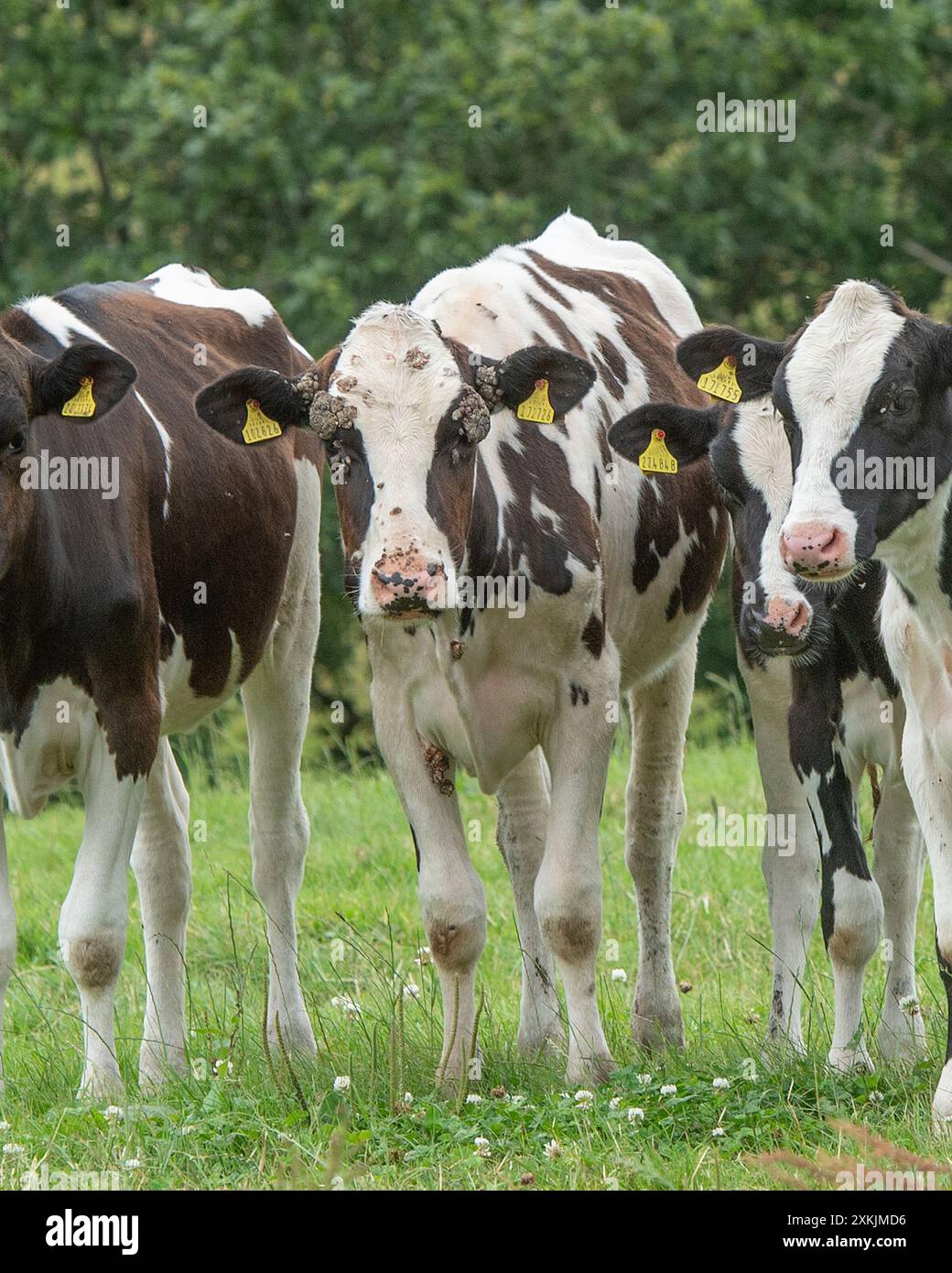
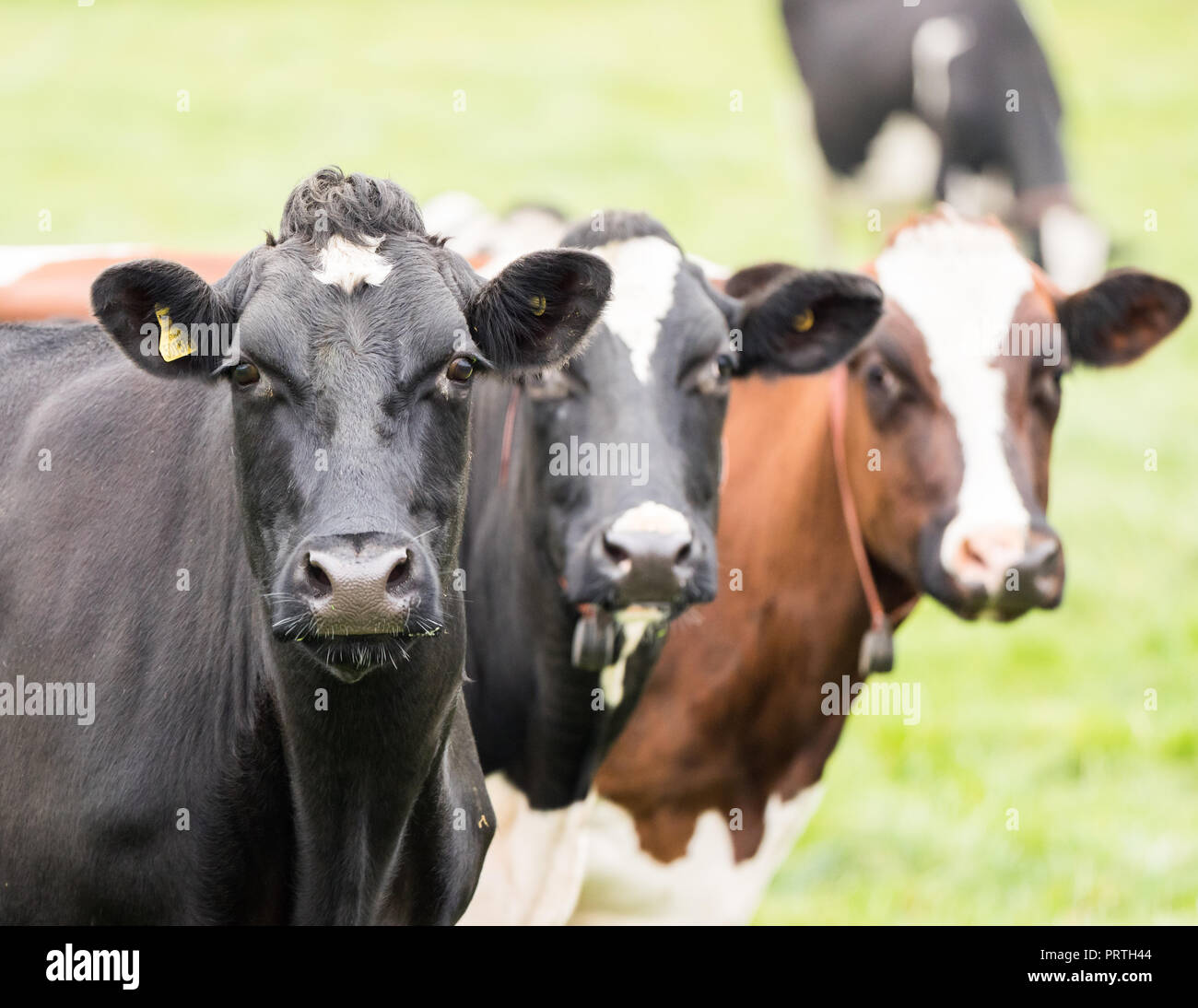
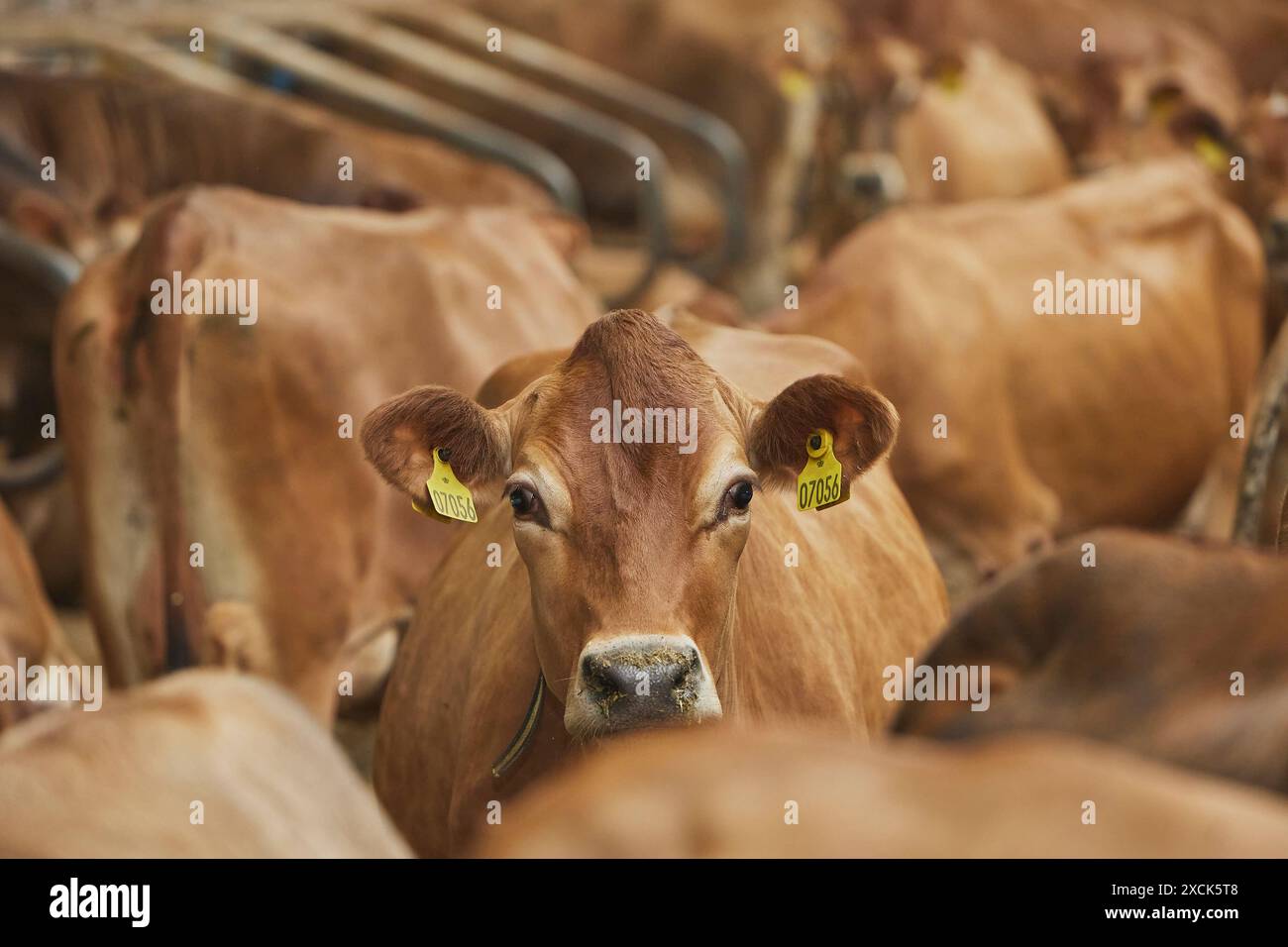
High-quality dairy photography captures the gentle nature and unique personalities of cattle through strategic lighting, animal-level perspectives, and a deep understanding of bovine behavior. To achieve "udderly cute" results in 2026, photographers must balance technical proficiency with ethical animal handling, focusing on expressive features like large eyes, textured coats, and the playful curiosity of calves.
The Aesthetic Appeal of Dairy Photography in 2026
The demand for adorable cow pics has seen a significant resurgence as digital audiences increasingly seek "rural escapism" and "cottagecore" aesthetics. In 2026, the visual language of dairy photography has evolved beyond simple farm documentation into a sophisticated niche of animal portraiture. This shift is driven by a global appreciation for agricultural heritage and the therapeutic effect of viewing serene, pastoral imagery. Cows, often perceived as the "gentle giants" of the domesticated world, offer a range of expressions—from the stoic majesty of a grazing bull to the wide-eyed innocence of a Jersey calf.
Capturing these moments requires more than just a camera; it requires an eye for the anthropomorphic qualities that humans find endearing. This includes "mlem" shots (cows licking their noses), the shaggy "bangs" of a Highland cow, and the rhythmic chewing of cud, which can look surprisingly thoughtful on camera. The goal of udderly cute dairy photography is to bridge the gap between the industrial reality of farming and the individual spirit of the animal, creating a connection that resonates with both rural and urban viewers.
Furthermore, the commercial market for these images has expanded. Brands in the organic food sector, eco-friendly textile industries, and even mental health apps utilize bovine imagery to evoke feelings of calm, reliability, and natural simplicity. As high-resolution displays become the standard for mobile and home devices, the technical requirements for these photos—sharpness, color depth, and dynamic range—have never been higher.
Essential Equipment for High-Quality Cow Portraits
To produce professional-grade adorable cow pics, photographers in 2026 rely on gear that can handle unpredictable outdoor environments and fast-moving subjects. While a smartphone can capture a quick "cow-fie," serious dairy photography requires specific focal lengths and sensor capabilities. A full-frame mirrorless camera is the industry standard, offering the dynamic range needed to capture detail in both deep shadows and bright, sunlit fur.
Lenses are the most critical investment in this niche. A 70-200mm f/2.8 lens is the "gold standard" for dairy photography. The telephoto reach allows the photographer to stay at a respectful distance, ensuring the cow remains relaxed and acts naturally. The wide aperture creates a shallow depth of field (bokeh), which is essential for making the subject "pop" against a potentially cluttered barn or pasture background. For close-up detail shots of wet noses, long lashes, or textured ears, a 100mm macro lens provides stunning clarity that highlights the intricate details of the animal's anatomy.
Environmental protection is another factor. Dairy farms can be dusty, muddy, or damp. Professional photographers prioritize weather-sealed bodies and lenses to protect their equipment from the elements and the occasional curious lick from a subject. Additionally, using a circular polarizer can help manage reflections on shiny coats and enhance the green of the grass, making the final image appear more vibrant and "udderly" professional without heavy post-processing.
Selecting Photogenic Breeds and Subjects
Not all cows are created equal when it comes to the "cute" factor. While every breed has its charm, certain cattle are historically more photogenic due to their physical characteristics. In 2026, the Highland cow remains the most popular subject for "adorable cow pics" due to its long, wavy hair and impressive horns, which provide excellent texture and a "wild" aesthetic even in a farm setting.
However, the dairy industry offers several other breeds that excel in front of the lens. The Jersey cow is a favorite among photographers for its "doe-eyed" appearance, smaller stature, and beautiful honey-colored coat. Their expressive faces and large, dark eyes naturally lean into the "cute" category. Conversely, the Holstein-Friesian, with its iconic black-and-white patches, provides high-contrast opportunities that look exceptional in both color and black-and-white photography.
| Breed | Key Visual Features | Ideal Lighting Conditions | Best "Cute" Factor |
|---|---|---|---|
| Highland | Shaggy coat, long horns, fringe | Overcast or Golden Hour | Texture and "Teddy Bear" look |
| Jersey | Large eyes, tan coat, delicate features | Soft morning light | Expressive, soulful gaze |
| Holstein | Bold B&W patterns, large frame | Diffused daylight | Iconic "Farmhouse" aesthetic |
| Belted Galloway | "Oreo" white belt, curly hair | Side lighting | Unique color blocking |
| Guernsey | Fawn/White patches, gentle face | Late afternoon | Warm, nostalgic tones |
When seeking out subjects, calves are the ultimate prize. Like most young animals, calves have disproportionately large ears and legs, leading to clumsy and adorable movements. Photographing a calf during its "zoomies"—the sudden bursts of energy where they skip and jump through the field—requires a high shutter speed (at least 1/1000s) but results in some of the most engaging dairy photography possible.
Composition and Lighting Techniques for Dairy Scenes
The difference between a snapshot and a professional dairy photograph often lies in the camera angle. Most amateur photographers take photos from a standing position, looking down at the cow. To create an "udderly cute" and immersive image, you must get down to the cow's eye level. Squatting or lying in the grass (with appropriate gear protection) creates a more intimate perspective, making the viewer feel as though they are part of the herd rather than a distant observer.
Lighting is the most powerful tool for mood setting. The "Golden Hour"—the hour after sunrise and the hour before sunset—is the preferred time for dairy photography. The low angle of the sun casts a warm, soft glow that highlights the contours of the cow's muscles and the texture of its coat. Backlighting a cow during this time can create a "halo effect" around its fur, which is particularly effective with shaggy breeds like the Highland or Belted Galloway.
In terms of composition, the "Rule of Thirds" remains vital. Placing the cow's eye on one of the intersecting lines of the grid draws the viewer's attention immediately to the animal's expression. It is also important to pay attention to the background. A stray fence post growing out of a cow's head or a distracting piece of farm machinery can ruin the "cute" aesthetic. Aim for clean, rolling hills, rustic wooden barns, or a simple, out-of-focus treeline to keep the focus on the animal.
Ethical Guidelines and Safety in Farm Photography
Professionalism in dairy photography extends beyond the camera; it involves a deep respect for the animals and the farmers who care for them. In 2026, biosecurity is a major concern for the agricultural industry. Photographers must always seek permission before entering private land and should follow all "Clean In, Clean Out" protocols to prevent the spread of diseases between farms. This often involves disinfecting boots and camera tripods.
Animal welfare is the top priority. A stressed cow will not look "cute" in a photo; it will look tense, with its ears pinned back or eyes showing the whites (the "whale eye"). To capture truly adorable cow pics, the photographer must be patient and move slowly. Avoid using flash, which can startle cattle and cause a stampede or aggressive behavior. Instead, rely on high ISO settings if the light is low.
Understanding cattle behavior is also a safety requirement. While dairy cows are generally docile, they are large animals that can weigh over 1,000 pounds. A protective mother cow (dam) can be dangerous if she feels her calf is threatened. Always maintain a safe exit route and never corner an animal. By working with the farmer, you can often identify which cows are the most "friendly" and accustomed to human interaction, ensuring a safer and more productive photo shoot.
Post-Processing for the Perfect "Udderly Cute" Finish
Post-processing is where the "adorable" factor is amplified. In 2026, the trend in dairy photography editing has moved away from heavy filters toward "natural enhancement." The goal is to make the colors vibrant and the textures sharp without making the image look artificial. Software like Adobe Lightroom and Capture One are the primary tools for this stage.
Key adjustments for dairy photography include:
- Texture and Clarity: Increasing these slightly can make the hair on a calf's head or the roughness of a cow's tongue stand out.
- Shadow Recovery: Cows often have dark faces; lifting the shadows allows the viewer to see the detail in their eyes.
- HSL Tuning: Enhancing the greens of the pasture and the oranges/browns of the cow’s coat can create a harmonious, warm color palette.
- Eye Sharpening: A subtle increase in sharpness and a tiny boost in exposure on the eyes can make the subject look more "alive" and engaging.
Consistency is key for photographers building a brand. Whether you prefer a "dark and moody" look for rustic barn shots or a "bright and airy" look for spring pasture scenes, maintaining a consistent editing style helps in creating a recognizable portfolio of dairy photography.
Licensing and Sharing Your Bovine Masterpieces
Once you have captured those perfect adorable cow pics, the next step is determining how to share or monetize them. In 2026, the market for high-quality animal imagery is diverse. Stock photography sites remain a viable option, but many photographers find more success through direct licensing to agricultural publications, calendar manufacturers, and interior decor companies.
Social media platforms like Instagram and TikTok (or their 2026 equivalents) are essential for building an audience. Using specific hashtags like #DairyPhotography, #CowLife, and #UdderlyCute can help your work reach cow enthusiasts globally. When sharing, it is helpful to include "fun facts" about the breed or the specific animal in the caption, as this adds educational value and increases engagement.
For those looking to sell physical prints, cow photography fits perfectly into the "Farmhouse Chic" interior design trend. Large-scale canvas prints of Highland cows or framed minimalist portraits of Jersey cows are popular items in home decor markets. Ensuring your files are high-resolution and color-profiled for print is crucial for success in this area.
Frequently Asked Questions
What is the best time of day to take adorable cow pics?
The best time is during the "Golden Hour," which occurs shortly after sunrise and just before sunset. During these times, the light is soft, warm, and directional, which minimizes harsh shadows and highlights the textures of the cow's coat, making them look more endearing and professional.
How do I get a cow to look at the camera?
Patience is the most effective tool. Cows are naturally curious and will eventually look toward a new person in their field. You can also use a gentle noise, like a low whistle or a crinkling bag (if the farmer allows it), to get their attention momentarily. Avoid loud noises that might cause them to flee.
Do I need a professional camera for dairy photography?
While modern smartphones in 2026 have impressive capabilities, a dedicated mirrorless or DSLR camera with a telephoto lens is superior for capturing "udderly cute" shots. The ability to use a shallow depth of field (blurring the background) and the higher resolution for large prints make professional gear a worthwhile investment for this niche.
Is it safe to photograph cows in an open field?
Generally, yes, but you must remain alert. Always keep a fence or a vehicle nearby if you are unfamiliar with the herd. Never get between a mother and her calf, and be mindful of bulls, which can be unpredictable. Always ask the farmer for guidance on the temperament of their specific animals before entering a pasture.
Which cow breed is the most popular for photography in 2026?
The Highland cow continues to lead in popularity due to its unique, shaggy appearance and "rugged" charm. However, Jersey cows are a close second for those seeking a "sweet" and "gentle" aesthetic, while Holsteins remain the top choice for traditional dairy-themed commercial work.
Next Steps for Aspiring Dairy Photographers
To begin your journey in dairy photography, start by contacting local small-scale farms or petting zoos. These environments are often more controlled and provide an opportunity to practice your techniques with cows that are comfortable around humans. Focus on mastering your "eye-level" shots and experimenting with different lighting conditions. As you build a small portfolio of adorable cow pics, you can approach larger dairy operations or start sharing your work online to find your specific "udderly cute" style. Always remember that the best photographs come from a place of patience and a genuine appreciation for these essential agricultural animals.