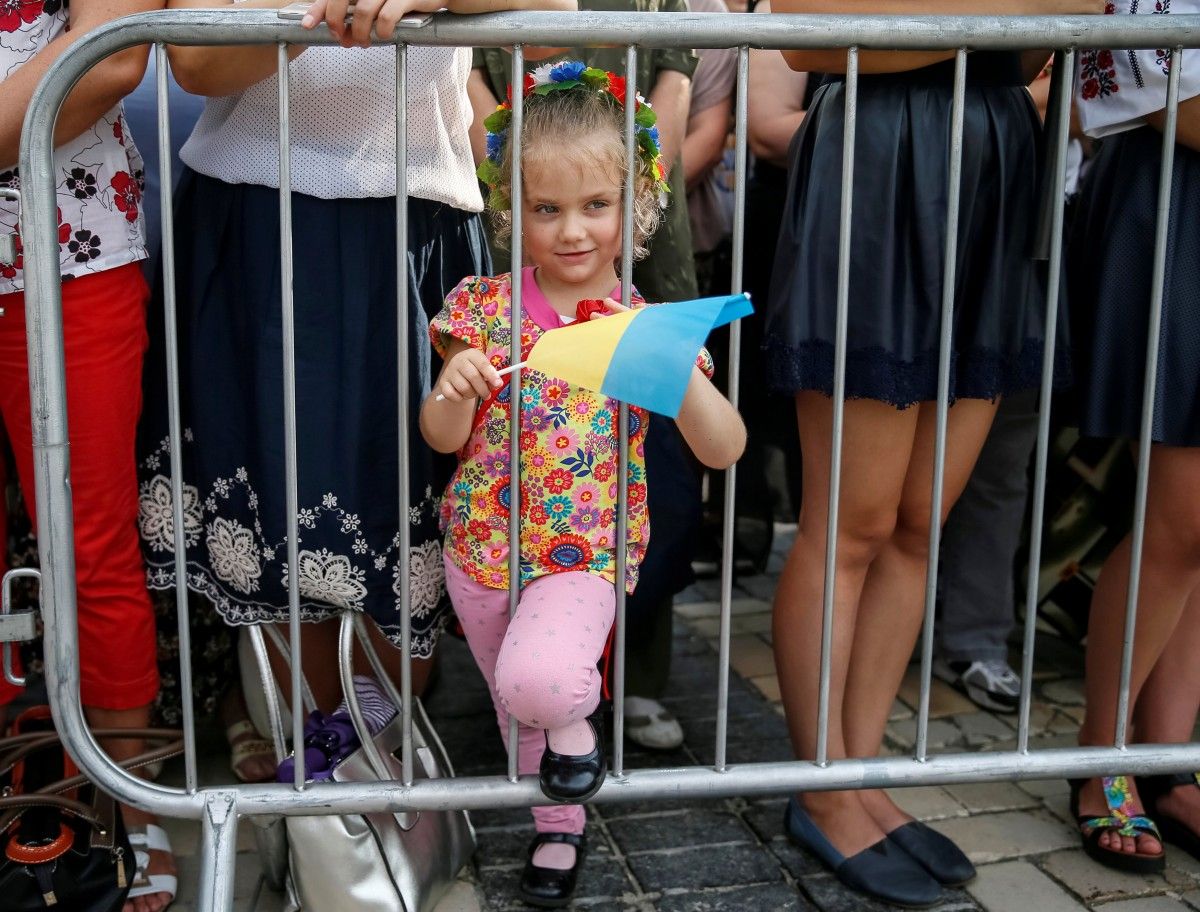
Adopting a Ukrainian orphan in 2026 remains a journey of profound compassion and significant legal commitment. While the process requires navigating complex international regulations and the evolving domestic policies of a nation in recovery, it offers a life-changing opportunity to provide a stable, loving home to a child who has often faced extraordinary hardship.
Understanding the Landscape of Ukrainian Adoption in 2026
The landscape of international adoption in Ukraine has undergone significant transformation over the last several years. Following the prolonged period of conflict that began in 2022, the Ukrainian government, through the Ministry of Social Policy, has prioritized the stabilization of its internal welfare systems. In 2026, the focus is heavily weighted toward "de-institutionalization," a movement aimed at moving children out of large orphanages and into family-style environments, such as foster homes or kinship care.
For international prospective parents, this means that the criteria for which children are eligible for intercountry adoption are more specific than in decades past. Generally, children available for international adoption are those for whom no permanent family solution could be found within Ukraine. This often includes older children, sibling groups who must stay together, or children with specific medical or developmental needs. Understanding this context is vital; your journey is not just about expanding your family, but about meeting a specific humanitarian need within the Ukrainian social framework.
The legal framework is governed by both Ukrainian national law and the Hague Convention on Protection of Children and Co-operation in Respect of Intercountry Adoption, which Ukraine joined in 2006. This ensures that every adoption is conducted with the best interests of the child as the primary consideration, preventing child trafficking and ensuring that the biological parents' rights have been legally terminated.
Eligibility Requirements for Prospective Parents
Before embarking on the adoption process, you must ensure you meet the stringent requirements set by the Ukrainian State Department for Adoptions and Protection of Rights of the Child. These rules are designed to ensure that the child transitions into a stable, sustainable environment.
Marital Status and Age
Ukraine typically requires that international adoptive parents be a married couple consisting of a man and a woman. While there have been rare exceptions for single individuals in specific circumstances (such as adopting a child with whom they have a pre-existing biological relationship), these are not the norm. Additionally, there must be an age difference of at least 15 years between the youngest adoptive parent and the child. The maximum age for adoptive parents is not explicitly capped by a single number, but the Ministry evaluates the parents' ability to raise the child to adulthood based on health and financial stability.
Financial and Health Standing
Prospective parents must demonstrate the financial capacity to provide for the child’s education, healthcare, and general upbringing. This is verified through employment records and tax returns. Health-wise, applicants must undergo a comprehensive medical examination. Certain chronic illnesses, psychiatric conditions, or infectious diseases may disqualify applicants, as the goal is to ensure the parents can provide long-term care without the risk of the child returning to the state system due to a parental health crisis.
Criminal Background and Home Study
A clean criminal record is mandatory. This includes background checks at the local, state, and federal levels in your home country. Furthermore, a licensed adoption agency must conduct a "Home Study." This is an exhaustive report that evaluates your living conditions, family dynamics, and emotional readiness to parent a child who has experienced trauma or loss.
The Step-by-Step International Adoption Process
The process of adopting from Ukraine is a multi-stage marathon involving both your home country’s authorities and the Ukrainian central authority.
- Agency Selection and Home Study: You must choose an accredited agency authorized to work in Ukraine. They will facilitate your home study and guide you through the "Dossier" phase.
- The Dossier Compilation: This is a collection of legalized documents including birth certificates, marriage licenses, medical reports, and financial statements. In 2026, these documents must be apostilled (a form of international notarization) to be recognized by Ukrainian courts.
- Submission to the Ministry of Social Policy: Once your dossier is translated and submitted to the Ministry in Kyiv, it is reviewed for compliance. If approved, you are placed on a waiting list for an appointment.
- The Trip to Ukraine and Matching: During your first trip, you will visit the Ministry to view files of children who match your approved criteria. Once you identify a child, you travel to the specific region (Oblast) where the child resides to meet them and establish a bond.
- The Court Process: After the bonding period, you file a petition with a local Ukrainian court. A judge will review the case, the child’s social worker will testify, and if the judge is satisfied, an adoption decree is issued.
- Finalizing Travel Documents: Following a mandatory waiting period (usually 30 days, though it can be waived in some cases), you obtain a new Ukrainian birth certificate and passport for the child. You then visit your country's embassy in Kyiv to secure an immigrant visa for the child.
Financial Considerations and Costs
Adoption is a significant financial undertaking. It is essential to budget for both the fixed agency fees and the variable "in-country" costs. In 2026, the economic environment in Ukraine means that travel and accommodation can fluctuate.
| Expense Category | Estimated Cost (USD) | Description |
|---|---|---|
| Home Study & Agency Fees | $15,000 – $25,000 | Covers administrative costs, training, and dossier assistance. |
| Dossier & Legalization | $2,000 – $4,000 | Notarization, apostilles, and certified translations into Ukrainian. |
| Ukrainian Legal Fees | $3,000 – $7,000 | Local facilitators, legal representation in court, and document filing. |
| Travel and Lodging | $8,000 – $15,000 | Includes multiple trips to Kyiv and regional centers, plus long-term stays. |
| Post-Placement Reports | $1,500 – $3,000 | Mandatory reports submitted back to Ukraine after the adoption is finalized. |
Note: These figures are estimates and can vary based on your home country's requirements and the specific region of Ukraine where the child resides.
Preparing Your Home for a Child from Ukraine
Adopting a child from a country with a history of recent conflict requires specialized preparation. Many children in the Ukrainian system have experienced "Complex Trauma," which can manifest in various behavioral and emotional ways.
Language and Culture
Even if you are adopting a young child, they have been immersed in the Ukrainian language and culture. It is helpful to learn basic Ukrainian phrases and integrate Ukrainian traditions into your home. This provides a bridge of familiarity that can ease the transition. In 2026, there are numerous digital resources and community groups dedicated to preserving Ukrainian heritage for the diaspora and adoptive families.
Trauma-Informed Parenting
Traditional parenting methods may not be effective for a child who has spent years in an institutional setting or experienced the displacement of war. Prospective parents should seek training in Trust-Based Relational Intervention (TBRI) or similar trauma-informed frameworks. These methods focus on building felt safety and connection before addressing behavior.
Healthcare Integration
Upon arrival in your home country, the child should undergo a comprehensive evaluation by a pediatrician specializing in international adoption. This is necessary to address any undiagnosed medical conditions, nutritional deficiencies, or developmental delays common in institutionalized settings.
Beyond Adoption: Supporting Ukrainian Orphans
International adoption is not the only way to give hope to Ukrainian orphans. For many, the most effective way to help is by supporting the infrastructure within Ukraine that keeps families together or provides high-quality local care.
- Hosting Programs: Some organizations facilitate short-term hosting programs where Ukrainian children visit families during the summer or winter holidays. This provides the child with a "soft landing" and a glimpse of family life, often leading to a permanent adoption or a lifelong mentorship.
- Supporting De-institutionalization: You can donate to NGOs that focus on building "Family-Type Children's Homes" (DBST) within Ukraine. These are smaller, residential homes where a set of foster parents cares for 5 to 10 children in a family-like atmosphere.
- Educational Sponsorship: Providing funds for the higher education or vocational training of Ukrainian orphans who are "aging out" of the system (turning 18) is a critical intervention. This prevents the cycle of poverty and homelessness that often affects youth leaving state care.
Frequently Asked Questions
Can I adopt a healthy infant from Ukraine?
It is very rare for healthy infants to be available for international adoption in Ukraine. Ukrainian law mandates that a child must be registered with the central authority for at least one year before they are eligible for intercountry adoption, unless they have specific medical needs. This means most children available to foreigners are at least 5 to 7 years old or are part of a sibling group.
How long does the entire process take in 2026?
From the moment you begin your home study to the day you bring your child home, the process typically takes 18 to 36 months. The timeline is heavily dependent on how quickly you can complete your dossier and the availability of appointments at the Ministry of Social Policy in Kyiv.
Do I need to speak Ukrainian to adopt?
While you do not need to be fluent, having a basic grasp of the language or using a reliable translator is essential. During the court process and your visits to the orphanage, communication is key. Most agencies provide a local facilitator who acts as a translator and guide throughout your stay in Ukraine.
What are post-placement reports?
Ukraine requires adoptive parents to submit periodic reports on the child’s welfare, health, and education until the child turns 18. These reports are usually required annually for the first three years and then every three years thereafter. Failing to submit these can jeopardize the ability of other families from your country to adopt from Ukraine in the future.
Can same-sex couples adopt from Ukraine?
As of 2026, Ukrainian law does not recognize same-sex marriage or partnerships for the purpose of adoption. Prospective parents must be a heterosexual married couple to be eligible for the standard international adoption process.
Immediate Steps for Prospective Parents
If you feel called to this path, your first action should be to research and contact a Hague-accredited adoption agency that has an active and successful program in Ukraine. Request their current fee schedule and ask for references from families who have completed adoptions in the post-2022 era.
Simultaneously, begin educating yourself on the history and culture of Ukraine. Understanding the resilience of the Ukrainian people will not only help you navigate the bureaucracy but will also provide a foundation of respect and empathy for your child's heritage. Your commitment to giving hope starts with a willingness to learn, wait, and advocate for a child’s right to a family.