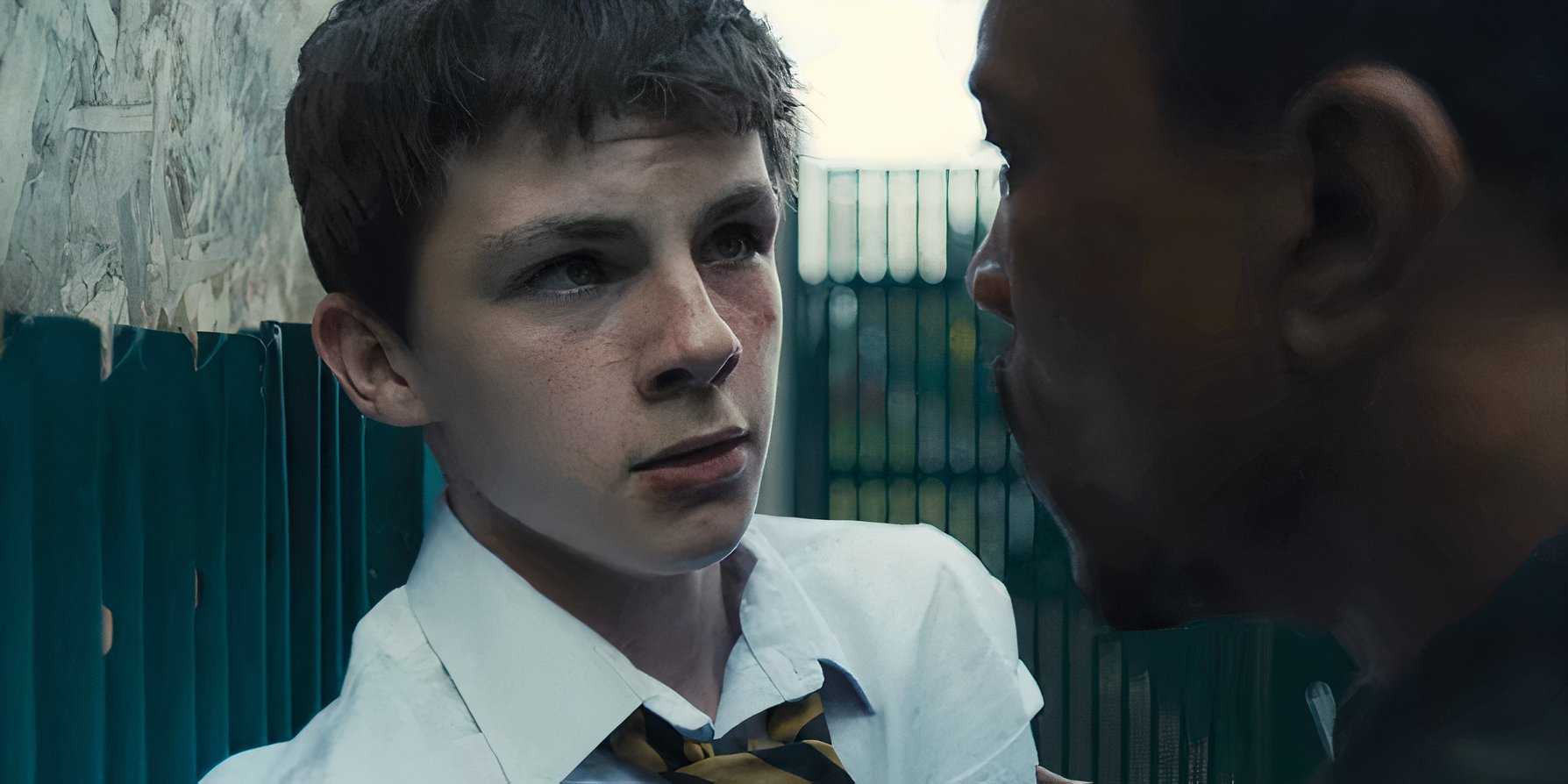
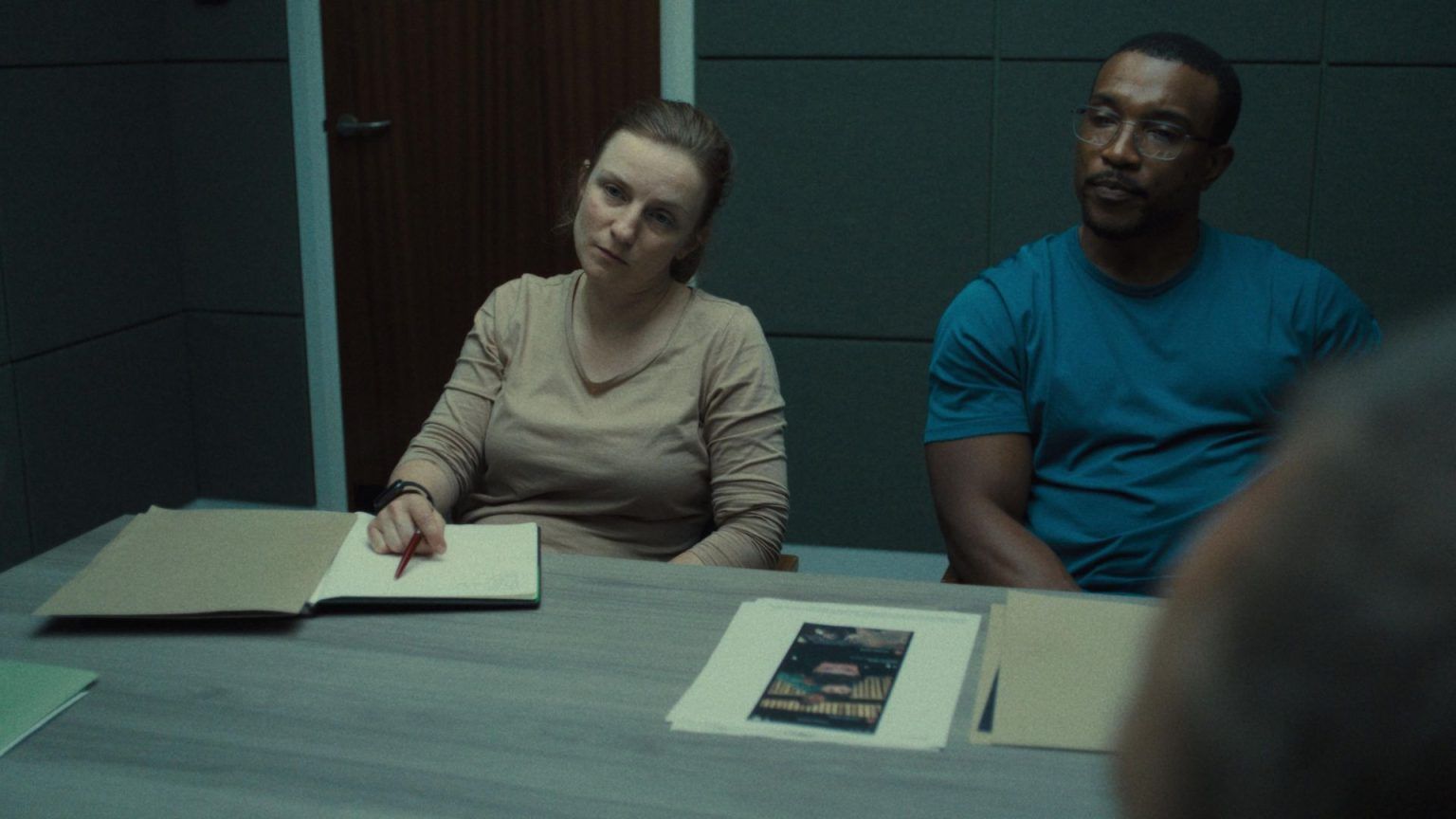
The Netflix limited series Adolescence is a groundbreaking crime drama centered on Jamie, a 13-year-old boy charged with the murder of a schoolmate. Created by Stephen Graham and Jack Thorne, and directed by Philip Barantini, the series is renowned for its real-time, one-shot filming technique that captures Jamie’s descent into the UK criminal justice system with unprecedented emotional intensity.
The Premise of Adolescence and the Role of Jamie
At the heart of Adolescence is Jamie, portrayed by newcomer Robinson Cassarino. The series begins not with the crime itself, but with the immediate, visceral aftermath. Jamie is a quiet, seemingly ordinary teenager whose life is shattered when he is identified as a primary suspect in a brutal stabbing. The narrative follows the ticking clock of the first few hours and days following his arrest, focusing on the interrogation rooms, the detention centers, and the frantic efforts of his family to understand how their son became a focal point of a murder investigation.
Unlike traditional police procedurals that focus on the "whodunnit" aspect, Adolescence is a character study of a child in crisis. Jamie’s perspective is the lens through which the viewer experiences the overwhelming weight of the law. The character is written with a delicate balance of vulnerability and ambiguity; as the audience, we are thrust into his shoes, feeling the confusion and terror of a minor navigating a system designed for adults. Jamie’s silence, his outbursts of fear, and his interactions with his father, played by Stephen Graham, form the emotional backbone of the series.
The series is not merely about a trial; it is about the "loss of innocence" in a literal and legal sense. By focusing on Jamie, the creators explore the concept of "doli incapax" (the age of criminal responsibility) and the societal impulse to demonize youth in the face of tragedy.
The Revolutionary One-Shot Filmmaking Technique
One of the most discussed aspects of Adolescence in 2026 is its technical execution. Director Philip Barantini, who previously mastered the one-take format in the film Boiling Point, utilizes the same method here but on a much more ambitious scale. Each of the four episodes is filmed in a single, continuous shot, meaning there are no visible cuts for the entire duration of the episode.
This is not a mere gimmick; it is essential to Jamie’s story. The continuous shot forces the viewer to remain in the room with Jamie. There is no relief from the tension, no "fade to black" to allow the audience to catch their breath. When Jamie is being interrogated, the camera lingers on his face, capturing every micro-expression of fear or defiance. When the action moves from a police station to a family home, the transition is seamless, emphasizing the interconnectedness of the legal process and the domestic fallout.
The logistical challenges of this technique are immense. The production required months of rehearsals, precise choreography between the actors and the camera operators, and a set design that allowed for 360-degree movement. For the actor playing Jamie, this meant performing 60-minute "plays" where a single mistake could ruin an entire day’s filming. This high-stakes environment translates into a palpable energy on screen, making Jamie’s ordeal feel terrifyingly immediate.
Key Characters and Cast Dynamics
While Jamie is the central figure, the ensemble cast provides the necessary context for his journey through the justice system. The chemistry between the leads is what grounds the high-concept technical delivery.
- Jamie (Robinson Cassarino): The protagonist. Cassarino’s performance has been widely praised for its subtlety. He manages to convey the complexity of a child who may have committed a terrible act but remains, fundamentally, a child.
- Eddie (Stephen Graham): Jamie’s father. Graham plays a man torn between his unconditional love for his son and the horrifying possibility that his son is a killer. His performance is a masterclass in suppressed grief and protective rage.
- The Defense Solicitor: A crucial figure who acts as Jamie’s only shield against the prosecution. Their relationship highlights the difficulties of defending a minor who may not fully grasp the consequences of their statements.
- The Lead Detective: Representing the investigative side, this character provides the friction against Jamie’s family, pushing for the truth while navigating the strict protocols required when questioning a child.
The interplay between Eddie and Jamie is particularly poignant. In the one-shot format, their long silences and brief, whispered conversations carry more weight than scripted monologues. The audience sees the physical toll the investigation takes on their bond, as trust is tested by the unfolding evidence.
Understanding the Legal and Social Context
The "Ultimate Guide" to Jamie’s story in Adolescence must address the social commentary embedded in the script. Jack Thorne, known for his work on National Treasure and Help, uses Jamie’s case to critique the UK’s approach to juvenile justice.
In the series, Jamie is caught in a system that often treats 13-year-olds with the same procedural rigors as adults. The show examines the "Joint Enterprise" laws and the pressure on police to secure quick convictions in high-profile cases involving knife crime. Jamie isn't just a suspect; he is a symbol of a broader societal failure to protect and rehabilitate at-risk youth.
The series also touches on the role of social media and public perception. Even before Jamie is officially charged, the "court of public opinion" has already rendered a verdict. The one-shot technique occasionally pans to screens or backgrounds showing the external world’s reaction, contrasting the chaotic noise of the public with the sterile, quiet isolation of Jamie’s cell.
Technical Specifications and Comparative Analysis
To understand where Adolescence stands in the landscape of 2026 television, it is helpful to compare it to other high-tension dramas that utilize similar themes or techniques.
| Feature | Adolescence (2025/2026) | Boiling Point (2021) | Time (Season 1, 2021) |
|---|---|---|---|
| Format | 4-Part Limited Series | Feature Film / Series | 3-Part Anthology |
| Directorial Style | Continuous One-Shot | Continuous One-Shot | Traditional Narrative |
| Primary Theme | Youth Justice & Trauma | Workplace Pressure | Prison Reform & Guilt |
| Lead Protagonist | Jamie (13-year-old) | Andy (Chef/Manager) | Mark (Inmate) |
| Key Creative | Thorne / Graham / Barantini | Barantini / Graham | Jimmy McGovern / Graham |
| Emotional Tone | Intimate, Claustrophobic | High-Octane, Frantic | Bleak, Redemptive |
Production and Filming Locations
The filming of Adolescence took place primarily in the UK, utilizing locations that could accommodate the long, sweeping takes required by the one-shot format. Unlike many series that use multiple sets across different cities, Adolescence relied on heavily modified soundstages and specific urban locations in Sheffield and London that were "locked down" to allow the camera to move between interiors and exteriors without interruption.
The lighting design was particularly complex. In a traditional show, lights are moved between every shot. In Adolescence, the lighting had to be integrated into the set itself (practical lighting) or moved by technicians hidden just out of the camera's view. This creates a realistic, gritty aesthetic that mirrors the harsh reality of Jamie’s situation. The sound design also plays a massive role; because there are no cuts, the ambient noise of the police station or the hum of the detention center becomes a constant, droning presence that heightens the viewer’s anxiety.
FAQ: Frequently Asked Questions about Jamie and Adolescence
Who plays Jamie in the TV series Adolescence?
Jamie is played by Robinson Cassarino. As a newcomer, his performance was a breakout role in late 2024 and 2025, earning him significant critical acclaim for the maturity and restraint he brought to the character of a 13-year-old murder suspect.
Is the series Adolescence based on a true story?
While Adolescence is not a direct adaptation of one specific legal case, it is heavily "inspired by" the realities of the UK justice system and real-life instances of youth crime. Jack Thorne and Stephen Graham conducted extensive research with legal experts and social workers to ensure Jamie’s experience felt authentic to the current legal climate.
Why is the show filmed in one shot?
The one-shot technique was chosen by director Philip Barantini to create a sense of "real-time" urgency and total immersion. By never cutting away from the action, the audience is forced to experience the trauma alongside Jamie, making the procedural elements feel personal rather than clinical.
How many episodes are in the series?
The series consists of four episodes. Each episode covers a specific timeframe in the immediate aftermath of the crime, maintaining the one-shot format throughout each installment.
What is the age of criminal responsibility featured in the show?
The show focuses on the fact that in England and Wales, the age of criminal responsibility is 10 years old. This means that Jamie, at 13, is fully liable for his actions under the law, a point of significant contention and emotional weight throughout his story.
Where can I watch Adolescence in 2026?
Adolescence is a Netflix original production. It is available for streaming globally on the Netflix platform. Viewers will need a standard subscription to access the series.
How to Approach Watching Adolescence
For viewers looking to engage with Adolescence, it is recommended to watch the episodes in a quiet environment without distractions. Because of the one-shot filming style and the intense focus on Jamie’s emotional state, small details in the background or subtle shifts in performance are vital to understanding the full story.
The series is emotionally demanding and deals with sensitive themes involving minors and violence. Viewers should be prepared for a viewing experience that is more akin to a high-stakes stage play than a standard television drama. After completing the series, many viewers find it helpful to research the "doli incapax" laws and the history of the one-take film technique to fully appreciate the technical and social achievements of the production.