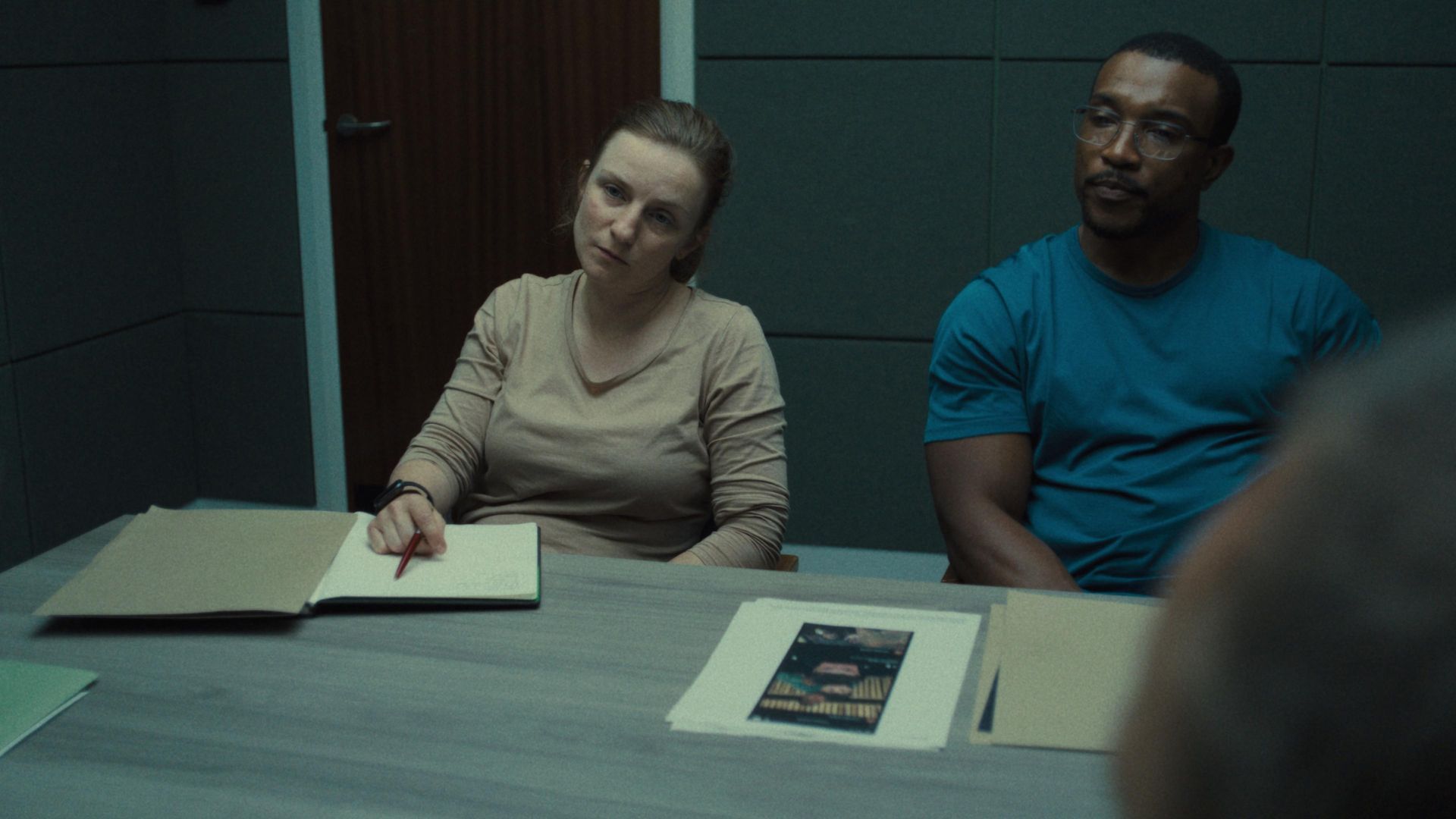
The ending of the Netflix limited series Adolescence reveals that the death of the young victim was not a premeditated murder, but a tragic, accidental escalation during a moment of profound psychological distress. The "shocking twist" centers on the revelation that Jamie Miller’s silence throughout the investigation was an attempt to protect the memory of his deceased mother and the fragile stability of his father, Pete, rather than a sign of calculated guilt.
The Narrative Foundation of Adolescence
To understand the weight of the finale, one must first look at the unique structural choices made by creators Stephen Graham and Jack Thorne. Filmed in a continuous, one-shot style, the series forces the audience into the suffocating, real-time experience of a family in crisis. This technical choice is vital to the ending because it mirrors the "no-escape" reality of 13-year-old Jamie Miller as he is processed through a legal system ill-equipped to handle the nuances of neurodivergence and childhood trauma.
Throughout the series, the central question isn't just "did he do it?" but "why is he not defending himself?" The police investigation, led by a weary but determined detective corps, operates on the assumption that Jamie’s lack of an alibi and his erratic behavior point toward a cold-blooded killing. However, the ending shifts the perspective from a criminal procedural to a devastating character study.
The series is set against the backdrop of a working-class community where social services are stretched thin and the "justice" provided is often more about closure than truth. By the time we reach the final episode, the evidence against Jamie seems insurmountable, yet the emotional core of the show suggests a truth that the evidence cannot capture.
The Truth Behind the Death of the Victim
The climax of Adolescence brings the audience into the literal and metaphorical "room" where the truth resides. During the final interrogation and subsequent flashback sequences, we learn that the death of the classmate was a result of a physical altercation that spiraled out of control.
Jamie and the victim had a complex relationship—one marked by the victim’s bullying of Jamie regarding his mother’s recent death. In the final confrontation, Jamie’s emotional dysregulation reached a breaking point. The "shocking twist" isn't that someone else killed the child; it is the realization that the death was a mechanical accident caused by a panicked 13-year-old who did not understand the lethality of his surroundings.
The "truth" the show explores is the thin line between a tragic accident and a criminal act. Because Jamie was unable to articulate his trauma or the specific events of that afternoon due to his processing issues and grief, the legal system categorized him as a "violent offender." The twist is a biting critique of how the law interprets silence as malice.
Why Jamie Remained Silent: The Role of Pete Miller
A significant portion of the ending’s emotional impact comes from the relationship between Jamie and his father, Pete (played by Stephen Graham). Throughout the series, Pete’s desperate attempts to protect his son often inadvertently make Jamie look more guilty.
The ending explains that Jamie’s silence was a misplaced act of love. He believed that if he told the full truth—including the emotional state he was in—it would further break his father, who was already drowning in grief over the loss of his wife. Jamie saw his own "monstrous" moment as a failure that his father could not survive.
Pete’s realization in the final scenes is the most heart-wrenching part of the twist. He discovers that his son wasn't hiding a dark nature, but was hiding a profound sense of shame and a desire to spare his father more pain. This circular tragedy—where the parent tries to save the child and the child tries to save the parent—ultimately results in both being crushed by the weight of the legal system.
The Structural Significance of the One-Shot Ending
The final thirty minutes of Adolescence are perhaps the most grueling in modern television. By maintaining the continuous shot, the directors ensure that the viewer cannot look away from the consequences of the "truth." As the legal machinery moves toward a conviction, we see the real-time breakdown of the Miller family.
This technical approach highlights the "twist" of the series: that the tragedy doesn't end with the death of the victim. It continues through the systematic dismantling of a child's future. The ending shows us that even when the "truth" is revealed (that it was an accident, not murder), the momentum of the prosecution is nearly impossible to stop. The law requires a specific type of narrative, and Jamie’s tragic accident doesn't fit into the neat boxes required for leniency.
| Character | Role in the Narrative | Final Outcome/Realization |
|---|---|---|
| Jamie Miller | Accused 13-year-old | Revealed to be a victim of his own trauma; faces severe legal consequences despite the accidental nature of the act. |
| Pete Miller | Jamie’s Father | Realizes his son’s silence was an act of protection; left emotionally shattered by the failure of the system. |
| Detective Eddleston | Lead Investigator | Forced to confront the reality that a "closed case" does not always mean justice was served. |
| The Victim | Deceased Classmate | Revealed to have been involved in a cycle of bullying that contributed to the fatal escalation. |
The Legal and Social Commentary of the Twist
The ending of Adolescence serves as a powerful indictment of the age of criminal responsibility in the UK and similar jurisdictions. By portraying the "shocking twist" as a mundane, tragic accident rather than a calculated murder, the show forces the audience to question why a 13-year-old is being tried in a manner that mirrors adult criminal proceedings.
The truth behind the twist is that there are no villains in the traditional sense. The victim was a child, the perpetrator was a child, and the families on both sides are left in ruins. The "twist" is the audience's realization that they were looking for a "bad guy" when the reality was far more complicated and depressing.
The series highlights several systemic failures:
- Mental Health Support: Jamie’s neurodivergence and grief were never properly addressed prior to the incident.
- Police Procedure: The interrogation of minors is shown to be high-pressure and poorly suited for children with communication difficulties.
- Community Breakdown: The rush to judgment by neighbors and the media created an environment where a fair trial was nearly impossible.
Analyzing the Final Scene: Hope or Despair?
The very last moments of Adolescence see Jamie being transported away. The camera lingers on his face, capturing a mix of terror and a strange sense of relief that the truth is finally out, even if it didn't "save" him.
The truth behind the shocking twist is that "the truth" does not always set you free. In the world of Adolescence, the truth arrived too late to stop the gears of the judiciary. The ending is a somber reminder that in cases involving children, the focus on punishment often overshadows the need for rehabilitation and understanding.
The final shot, which finally breaks the continuous take or fades to a stark silence, signifies the end of the "real-time" trauma and the beginning of a long, cold reality for the Miller family. It leaves the viewer not with a sense of satisfaction that the mystery is solved, but with a profound sense of loss.
Was there a third party involved in the death?
No. The ending clarifies that the incident was strictly between Jamie and the victim. While early episodes hinted at a possible third-party witness or accomplice, the twist reveals these were red herrings designed to mimic the confusion of a real-life police investigation. The tragedy was entirely internal to Jamie’s experience.
Why did the show use the continuous shot for the ending?
The continuous shot (one-shot) technique was used to prevent the audience from gaining any emotional distance from the events. In the finale, this creates a sense of "inescapability," mirroring Jamie’s experience as he is moved through the police station to the courtroom. It ensures that the "truth" feels as raw and immediate as possible.
Does Jamie go to prison at the end of Adolescence?
The ending implies a conviction of manslaughter rather than murder, but due to the high-profile nature of the case and the lack of an early confession, Jamie is sent to a Youth Offending Institution. The series concludes with the beginning of his sentence, emphasizing that even a "truthful" ending results in the loss of his childhood.
What was the significance of the mother’s death in the twist?
Jamie’s mother’s death is the catalyst for his mental state. The twist reveals that the victim had been mocking Jamie about his mother’s passing just before the struggle occurred. Jamie’s reaction was a "fight or flight" response triggered by unresolved grief, which the ending frames as a failure of the support systems that should have helped him after his mother died.
Is the series based on a true story?
While Adolescence is a fictional narrative, it is heavily inspired by real-life cases involving the age of criminal responsibility and the complexities of the UK legal system. Stephen Graham and Jack Thorne conducted extensive research into youth justice to ensure the "shocking twist" felt grounded in a reality that many families actually face.
Final Assessment: Navigating the Aftermath
For viewers who have finished Adolescence, the best next action is to reflect on the thematic questions the show raises regarding youth justice. The "shocking twist" is designed to be uncomfortable; it challenges the viewer’s initial desire to see Jamie punished.
The truth revealed in the ending is that the legal system is often a blunt instrument used on delicate situations. To truly process the ending, one must look beyond the "whodunnit" aspect and consider the "whydunnit"—the systemic and personal failures that allowed a tragic accident to be framed as a monstrous crime. The series ends not with a resolution of the characters' pain, but with a call to the audience to witness the human cost of a "tough on crime" approach to childhood trauma.