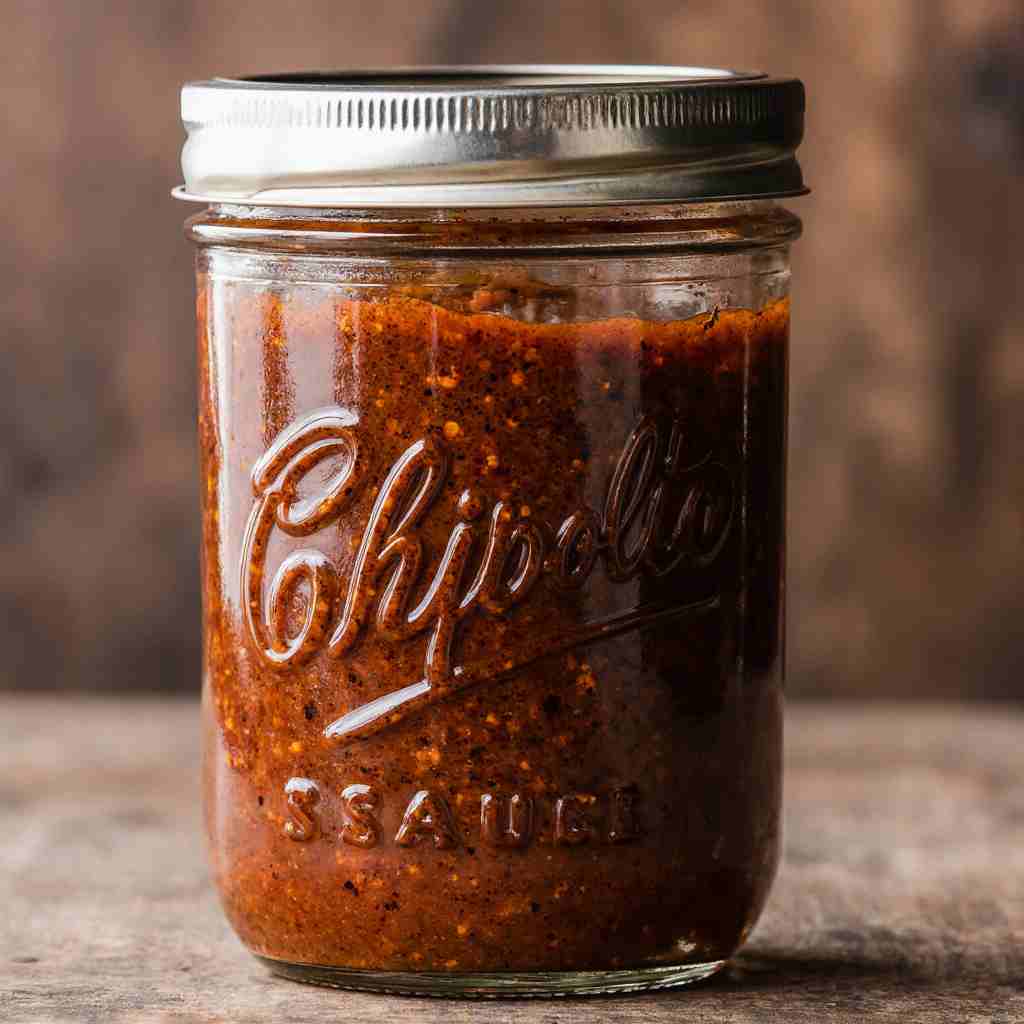
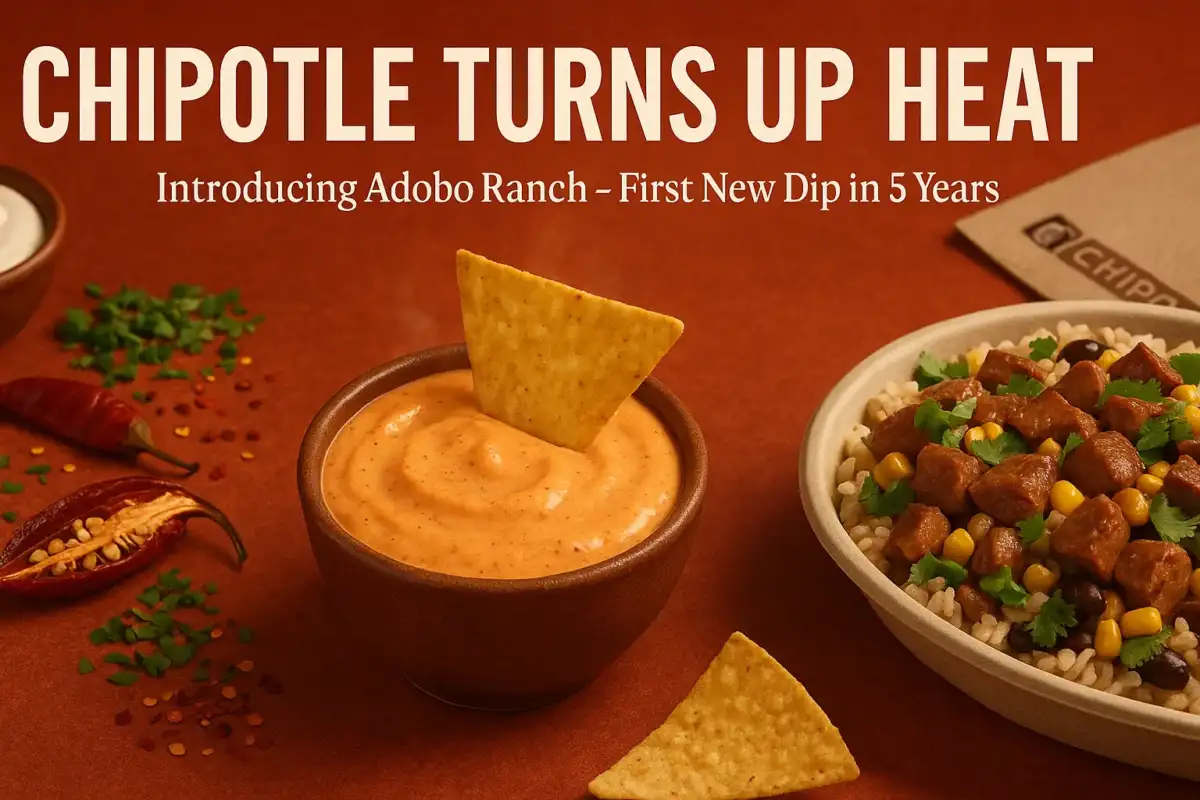
The adobo ranch chipotle flavor profile is a sophisticated fusion of smoky Mexican chipotle peppers, tangy Spanish-inspired adobo spices, and the cooling, herbaceous creaminess of American ranch dressing. When prepared with gluten-free certified ingredients, it provides a safe, high-intensity condiment suitable for Celiac-safe diets and culinary enthusiasts seeking a complex, multi-layered taste experience without wheat-based stabilizers.
The Anatomy of the Adobo Ranch Chipotle Flavor Profile
To understand why this combination is frequently called the "ultimate flavor explosion," one must examine the three distinct pillars that support its structure. In 2026, culinary trends have shifted toward "hyper-fusion," where the boundaries between traditional regional sauces are blurred to create maximum umami and sensory impact.
The Adobo Foundation
Historically, adobo refers to a marinade or seasoning mix. In the context of this sauce, it specifically points to the rich, reddish-brown sauce in which chipotle peppers are typically canned. This base consists of tomato paste, vinegar, garlic, and a proprietary blend of spices like oregano and cumin. The adobo provides the "bass notes" of the sauce—deep, earthy, and slightly acidic.
The Chipotle Intensity
Chipotles are dried, smoked jalapeños. Their role in this flavor explosion is to provide a slow-burn heat and a profound wood-smoke aroma. Unlike raw peppers, chipotles offer a leathery sweetness that bridges the gap between the acidic adobo and the fatty ranch. The capsaicin levels are moderate, making the sauce accessible yet stimulating.
The Ranch Harmonizer
Ranch dressing acts as the mediator. By utilizing a base of buttermilk, mayonnaise, or sour cream, it introduces fats that bind to the capsaicin molecules. This interaction prevents the heat from overwhelming the palate, allowing the nuances of the herbs—typically dill, chives, and parsley—to emerge. The result is a cyclical tasting experience: smoke and spice followed by a cooling, creamy finish.
The Gluten-Free Mandate: Navigating Hidden Risks
For those requiring a gluten-free (GF) diet, the "ultimate flavor explosion" can quickly become a health hazard if ingredients are not scrutinized. While the primary components of ranch and chipotle are naturally gluten-free, commercial processing introduces several "hidden" gluten sources.
Canned Chipotle in Adobo
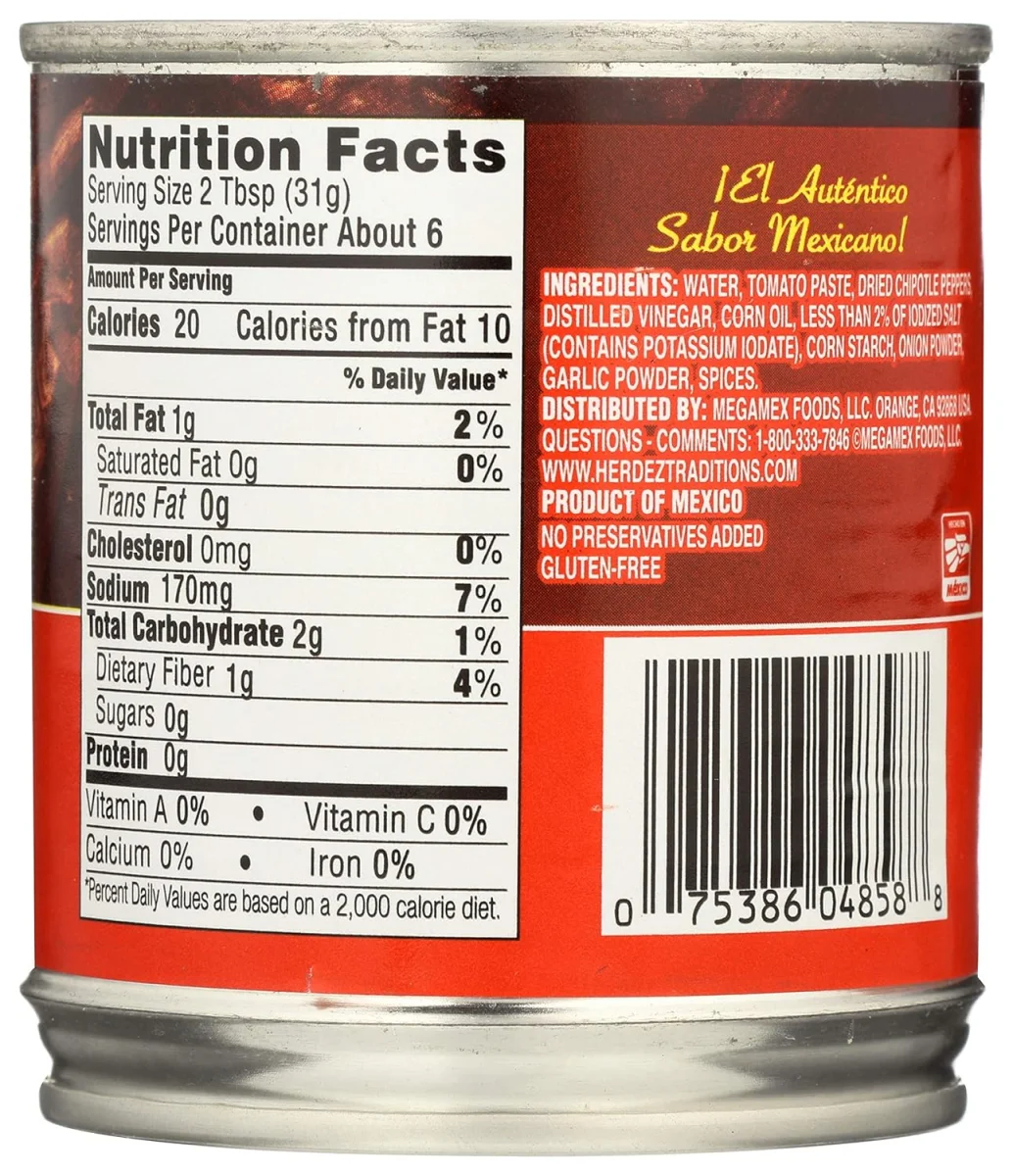
The most significant risk factor in this recipe is the canned chipotle in adobo. Historically, many manufacturers used wheat flour or modified food starch derived from wheat as a thickening agent for the adobo sauce. In 2026, while many brands have transitioned to cornstarch or arrowroot, it remains imperative to look for the "Certified Gluten-Free" seal. Cross-contamination in facilities that process wheat-based sauces is a frequent point of failure for sensitive individuals.
Thickening Agents and Stabilizers
Commercial ranch dressings often use stabilizers to maintain emulsification. While xanthan gum and guar gum are GF-safe, some lower-cost brands may use malt-based flavorings or barley-derived ingredients. When making or purchasing an adobo ranch chipotle sauce, verify that the vinegar source is distilled (which removes gluten proteins) or derived from cider/wine, rather than being a non-distilled malt vinegar.
Spices and Anti-Caking Agents
In the adobo spice blend, individual spices like cumin or garlic powder can sometimes be processed with wheat-based anti-caking agents. High-quality, single-origin spices or those certified by organizations like the Gluten-Free Certification Organization (GFCO) are the gold standard for ensuring the "flavor explosion" doesn't result in an inflammatory response.
Technical Specifications of the Perfect Blend
Achieving the ideal viscosity and flavor balance requires attention to the ratios of fats, acids, and solids. The following table outlines the technical considerations for three common variations of the gluten-free adobo ranch chipotle profile.
| Characteristic | The "Crema" Style (Light) | The "Spread" Style (Dense) | The "Dressing" Style (Liquid) |
|---|---|---|---|
| Primary Base | Greek Yogurt / Lime Juice | Heavy Mayonnaise / Sour Cream | Buttermilk / GF Mayo Mix |
| GF Thickener | Natural protein coagulation | Emulsified egg yolks | Xanthan gum (0.1% by weight) |
| Heat Index | High (Less fat to mask heat) | Low (High fat buffers spice) | Medium (Balanced dilution) |
| Shelf Life | 5–7 Days (Refrigerated) | 10–14 Days (Refrigerated) | 7–10 Days (Refrigerated) |
| Best Use | Street Tacos, Grain Bowls | Burgers, Sandwiches | Salads, Wings, Pizza Dip |
Crafting the Sauce: A Professional Methodology
To achieve the "ultimate flavor explosion," the assembly process must focus on emulsification and flavor maturation. Simply stirring the ingredients together is insufficient; the oils from the chipotle and the water-based elements of the ranch must be forced into a stable state.
- Aromatic Extraction: Begin by finely mincing the chipotle peppers into a paste. If using canned peppers, include two tablespoons of the adobo liquid for every three peppers. This ensures the concentrated spices are evenly distributed.
- Acid Activation: Mix the chipotle paste with a small amount of lime juice or apple cider vinegar. This "wakes up" the capsaicin and helps thin the paste before it hits the heavy fats.
- The Emulsion Step: Slowly whisk the chipotle-adobo mixture into your gluten-free ranch base. For the smoothest texture, a high-speed blender or immersion blender is recommended. This breaks down the pepper skins into microscopic particles, ensuring every drop of sauce carries the full flavor profile.
- Maturation Period: This is the most critical step. The sauce should be stored in an airtight glass container for at least four hours (ideally 24 hours) before use. During this time, the dried herbs in the ranch rehydrate, and the smoky notes of the chipotle permeate the dairy or plant-based fats through a process of molecular diffusion.
Culinary Applications: Beyond the Dipping Bowl
The versatility of a gluten-free adobo ranch chipotle sauce makes it a staple in modern 2026 kitchens. Its complex profile allows it to function as more than just a condiment; it can be an active ingredient in various cooking techniques.
As a Finishing Glaze
The sugar content in the adobo sauce (often from tomato or added sweeteners) allows the sauce to caramelize under high heat. Brushing this mixture onto grilled salmon or charred cauliflower in the final two minutes of cooking creates a "lacquered" finish that combines sweetness, smoke, and creaminess.
As a Marinade for Proteins
The vinegar in the adobo acts as a mild tenderizer. When used on chicken thighs or skirt steak, the ranch components help keep the meat moist during the cooking process. Because the sauce is gluten-free, it provides a safe alternative to soy-based marinades which often contain wheat.
Enhancing Plant-Based Cuisine
One of the challenges of gluten-free and plant-based cooking is achieving a "meaty" or "umami" depth. The smoked jalapeños provide a depth of flavor that mimics wood-fired cooking. Drizzling this sauce over roasted sweet potatoes or integrating it into a black bean burger patty adds the "explosion" factor that vegetarian dishes sometimes lack.
Troubleshooting Common Flavor Imbalances
Even with the best ingredients, the balance of an adobo ranch chipotle sauce can be disrupted. Correcting these issues requires a technical understanding of taste neutralization.
- Too Spicy: If the chipotle heat overwhelms the other notes, increase the fat content. Adding a dollop of sour cream or a splash of heavy cream (or a GF vegan equivalent like coconut cream) will bind the capsaicin and reduce its perceived intensity on the tongue.
- Too Acidic: If the vinegar from the adobo or ranch base is too sharp, a tiny pinch of granulated sugar or agave nectar can neutralize the bite without making the sauce "sweet."
- Too Thin: If the sauce is runny, it likely lacks stabilizers. Whisking in a teaspoon of Greek yogurt or a very small amount of gluten-free mayonnaise can restore the desired viscosity.
- Muffled Flavors: If the sauce tastes "flat," it likely needs salt or acid. A squeeze of fresh lime juice often acts as a volume knob for the existing spices, making the smoky and herbaceous notes more pronounced.
Frequently Asked Questions
Is adobo sauce always gluten-free?
No, adobo sauce is not inherently gluten-free. While the base ingredients—chili, vinegar, and spices—are GF, many commercial brands use wheat flour as a thickener. Always check the label for wheat, barley, or "modified food starch" that does not specify its source. In 2026, most premium brands use corn or tapioca starch to cater to the gluten-free market.
Can I make a vegan version that still has the "flavor explosion"?
Absolutely. To maintain the flavor profile, use a high-quality vegan mayo (often pea protein or avocado oil-based) and a non-dairy yogurt or cashew cream. The chipotle and adobo components are naturally vegan. The key is ensuring the vegan base has enough fat to carry the smoky flavors effectively.
How long does homemade gluten-free adobo ranch chipotle sauce last?
When stored in an airtight container at or below 40°F (4°C), the sauce typically lasts 7 to 14 days. The vinegar in the adobo acts as a natural preservative, but the dairy components in the ranch are the limiting factor. If the sauce develops an "off" smell or visible separation that doesn't resolve with stirring, it should be discarded.
Does the heat level increase over time?
Yes, the perceived heat can increase as the sauce sits. This occurs because the capsaicin from the chipotle pieces continues to infuse into the surrounding fats. If you are sensitive to heat, it is better to make the sauce slightly milder than you think you need, as it will "ripen" in the refrigerator overnight.
Are chipotles in adobo the same as dried chipotle powder?
They are not the same. Dried chipotle powder provides smoke and heat but lacks the acidic, tangy, and garlic-heavy notes provided by the adobo liquid. For the "ultimate flavor explosion," the canned version (liquid and peppers) is required to provide the necessary complexity and moisture.
Verifying Your Ingredients for 2026 Standards
To ensure your sauce meets the highest safety and flavor standards, prioritize products that undergo third-party testing. In the current 2026 landscape, food transparency has improved, but cross-contact in manufacturing remains a risk. Look for "Purity Protocol" oats if any oat-based creams are used in your ranch base, and ensure your chipotle source is transparent about its thickening agents. By carefully selecting your components, you can enjoy the adobo ranch chipotle flavor explosion with total confidence in its gluten-free integrity.