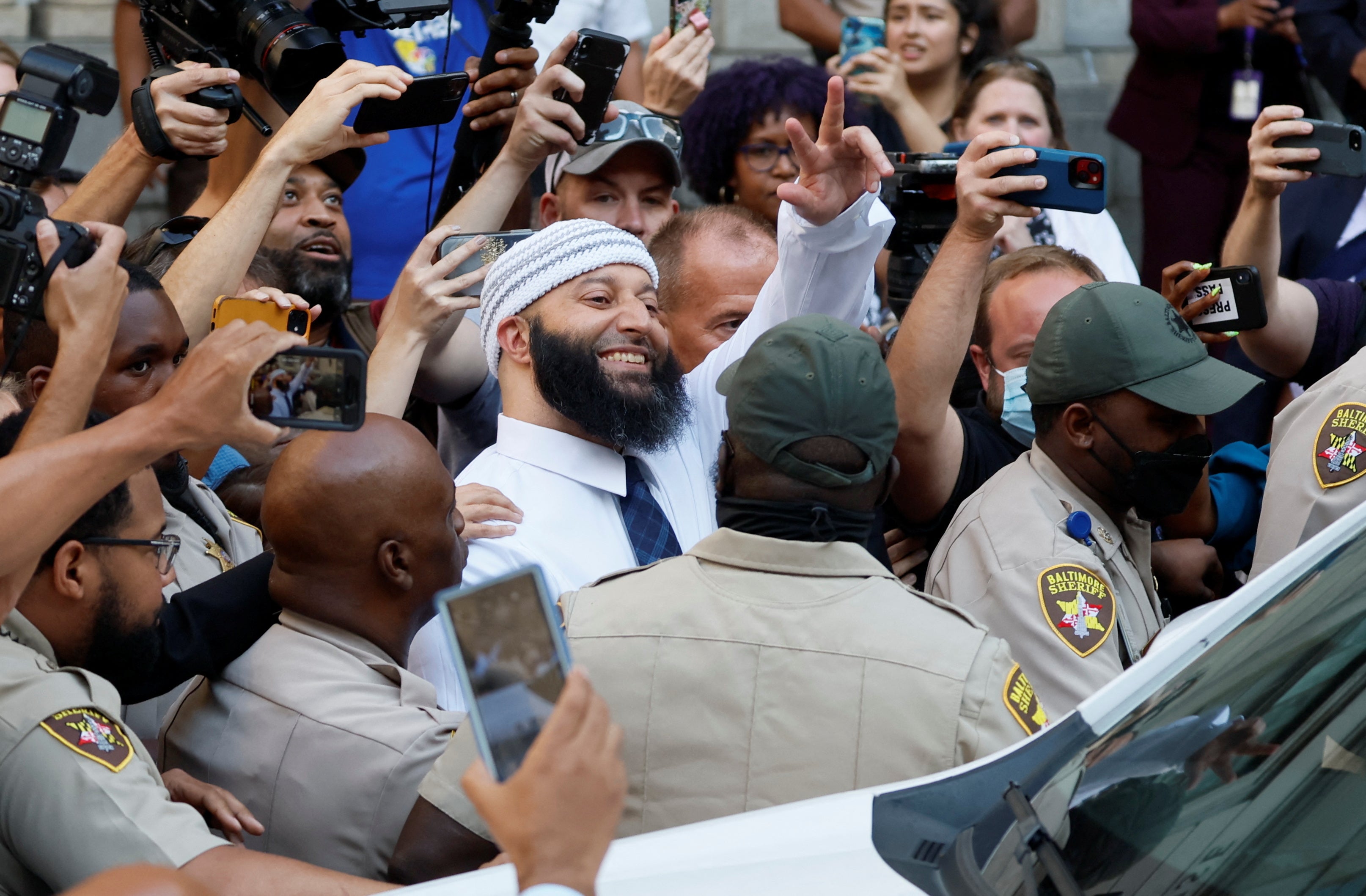
The case of Adnan Syed and Hae Min Lee remains one of the most scrutinized criminal investigations in American legal history. What began as a 1999 murder case in Baltimore County, Maryland, transformed over two decades into a global catalyst for the true crime genre and a landmark test for the U.S. criminal justice system. The saga highlights the complex intersection of amateur investigative journalism, the power of digital media, and the persistent pursuit of judicial reform.
The Disappearance and Discovery (1999)
In January 1999, Hae Min Lee, an 18-year-old student at Woodlawn High School, disappeared. Her body was discovered weeks later in Leakin Park, a site notorious for illicit activity in Baltimore. The medical examiner ruled her death a homicide caused by manual strangulation. The investigation quickly narrowed to her former boyfriend, Adnan Syed.
State prosecutors built their case primarily on circumstantial evidence and the testimony of Jay Wilds, an acquaintance of Syed’s who claimed to have assisted in the disposal of the body. Syed maintained his innocence throughout the trial. In February 2000, a jury found him guilty of first-degree murder, kidnapping, and robbery, resulting in a sentence of life imprisonment plus 30 years. For more than a decade, the conviction stood as a resolved matter of Baltimore law enforcement, largely absent from public discourse.
The Catalyst: Serial and the Rise of Podcast Culture
The trajectory of the case shifted permanently in 2014 with the release of Serial, a podcast hosted by journalist Sarah Koenig. By deep-diving into the evidentiary discrepancies of the original trial, Serial brought the case to millions of listeners, effectively crowdsourcing doubt regarding Syed’s conviction.
The podcast did not merely present a narrative; it invited the audience to act as investigators. Listeners scrutinized the "inconsistent" timeline provided by the state, the reliability of cellular tower evidence, and the potential for prosecutorial misconduct regarding the Brady v. Maryland obligation—the requirement that the prosecution disclose exculpatory evidence to the defense. This digital investigation movement forced a re-examination of the case in the court of public opinion, applying immense pressure on the legal system to provide transparency that had been absent for fifteen years.
Legal Challenges and Procedural Evolution
Following the cultural explosion of the case, Syed’s legal team, led by attorney C. Justin Brown, initiated a series of appeals. The legal strategy evolved from challenging the effectiveness of trial counsel—specifically the failure to investigate a potential alibi witness, Asia McClain—to asserting systemic failures within the prosecutor’s office.
The following table summarizes the key stages of the legal progression:
| Milestone | Legal Action | Outcome/Status |
|---|---|---|
| 1999–2000 | Original Investigation/Trial | Conviction of Adnan Syed |
| 2012–2016 | Petition for Post-Conviction Relief | Trial court grants new trial (later reversed) |
| 2018–2019 | Appellate Review | Maryland Court of Appeals denies relief |
| 2022 | Vacatur Motion (Brady Violation) | Conviction vacated; Syed released |
| 2024 | Appellate Litigation | Reinstatement/Vacatur disputes continue |
The 2022 decision by the Circuit Court for Baltimore City to vacate the conviction was largely based on the discovery of "new" evidence. Prosecutors disclosed that they had previously failed to share information regarding two other potential suspects who were known to the office during the initial 1999 investigation. This underscored a central issue in the movement: the critique of "win-at-all-costs" prosecution tactics.
The Forensic and Investigatory Debate
A core component of the public movement involved the technical re-analysis of the state’s evidence. Much of the original prosecution relied on cellular phone records to place Syed near Leakin Park at the time of the alleged burial. Experts outside the case later challenged the validity of using these "ping" records for location tracking, arguing that the subscriber activity report provided by AT&T included a specific disclaimer stating that location data was unreliable for incoming calls.
This discrepancy became a focal point for reform advocates who argue that modern criminal justice relies too heavily on scientific evidence that has not been sufficiently vetted for accuracy. The case transformed into a pedagogical tool for discussing how "junk science" or misinterpreted data can lead to wrongful convictions. The pursuit of justice for Hae Min Lee, as argued by many, requires not just the identification of a perpetrator, but the absolute accuracy of the state's evidence—a standard that the 1999 trial failed to meet.
Ethical Considerations in True Crime Media
The movement surrounding this case has raised significant ethical questions about the consumption of real-life tragedies as entertainment. While the media attention arguably secured Syed legal representation he might not have otherwise afforded, critics argue that the "true crime" genre often commodifies the victims. The family of Hae Min Lee has publicly expressed the pain caused by the transformation of her death into a media franchise.
For future researchers and advocates, this case serves as a warning: the pursuit of institutional accountability must be balanced with the dignity of victims. The "movement" sparked by this story has brought about necessary awareness regarding legal transparency, but it has also highlighted the lack of guidelines for how journalists and content creators should interact with sensitive, ongoing legal matters.
Frequently Asked Questions
What was the specific legal reason for Adnan Syed’s 2022 release?
Syed’s conviction was vacated because the Baltimore State’s Attorney’s Office disclosed that they had failed to provide the defense with information regarding two other suspects. Under Brady v. Maryland, the prosecution is legally required to turn over evidence that might exonerate the defendant or impeach the state's case.
Did the podcast Serial provide new evidence or just re-examine old facts?
Serial primarily re-examined existing evidence and interviewed key figures. However, the resulting global attention prompted private citizens, legal experts, and advocates to uncover documents and contradictions that had been previously buried or overlooked in the initial files.
Is the case of Adnan Syed officially closed?
As of 2026, the status of the case remains complex. While the 2022 order vacating the conviction was a massive legal development, subsequent appeals from the Lee family and further litigation regarding the reinstatement of the conviction have created a fluctuating procedural landscape. The case is not considered "closed" in the sense of a final, undisputed resolution.
What is the "Brady" rule mentioned in this case?
The Brady rule is a U.S. Supreme Court mandate requiring prosecutors to disclose any exculpatory evidence to the defense. In this case, the failure to disclose the existence of two alternative suspects was categorized as a "Brady violation," which directly led to the vacatur of the conviction.
How has this case impacted the legal system?
The case has sparked a wider conversation about prosecutorial accountability, the use of cellphone location data in courtrooms, and the necessity of independent reviews for cold cases. It has encouraged state legislatures to consider more robust requirements for the disclosure of evidence prior to trial.
Moving Forward: Legal Transparency and Victim Advocacy
The case of Adnan Syed and Hae Min Lee serves as a critical study of how the American judicial system reacts when public pressure intersects with established legal process. For those navigating the justice system or involved in legal reform, the primary lesson is the absolute necessity of discovery compliance.
If you are following the case or seeking to understand the broader implications for justice, focus your research on primary court filings available through the Maryland Judiciary Case Search. Avoid relying solely on media summaries, as legal developments in complex cases are often subject to appellate reversal. Understanding this case requires an acknowledgment that legal "truth" is often a procedural determination, and maintaining a high standard of evidence is the only safeguard against miscarriage of justice.