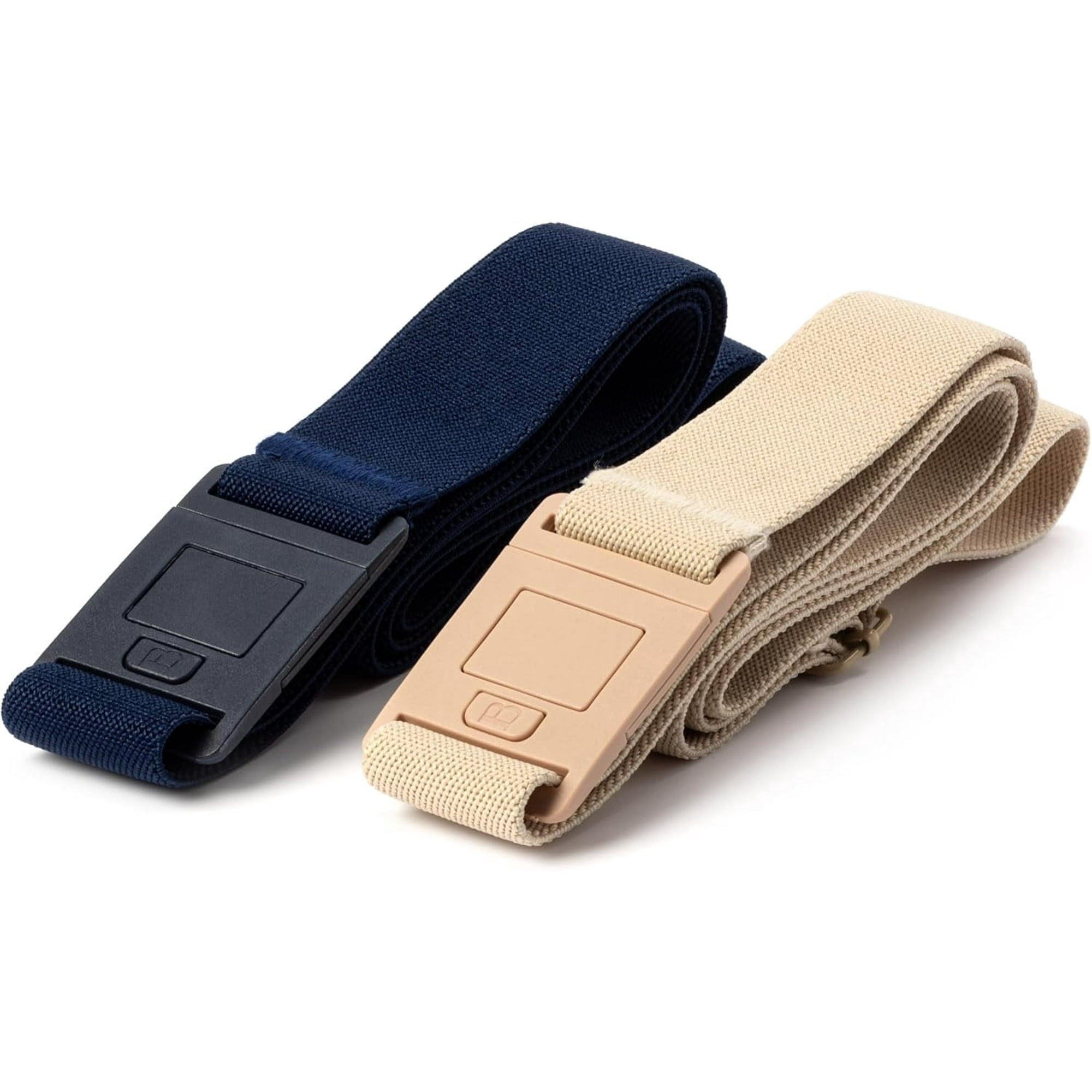
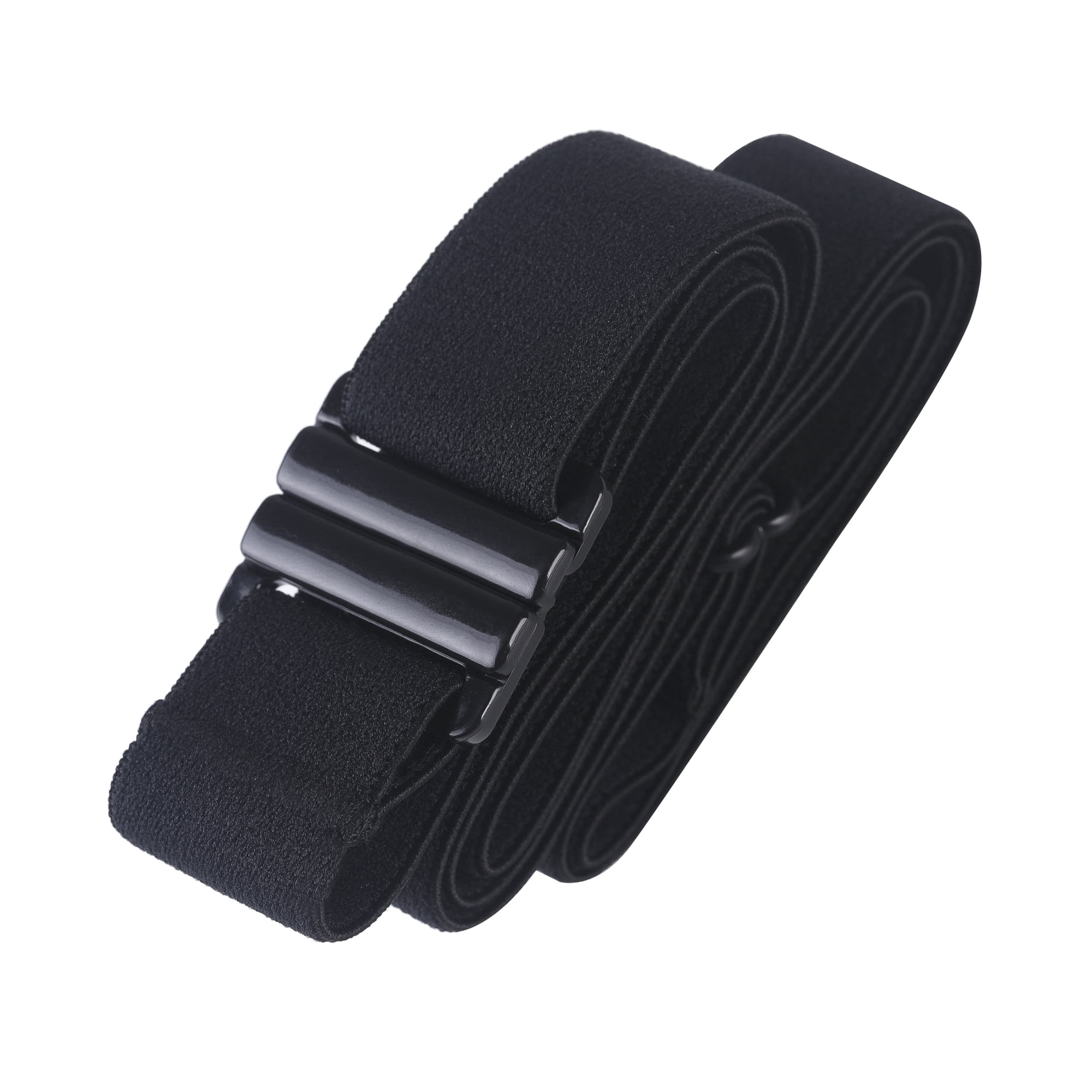
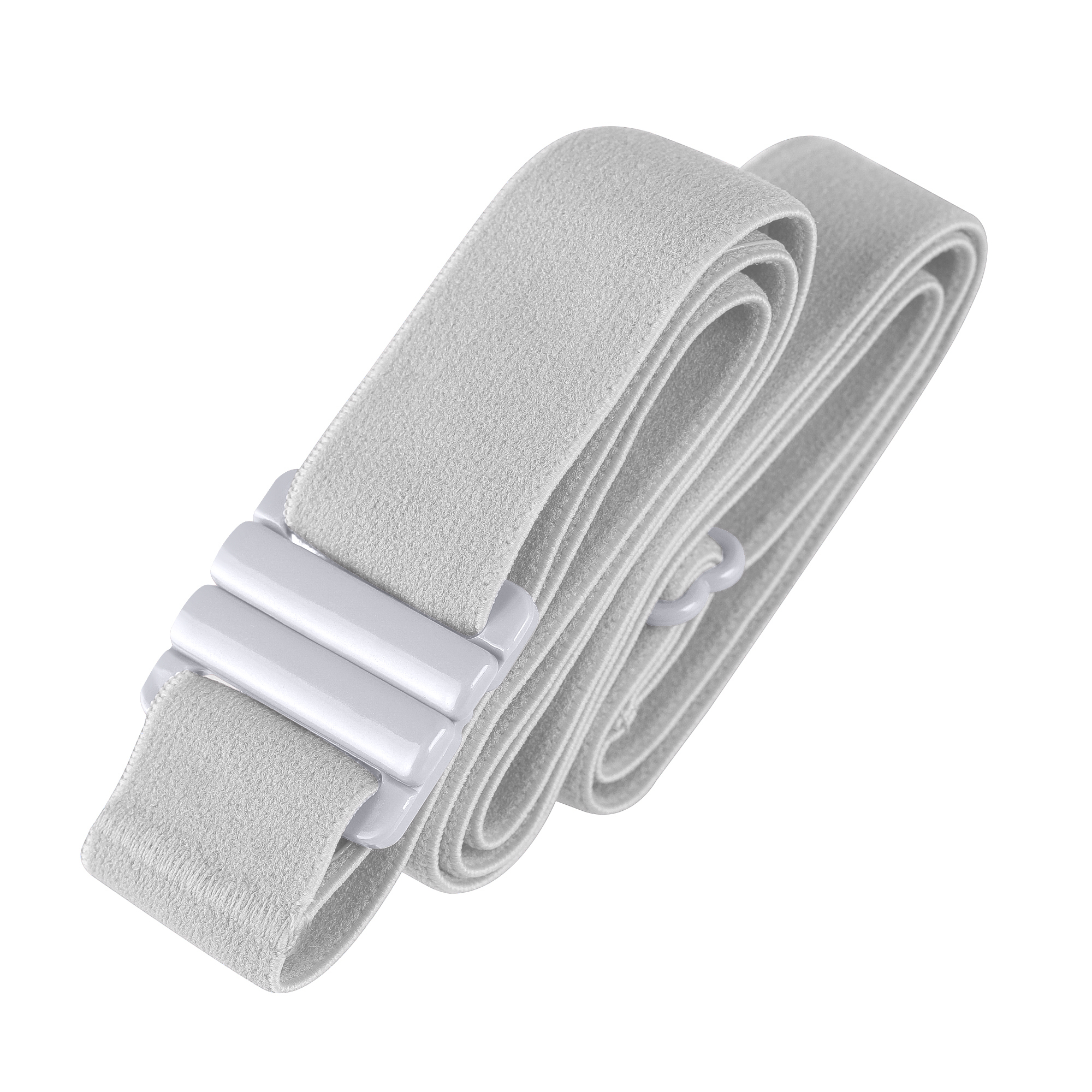
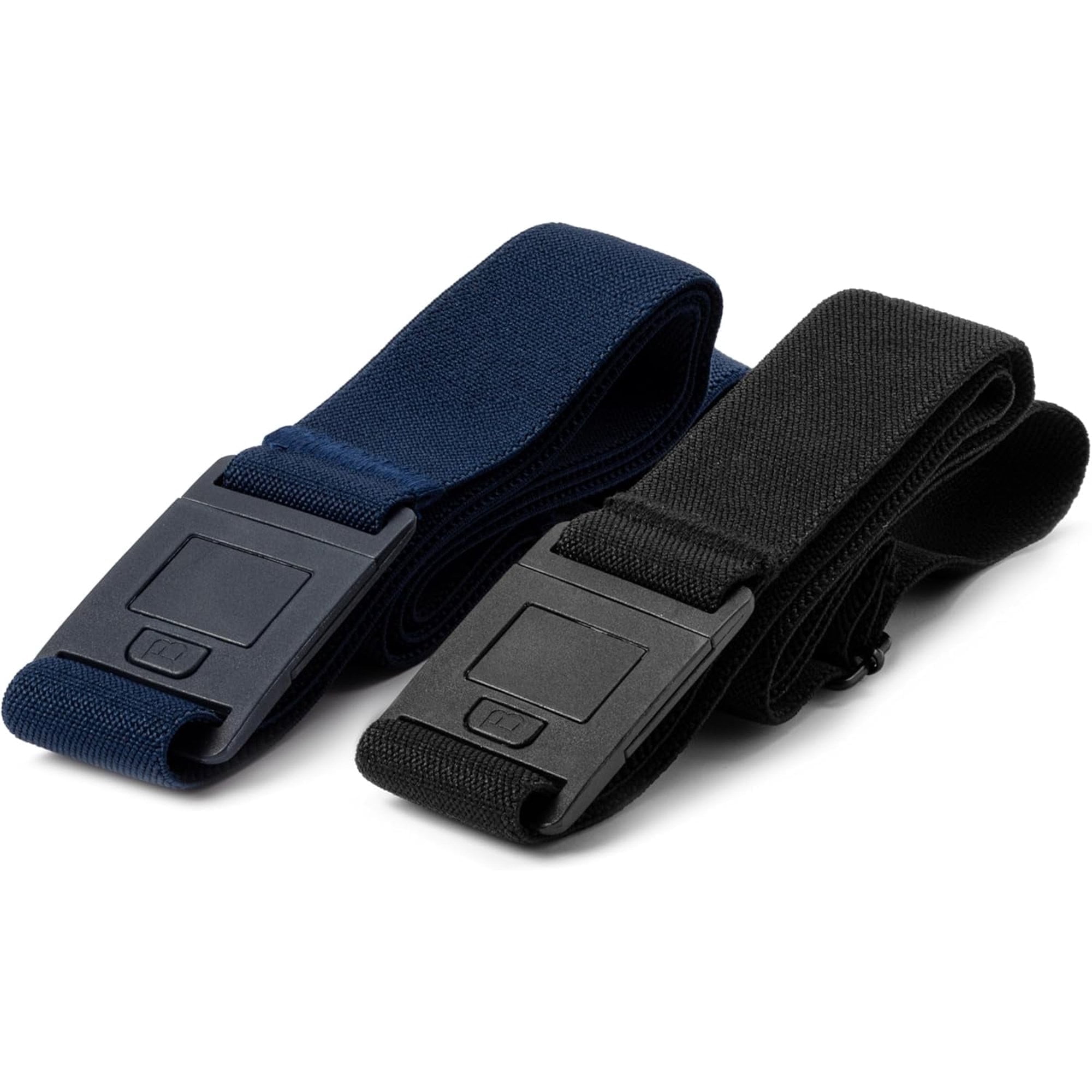
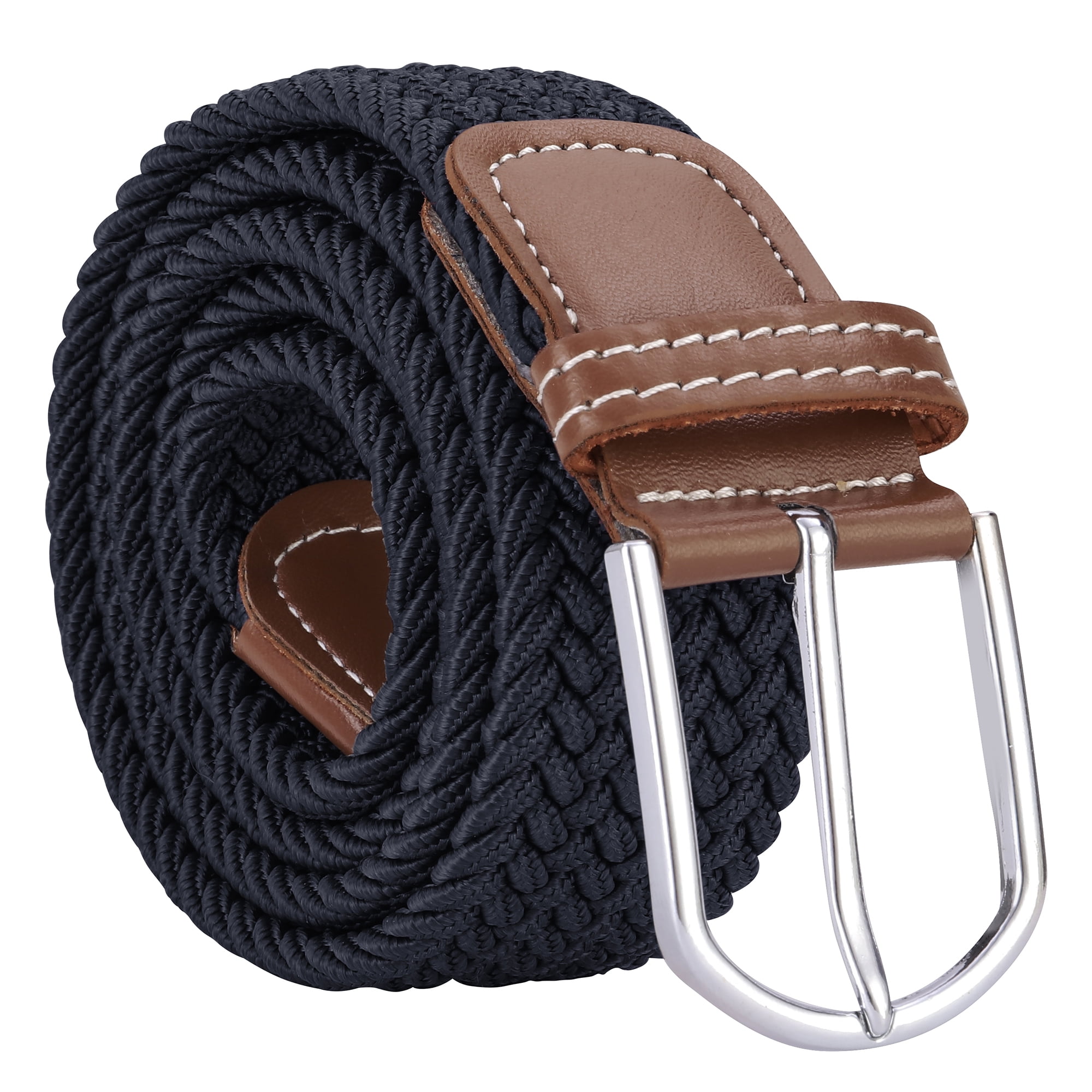
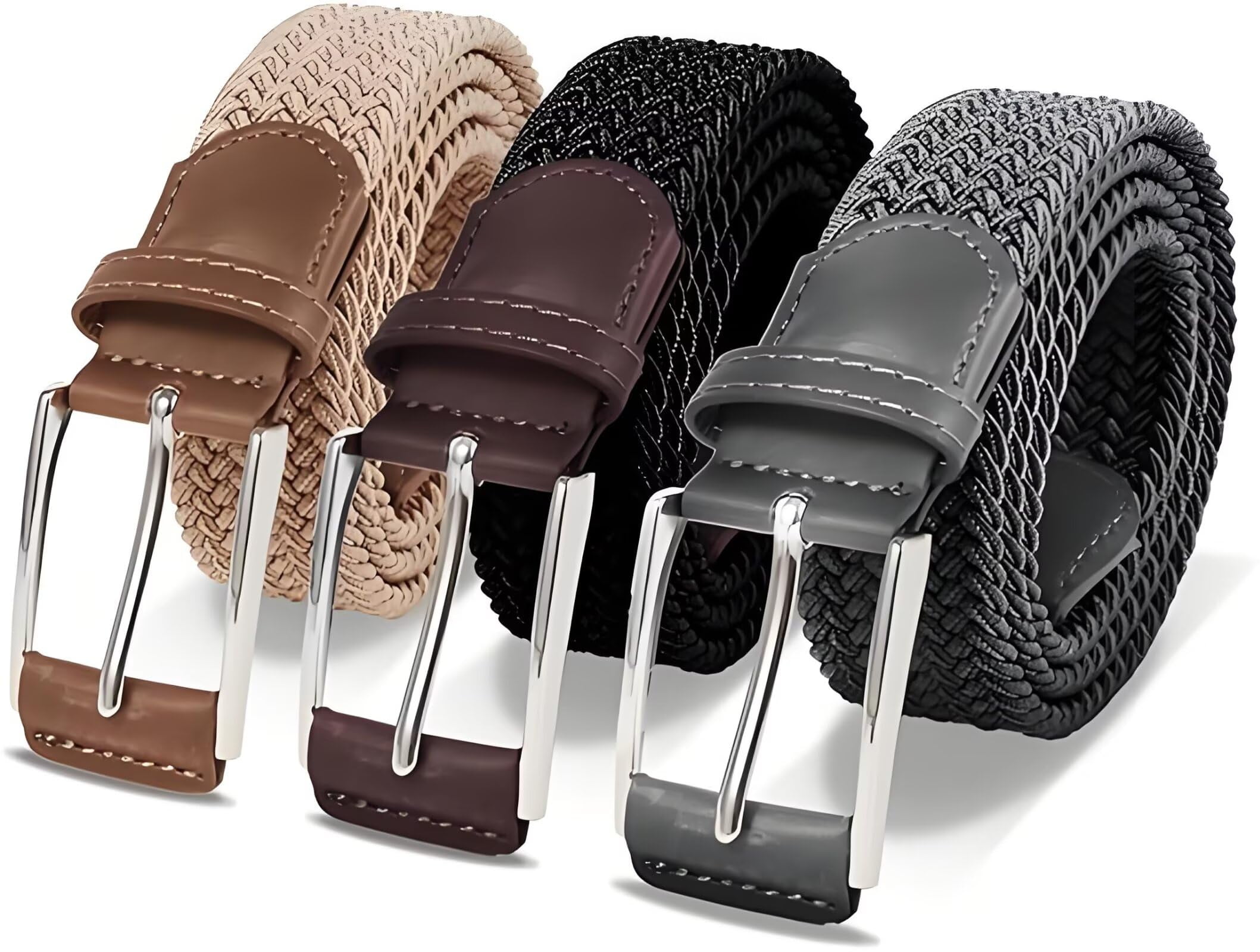
An adjustable elastic belt provides a flexible and comfortable fit by utilizing woven stretch materials and micro-adjustable hardware that conform to body movement throughout the day. Unlike traditional leather belts with fixed hole increments, these accessories combine high-elasticity core yarns with secure locking mechanisms to deliver adaptive support without pinching or sagging.
Understanding the Anatomy of Elastic Stretch Belts
The design of modern elastic belts relies heavily on advanced textile engineering. Manufacturers blend durable synthetic fibers such as polyester, nylon, and polypropylene with natural or synthetic rubber elastomers, commonly known as spandex or elastane. This combination creates a high-tensile webbing capable of stretching up to twenty to thirty percent beyond its resting length while maintaining structural memory. Consequently, the belt expands and contracts seamlessly as the wearer sits, bends, or walks, neutralizing the pressure points traditionally associated with rigid leather accessories.
Beyond the strap itself, the hardware dictates how effectively the belt retains its tension. Traditional belts depend on metal prongs piercing leather holes, which limits adjustment to predefined one-inch intervals. In contrast, adjustable elastic alternatives frequently utilize slide-buckle clamps, micro-adjustable track systems, or woven interlocking designs. A slide-buckle mechanism, for instance, grips the elastic webbing firmly at any desired point, allowing users to fine-tune the tension precisely to the millimeter. This infinite adjustability ensures that weight fluctuations or heavy clothing layers do not render the belt uncomfortable or unwearable.
Key Benefits of Flexible and Comfortable Waistwear
The primary advantage of wearing an adjustable elastic belt centers on ergonomic comfort. Rigid waistbands can restrict diaphragmatic breathing, compress abdominal organs, and cause friction sores during extended periods of sitting or physical labor. Flexible stretch belts absorb these minor postural adjustments, distributing tension evenly around the entire circumference of the waist. This continuous distribution prevents the pinching and digging common in traditional leather goods.
Another significant benefit is versatility across various wardrobes and body types. Because the webbing yields to movement, these belts perform exceptionally well for activewear, outdoor pursuits, golf, travel, and casual office environments. They accommodate transitional sizing, making them practical for individuals experiencing weight fluctuations or those who frequently tuck in heavy garments. Furthermore, many elastic variants feature minimalist, low-profile buckles that eliminate the bulky protrusion typical of traditional metal belt buckles, reducing chafing under untucked shirts or harness straps.
Comparing Traditional Leather and Adjustable Elastic Belts
Choosing the right waist accessory requires understanding how different materials and closure mechanisms perform under various daily conditions. The comparison below highlights the structural and functional differences between classic leather belts and modern adjustable elastic alternatives.
| Feature | Traditional Leather Belt | Adjustable Elastic Belt |
|---|---|---|
| Material Composition | Full-grain, bonded, or split leather | Woven elastic webbing (polyester, nylon, spandex) |
| Adjustment Granularity | Fixed intervals (typically 1-inch holes) | Infinite micro-adjustment (clamp or track systems) |
| Flexibility & Give | Rigid; zero longitudinal stretch | High stretch; adapts to torso movement |
| Durability Factors | Prone to cracking and hole enlargement over time | Webbing may lose elasticity under extreme tension |
| Primary Use Cases | Formal business attire, dress trousers | Casual wear, travel, outdoor activities, sports |
| Weight Profile | Generally heavier with substantial metal buckles | Lightweight with low-profile, minimalist hardware |
Material Selection and Durability Factors
When evaluating the longevity of an adjustable elastic belt, the density and weave of the fabric play a crucial role. High-density weaves offer greater resistance to fraying and maintain their elastic memory longer than loose, open-knit alternatives. Manufacturers often reinforce stress points—such as the areas adjacent to the buckle and the tip of the belt—with genuine leather, synthetic polyurethane tabs, or heavy-duty bar-tack stitching. These reinforcements prevent the fabric from tearing under constant tension.
Maintenance requirements also differ significantly from traditional leather goods. While leather demands conditioning oils and protection from excessive moisture to prevent dry rot, most elastic belts can be spot-cleaned with mild soap and water. However, users should avoid exposing elastic webbing to high heat, such as clothes dryers or direct industrial heat sources, because excessive temperatures degrade the rubber core yarns and cause permanent loss of elasticity. Storing the belt uncoiled or hanging loosely helps preserve its natural tension when not in use.
Practical Considerations for Travel and Security
Frequent travelers often favor adjustable elastic belts due to practical convenience and airport security efficiency. Traditional belts frequently trigger metal detectors because of heavy brass or steel buckles and internal steel reinforcement strips. Many modern elastic belts utilize non-metallic buckles constructed from high-impact polymer, carbon fiber, or sturdy acetal plastic. These composite buckles allow travelers to pass through security checkpoints without removing their belts, streamlining the boarding process.
Moreover, the lack of rigid components makes elastic belts exceptionally packable. They can be rolled tightly and packed into compact luggage compartments without creasing, bending, or sustaining permanent damage. For outdoor enthusiasts, hikers, and workers who spend hours in motion, this lightweight, travel-friendly nature translates into reduced fatigue and zero structural discomfort during long excursions.
How to Choose the Right Size and Style
Selecting an appropriate elastic belt involves balancing aesthetic preferences with functional sizing ranges. Although stretch belts accommodate a broader range of waistlines than fixed leather models, manufacturers still produce them in general size brackets, such as small, medium, large, or specific length measurements (e.g., 32 to 38 inches). Buyers should measure their actual waist circumference while wearing typical clothing layers rather than relying solely on pant size numbers, as trouser sizing frequently varies across brands.
Style considerations include buckle finish, webbing texture, and color neutrality. Solid black, navy, and charcoal gray offer maximum versatility for professional and casual settings, whereas patterned or brightly colored webbing suits outdoor and athletic applications. For maximum comfort, prioritize belts with smooth, low-profile slide-buckle closures that lie flat against the abdomen and avoid snagging on untucked garments.
Frequently Asked Questions
Do adjustable elastic belts lose their stretch over time?
Yes, continuous over-stretching or exposure to high heat can eventually degrade the elastic core yarns. However, high-quality belts constructed with dense rubber or spandex blends maintain their tension for years of regular daily wear if cared for properly.
Can an elastic belt replace a heavy-duty tactical belt?
Standard elastic belts are not designed to support heavy load-bearing gear, such as holsters, multi-tools, or tactical pouches. While they provide excellent comfort for casual and active wear, rigid nylon or reinforced leather tactical belts remain necessary for heavy equipment support.
Are non-metallic buckles truly airport security friendly?
Most belts featuring composite plastic, polymer, or carbon fiber buckles will not set off standard metal detectors. This allows travelers to keep the belt fastened during airport screening, though final discretion always rests with security personnel.
How do I clean a stained elastic webbed belt?
Most fabric elastic belts can be hand-washed using lukewarm water and mild laundry detergent. Gently scrub any stained areas with a soft-bristled brush, rinse thoroughly with clean water, and allow the belt to air-dry completely flat.
Is an adjustable elastic belt suitable for formal business attire?
While minimalist elastic belts with leather trim and subtle matte buckles can pair well with smart-casual or business-casual outfits, traditional full-grain leather belts remain the standard expectation for formal suits and black-tie attire.
Selecting Your Ideal Stretch Belt Solution
To secure the best wearing experience, assess your primary daily activities and wardrobe requirements before purchasing. If your routine involves frequent bending, sitting, and physical movement, prioritize belts featuring micro-adjustable slide closures and durable, high-density synthetic webbing. By matching the hardware profile and elasticity level to your lifestyle, you ensure long-lasting comfort without sacrificing reliable support.