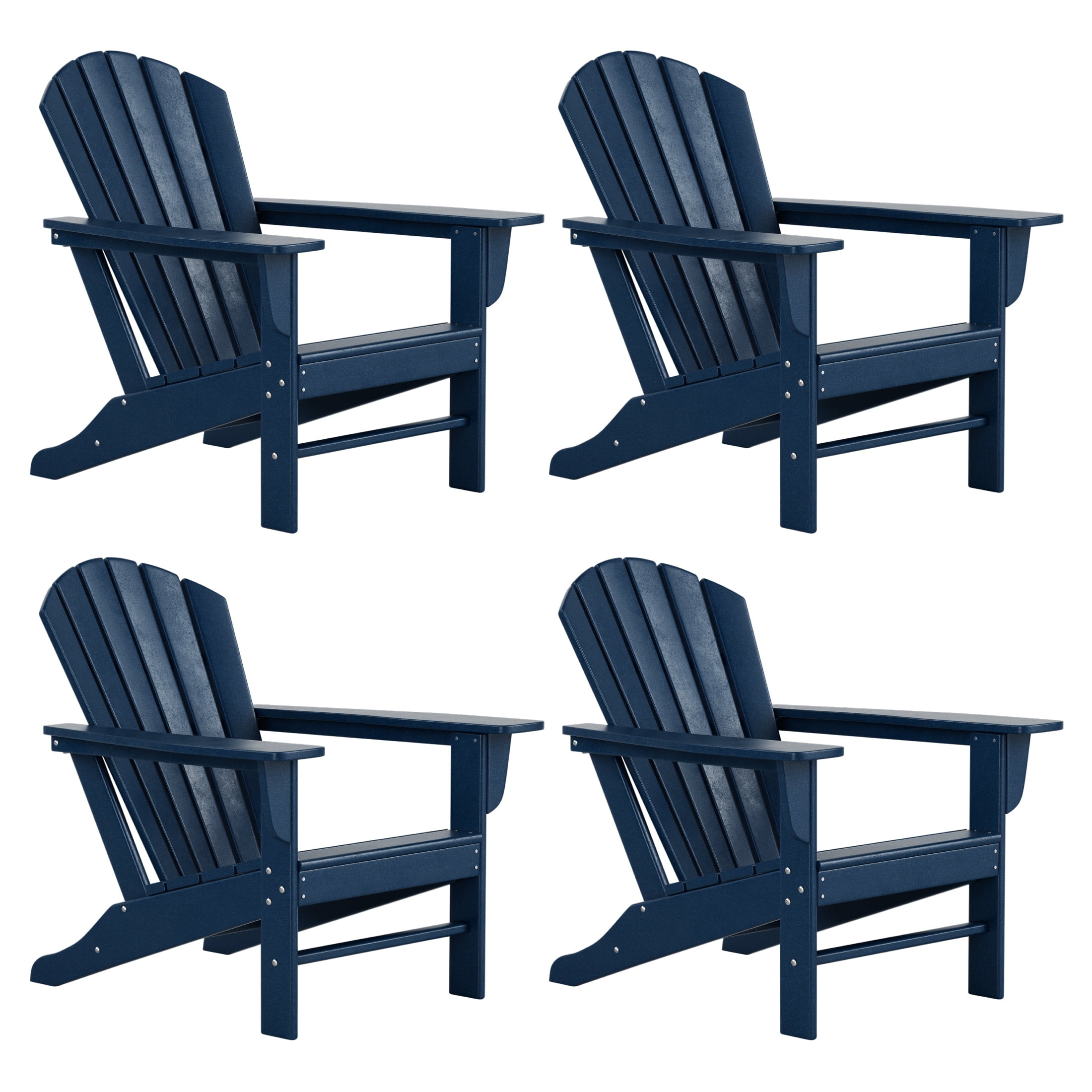
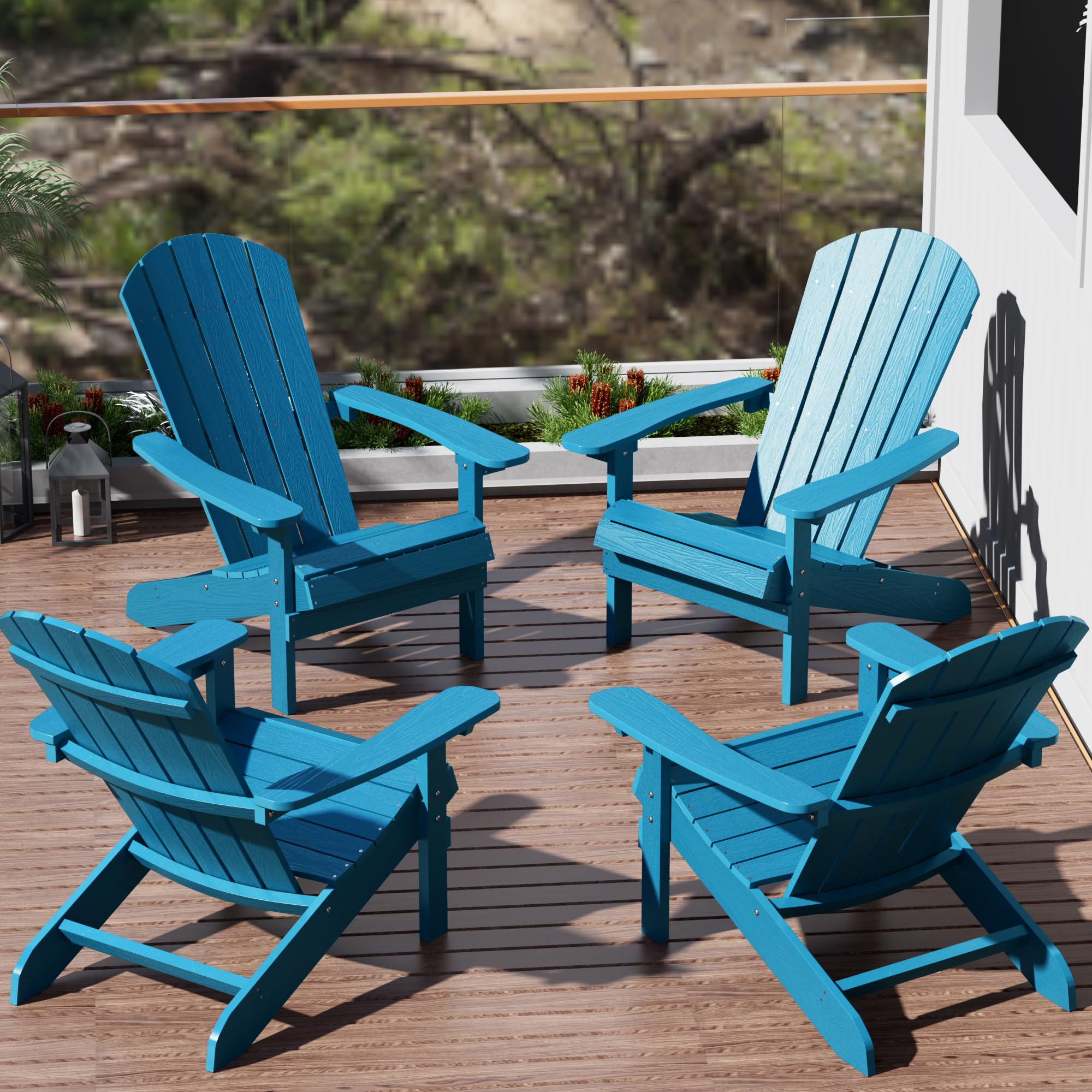
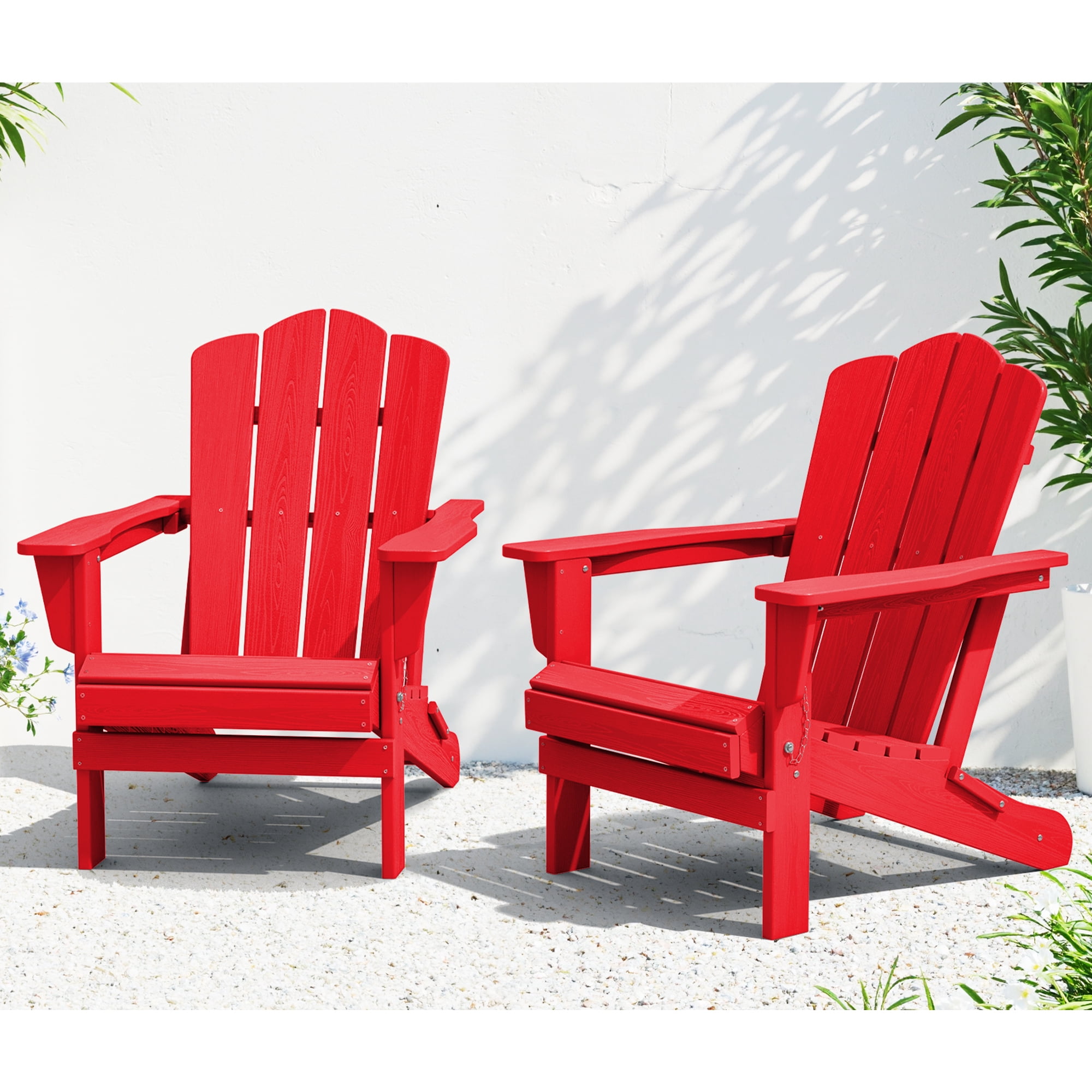
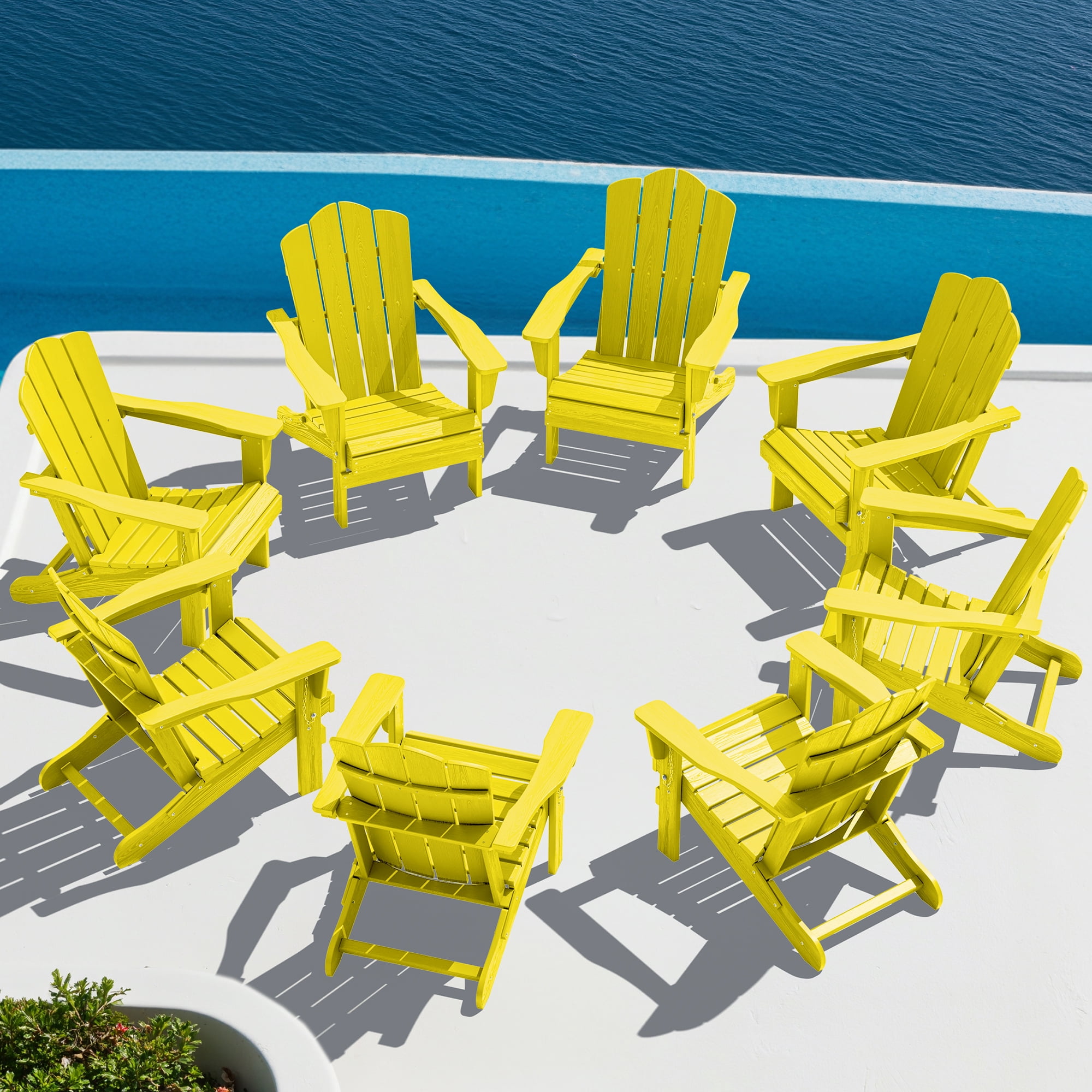
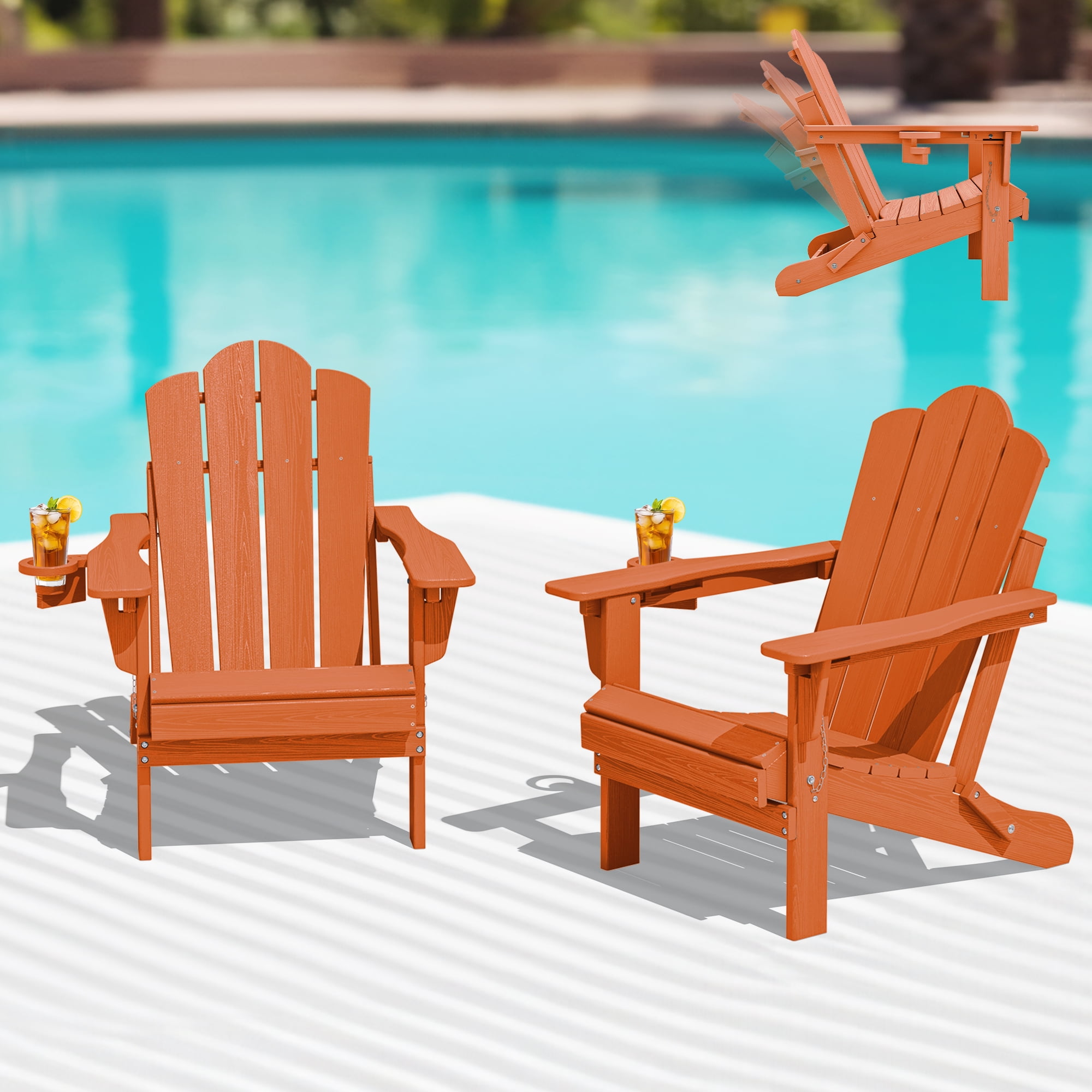
Adirondack chairs are iconic outdoor lounge seats defined by slatted backs, deeply reclined bucket seats, and extra-wide armrests engineered for stability and comfort on uneven outdoor terrain. Selecting the right chair requires matching material properties—such as rot-resistant cedar, maintenance-free High-Density Polyethylene (HDPE), or premium teak—to your local climate, storage capacity, and preferred aesthetic.
The Origin and Structural Anatomy of the Adirondack Design
The Adirondack chair originated in 1903 when Thomas Lee designed an unpretentious outdoor seat for his country home in Westport, New York, situated near the Adirondack Mountains. Seeking sturdy outdoor furniture capable of resting securely on sloped mountain lawns, Lee fashioned a heavy wooden chair from eleven flat boards cut from a single tree trunk. His design featured a single slatted back piece, a low slanted seat, and wide horizontal armrests. A local carpenter named Harry Bunnell recognized the commercial potential of Lee's prototype, filed for a patent in 1904, and produced the "Westport chair" for three decades.
Over the past century, the original flat-backed design evolved into the contoured, multi-slat fan-back chair recognized today. Despite aesthetic refinements, the foundational engineering principles remain unchanged:
- Deeply Reclined Seat Bucket: The seat slopes backward at a downward angle from the front knee lip to the back leg junction. This lowers the sitter's center of gravity, distributing body weight across the thighs and spine to relieve pressure on the lower back.
- Extra-Wide Flat Armrests: Spanning between 4.5 and 7 inches across, the broad armrests serve dual functions as comfortable forearm rests and integrated side tables capable of holding beverages, books, or small plates.
- Angled Rear Leg Support: The back legs extend low and wide behind the frame, creating a triangular structural base that prevents tipping on loose soil, gravel, or thick lawn grass.
- Slatted Back Assembly: Vertical slats permit air circulation on warm days while allowing rain and snow to drain through the frame rather than pooling on the sitting surfaces.
Understanding these mechanical components helps buyers evaluate structural integrity, ergonomics, and material stress points when comparing traditional wooden models with modern synthetic alternatives.
Material Breakdown: Comparing Poly Lumber, Hardwoods, and Synthetics
The choice of construction material directly dictates an outdoor chair's lifespan, weight capacity, weather tolerance, and ongoing maintenance requirements. Outdoor living spaces demand materials capable of enduring ultraviolet radiation, temperature swings, and moisture exposure without warping, checking, or rotting.
Adirondack Chair Material Comparison Matrix
| Material | Lifespan | Maintenance | Weight | UV/Rot Res. |
|---|---|---|---|---|
| HDPE Poly | 20+ Yrs | Very Low | 35-50 lbs | Excellent |
| Western Cedar | 10-15 Yrs | Moderate | 18-26 lbs | Good |
| Teak Hardwood | 25+ Yrs | Moderate | 30-45 lbs | Superior |
| Treated Pine | 7-12 Yrs | High | 22-32 lbs | Fair-Good |
| Molded Resin | 2-5 Yrs | Low | 8-14 lbs | Poor-Fair |
| Material Type | Lifespan Expectancy | Maintenance Requirements | Average Weight | UV & Weather Resistance | Typical Price Range |
|---|---|---|---|---|---|
| HDPE Poly Lumber | 20+ Years | Very Low (Occasional soap/water wash) | 35–50 lbs | Superior (Color-dyed throughout, completely rot-proof) | Mid-High ($180–$450) |
| Western Red Cedar | 10–15 Years | Moderate (Stain or sealant every 1–2 years) | 18–26 lbs | Good (Natural oils resist decay and insects) | Mid ($120–$280) |
| Teak Hardwood | 25+ Years | Moderate (Teak oil optional; weathers to silver patina) | 30–45 lbs | Superior (High natural silica and oil content) | High ($350–$800+) |
| Pressure-Treated Pine | 7–12 Years | High (Annual sealing or painting; prone to cracking) | 22–32 lbs | Fair to Moderate (Chemical treatment prevents rot, not warping) | Budget-Mid ($70–$150) |
| Injection-Molded Resin | 2–5 Years | Low (Wipe clean; store during strong storms) | 8–14 lbs | Poor to Fair (Prone to UV fading, brittle cracking, wind drift) | Budget ($20–$60) |
High-Density Polyethylene (HDPE) Poly Lumber
HDPE is engineered from recycled consumer plastics, such as milk containers and detergent bottles, melted together with color pigments and UV-inhibiting compounds. The resulting synthetic lumber matches the density of hardwoods while remaining completely impervious to moisture, salt spray, fungi, and insect infestations. Because the pigment permeates the entire material thickness, minor scratches do not expose a different color underneath. Poly lumber chairs require no sanding, staining, or winter painting. Their substantial mass (typically 35 to 50 pounds per chair) ensures they remain anchored during high wind conditions, making them ideal for coastal environments and exposed decks.
Western Red Cedar and Cypress
Softwoods like Western Red Cedar and Cypress contain natural extractives and aromatic oils that repel insects, mold, and rot. Cedar is noticeably lighter than poly lumber or teak, allowing easy repositioning around lawn areas. Its fine grain accepts clear sealers, oil stains, or exterior paints exceptionally well. Left untreated, cedar gracefully weathers into a silvery-gray patina over several seasons. However, softwoods are softer and more susceptible to surface denting and thermal cracking (checking) when exposed to extreme dry-wet cycles, requiring re-application of protective sealants every 1 to 2 years.
Teak and Plantation Hardwoods
Teak (Tectona grandis) stands as the gold standard for solid-wood outdoor furniture. Rich in natural silica and dense resins, teak naturally repels water and resists wood rot for decades. Teak chairs offer a solid, luxurious weight and fine wood grain. If left unsealed, teak transitions from a rich golden brown to an elegant silver-gray surface layer without compromising structural integrity. Maintenance requires periodic washing with a soft brush and mild soapy water, with optional application of specialized teak sealers to preserve the original honey tone. The primary trade-off is cost, as sustainable teak carries a premium price point.
Pressure-Treated Pine
Pressure-treated pine offers a real-wood feel at an entry-level price. The timber is impregnated with copper-based preservatives under high pressure to deter rot and insect attack. While chemically resistant to decay, pine is highly reactive to environmental moisture. Without consistent painting or solid staining, pine slats tend to warp, twist, and develop surface splinters after a few seasons of sun exposure.
Injection-Molded Resin and PVC Plastic
Mass-produced resin chairs offer an economical, lightweight entry point. However, these hollow or thin-walled plastic chairs lack structural rigidity and can flex noticeably under weight. Exposure to intense solar ultraviolet radiation degrades cheap plastics over time, turning the material brittle and prone to sudden structural failure. Their light weight (under 15 lbs) also leaves them vulnerable to high winds.
Ergonomic Dimensions, Weight Capacities, and Sitting Profiles
While classic Adirondack chairs share a recognizable silhouette, minor variations in dimensions significantly influence sitting comfort, ease of entry, and physical support.
- Typical Adirondack Profile & Angles:
- Back Height: 32"–38"
- Backrest Angle: 105°–115°
- Arm Width: 4.5"–7.0"
- Seat Depth: 18"–22"
- Front Seat Height: 13"–16"
- Rear Seat Height: 9"–11"
Seat Height and Slope Dynamics
Standard Adirondack chair seats measure between 13 and 16 inches from the ground at the front lip, sloping downward to 9 to 11 inches at the rear bucket. This steep gradient creates an immersive recline angle (typically 105° to 115° between the seat and backrest).
- Standard Profile: Maximizes lumbar relaxation and weight redistribution, ideal for long periods of lounging.
- Tall / Easy-Out Profile: Designed with a seat height of 16 to 18 inches at the front and a shallow drop (13 to 14 inches at the rear). This reduced incline diminishes knee and hip strain, making it much easier for taller individuals or seniors to stand up without assistance.
Backrest Contours: Flat-Back vs. Curved Shellback
- Traditional Flat-Back: Utilizes straight horizontal support rails with straight vertical slats. It offers a authentic, historic look but may require an outdoor pillow for extended lumbar support.
- Contoured / Shellback: Features curved upper and lower support rails that cup the user's spine and shoulders naturally. The curved shape provides superior ergonomic distribution across the upper back.
Load Capacities and Hardware Integrity
The structural stability of an Adirondack chair depends heavily on joinery construction and metal fasteners. High-grade chairs carry weight ratings between 300 and 500 pounds. Look for hardware manufactured from 316 marine-grade stainless steel, especially for coastal regions where salt air quickly corrodes lower-grade 304 stainless steel or galvanized fasteners. Cheap plated carbon steel screws will quickly rust, leaving unsightly dark streaks along the wood grain and weakening load-bearing joints.
Practical Design Variations and Modern Adaptations
Manufacturers have adapted the classic Adirondack silhouette into specialized furniture styles tailored to specific outdoor living scenarios:
- Specialized Adirondack Variations:
- Folding Model:
- Stainless pins
- Folds to 8"
- Easy winter storage
- Balcony / High:
- Elevated seat (26"–30")
- Integrated footrest bar
- Rocking Chair:
- Extended bottom runners
- Smooth glide
- Shellback Contour:
- Sculpted back
- Enhanced lumbar curve
- Folding Model:
Folding Adirondack Chairs
Equipped with stainless steel pivot pins and locking hinges, folding models allow the backrest to collapse forward flat against the seat. When folded, the chair's profile shrinks to 6 to 10 inches in depth, making it easy to store in garages, sheds, or basements during off-season months, or to transport in a vehicle for camping and beach trips.
Adirondack Rocking Chairs
Integrating curved bottom runners into the leg assembly, rocking Adirondack chairs combine the deep, comfortable seating profile of an Adirondack with the rhythmic movement of a traditional porch rocker. Ensure the bottom runners are wide and weighted so the chair does not tip backward on uneven patio stones.
Balcony and Counter-Height Adirondack Chairs
Standard Adirondack chairs sit low to the ground, which often blocks the view when placed behind solid deck railings or balustrades. Balcony-height (seat height 24 to 26 inches) and bar-height (seat height 28 to 30 inches) models elevate the classic seat design. These chairs include built-in footrest bars to support legs comfortably while keeping sightlines clear over balcony rails.
Integrated Accessories
Many modern designs incorporate fold-away cup holders hidden beneath the wide armrests, pull-out hideaway footrests, or matching standalone ottomans. Adding a fitted ottoman transforms a standard chair into a full-length lounge chair without requiring the space of a fixed chaise lounge.
Care, Maintenance, and Seasonal Protection Guidelines
Preserving the finish and structural integrity of outdoor furniture requires simple, routine maintenance tailored to the material:
Synthetic HDPE Maintenance Routine
- Routine Washing: Scrub surfaces twice per season using a soft-bristle brush, warm water, and a mild dish soap solution to remove atmospheric dust, pollen, and tree sap.
- Deep Cleaning / Mold Removal: For stubborn stains or mildew in textured plastic finishes, mix 1 part household bleach with 4 parts warm water. Scrub the surface, let it sit for 5 to 10 minutes, and rinse thoroughly with clear water.
- Pressure Washing: High-density polyethylene can tolerate pressure washing up to 1,500 PSI. Use a wide 40-degree fan tip kept at least 12 inches away from the material surface.
Natural Wood Care Routine (Cedar, Teak, and Pine)
- Inspecting Fasteners: Seasonally check and tighten all screws, bolts, and barrel nuts. Wood naturally expands and contracts with changes in ambient humidity, which can gradually loosen hardware joints over time.
- Sanding and Sealing: Softwoods like cedar should be sanded light-handed with 120-grit sandpaper every 2 to 3 years to smooth raised grain or splinters before applying a high-quality, UV-blocking penetrating oil stain or clear water-repellent sealer.
- Teak Care Options: Allow teak to age naturally to a silver patina, or apply a dedicated water-based teak protector annually to lock in the warm golden-brown tone. Avoid heavy oil coatings that leave sticky residues capable of trapping dust and fungal spores.
Winterization and Storage Best Practices
While heavy HDPE and teak chairs are engineered to withstand snow and ice, proper winter care significantly extends the lifespan of finishes and fabrics:
- Covering: Use fitted, breathable outdoor furniture covers featuring ventilation ports to prevent moisture condensation underneath. Never wrap wooden chairs in airtight plastic tarps, which trap ambient humidity and foster mildew growth.
- Elevation: If stored outside, elevate chair legs on rubber pads or pavers so the bottom end-grain does not sit in freezing puddles or wet snow accumulations.
Strategic Selection Guide: Matching Chairs to Outdoor Spaces
Selecting the right Adirondack chair requires matching performance characteristics to your specific climate, spatial layout, and usage goals:
- Patio Layout & Clearance Guidelines:
- Fire Pit / Focal to Chairs: 36" Min. Safe Clearance
- Clearance between Adirondack Chair 1 and Chair 2: 24" Clearance
High-Wind and Coastal Environments
- Recommended Material: Heavyweight HDPE Poly Lumber (35–50 lbs) with 316 marine-grade stainless steel hardware.
- Rationle: Light softwoods and resin chairs are easily blown around by coastal wind gusts. Salt spray rapidly oxidizes standard steel hardware, so marine-grade stainless fasteners are essential to prevent rust stains and structural breakdown.
Open Fire Pit Enclosures
- Recommended Material: Fire-resistant HDPE or solid hardwoods positioned at safe working distances.
- Layout Rule: Maintain a minimum 36-inch radius from the outer rim of open wood-burning fire pits to protect synthetic surfaces from flying embers and high radiant heat. Ensure chairs have a moderate recline so guests can sit back comfortably while staying engaged in conversation.
Compact Decks and Small Balconies
- Recommended Model: Folding Adirondack chairs or tall balcony-height chairs.
- Layout Rule: Allow at least 24 inches of clear walking space behind and between chairs for comfortable movement. Folding models can be easily packed away against a wall when extra floor space is needed.
Frequently Asked Questions
Why are Adirondack chairs slanted backward?
The backward slant lowers your center of gravity, distributing body weight evenly across your thighs and lower back rather than concentrating it on your tailbone. This recline relieves pressure on the lower spine, making the chair exceptionally comfortable for long periods of outdoor lounging.
What is the best material for all-weather Adirondack chairs?
High-Density Polyethylene (HDPE) poly lumber is widely recognized as the best overall material for low maintenance, weather resistance, and long-term durability. It does not rot, warp, or splinter, and its solid color runs through the material, preventing fading under direct sun exposure. For natural timber lovers, teak offers comparable durability with a traditional wood look.
Can HDPE poly lumber Adirondack chairs stay outside all winter?
Yes, high-grade HDPE poly lumber is engineered to withstand freezing temperatures, snow, and rain without cracking or moisture absorption. While the structural material easily resists cold climates, using a breathable patio cover helps keep the chair clean and free of seasonal atmospheric debris.
How do I make an Adirondack chair easier to get out of?
Look for "tall" or "ergonomic-height" Adirondack models featuring a seat height of 16 to 18 inches at the front and a flatter, less aggressive recline angle. Alternatively, placing a firm 2- to 3-inch outdoor seat cushion under your hips raises your sitting position, making it easier to stand up.
How do I stop wooden Adirondack chairs from rotting on grass?
Direct ground contact exposes porous wood end-grain to continuous moisture from soil and morning dew. Place plastic glider buttons or rubber foot pads beneath the leg bases, or set the chair legs on flat stone pavers, gravel pathways, or concrete deck surfaces to prevent water absorption.
Next Steps: Planning Your Seating Setup
To build a comfortable and durable outdoor seating area, follow this implementation checklist:
- Measure Your Space: Map out your patio or deck dimensions. Allow a minimum footprint of 3 feet wide by 4 feet deep for each chair, plus an extra 24 inches of clear walking space between furniture pieces.
- Evaluate Local Weather Requirements: Choose heavy HDPE plastic or teak if your space experiences coastal winds, high summer humidity, or freezing winters. Select lighter softwoods like cedar if you plan to move the furniture regularly or store it indoors during the winter.
- Confirm Hardware Specifications: Check product specifications to verify that structural fasteners are built with 304 or 316 marine-grade stainless steel to prevent rust streaks and joint failures over time.
- Pair with Practical Accessories: Complete your setup with matching side tables (18 to 22 inches tall to match the height of the armrests), quick-drying solution-dyed acrylic cushions (such as Sunbrella fabric), and protective fitted covers for off-season care.