Proper Adirondack chair care involves matching your cleaning, sealing, and winter storage routine to the specific material—whether it is traditional wood, high-density polyethylene, or metal—to prevent weather damage, rot, and structural degradation over time.
Investing in classic outdoor furniture creates a comfortable, inviting retreat on patios, decks, and lawns. However, because these chairs are engineered to withstand the elements, they are continuously exposed to ultraviolet (UV) radiation, heavy rain, fluctuating temperatures, and abrasive dirt. Without a proactive maintenance schedule, wood will dry, split, and rot; synthetic polymers can chalk or collect embedded grime; and fasteners can loosen under thermal expansion. Understanding the nuances of upkeep ensures that your investment remains structurally sound and visually striking for years to come.
Understanding Material Composition and Weather Vulnerability
Before applying any cleaning solution or protective finish, you must identify the exact material of your Adirondack chairs. Material composition dictates every subsequent step of the maintenance workflow, from chemical selection to storage methodology. Treating a high-density polyethylene (HDPE) chair with wood sealer or power-washing a soft cedar chair at maximum pressure can cause irreversible damage.
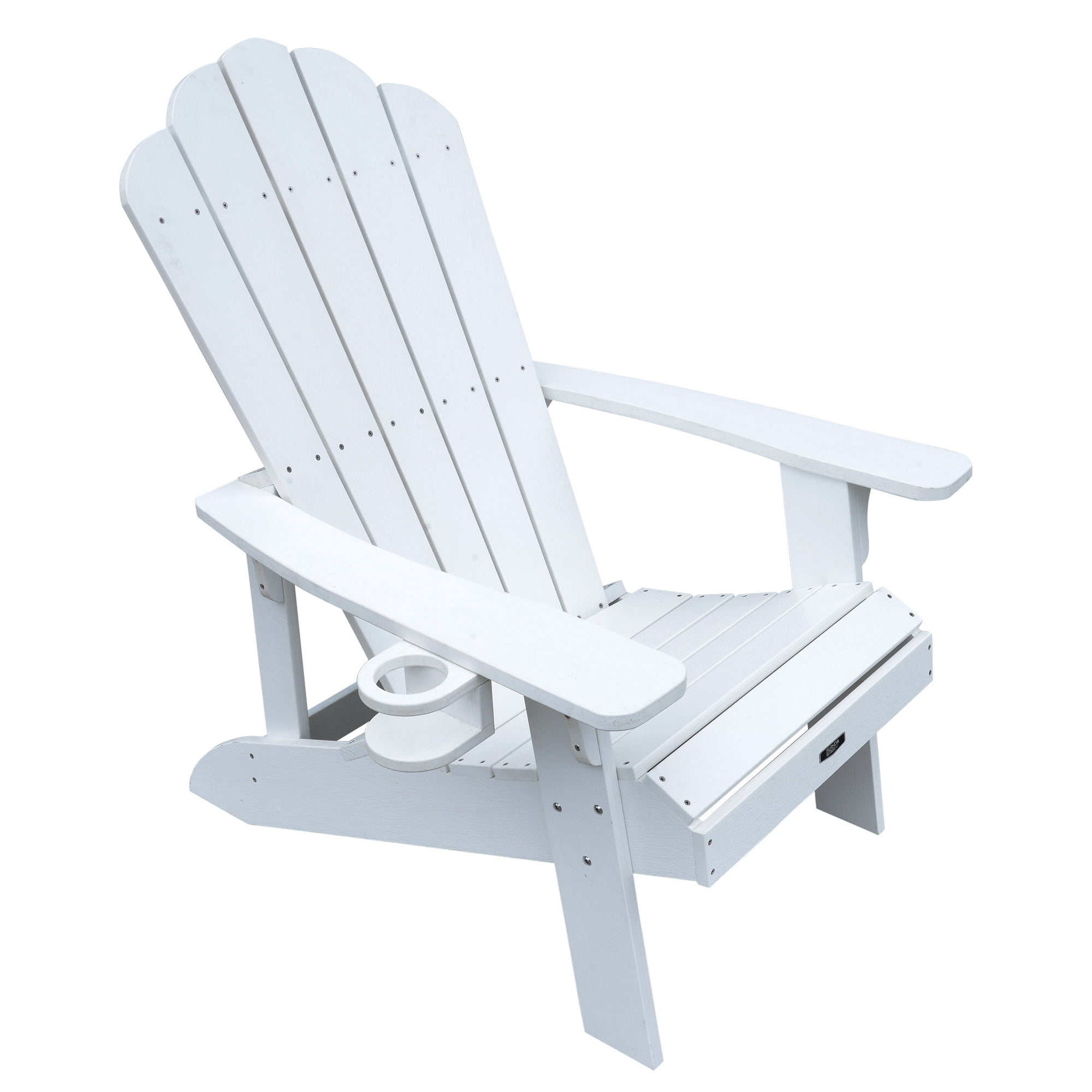
Traditional lumber varieties such as Western Red Cedar, white oak, teak, and cypress possess natural oils that offer moderate resistance to decay and insect infestation. However, untreated wood left unprotected outdoors will inevitably weather to an aesthetic silver-gray patina. While this patina does not inherently compromise structural integrity immediately, unprotected wood fibers become porous, raising the grain and leaving the lumber vulnerable to moisture penetration, mold, and deep checking.
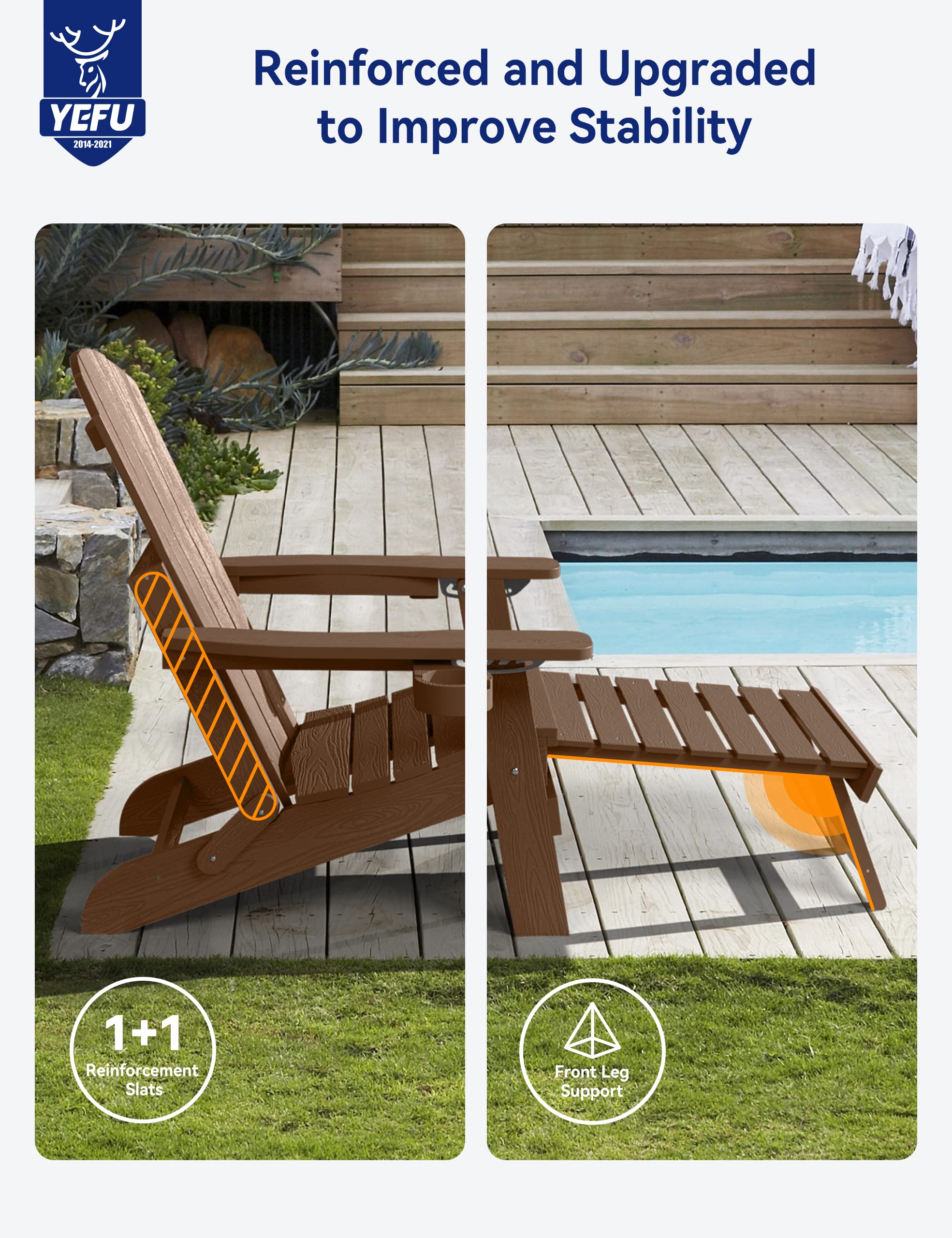
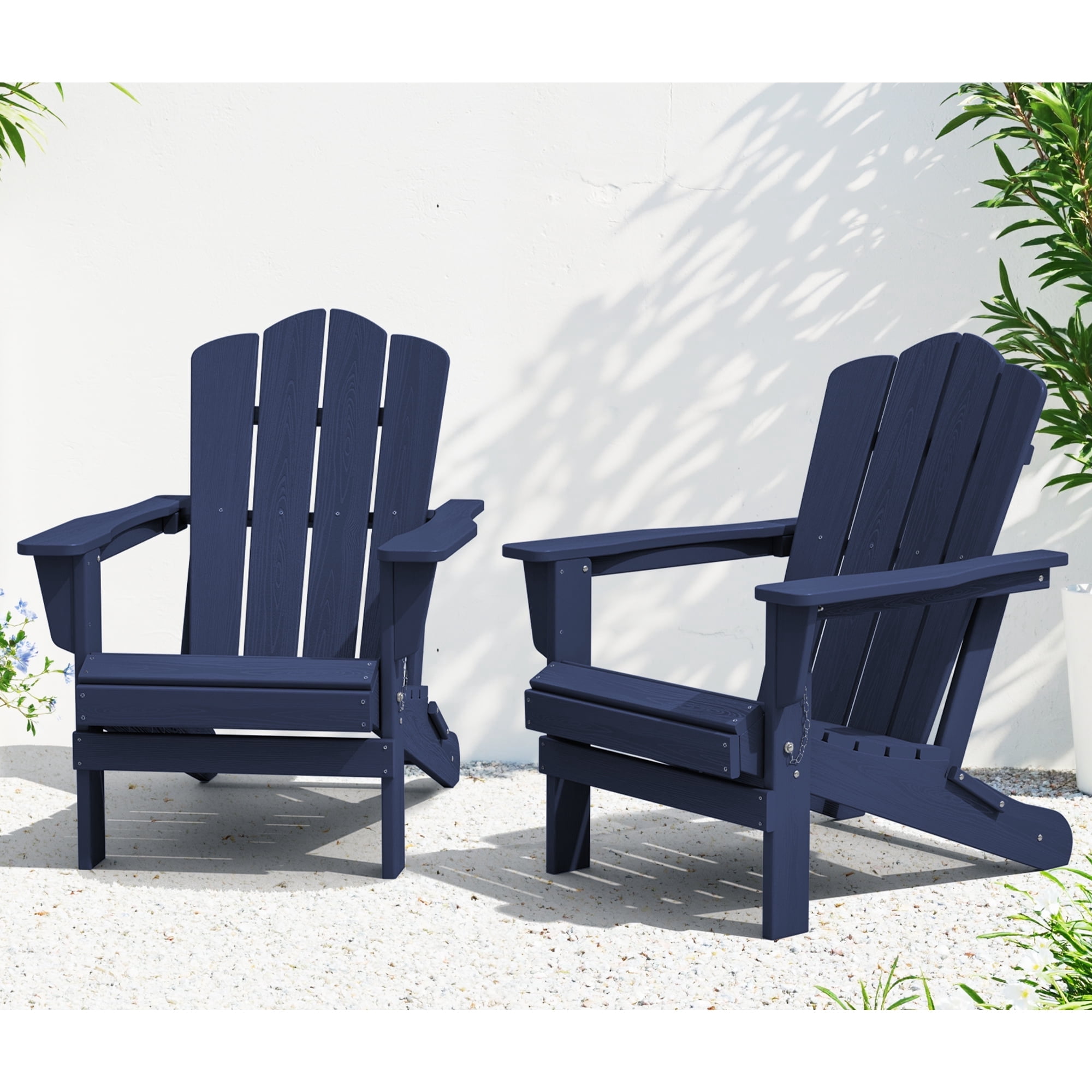
On the other hand, synthetic materials like HDPE lumber (frequently marketed as polywood or plastic lumber) require an entirely different preservation approach. HDPE is impervious to moisture, rotting, and wood-boring insects, meaning it never needs painting, staining, or waterproofing. Nevertheless, synthetic lumber is susceptible to static electricity buildup, which attracts fine dust and pollen, and it can develop stubborn mold or mildew films in shaded, humid microclimates. Metal variants, including aluminum and wrought iron, face unique oxidation and rust challenges that demand immediate attention at the first sign of a compromised powder coat.
Routine Cleaning and Seasonal Washing Protocols
Regular cleaning removes organic debris, corrosive bird droppings, and abrasive dust particles that accelerate surface wear. A seasonal deep clean should be performed at least twice a year—typically during the spring opening and autumn closing phases—with light touch-ups conducted monthly during peak usage seasons.
For wooden Adirondack chairs, mix a solution of mild dish soap and warm water. Avoid harsh chemical bleach, which can strip natural wood fibers and damage surrounding landscaping. Using a soft-bristled nylon brush, gently scrub the wood in the direction of the grain to lift embedded dirt from crevices and joints. Rinse thoroughly with a garden hose at low to moderate pressure. Never use a high-pressure washer on wood furniture, as the intense force gouges soft wood fibers, ruins smooth factory finishes, and forces water deep into mortise-and-tenon joints.
For synthetic HDPE chairs, cleaning is simpler but requires vigilance against mold. A mixture of water and mild dish soap works well for general dust. For stubborn mildew spots or ingrained dirt in the textured wood-grain finish of synthetic boards, a specialized composite cleaner or a diluted mixture of white vinegar and water can be applied. Allow the solution to sit for a few minutes to break down organic buildup before scrubbing with a soft brush and rinsing cleanly.
| Material Type | Primary Vulnerabilities | Recommended Cleaner | Annual Maintenance Required |
|---|---|---|---|
| Western Red Cedar / Pine | UV degradation, rot, cracking, splitting | Mild dish soap and water | Sanding, staining, or sealing |
| Teak / Hardwoods | Surface drying, graying patina | Teak cleaner and specialized soap | Teak oil or sealer (optional) |
| HDPE (Synthetic) | Mildew growth, pollen buildup, static dust | Soap, water, or vinegar solution | Simple pressure-free washing |
| Metal / Aluminum | Rust, flaking powder coat, joint corrosion | Mild detergent, automotive wax | Rust conversion and touch-up paint |
Finishing and Protecting Wooden Adirondack Chairs
Preserving the structural integrity and aesthetic richness of wooden Adirondack chairs requires careful selection of protective finishes. When determining whether to stain, seal, or paint your furniture, you must evaluate the wood species and how much time you are willing to commit to future maintenance cycles.
Clear water sealers containing paraffin or silicone offer a natural look by repelling moisture, but they typically require reapplication annually because UV rays quickly break down the protective barrier. Transparent or semi-transparent penetrating wood stains represent the gold standard for outdoor furniture. These stains sink into the wood pores rather than forming a surface film, meaning they will not crack or peel. They contain pigments that block harmful UV radiation while allowing the natural grain of the wood to show through, and they usually need refreshing every one to two years.
Paint provides the highest level of UV protection, shielding the underlying lumber completely, but it demands meticulous preparation. If you are painting raw or previously finished wood, you must scrape away flaking material, sand the entire chair down to a smooth surface, and apply an exterior-grade primer before brushing on two coats of high-quality exterior acrylic latex paint. Painted wood requires scraping and repainting every few years to prevent moisture from trapping underneath the paint film, which leads to rapid wood rot.
Hardware Inspection and Structural Stabilization
The constant expansion and contraction of wood caused by seasonal humidity and temperature swings inevitably causes hardware to loosen. A stable, safe Adirondack chair depends heavily on secure fasteners, typically made of stainless steel or galvanized brass to prevent rust bleed.
At least once a year, turn your chairs upside down and inspect every joint, bolt, and screw. Tighten any loose hardware using the appropriate hex wrench or screwdriver. Be cautious not to overtighten fasteners in wooden chairs, as excessive torque can strip the wood threads or crack the surrounding lumber. If a screw hole has become stripped and no longer holds the fastener, remove the screw, fill the hole with exterior wood glue and a small wood dowel or golf tee, let it dry flush, and reinstall the fastener into the new material.
For metal hardware showing early signs of surface rust, remove the rust using a wire brush or fine steel wool, wipe the area clean, and apply a rust-inhibiting primer followed by a matching touch-up paint or clear coat. Neglecting loose hardware places uneven stress on the chair frame, frequently resulting in snapped slats or fractured arms when bearing weight.
Winter Storage and Off-Season Preservation
Protecting your Adirondack chairs from harsh winter weather significantly extends their operational lifespan. While durable materials like HDPE and teak can technically remain outdoors year-round, storing all types of outdoor furniture indoors during freezing, wet months prevents premature aging.
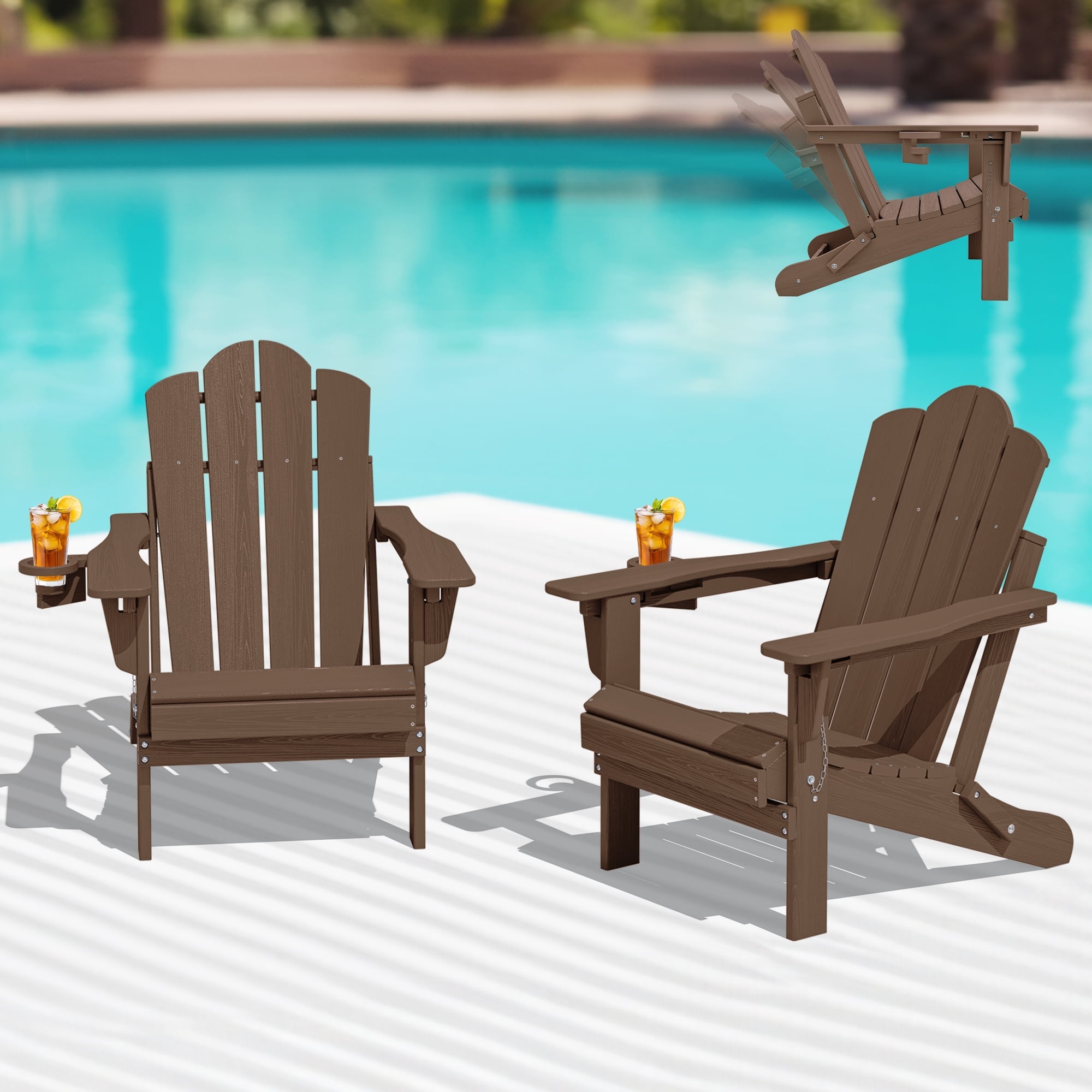
If you have dedicated shed, garage, or basement space, clean and dry the chairs thoroughly before moving them inside. Stackable models or folding Adirondack chairs save valuable floor space during storage. Ensure the storage area is dry and well-ventilated to prevent condensation buildup that encourages mold growth on wood or fabric cushions.
When indoor storage is impossible, outdoor storage requires strategic management. Cover the chairs with high-quality, breathable, waterproof outdoor furniture covers designed specifically for contour shapes. Avoid cheap plastic tarps wrapped tightly around the furniture, as they trap ambient moisture and condensation, creating a greenhouse effect that promotes mildew, wood rot, and peeling finishes. Furthermore, never leave wooden chairs resting directly on damp ground, mud, or melting snow; elevate the legs using rubber feet, bricks, or wooden pallets to maintain air circulation beneath the base.
Frequently Asked Questions
How often should I reapply finish to wooden Adirondack chairs?
You should inspect your wooden chairs biannually. Semi-transparent penetrating stains generally require reapplication every one to two years, depending on direct sunlight and rainfall exposure. Clear water sealers usually need an annual refresh to maintain optimal moisture repellency.
Can I leave my HDPE Adirondack chairs outside all winter?
Yes, high-density polyethylene is engineered to withstand freezing temperatures, snow, and ice without cracking or rotting. However, covering them or storing them indoors protects them from blowing debris, winter storms, and stubborn surface staining from rotting leaves.
What is the best way to remove mold from plastic Adirondack chairs?
Mix equal parts white vinegar and warm water, or use a mild solution of dish soap and bleach-free household cleaner. Apply the solution with a soft-bristled brush, let it dwell for five minutes to break down the mold spores, scrub gently, and rinse thoroughly with clean water.
Why is my wooden chair turning gray, and is it harmful?
The gray color is a natural weathering process caused by UV light oxidizing the lignin in the surface wood fibers. While it alters the appearance, it is not inherently harmful to the wood unless moisture is allowed to penetrate deeply, eventually leading to rot and structural decay.
Should I use a power washer to clean my outdoor furniture?
No, pressure washers generate excessive force that easily splinters softwoods, gouges wood grain, ruins protective finishes, and forces water deep into joinery. Always rely on a gentle garden hose paired with a soft-bristled brush and mild detergent.