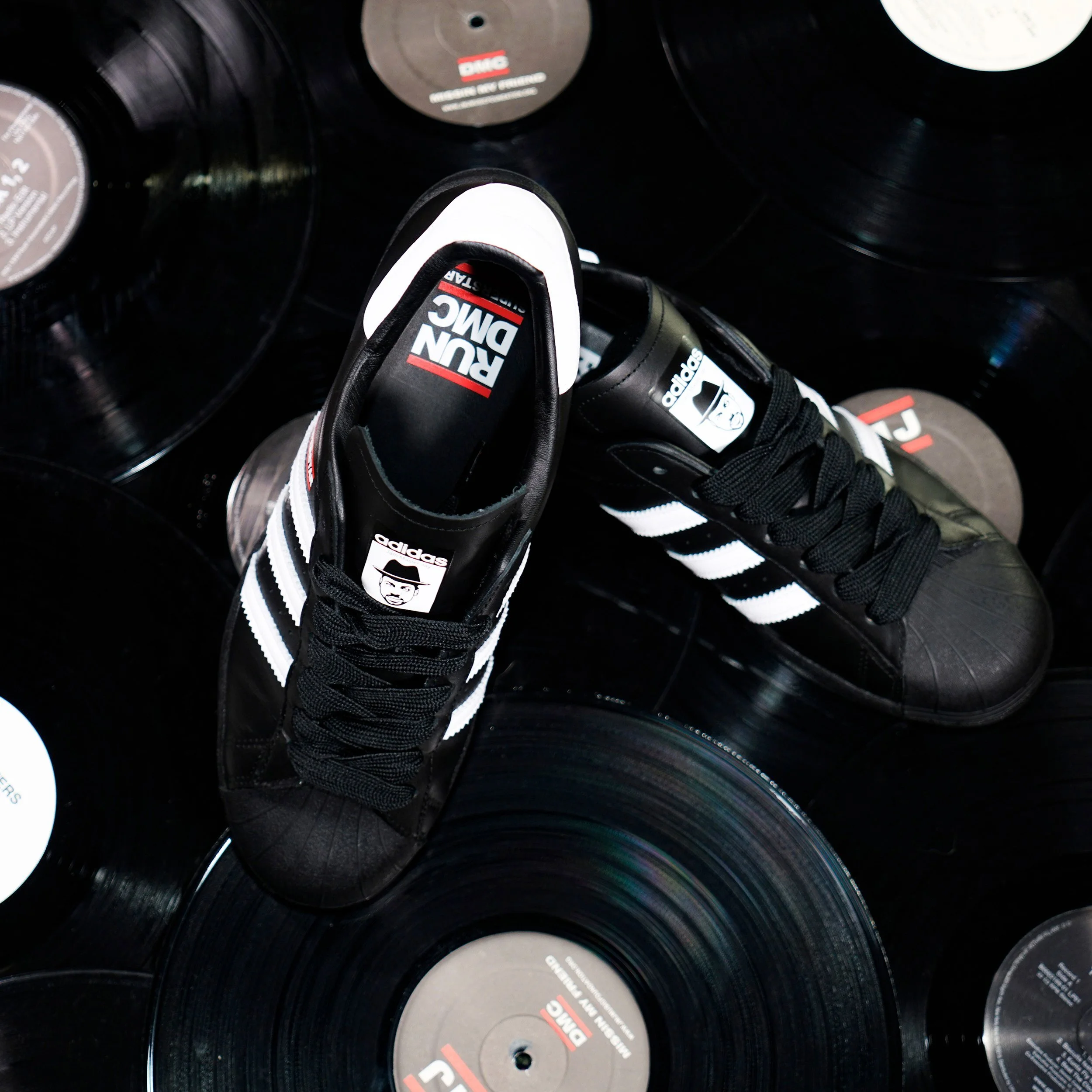
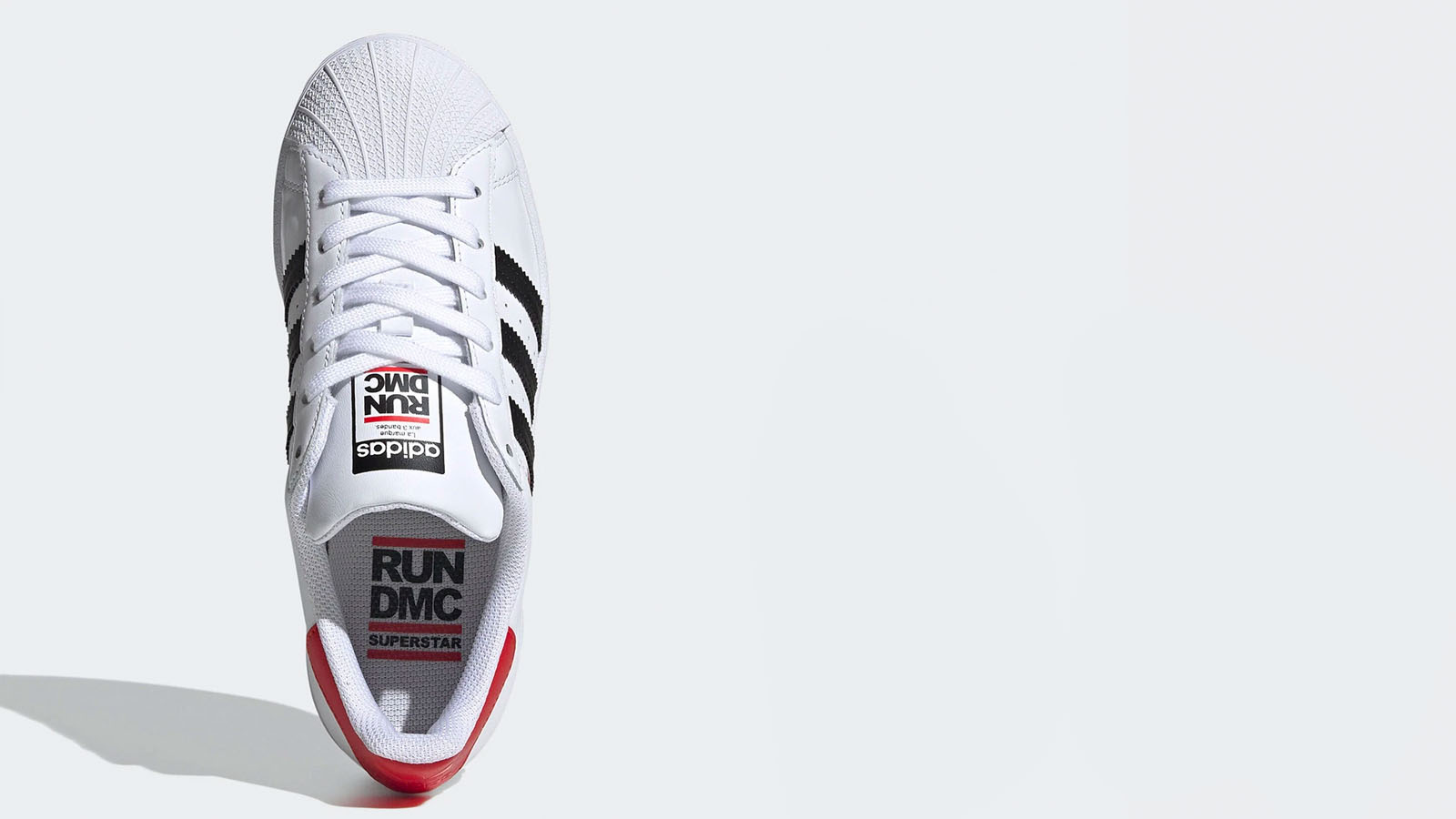
The Adidas x Run-DMC partnership remains the most significant cultural milestone in the history of footwear, marking the first time a sportswear brand signed a non-athlete endorsement deal. This 1986 collaboration shifted the perception of sneakers from purely functional athletic equipment to a symbol of street fashion, identity, and hip-hop culture.
In the mid-1980s, the relationship between sportswear brands and their consumers was strictly performance-based. Adidas made shoes for basketball players and track stars; they did not market to kids on street corners in Queens, New York. However, the trio of Joseph “Run” Simmons, Darryl “DMC” McDaniels, and Jason “Jam Master Jay” Mizell changed that paradigm forever. By adopting the Adidas Superstar as their uniform—worn without laces to mirror prison culture—Run-DMC created a visual language that resonated globally. As we look back from the vantage point of 2026, the 40-year legacy of the "My Adidas" single proves that this was not just a fashion trend, but a foundational shift in how brands interact with subcultures.
The Genesis of the Superstar and the Hollis Connection
To understand why the Adidas x Run-DMC crossover was so revolutionary, one must first look at the Adidas Superstar itself. Originally released in 1969 as a low-top version of the Pro Model basketball shoe, the Superstar was a technical marvel of its time. Its most distinctive feature was the rubber "shell toe," designed to protect the forefoot and prevent the leather from scuffing during intense play. By the early 1970s, nearly 75% of NBA players were wearing the Superstar.
However, as the 1980s arrived, the shoe transitioned from the hardwood to the concrete. In Hollis, Queens, the Superstar became more than a sports shoe; it became a status symbol. Run-DMC chose the shoe because it was what people in their neighborhood were wearing, but they added a specific stylistic twist: they wore them without laces and pushed the tongues out. This "laceless" look was a subversive nod to the New York penal system, where shoelaces were confiscated from inmates to prevent self-harm or use as weapons. By bringing this aesthetic to the stage, Run-DMC was projecting an image of authentic, raw street life that the corporate world had never before seen—let alone embraced.
The 1986 Madison Square Garden Moment
The pivotal moment in sneaker history occurred on July 19, 1986, during the "Raising Hell" tour at Madison Square Garden. At this time, Adidas executives were skeptical of the group’s influence and the demographic they represented. Run-DMC's road manager, Lyor Cohen, invited Angelo Anastasio, an Adidas executive, to the show to witness the group’s power firsthand.
Before performing their hit "My Adidas," Run-DMC asked the crowd of nearly 20,000 fans to take off one of their Adidas sneakers and hold it in the air. When Anastasio saw thousands of three-striped shoes waving in unison, the potential for a commercial partnership became undeniable. It wasn't just a concert; it was a demonstration of brand loyalty on a scale that athletes of that era rarely inspired. This event led directly to the signing of a $1 million endorsement deal, an astronomical sum for a musical group in 1986, and the first of its kind in the industry.
Technical and Aesthetic Impact on the Superstar
While the partnership was rooted in culture, it also influenced the physical design and marketing of the Adidas Superstar. The collaboration transformed the shoe from a basketball silhouette into a "lifestyle" icon.
- The Gold Foil Branding: Many Run-DMC editions featured specific gold foil branding on the tongue and side panels, signaling the premium nature of the collaboration.
- Lace-Free Construction: Subsequent anniversary models were often designed with elasticated tongues or reinforced structures to allow wearers to mimic the group's "laceless" look without the shoe falling off.
- Apparel Integration: The deal wasn't limited to footwear. It popularized the "Black/White" Adidas tracksuits, making the full-set sportswear look a staple of hip-hop fashion.
The durability of the rubber shell toe was particularly important for the breakdancing (B-boy) culture that rose alongside Run-DMC. The rubber provided a pivot point for footwork and protected the shoe during floor moves, proving that the shoe's "performance" roots were still relevant, even if the "sport" had changed from basketball to dance.
Timeline of the Adidas x Run-DMC Legacy
The following table outlines the critical milestones in the partnership, from its origins to its standing in the current landscape of 2026.
| Year | Event | Significance |
|---|---|---|
| 1969 | Superstar Launch | Introduction of the rubber shell-toe basketball shoe. |
| 1986 | "My Adidas" Release | The song that challenged anti-sneaker stigmas and celebrated the brand. |
| 1986 | MSG Concert | The famous "shoes in the air" moment that secured the corporate deal. |
| 1987 | Official Partnership | The $1 million endorsement deal is signed, breaking the "athlete-only" barrier. |
| 2002 | Jam Master Jay Tribute | Adidas releases special editions following the tragic passing of the group's DJ. |
| 2011 | 25th Anniversary | A massive global rollout celebrating a quarter-century of the "My Adidas" era. |
| 2020 | 50 Years of Superstar | A major campaign highlighting the shoe's dominance across five decades. |
| 2026 | 40th "My Adidas" Anniv. | Retrospective releases and the status of the partnership as the "Original Crossover." |
From Street Style to Global Influencer Marketing
The Adidas x Run-DMC deal was the blueprint for the modern "influencer" economy. Before this crossover, brands believed that only people who played the sport could sell the gear. Run-DMC proved that people who lived the lifestyle were even more powerful brand ambassadors.
This partnership paved the way for every major non-athlete sneaker collaboration that followed. Without Run-DMC, it is unlikely we would have seen the rise of Nike’s collaborations with artists like Travis Scott, or Adidas’s long-term (though eventually complicated) relationship with Kanye West. It established the idea that a sneaker could represent a specific musical genre, a geographic location, and a socio-economic identity.
Furthermore, the collaboration broke down the doors for hip-hop artists to enter the luxury fashion space. By the 2020s, the "streetwear" aesthetic championed by Run-DMC had become the dominant force in high fashion, leading to collaborations between Adidas and houses like Prada and Balenciaga. The Adidas x Run-DMC crossover was the "Big Bang" that expanded the sneaker universe into the multi-billion dollar industry it is in 2026.
Authenticity vs. Commercialization
One of the reasons the Run-DMC partnership was so successful was its perceived authenticity. The group was wearing Adidas long before they were paid to do so. In the current market, where "influencer drops" can often feel forced or manufactured, the Adidas x Run-DMC story serves as a reminder that the most successful collaborations are those that reflect existing consumer behavior.
The group’s insistence on "My Adidas" being a positive anthem was also crucial. At the time, sneakers were often unfairly associated with criminal activity. By rapping about how their Adidas "stepped on stage at Live Aid" and "walked the streets of Hollis," Run-DMC reclaimed the narrative, positioning the sneaker as a tool for success and cultural expression rather than a signifier of delinquency.
Choosing and Wearing Run-DMC Adidas in 2026
For collectors and enthusiasts in 2026, the Run-DMC Superstar remains a "must-have" staple. When looking for authentic commemorative models, there are several key features to verify:
- Heel Branding: Look for the specific Run-DMC logo—the name between two red bars—which is usually found on the heel or the tongue.
- Material Quality: Original-style collaborations often use a heavier, more premium grain of leather than standard "GR" (General Release) Superstars.
- Insole Graphics: Many anniversary editions feature lyrics from the song or photos of the group on the footbed.
- Sizing Note: The Adidas Superstar generally runs about a half-size large compared to modern running shoes. If you plan to wear them "laceless" (with the hidden elastic bands), it is often recommended to stay true-to-size or go down a half-size for a secure fit.
FAQ: Understanding the Legacy
Why did Run-DMC wear their Adidas without laces?
The laceless look was a stylistic reference to the New York City jail system. Inmates were stripped of their shoelaces to prevent suicide or their use as weapons. By wearing their sneakers this way on the streets, Run-DMC adopted a "tough" prison aesthetic and turned it into a high-fashion statement that signaled street-smart authenticity.
How much was the original Adidas x Run-DMC deal worth?
The original deal signed in 1987 was worth approximately $1 million. At the time, this was an unprecedented amount for a musical group and was comparable to the contracts signed by top-tier professional athletes. This deal proved to the corporate world that hip-hop was a viable and lucrative marketing vehicle.
What is the "My Adidas" song actually about?
The song "My Adidas" was written as a response to a pro-drug-dealer, anti-sneaker sentiment prevalent in the mid-80s. Dr. Deas, a community activist, had published a pamphlet titled "How to Tell if Your Child is a Drug Dealer," which listed Adidas sneakers as a warning sign. Run-DMC wrote the song to flip the script, highlighting how their sneakers were worn by hardworking people and successful artists.
Are Run-DMC Superstars still being released in 2026?
Yes, Adidas frequently releases commemorative editions of the Superstar to honor the Run-DMC legacy, particularly around major anniversaries of the 1986 single. As of 2026, these models are highly sought after by "OG" collectors and new fans alike, often featuring vintage-inspired packaging and premium materials.
How did this partnership change modern sneaker culture?
It shifted the sneaker industry from a performance-only model to a lifestyle-driven model. It created the "collab" culture we see today, where brands partner with musicians, artists, and designers to create limited-edition products. It also validated hip-hop as a dominant global culture capable of influencing mainstream commerce.
Investing in a Piece of History
If you are looking to understand the roots of modern street style, the Adidas x Run-DMC Superstar is the definitive starting point. Whether you are a collector looking for "deadstock" pairs from the 25th-anniversary collection or a daily wearer looking for the latest 2026 retrospective, the key is to respect the history behind the shell toe.
To truly honor the "ultimate crossover," consider exploring the various iterations of the Superstar—from the 1980s "Made in France" replicas to the modern sustainable versions. Wearing a pair of Superstars is not just a fashion choice; it is a nod to the moment when the streets of Queens convinced the world that a pair of sneakers could be as iconic as a gold record.